
Travel to Angola
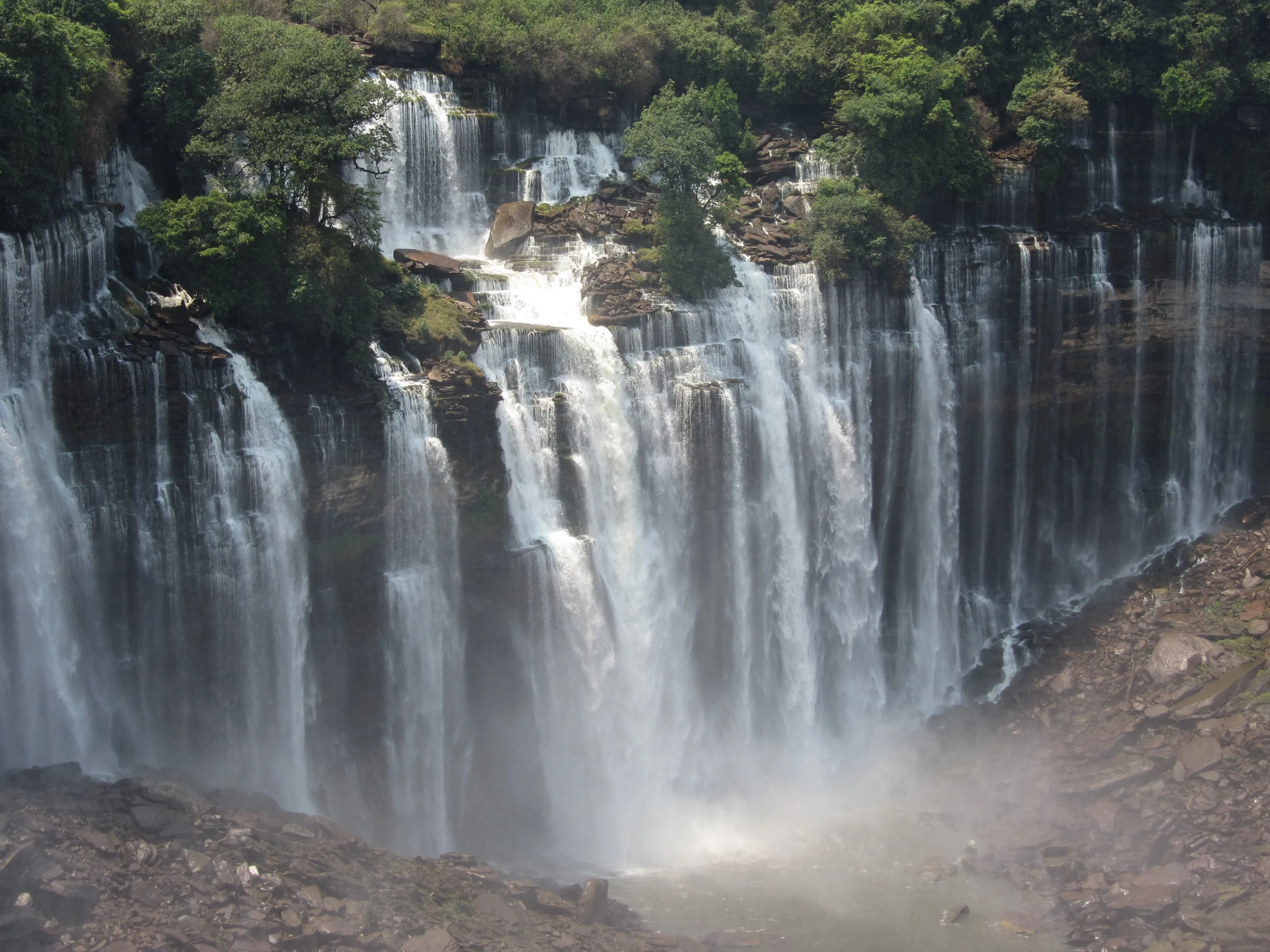
A curtain of water over a hundred metres wide in the forest, a road that climbs the mountainside in hairpins, red and ochre cliffs that make a landscape look like the moon, a desert that ends on the Atlantic: Angola, a Portuguese-speaking country on the Atlantic coast of Southern Africa, is still little known to travellers. Here is what to know before you look for cheap flights to Angola.
Angola in numbers
Capital
Luanda
Population
Over 30M
Area
~1.25M km²
Currency
Kwanza
Language
Portuguese
UNESCO sites
1
Continent
Africa
Time zone
UTC+1
Airports covered
1
Why visit Angola
Giant falls, mountain roads and a desert by the ocean
Sharply contrasting landscapes
A dry coastal plain, plateaus at 1,000 m, wet forests in the north and the Namib Desert in the south: the scenery changes completely within a few hundred kilometres.
Kalandula Falls
On the Lucala River, a broad curtain of water drops about a hundred metres in Malanje province. It is one of the country's most impressive natural sites.
A coast of cliffs and beaches
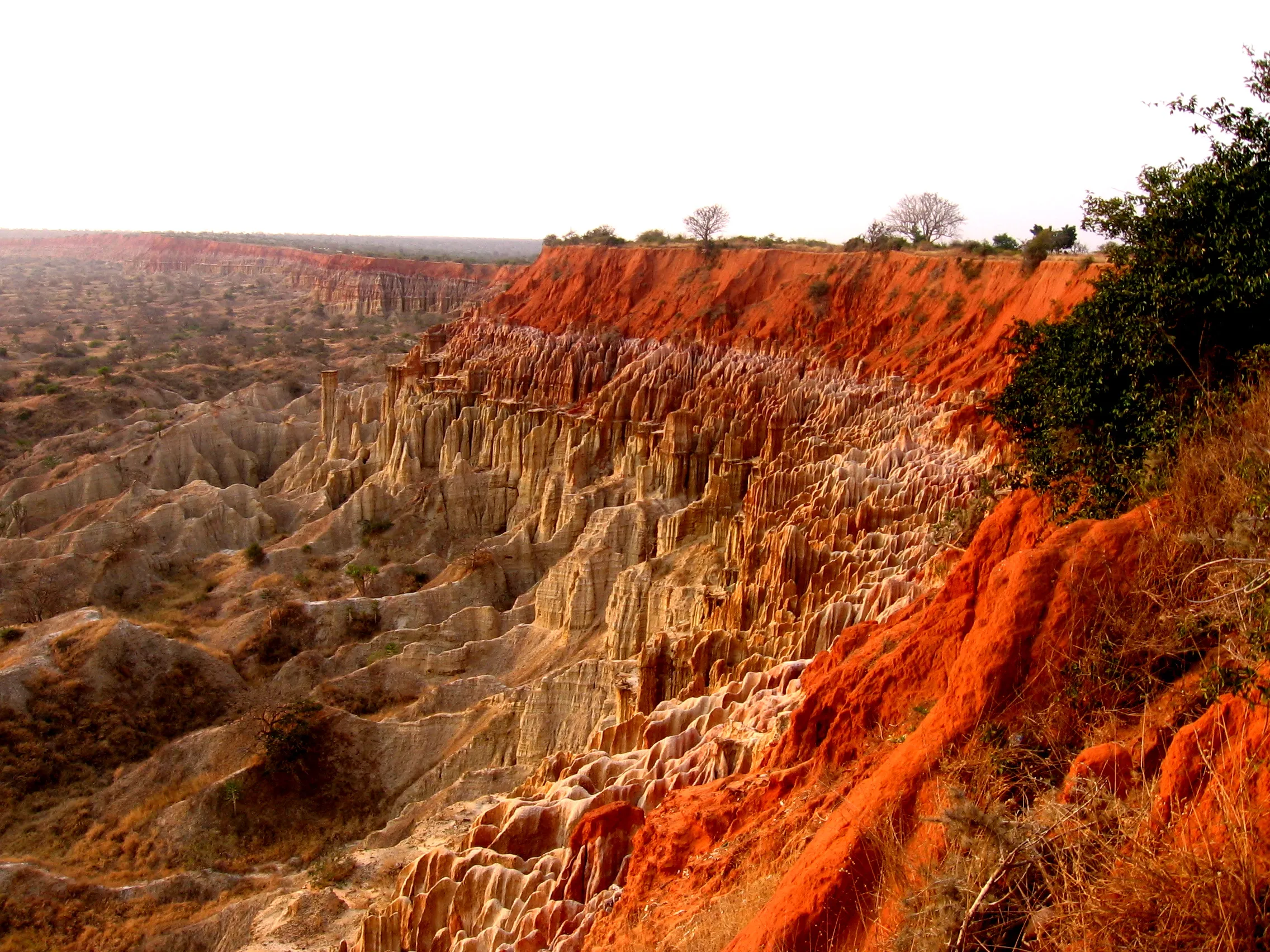
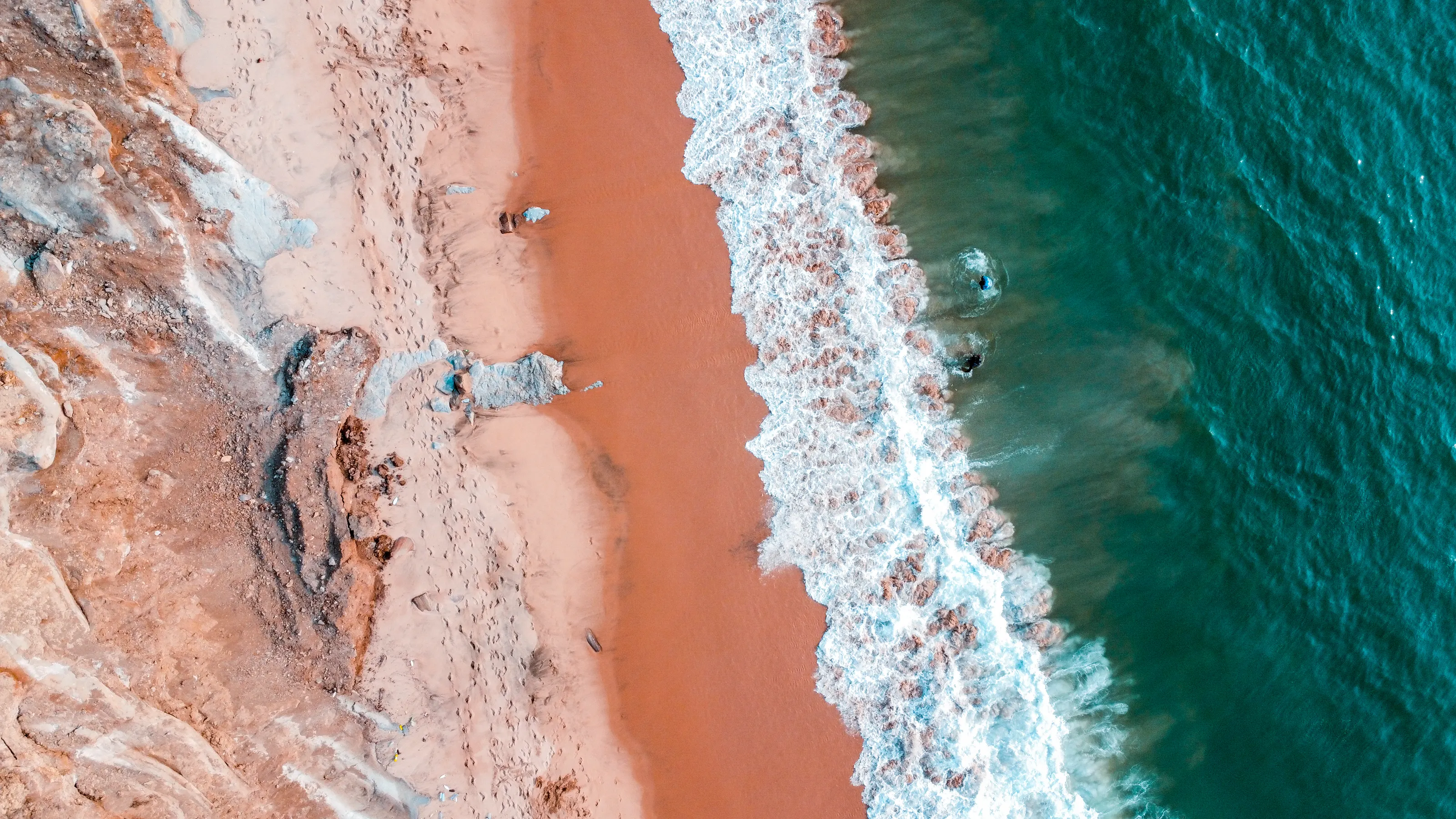
From the Miradouro da Lua south of Luanda to the surf beaches of Cabo Ledo or the desert coast of Namibe, the Atlantic shore alternates eroded cliffs and golden sand.
A Lusophone and Bantu culture
Semba, kizomba and kuduro music, palm-oil cooking, Mwila and Himba peoples in the south: Angola blends Portuguese heritage with strong local traditions.
Where to go
Luanda, Kalandula, the Serra da Leba and Namibe
Distances are long and roads uneven away from the main axes, so it is better to pick two or three regions than to add stops. Many travellers start from Luanda and then take a domestic flight or a driver to reach the south or the interior.
Luanda, the Miradouro da Lua and Cabo Ledo
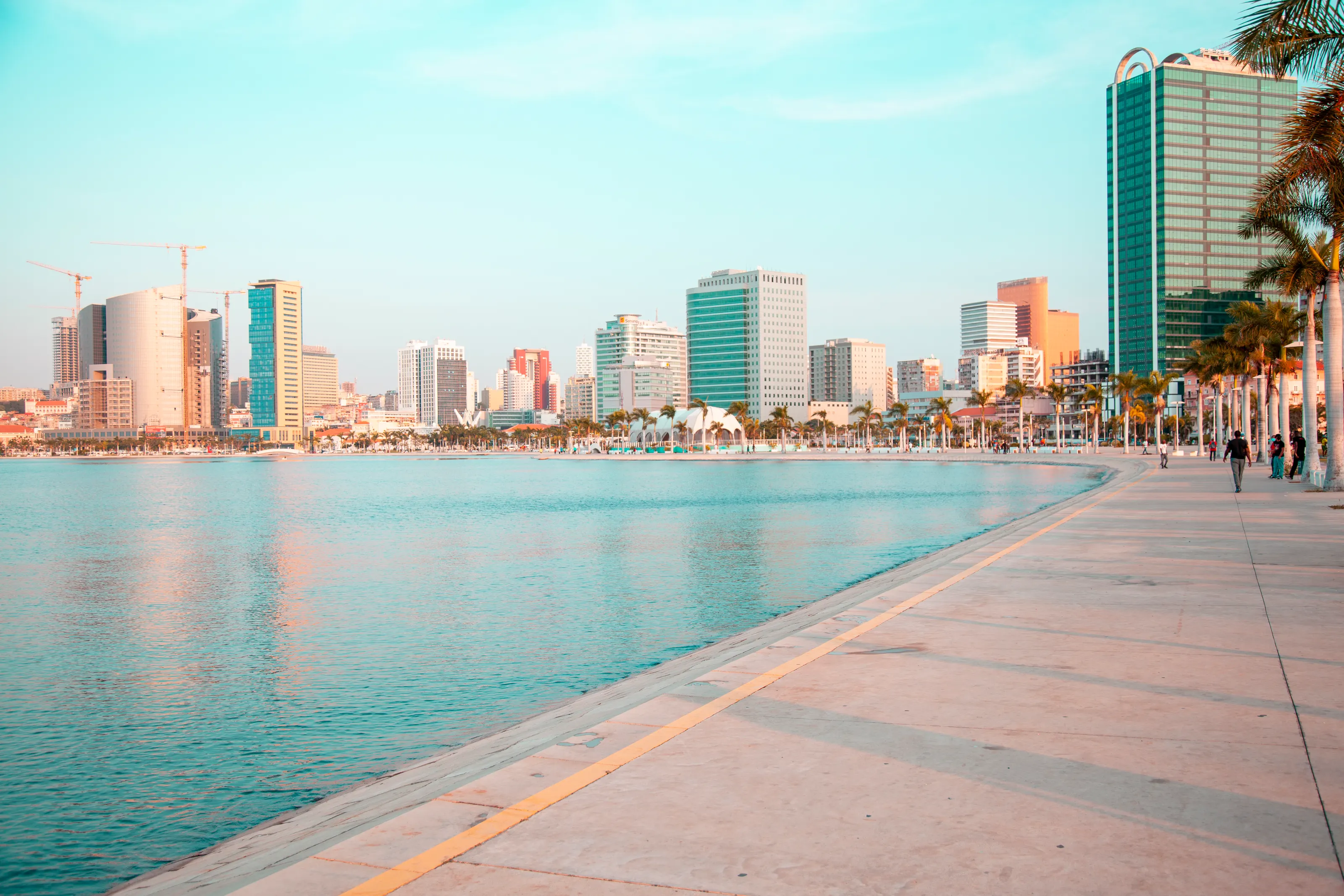
Luanda, the capital, stretches along its bay, with its waterfront promenade, Luanda Island, São Miguel Fortress and the Agostinho Neto memorial. South of the city the Miradouro da Lua looks out over ochre and red cliffs sculpted by erosion, and Quiçama National Park offers wildlife. Further along the coast, Cabo Ledo is known for its surf beaches.
Kalandula Falls and the Kwanza
In Malanje province, on the Lucala River, Kalandula Falls drop as an immense curtain in a forest setting. People come for the view from above and for the paths down towards the base. The Kwanza River, south of Luanda, can also be discovered on cruises.
Lubango, the Serra da Leba and Huíla
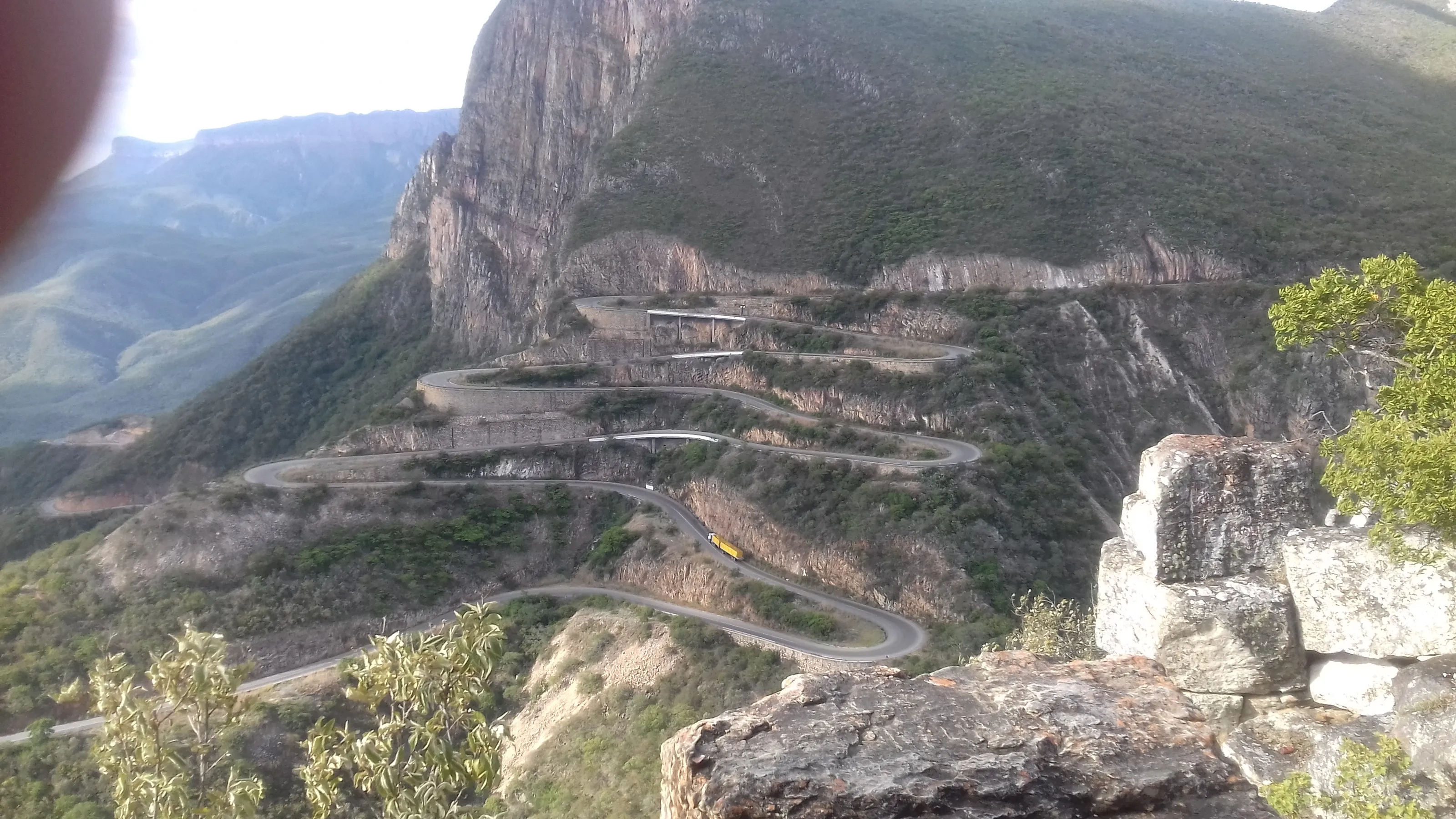
In Huíla province, Lubango is the capital of a highland with a cooler climate. The Serra da Leba is famous for its road that drops down the escarpment in a series of dramatic hairpins, and the Tundavala gorge opens a dizzying view over the plain. The region is also a place to meet the Mwila people and their traditions.
Namibe, the desert and the coast
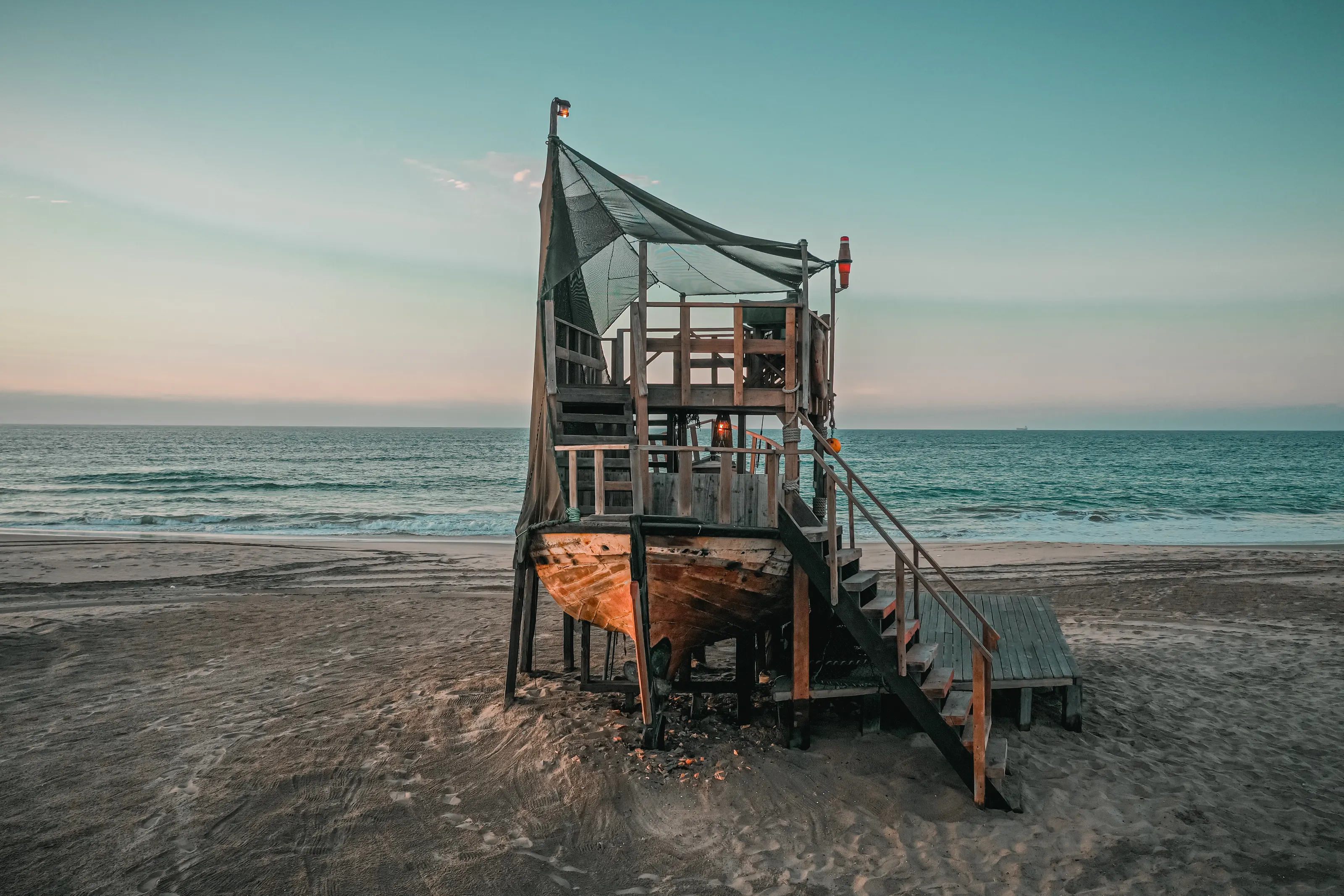
Namibe is the gateway to the desert: wind-battered beaches, dunes, fog from the Benguela Current and welwitschia plants inland. Baía dos Tigres, further south, is another dune landscape facing the ocean. To extend your trip in the region, see also our Namibia page or our Zambia page.
Before you go
A cool dry season from May to September, rains from November to April
| Region | Climate | Best time to visit |
|---|---|---|
| Luanda and the north coast | Dry, hazy and cool coast from May to September; hotter and more humid in the rainy season. | May to September |
| South coast and Namibe | Very dry and desert-like: the cold Benguela Current brings fog and cool air to the coast. | May to September |
| Highlands (Huíla, Huambo) | Altitude and coolness, with more rain than the coast, roughly 1,000 to 1,800 mm a year. | May to September for roads and views |
| North and interior (Malanje, Kalandula) | Tropical wet climate with a dry season from June to September, better for getting around. | June to September |
The rains, roughly November to April, make interior roads harder but the falls fuller. Outside those months the sky is clearer, especially towards the highlands.
Getting around
Long distances, domestic flights and a driver
Angola is vast and roads are uneven away from the main routes. For remote sites the simplest option is a driver or a local agency with a suitable vehicle, which also handles formalities and stops.
Domestic flights link Luanda with several provincial cities. In Luanda traffic is heavy at rush hour, so allow extra time for airport transfers.
Angolan food
Muamba de galinha, funge and grilled fish
Muamba de galinha, chicken stewed in palm oil with okra, is the country's signature dish. It is eaten with funge, a cassava paste, or with rice; calulu, a fish or meat stew, is among the classics.
On the coast, mufete combines grilled fish, beans and cassava. In the evening, semba, kizomba or kuduro music fills Luanda's restaurants and bars.
Flying to Angola
The Angolan airport covered by SniperAir
Quatro de Fevereiro
Luanda's airport, about 5 km from the centre, or 15 to 30 minutes by road depending on traffic. A new international airport farther from the city opened in 2023, so always check the arrival airport shown on your ticket.
FAQ
Frequently asked questions about Angola
Which airport should I fly into for Angola?
Luanda is the usual entry point. Two airports serve the capital, the older Quatro de Fevereiro and a newer international airport farther from the centre: check the one used by your flight.
When is the best time to visit Angola?
The dry season, roughly May to September, is the most pleasant: clearer skies, milder coastal temperatures and more passable roads. The rains, November to April, make the falls fuller.
Is Angola expensive to visit?
Accommodation in Luanda is often costly, and long-distance travel by driver or domestic flight weighs on the budget. Tracking flight prices and choosing a few regions rather than many stops helps keep costs down.
Do I need a visa to travel to Angola?
Entry rules depend on your nationality and change regularly. A yellow fever vaccination certificate is often requested. Check official websites and your government's travel advice before booking.
How long should I spend in Angola?
Plan ten to fourteen days to combine Luanda, Kalandula Falls or Huíla, and Namibe. A week is enough for Luanda and its surroundings.
Can I see desert and waterfalls on the same trip?
Yes, but distances are long: plan domestic flights or several days on the road. The simplest approach is to pick two regions, for example Luanda and Namibe, or Luanda and the falls.
How do I get alerted when flights to Angola drop in price?
Create a SniperAir alert profile with your departure airport and Luanda as the destination. We track prices and notify you as soon as an opportunity matches. See how it works.
Ready to track prices to Angola?
Create an alert and let SniperAir do the rest.
Create my alert