
Travel to the Cook Islands: cheap flights to Rarotonga
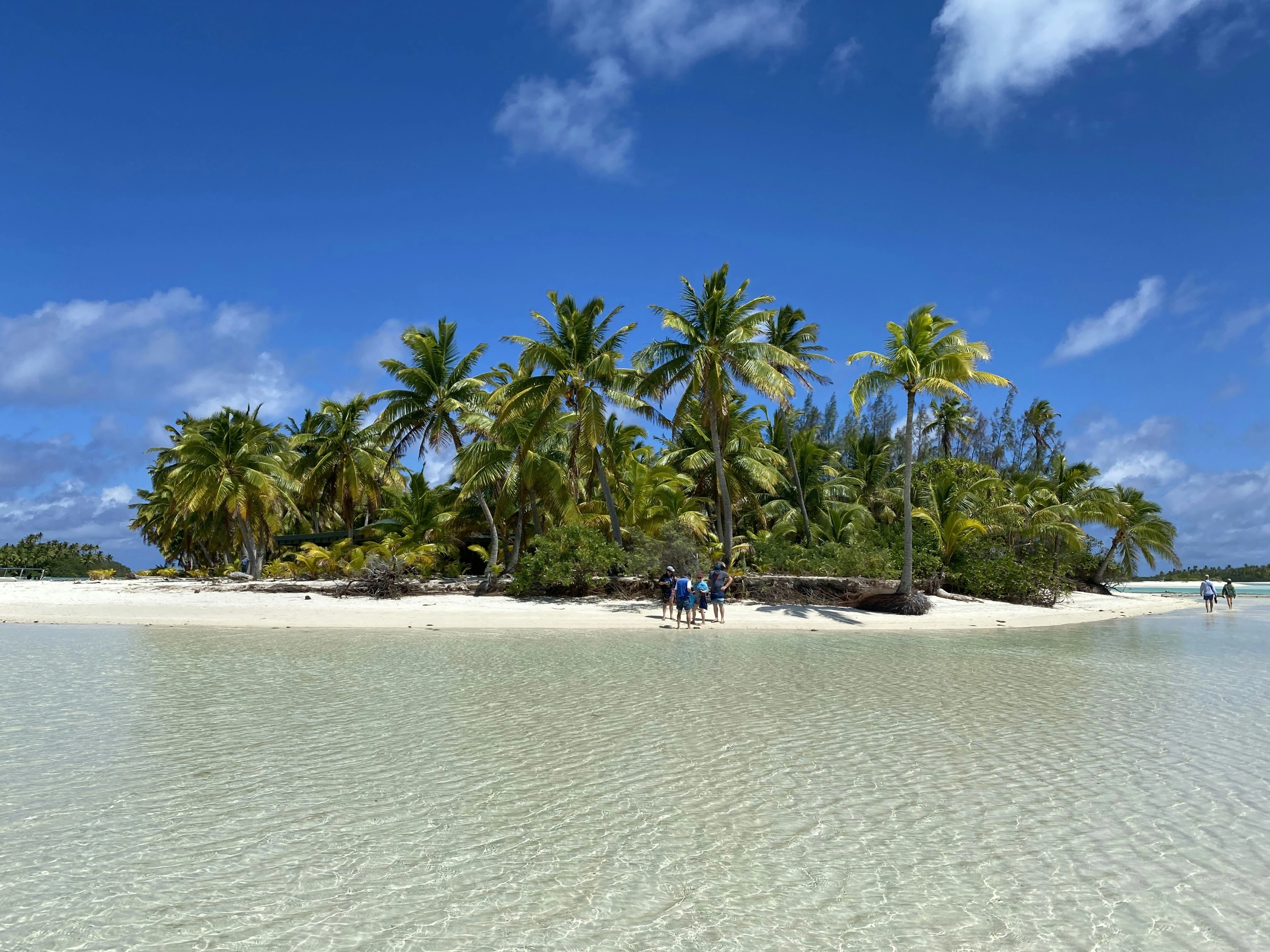
Fifteen islands scattered over nearly two million square kilometres of ocean, a lagoon at Aitutaki dotted with white sandbars and a main island just 32 km around: the Cook Islands keep the slow pace of a South Pacific from before the big resorts. Here is what to know before you go, then how to track flights to Rarotonga.
The Cook Islands in numbers
Capital
Avarua
Population
~15,000
Area
~236 km²
Currency
New Zealand dollar
Languages
English, Cook Islands Maori
Status
Free association
Continent
Oceania
Time zone
UTC-10
Airports covered
1
Why visit the Cook Islands
A tiny archipelago in a vast ocean, with its own way of life
Self-governing, in free association
Cook Islanders hold New Zealand citizenship, yet the country runs its own foreign policy, customs and immigration and has diplomatic relations in its own name. It is not a UN member state, but belongs to several UN agencies.
Marae Moana, a giant marine park
Established in July 2017, Marae Moana protects the entire Exclusive Economic Zone, roughly 1.9 million km2, and was described at the time as the largest protected area on Earth by size, for a country of about 15,000 people.
Hawaii down under, minus the crowds
The islands share Hawaii's time zone and are sometimes compared to Hawaii before the large resorts arrived. Tourism is the economy's backbone, yet there are no large hotel developments, and travel guides note an absence of touts.
Drums, dance and tivaevae
Every island has its own dances, taught to all children, and Cook Islands drumming is internationally known. The tivaevae, a hand-sewn quilt, is among the best-loved folk arts.
Regions and highlights
Rarotonga, Aitutaki and the outer islands
Rarotonga and Avarua
Rarotonga is a kidney-shaped extinct volcano, 32 km around and 11 km across at its widest, ringed by a fringing reef with a forested core; Te Manga is the highest peak at roughly 650 m. A single coastal road links the villages, with the old Ara Metua track inland. Avarua, the capital, has the 1853 white-coral Cook Islands Christian Church and the national museum.
Muri Lagoon
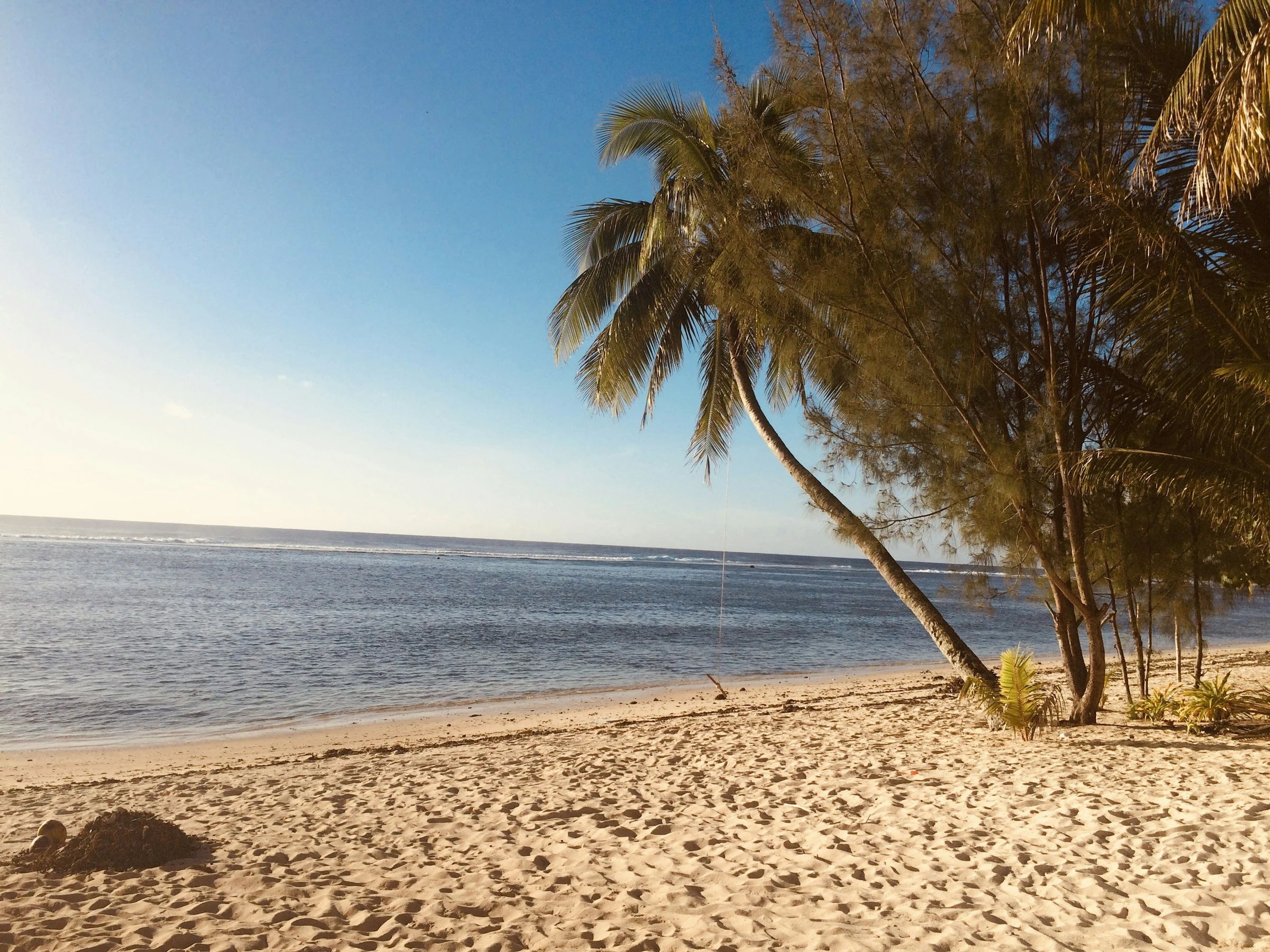
On the south-east coast, Muri Lagoon has shallow water over sand, four small islets (motu) and the island's best snorkelling and kayaking. Glass-bottom boat cruises run here, and scuba diving outside the reef brings turtles, eagle rays and reef sharks.
Aitutaki, the almost atoll
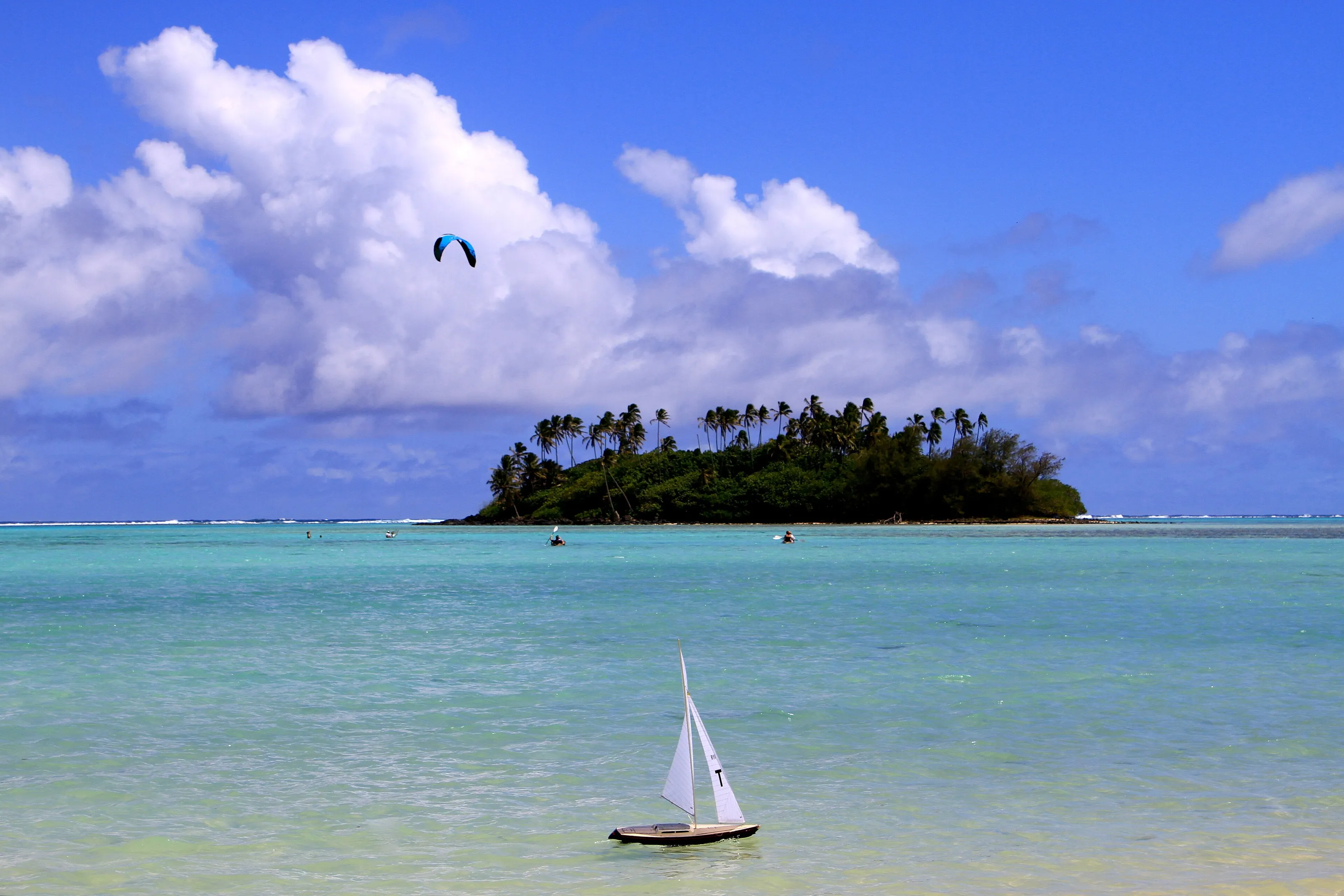
Aitutaki is an almost atoll: a triangular barrier reef about 12 km on each side encloses a lagoon of sandbars and islets, with a high volcanic island on one side. It was an Allied airbase in 1942, and its Arutanga church is the oldest in the country. About 1,800 people live here.
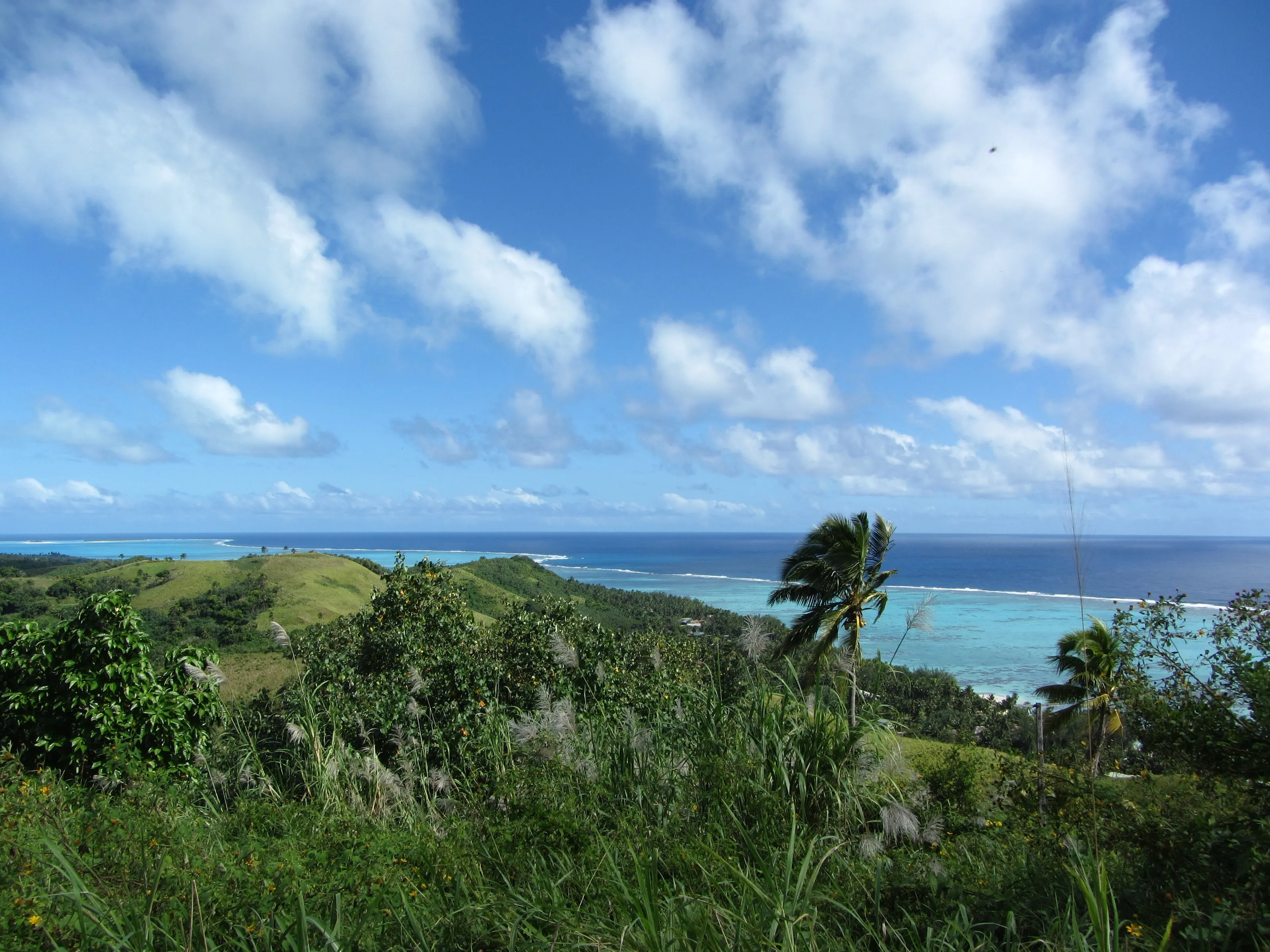
Atiu and the northern atolls
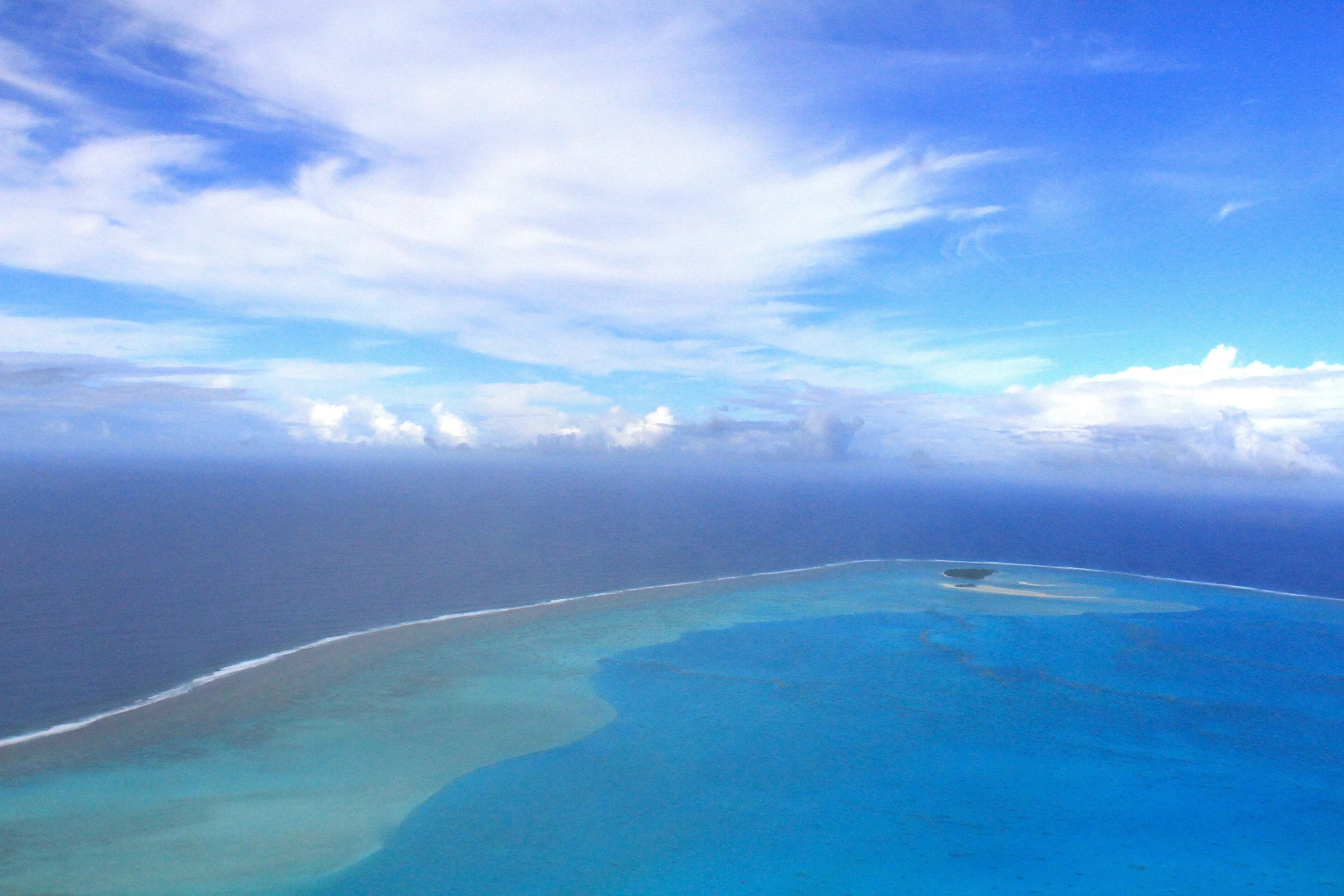
Atiu is known for its limestone caves, including Anatakitaki. The northern group is seven low, sparsely populated coral atolls, hard to reach; Suwarrow is the country's only national park.
Food and culture
Ika mata, umu ovens and island nights
Local food is built on fish and coconut: ika mata (raw fish with lime, coconut milk and finely chopped vegetables), curried eke (octopus in coconut), rukau (taro leaves in coconut cream) and dishes cooked in an umu, the traditional earth oven. Some of these are sold daily at the Avarua market, and a fortnightly Go Local market brings in growers. Two microbreweries, Matutu and Cook Islands Brewery, offer tastings on Rarotonga.
Black pearls from Manihiki, wood carvings and tivaevae quilts are the souvenirs to look for. Sunday is church day and most shops close, but visitors who dress modestly are welcome at services. Tipping is not expected and bargaining is considered rude.
Getting around
One international airport, then the ring road or inter-island flights
All international flights land at Rarotonga, 3 km west of downtown Avarua. According to the sources we consulted, there are daily services from Auckland and weekly or twice-weekly flights from Sydney, Papeete and Honolulu or Los Angeles. Visitors do not need a visa: a 31-day entry permit is issued on arrival, extendable, and an onward ticket is required.
On Rarotonga a bus runs in both directions along the coast road, and you can rent a scooter or car: traffic drives on the left, with no traffic lights. To reach Aitutaki or the other islands you fly with Air Rarotonga, since there are no scheduled ferries between the inhabited islands. To combine with a wider Pacific trip, New Zealand, with which the islands are associated, and nearby French Polynesia are the natural stopovers.
Before you go
A tropical climate softened by the trade winds
| Area | Climate | Best time |
|---|---|---|
| Rarotonga | Average highs of 25 °C from May to October and 29 °C from November to April; most rain in summer, often as afternoon storms | May to October |
| Aitutaki and the southern islands | Tropical, moderated by trade winds; calm lagoons, a little hotter on the low islands | May to October |
| Northern atolls | A few degrees hotter than Rarotonga, limited access | May to October, depending on flights |
Cyclone season runs from November to March, with a major cyclone roughly every five years according to travel guides. Medical facilities on Rarotonga are limited and serious cases are evacuated to Auckland, so comprehensive travel insurance is essential. Dengue outbreaks have been reported, and eating reef fish is discouraged because of ciguatera. Entry rules depend on your nationality: check official sources before travelling.
Flying to the Cook Islands
The Cook Islands airport tracked by SniperAir
Rarotonga International
Located 3 km west of downtown Avarua, it is the country's only international gateway, with flights mainly from Auckland, Sydney, Papeete and Hawaii or Los Angeles.
FAQ
Frequently asked questions about the Cook Islands
Which airport do I fly into for the Cook Islands?
Rarotonga (RAR) is the only airport with international flights, 3 km west of Avarua. For Aitutaki and the other islands you then take a domestic flight with Air Rarotonga.
When is the best time to visit the Cook Islands?
May to October, the cooler and drier season, with average highs of around 25 °C on Rarotonga. From November to March it is hotter and more humid, with a cyclone risk.
Are the Cook Islands expensive?
Imported goods such as fuel and fresh milk are costly, but guides rate the islands as cheaper than French Polynesia. The budget depends mostly on where you stay on Rarotonga and Aitutaki. Compare options with our partners before booking.
Do I need a visa for the Cook Islands?
There is no visa as such: a 31-day entry permit is issued on arrival and can be extended. You need an onward ticket, and rules can change, so check with the authorities before you travel.
How long should I stay in the Cook Islands?
Plan for 7 to 10 days to combine Rarotonga and Aitutaki. A week is enough to circle Rarotonga, enjoy Muri Lagoon and spend two or three days on Aitutaki.
Can I take a ferry from Rarotonga to Aitutaki?
There are no regular ferries between the inhabited islands. The link is by air with Air Rarotonga, which is generally cheaper to book directly.
How do I get alerted when a flight to the Cook Islands drops below my budget?
Create a SniperAir alert with your departure airport and Rarotonga as the destination: we track prices and notify you as soon as an opportunity matches your criteria. See also how it works.
Ready to track prices to the Cook Islands?
Create an alert and let SniperAir do the rest.
Create my alert