
Travel to Latvia
A Hanseatic capital rich in Art Nouveau facades, wooden houses by the sea, forested valleys and medieval castles: Latvia is an easy, affordable Baltic destination. This guide covers what to know before you travel to Latvia and how to catch cheap flights to Riga.
Latvia in numbers
Capital
Riga
Population
~1.8 M
Area
64,589 km²
Currency
Euro
Language
Latvian
UNESCO sites
3
Continent
Europe
Time zone
UTC+2
Airports covered
1
Why visit Latvia
From Riga's Art Nouveau to the forests of the Gauja
Riga, capital of Art Nouveau
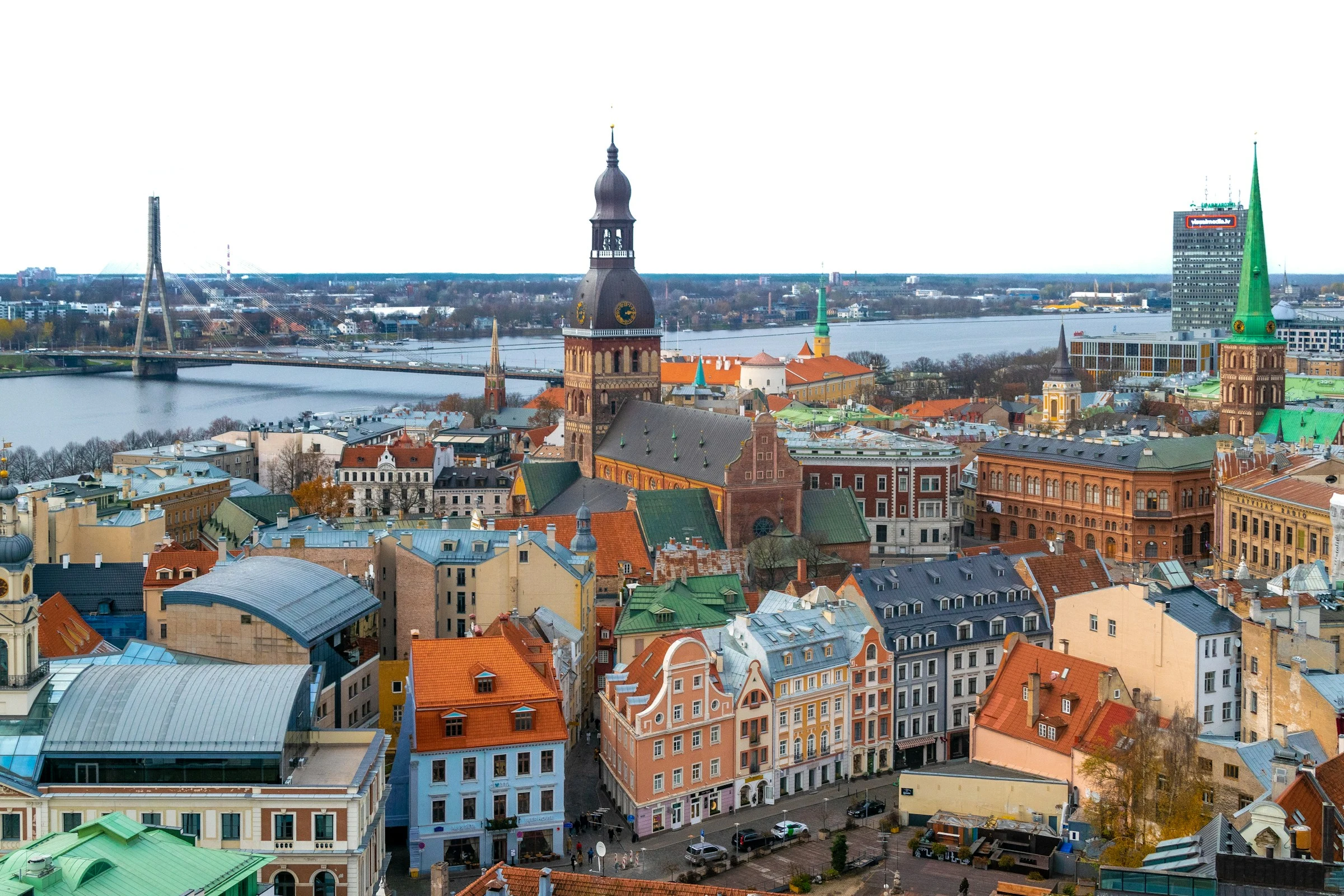
Founded in 1201 and a former Hanseatic League member, Riga has been on UNESCO's list since 1997 for its Art Nouveau architecture, found in high concentration in the centre, and its 19th-century wooden houses.
Three World Heritage properties, including Kuldīga
Riga's historic centre (1997), the Struve Geodetic Arc (2005, shared with other countries) and the town of Kuldīga (2023) are all on the World Heritage list.
Forests, lakes and the Liv Coast
More than 2,000 lakes, large forests, Gauja National Park, the Ķemeri moorland and the wild coast around Cape Kolka: nature is everywhere in an almost flat country.
An easy trip to budget
Euro, cards accepted nearly everywhere, trains and buses to the main towns: Latvia is cheaper than Western Europe, with Riga a little pricier than the provinces.
Signature places
Riga, Jūrmala, Sigulda, Kuldīga and the coast
Riga is enough for a first short stay, but Latvia rewards a day or two away from it: beach, castles, waterfalls and forests are within reach by train or car.
Riga, the Old Town and the Art Nouveau boulevards
Start with the Dom Cathedral, St Peter's Church and the House of the Blackheads, destroyed in the war and rebuilt as a facsimile in 1995. Beyond the Old Town, the boulevards line up Art Nouveau buildings, notably by Mikhail Eisenstein. The Central Market, the Museum of the Occupation and the National Museum of Art round out the visit, and the Christmas market is the winter highlight.
Jūrmala and the coast
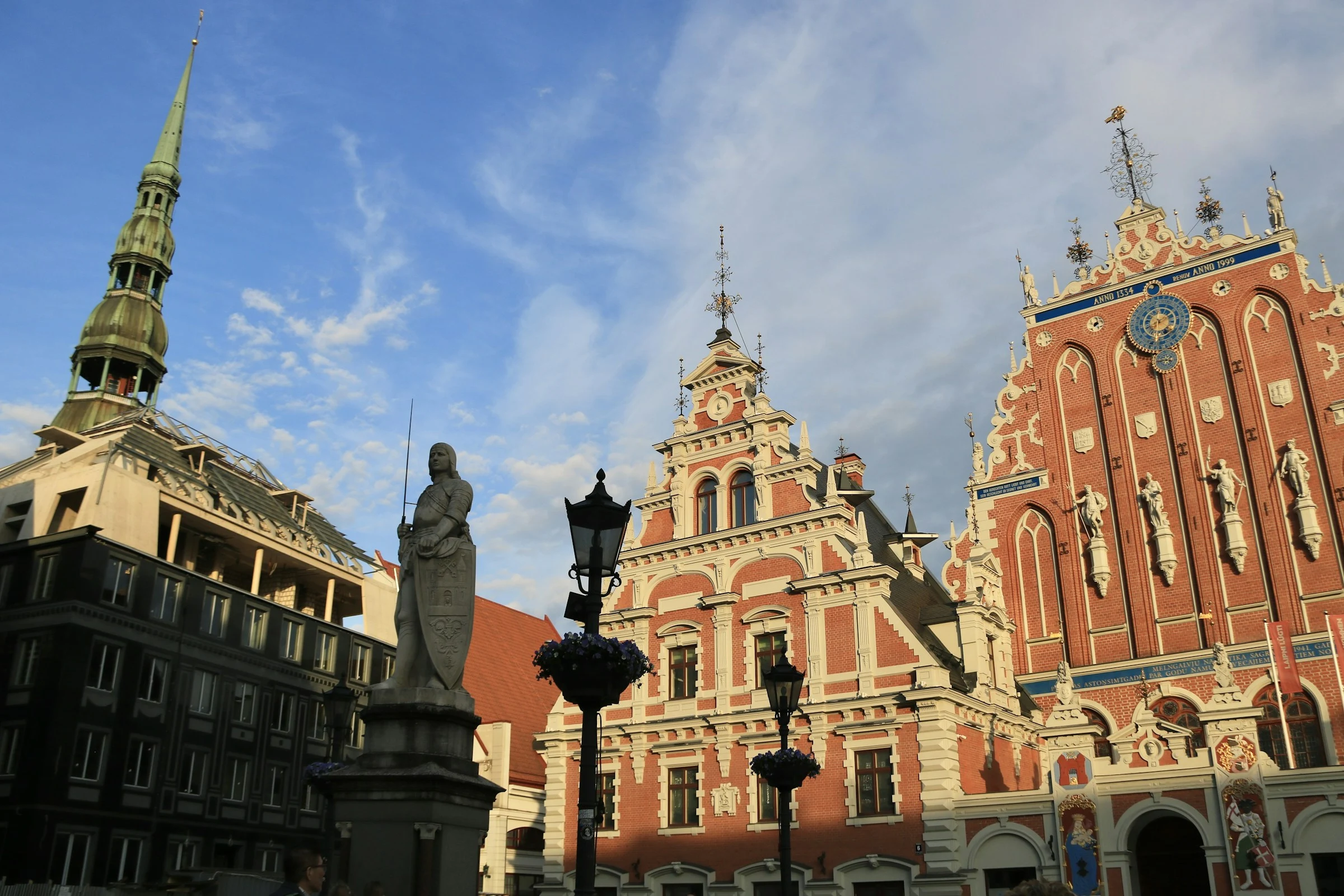
Jūrmala, just west of Riga, is a seaside resort of wooden houses that claims the longest beach in Northern Europe. Further along, Liepāja is known for its beach and for Karosta, a former secret military district, and Cape Kolka marks the tip of the Liv Coast.
Sigulda, Cēsis and the Gauja valley
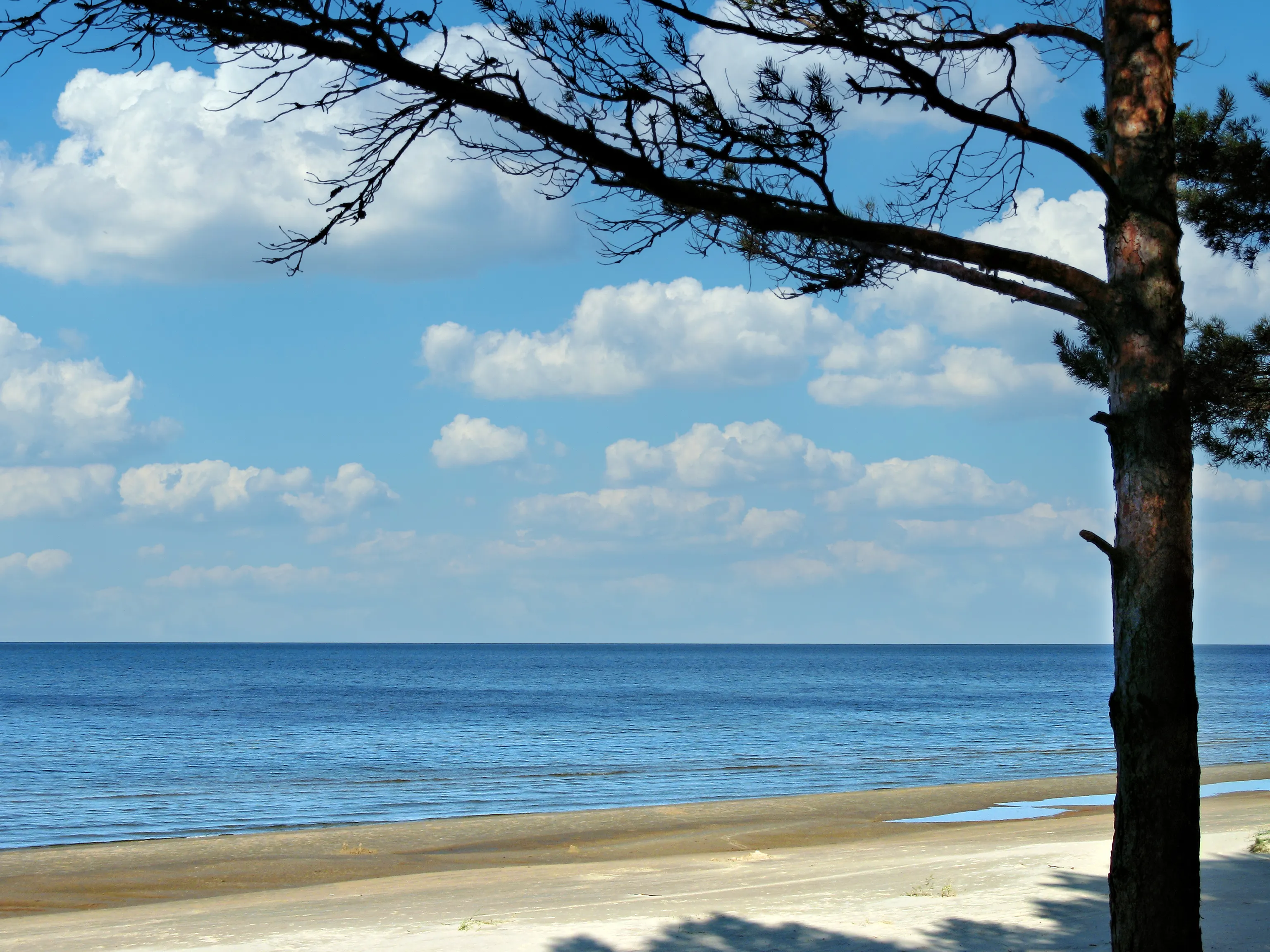
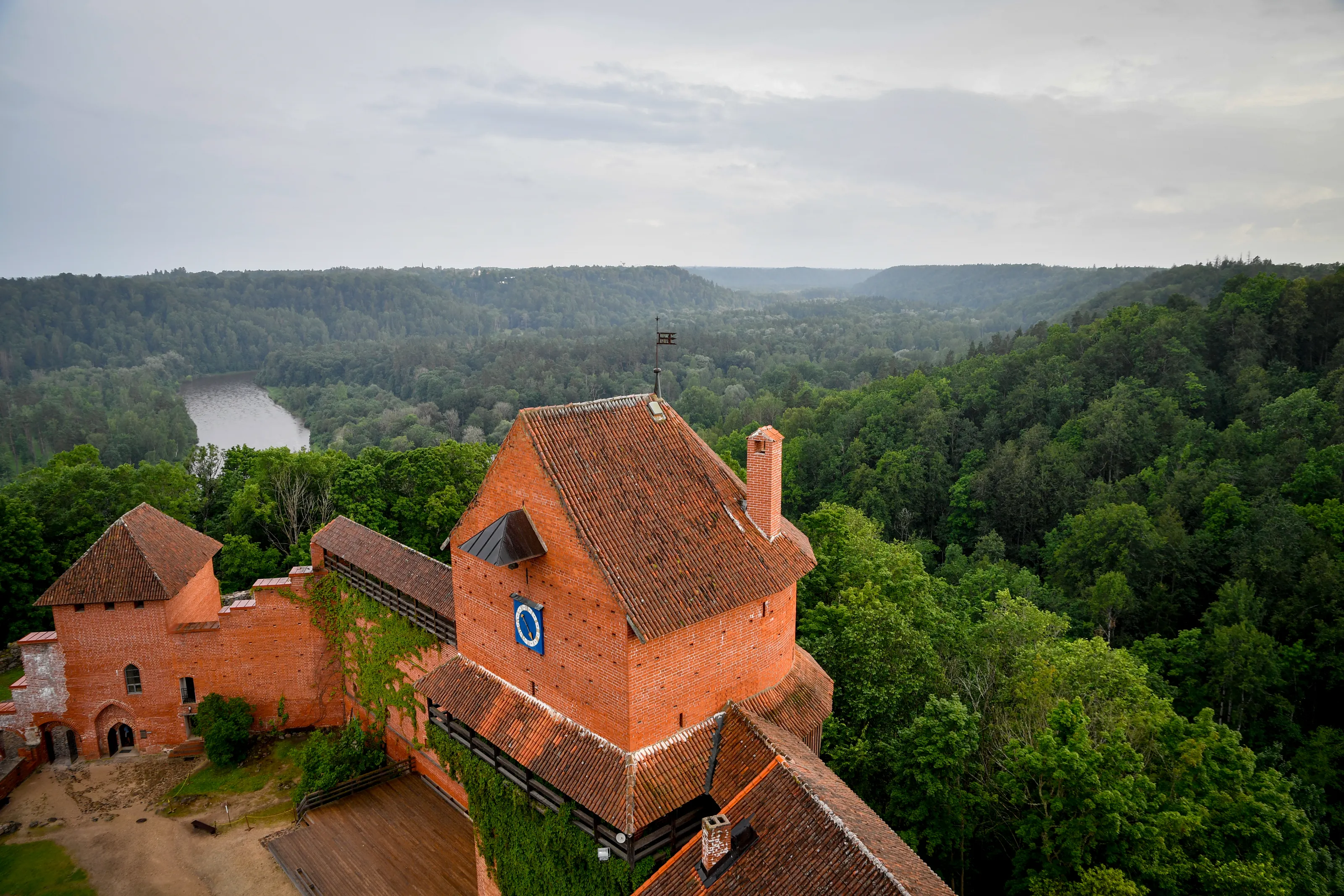
Nicknamed the "Switzerland of Latvia", the Gauja valley is the most popular destination outside Riga: a reconstructed Turaida Castle, Gūtmanis Cave, cliffs and winter sports. In Cēsis, a Livonian Order castle overlooks a cobbled centre.
Kuldīga, Rundāle and Daugavpils
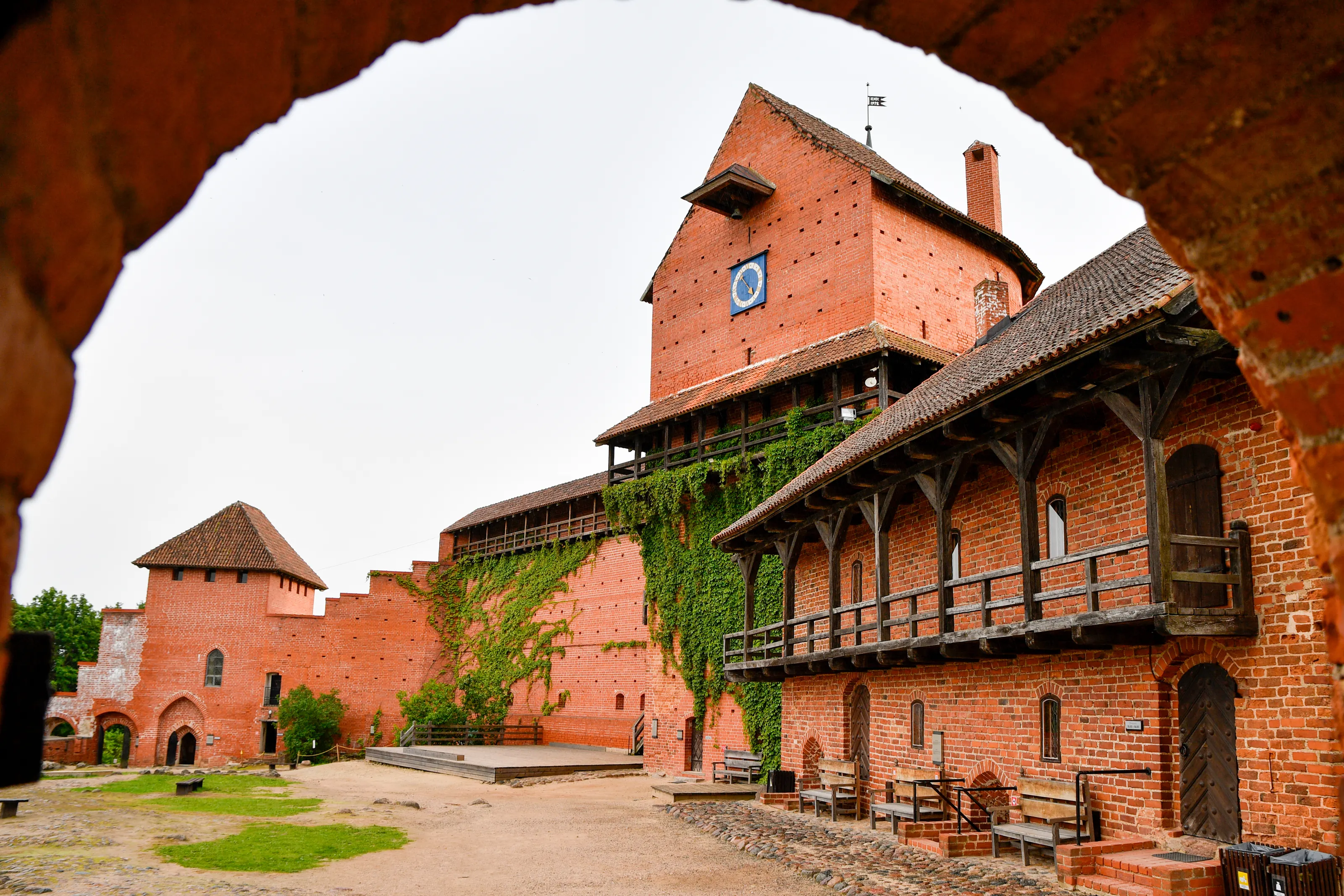
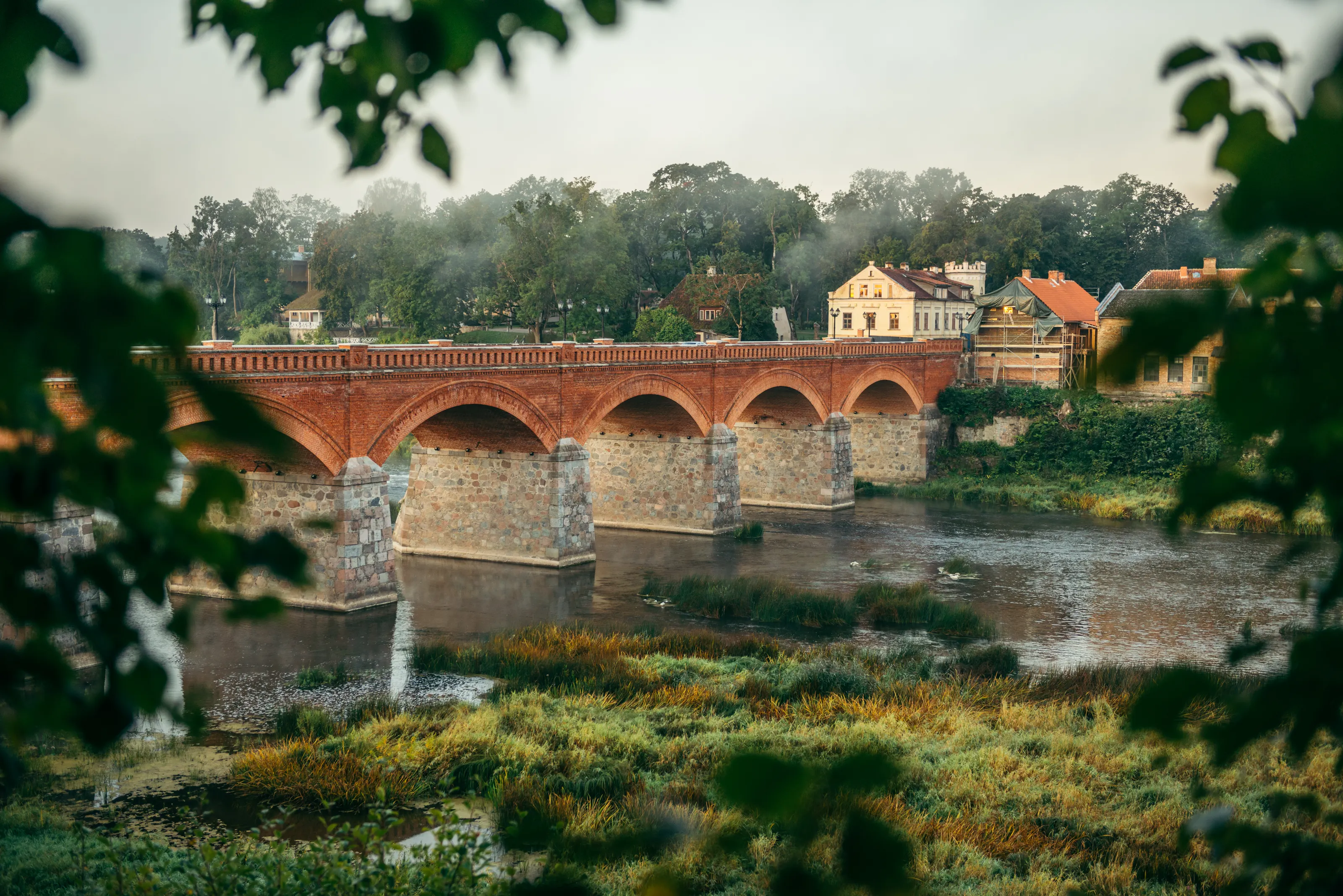
Kuldīga, the former capital of the Duchy of Courland, is called the "Venice of Latvia" for its red roofs and bridges, and has the widest waterfall ledge in Europe; it has been UNESCO-listed since 2023. Rundāle Palace lies about 67 km from Riga, and Daugavpils, the second city, is known for its 19th-century fortress.
Getting around
Trains, buses and boats from Riga
Trains and buses link Riga with the main towns, and Jūrmala has a train service. From May to September, boats run to Jūrmala from central Riga, slower and pricier than the train. For Kuldīga, the coast and the parks, a car makes things simpler.
In Riga the centre is walkable, and the airport is linked by bus in about half an hour. At the stations and in the Central Market, keep bags close: pickpocketing is reported there.
Before you go
Four well-marked seasons
| Region | Climate | Best time to visit |
|---|---|---|
| Riga | Winter around -6 °C with snow, summer around 19 °C, about 600 mm of rain a year | June to early September; December for the Christmas market |
| Jūrmala and the Baltic coast | Milder winters, sea around 17 °C in August | July and August |
| Gauja, Sigulda, Cēsis | Forests and valleys, snow in winter, winter sports at Sigulda | May to September; January and February for snow |
| Kuldīga and Courland | Temperate, milder winters in the west | May to September |
Latvia is in the EU, the Schengen area and the eurozone (since 2014). Summers are often warm and sunny with cool evenings, and winter cold spells can reach around -30 °C.
Food
Rye bread, grey peas and Black Balsam
Latvian cuisine comes from peasant tradition: pork, potatoes, rye, oats, peas, beets and cabbage. Dark rye bread (rupjmaize) is a must, as are grey peas (pelēkie zirņi) fried with bacon and served with kefir or sour cream. Sauerkraut and smoked fish are common too.
Dairy products play a big role, and the emblematic drink is Riga Black Balsam, a dark herbal liqueur best tried in small quantities.
Flying to Latvia
The Latvian airport SniperAir covers
Riga International (Riga)
The Baltics' busiest airport, about 10 km south-west of the centre: allow about half an hour by bus and roughly 15 minutes by taxi to the Old Town.
FAQ
Frequently asked questions about Latvia
What is the best airport to fly into for Latvia?
Riga International (RIX), tracked by SniperAir, is the country's main airport, about 10 km from the centre. It serves the Old Town by bus or taxi.
When is the best time to travel to Latvia?
June to early September, when temperatures are around 15 to 20 °C. December suits Riga's Christmas market, and winter is cold and snowy.
Is Latvia expensive?
No: prices are low to medium for Europe, with Riga costing more than the provinces, and cards work almost everywhere.
Do I need a visa for Latvia?
Latvia is part of Schengen: EU citizens need only an ID card or passport, and visa-exempt visitors can stay up to 90 days in 180.
How long should I spend in Latvia?
Two to three days for Riga alone, five to seven with Jūrmala, Sigulda, Rundāle and Kuldīga.
Can I visit Jūrmala from Riga?
Yes, it is an easy trip: Jūrmala is just west of Riga by train, and boats connect it with central Riga from May to September.
How do I get alerted when a flight to Latvia drops below my budget?
Create a SniperAir alert profile with your departure airport and Riga as your destination: we track prices for you and notify you the moment a deal matching your criteria appears.
Ready to track prices to Latvia?
Create an alert and let SniperAir do the rest.
Create my alert