Travel to Madagascar
Split from India about 90 million years ago, Madagascar kept its own wildlife: more than 90% of it exists nowhere else. Lemurs, giant baobabs, razor-edged limestone and a Nosy Be reef make it one of the world's most singular trips. Here is what to know before you book.
Why visit Madagascar
The planet's eighth continent
Wildlife you cannot see elsewhere
More than 100 lemur species, 300 birds and some 260 reptiles share the island, and over 90% of the wildlife and 80% of plants are endemic. Madagascar is one of the world's 17 megadiverse countries.
Baobabs and spiny forest
Nearly 15,000 plant species include ancient baobabs, the spiny forests of the south and more than 800 orchids. About 90% of the original forest has been lost since humans arrived.
Two UNESCO landscapes
Tsingy de Bemaraha is a raised limestone plateau of razor-sharp pinnacles, and six eastern national parks form the Rainforests of the Atsinanana.
Vanilla and spices
Madagascar supplies 80% of the world's natural vanilla and is the main source of cloves and ylang-ylang.
Madagascar in numbers
Capital
Antananarivo
Population
~30M
Area
~590,000 km²
Currency
Ariary
Language
Malagasy, French
UNESCO sites
3
Continent
Africa
Time zone
UTC+3
Airports covered
2
Getting around
Taxi-brousse, domestic flights and a slow pace
Madagascar Airlines flies to a number of towns and is much faster than driving on the poor roads, but do not book tight connections and reconfirm flight times the night before. Most Malagasy travel by taxi-brousse, a shared minibus that leaves when it is full. The three main modern roads are RN7 (Tana to Toliara), RN2 (Tana to Toamasina) and RN4 (Tana to Mahajanga), and trips between major towns take about a day.
In Antananarivo, taxi-be minibuses are the cheapest way around. Many roads are unpaved and impassable in the rainy season, so plan for delays.
Where to go
Highlands, eastern rainforest, western baobabs and the northern islands
Madagascar is 1,580 km long and travel is slow, so most visitors pick one or two regions rather than the whole island.
Antananarivo and the central highlands
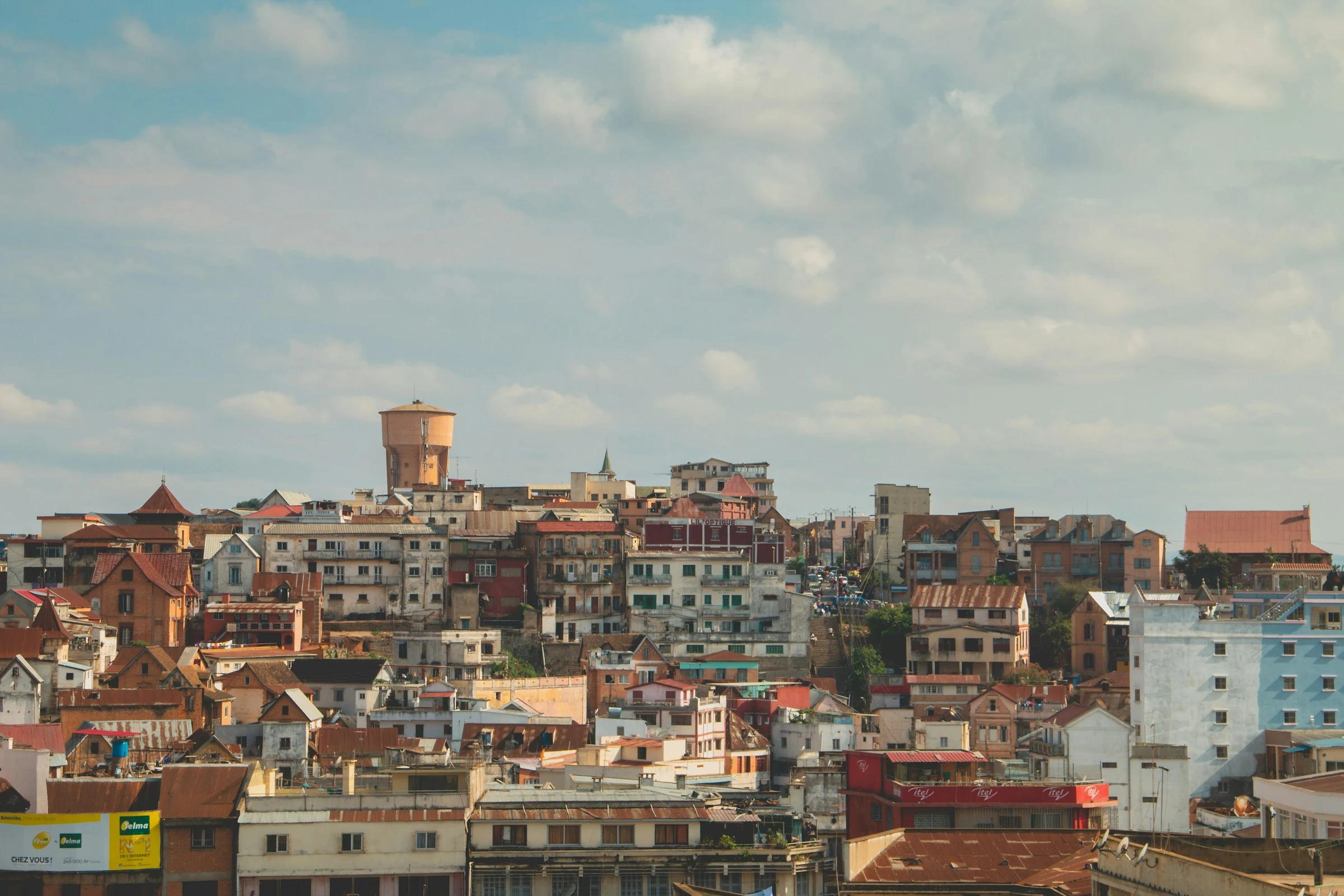
Tana, as locals call the capital, is the hub for most trips, with markets, the Tsimbazaza zoo and Merina royal sites. Antsirabe, a colonial spa town at about 1,500 m, is nicknamed the Vichy of Madagascar.
Andasibe, Ranomafana and the east
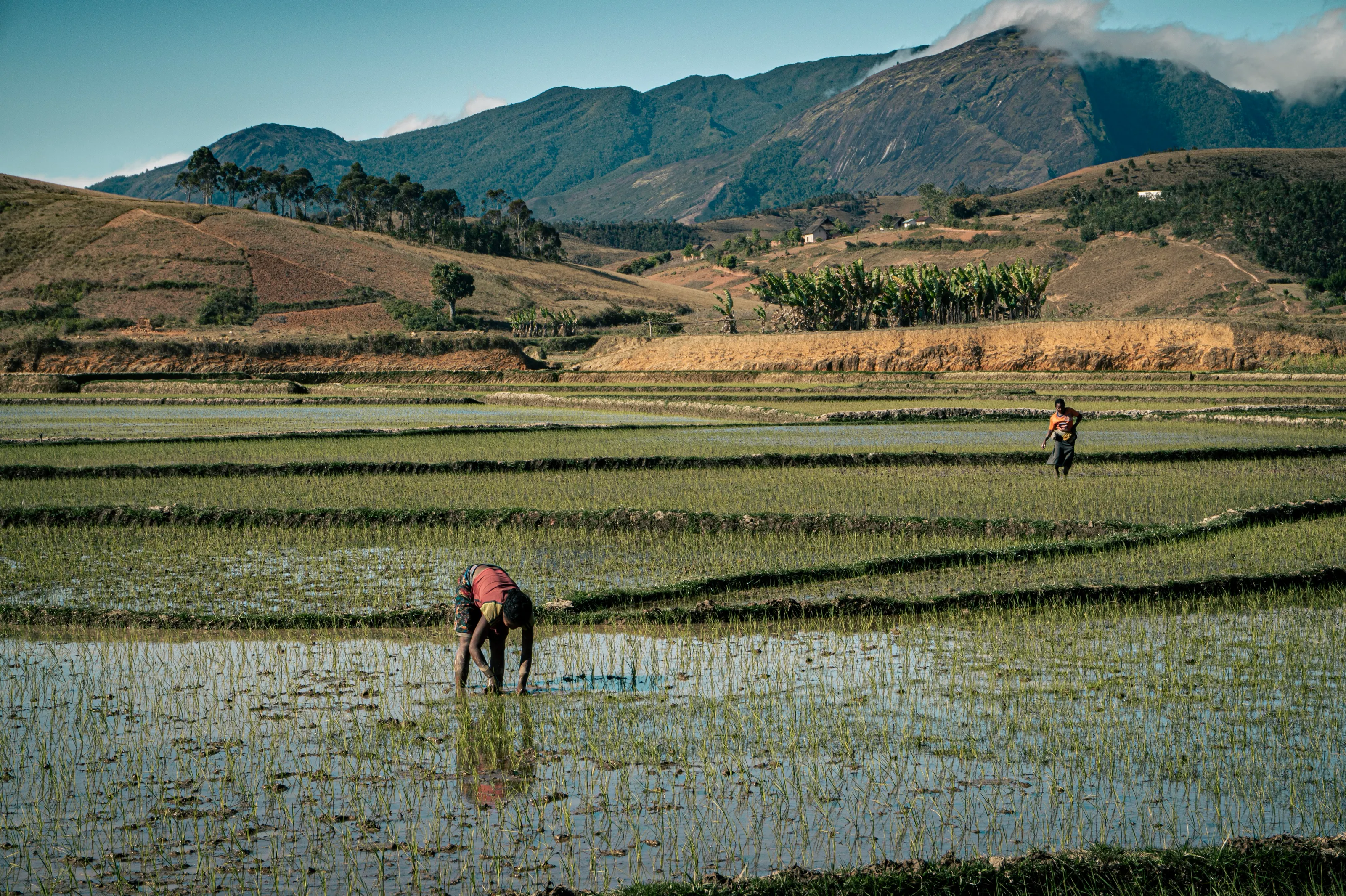
Andasibe-Mantadia National Park is a few hours from the capital on a paved road, the easiest place to see lemurs in rainforest. Ranomafana, Masoala and Andringitra are part of the UNESCO-listed Atsinanana rainforests.
Avenue of the Baobabs and the Tsingy
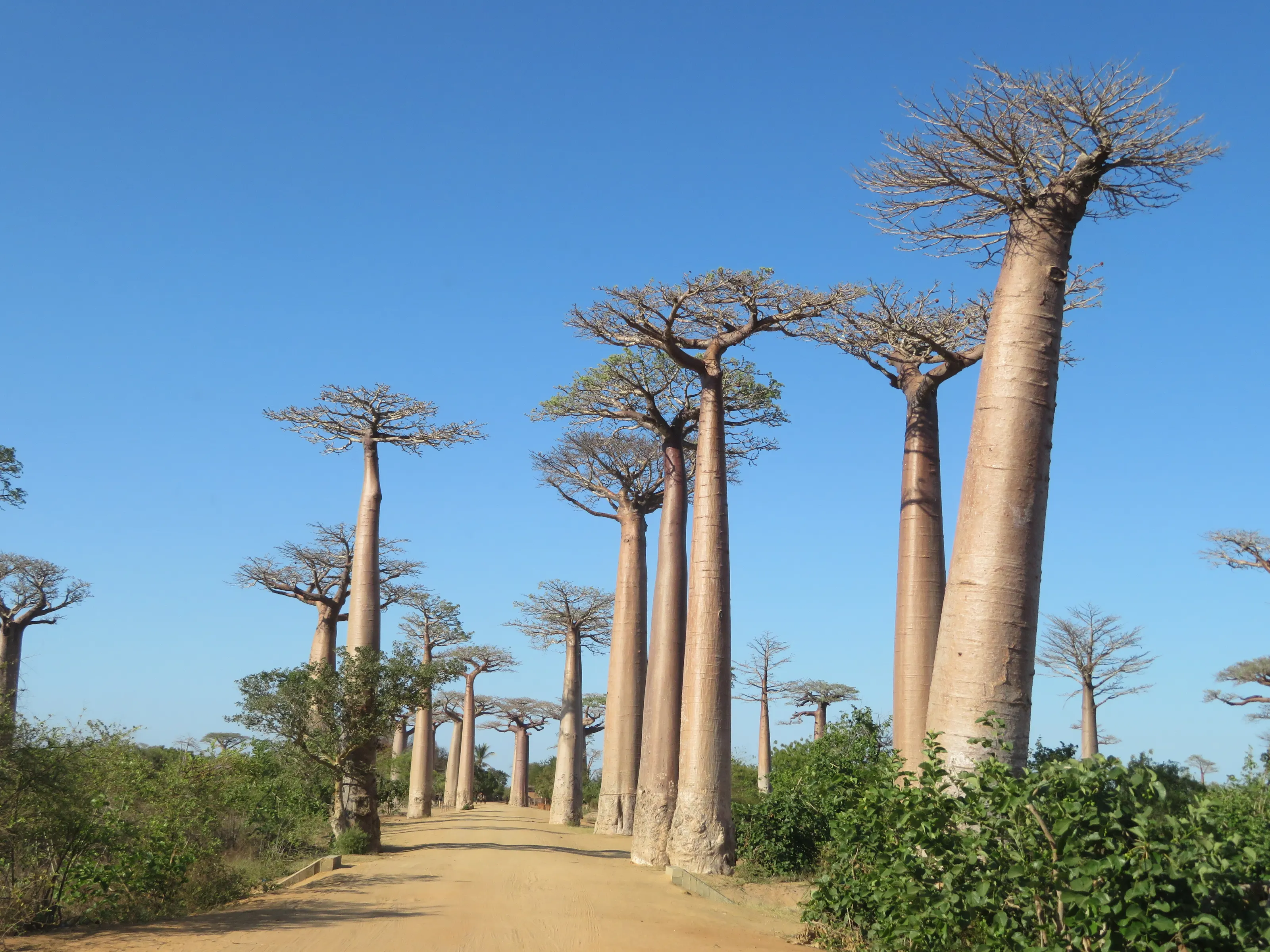
The Avenue of the Baobabs, 45 minutes north of Morondava, has giant Adansonia grandidieri over 800 years old and more than 30 m tall, and is a photographer's favourite at sunset. Tsingy de Bemaraha, Madagascar's largest reserve at 152,000 ha, is known as the Labyrinth of Stone and shelters Decken's sifaka, an all-white lemur.
Isalo and the south
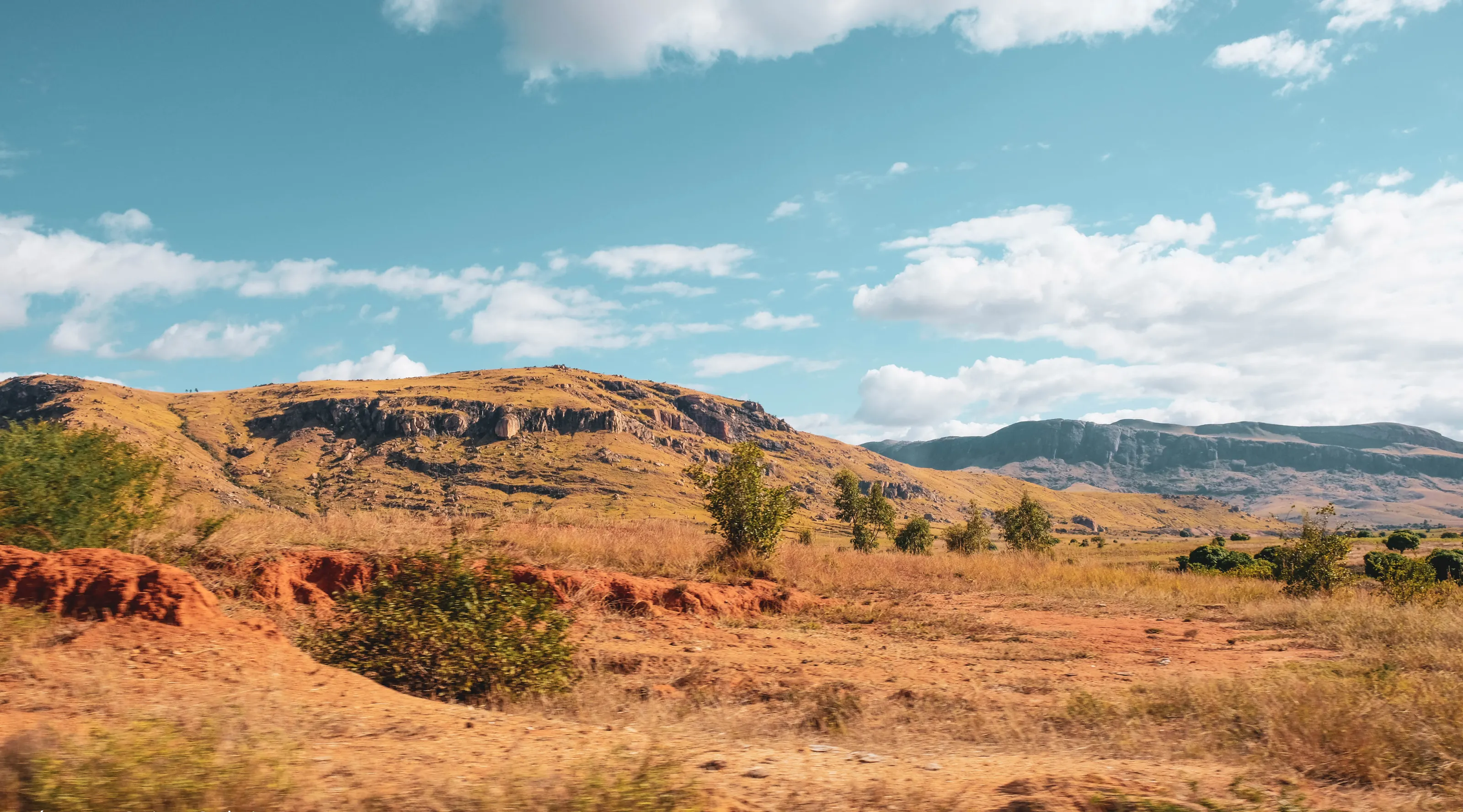
Isalo National Park, with canyons and eroded rock formations up to 1,304 m, is the south's classic hiking area on the RN7.
Nosy Be and the north
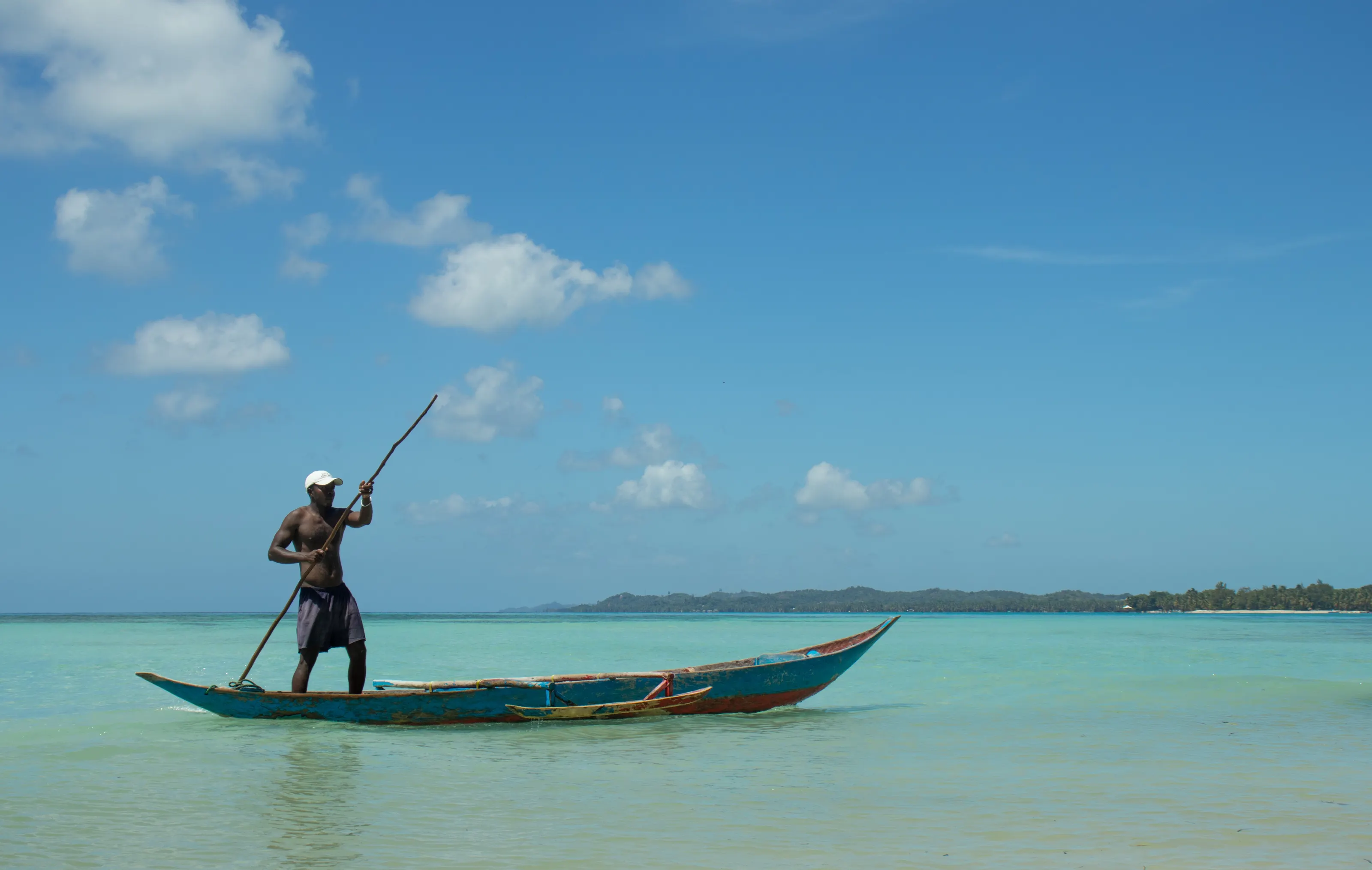
Scuba diving and snorkelling are exceptional around Nosy Be, with pristine coral at Nosy Tanikely, though reef condition varies elsewhere. Ile aux Nattes and Sainte-Marie are other beach options.
Before you go
When to visit Madagascar
| Region | Climate | Best time to visit |
|---|---|---|
| Central highlands (Antananarivo) | Temperate at altitude, chilly mornings in the dry season. Nearly all rain falls between November and April. | May to October |
| East coast and rainforest | Hot and very wet all year, with cyclones possible in the rainy season. | May to October, expect rain |
| West coast (Morondava, Tsingy) | Drier, savanna, with a clear dry season. Roads can become impassable in the rains. | May to October |
| South (Isalo) | Very dry, semi-desert, wide temperature swings. | May to October |
Madagascar has two seasons: hot and rainy from November to April, cooler and dry from May to October. The east coast is wet year-round.
Food and customs
Rice, romazava and fady
Rice comes with every meal. Vary amin'ny anana is rice with greens, romazava is a greens-and-beef broth and ravitoto is pounded cassava leaves with pork or zebu. On the coast look for coconut fish and lobster. Cheap meals are served at a hotely, a small local eatery.
Daily life is shaped by fady, local taboos that vary from region to region and can cover foods, clothing colours or bathing spots. Visitors on standard routes seldom run into them, but ask your guide.
Flying to Madagascar
Madagascar airports covered by SniperAir
Ivato International (Antananarivo)
The main international airport, 16 km northwest of the city centre (some sources say 20 km), and the hub of the national airline.
Nosy Be Fascene (Nosy Be)
International airport serving Madagascar's busiest beach island, about 15 km from Hell-Ville.
FAQ
Frequently asked questions about Madagascar
Which airport do I fly into for Madagascar?
Antananarivo-Ivato (TNR) is the main entry point and the best base for the highlands, Andasibe and the west. For northwest beaches, Nosy Be (NOS) saves a domestic flight.
When is the best time to visit Madagascar?
The dry season, May to October, is best for parks, hiking and roads. From November to April, rain and cyclones can disrupt travel.
Is Madagascar expensive?
On the ground taxi-brousse and local eateries are very cheap, while domestic flights cost much more. The biggest budget item is usually the international flight, so watch prices.
Do I need a visa for Madagascar?
A visa is required: most visitors can get one on arrival and an e-visa is available. Your passport should be valid for at least six months beyond your return. Check current rules and your government's official travel advice before booking.
How long should I stay in Madagascar?
Two to three weeks lets you combine the highlands, a park and the coast. With slow roads, fewer stops work better.
What precautions should I take?
Avoid walking around at night, do not display valuables and watch your belongings on public transport and in markets. See a doctor or travel clinic about vaccines and malaria prevention.
How do I get alerted when flights to Madagascar drop in price?
Create a SniperAir alert profile with your departure airport and Antananarivo or Nosy Be as the destination. We track prices and notify you when an opportunity matches. See how it works.
Ready to track prices to Madagascar?
Create an alert and let SniperAir do the rest.
Create my alert