
Travel to Anguilla: cheap flights to the Caribbean's white-sand island
Long beaches of powder-white sand, sea in every shade of turquoise, offshore cays a short boat ride away and beach shacks that serve some of the best food in the Caribbean: Anguilla is a small, low island that does the simple things very well. Here is what you need to plan the trip, then start watching cheap flights to Anguilla.
Anguilla at a glance
Capital
The Valley
Status
British Overseas Territory
Area
A little under 100 km2
Currency
East Caribbean dollar
Language
English
Driving
On the left
Continent
North America
Time zone
UTC-4
Airports covered
1
Why visit Anguilla
Powder-white sand, clear water, cays and great food
Beaches that never feel busy
Long ribbons of soft pale sand, water of clear turquoise and, on the west coast, often calm seas. You can spend a day on the sand without hunting for shade or space.
Cays within reach
Scrub Island, Dog Island, Prickly Pear and Sandy Island are a short boat ride away: a strip of empty beach, a fringing reef and some of the best snorkelling around.
A serious food scene
The tourist board calls Anguilla the culinary capital of the Caribbean: lobster, conch, grilled fish, rum and beach-bar cooking, from sand-floor shacks to white-tablecloth dining.
A slow pace
Little traffic, no big malls: Anguilla is about swims, sunsets and small markets. It is made for a quiet escape as a couple or with the family.
Places to see
Sandy Ground, Meads Bay, Maundays Bay and the cays
The island is roughly 26 km long and a few kilometres wide, so you can drive end to end in half an hour. The skill is choosing a beach. Here is a quick tour, from the sailboat bay to the offshore cays.
Sandy Ground, the sailboat bay
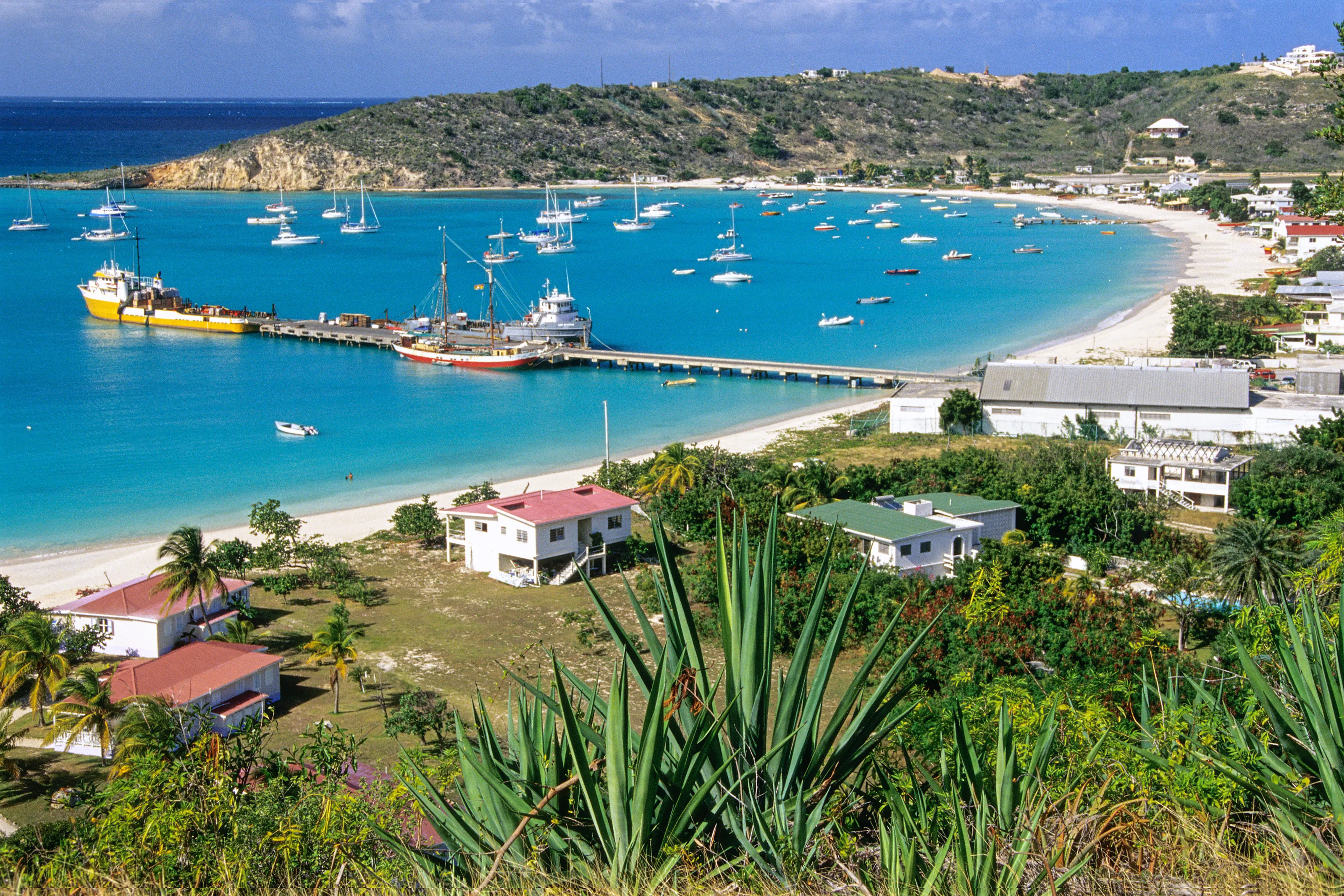
On the west coast, Sandy Ground curves in a white-sand arc around a small harbour. Anchored sailboats, a wooden jetty, beach bars and restaurants with their feet in the sand make it the liveliest place in the evening, with live music on some nights. Boats to the cays also leave from here.
Beaches: Shoal Bay, Meads Bay, Rendezvous Bay
Anguilla has dozens of beaches. Rendezvous Bay on the south-west faces Saint Martin across a very long strip of sand. Shoal Bay on the east side is known for very pale sand and a reef close to the shore; Meads Bay and Barnes Bay on the west coast line up hotels and villas behind soft sand. Each has its own personality, so try several.
Maundays Bay and the west coast
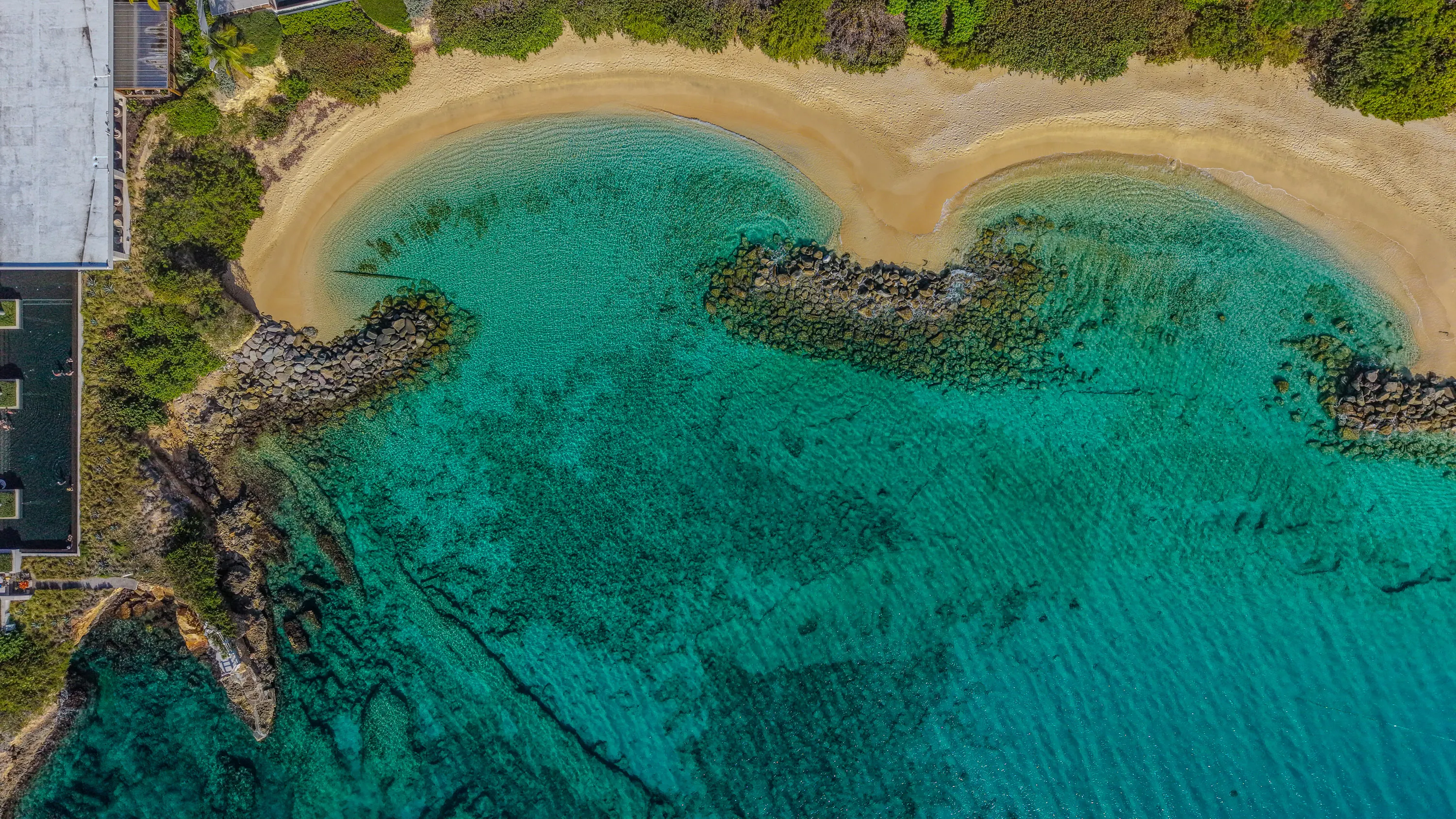
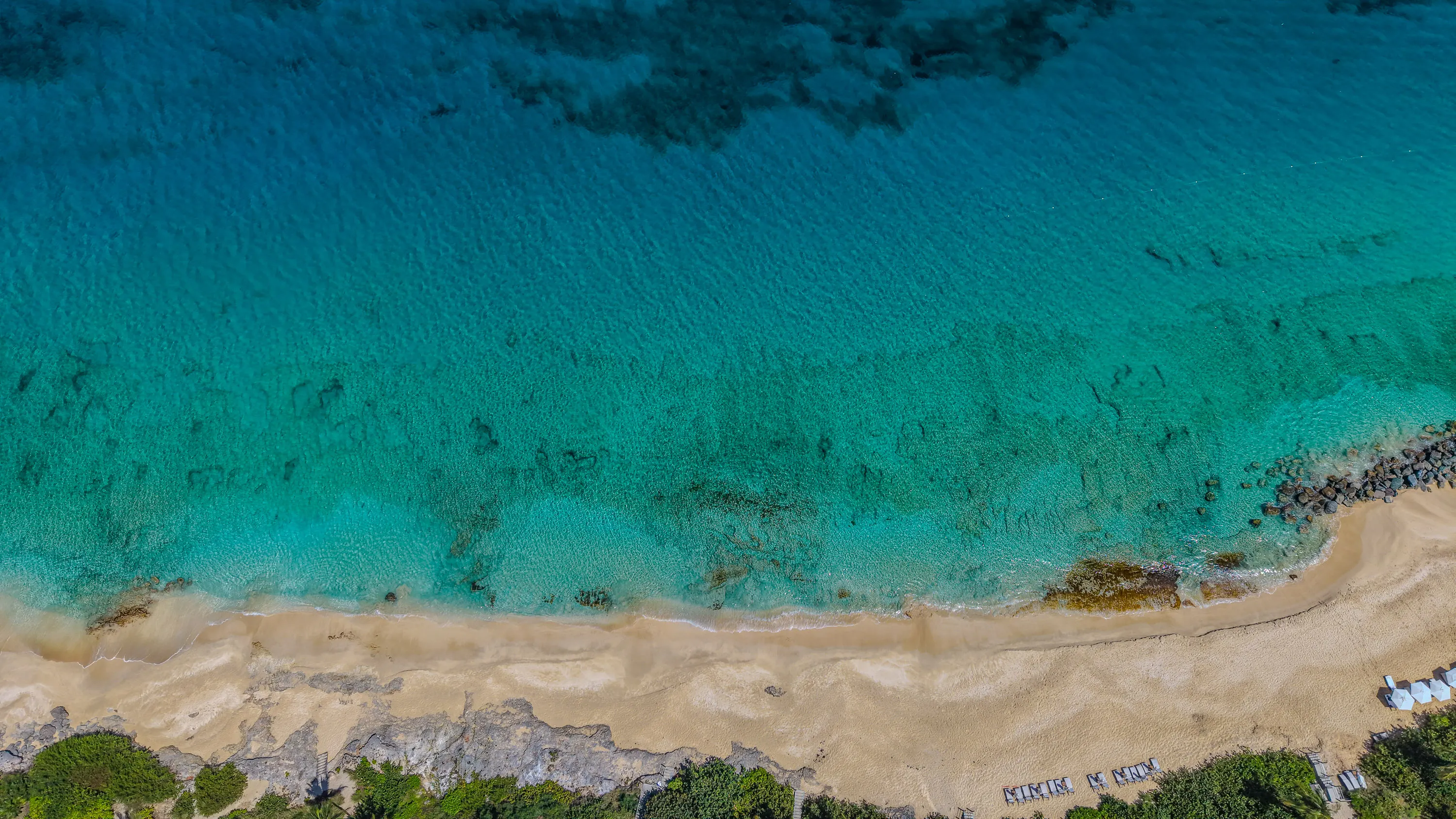
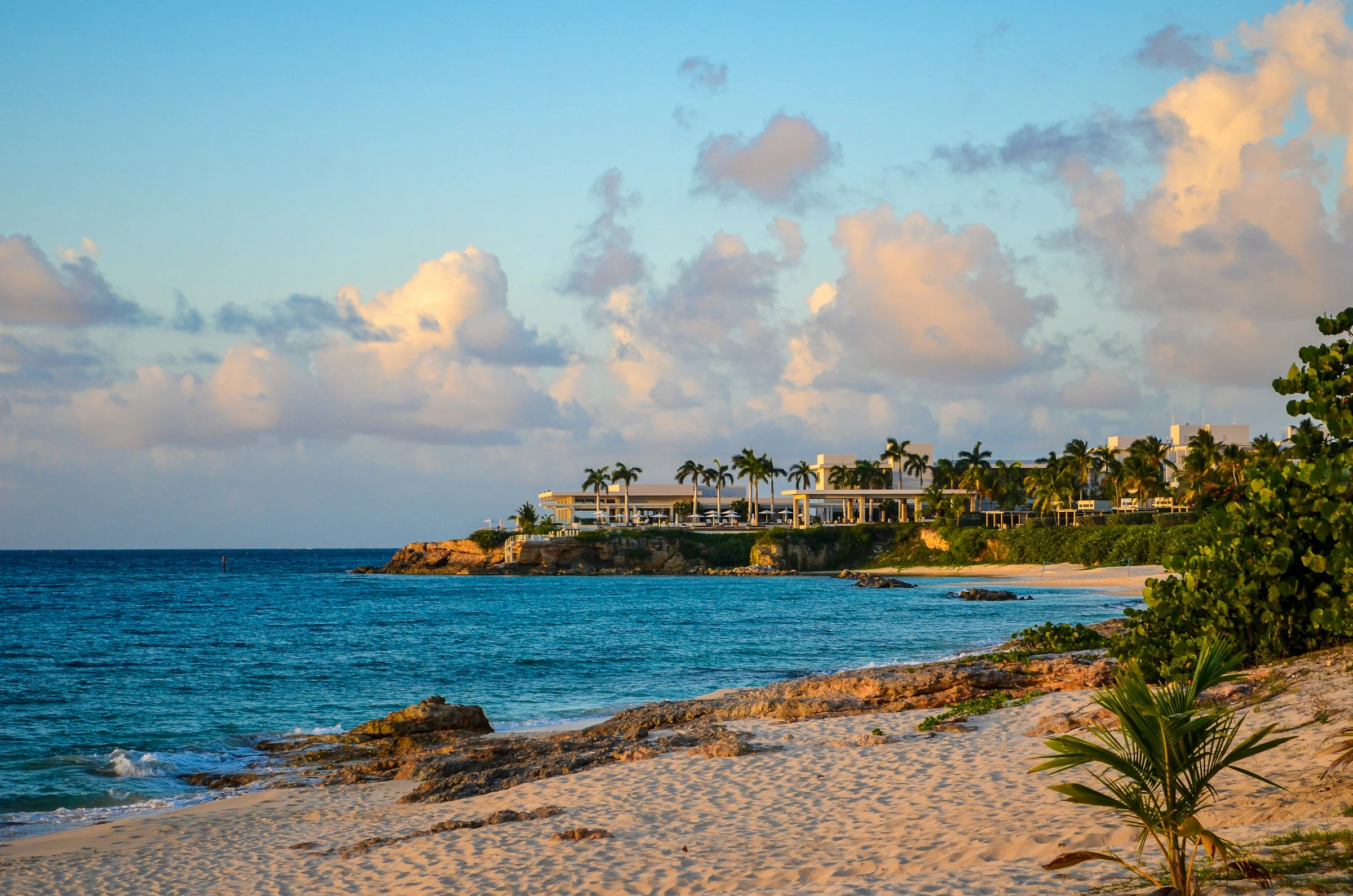
Maundays Bay is a broad crescent of white sand sheltered by a headland, with upscale hotels set back from the beach. Further north, the west coast strings together coves and rocky points; a few minutes by car brings you to beaches that are almost empty on weekdays.
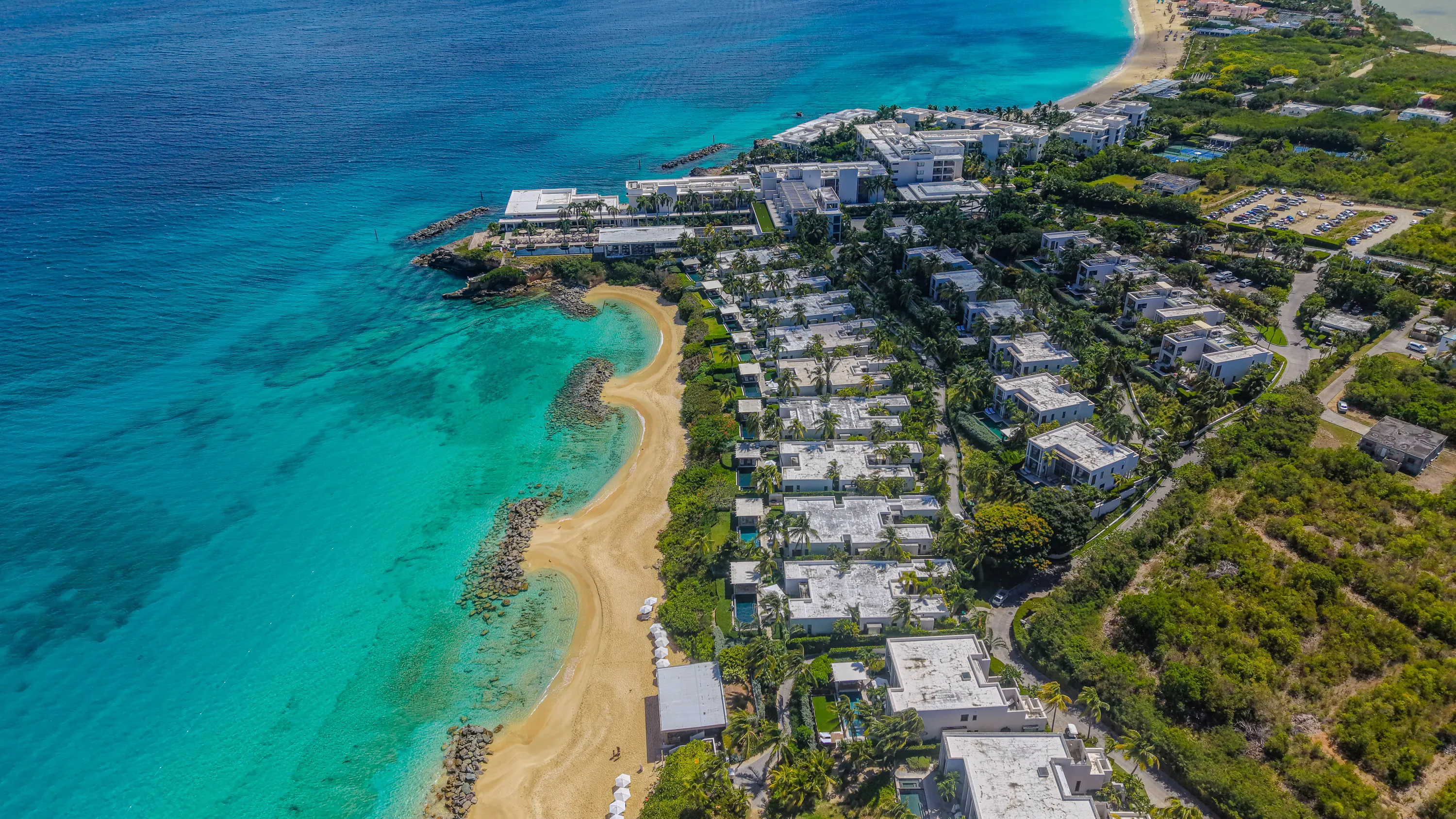
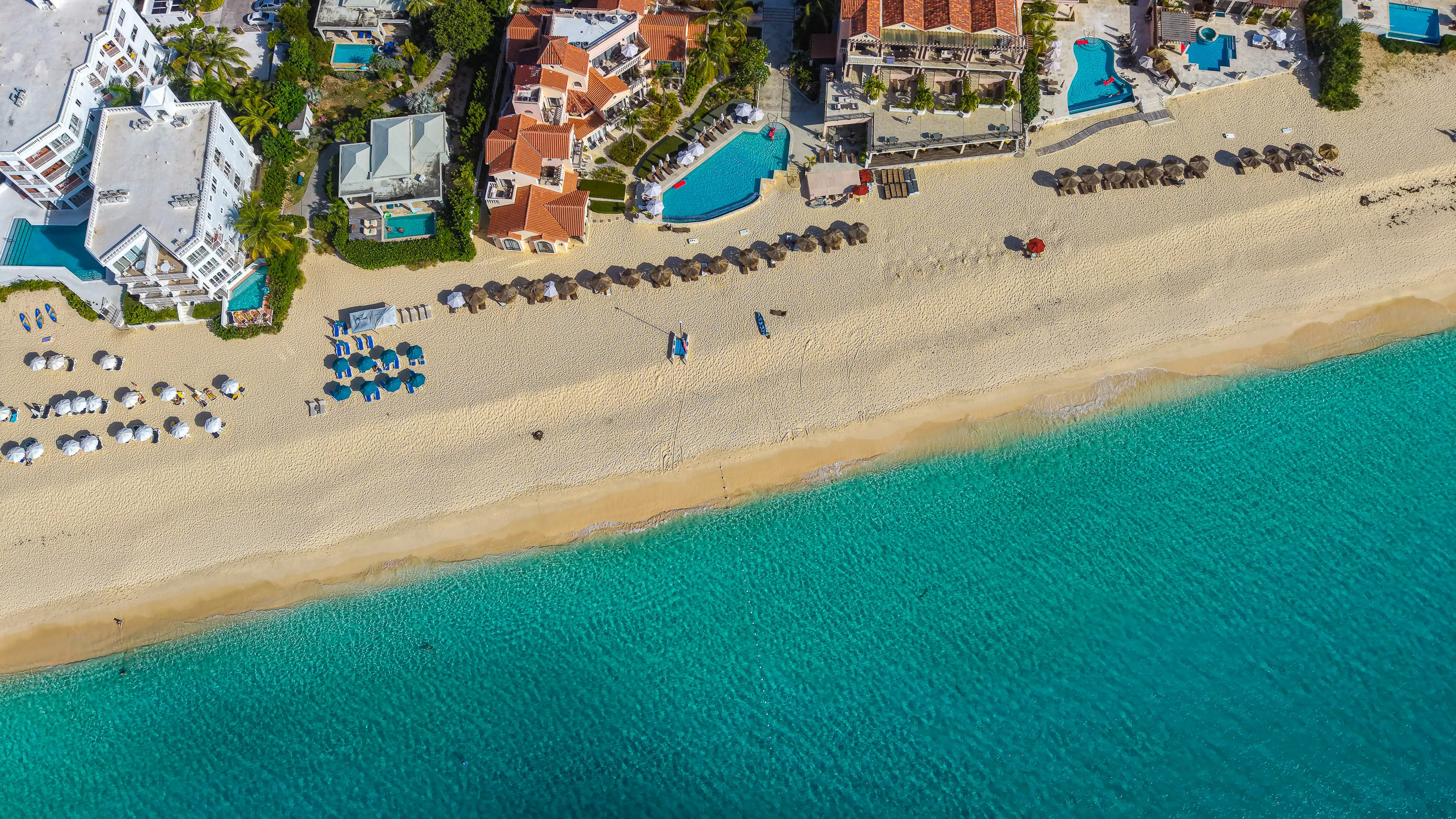
Scrub Island, Dog Island, Prickly Pear and Sandy Island
The cays are half-day escapes by boat: snorkelling on the reef, a picnic on a beach with no road, a grilled-fish lunch on Sandy Island or Prickly Pear. Trips are booked through hotels or local operators and are best done in calm seas.
The Valley and the interior
The capital, The Valley, is modest: a few streets, small shops, a church and government buildings around Crocus Hill, the island's high point. Nearby salt ponds and wetlands add another side to the coastline, handy for a break between beaches.
Before you go
Warm all year, with a drier, brighter winter
| Area | Climate | Best time |
|---|---|---|
| West-coast beaches (Meads Bay, Maundays Bay) | Steady trade winds, often calm seas, sun all year. | December to April |
| Sandy Ground and the south coast | Livelier, calm water in the bay, boats leave from here. | December to April, then May |
| Shoal Bay and the east coast | More exposed to wind; lively sea in swell. | December to April |
| Offshore cays | Day trips, best in calm seas. | December to April |
Temperatures change little through the year: summer is hotter and more humid, winter slightly cooler and drier. The Atlantic hurricane season runs from June to November, so check forecasts, keep your dates flexible and consider travel insurance. Anguilla sets its own entry rules: check the official conditions for your nationality.
Getting around
Rental cars, taxis and the ferry from Saint Martin
There is no public transport apart from taxis. A rental car is the freest way to hop between beaches, and traffic drives on the left. Without a car, taxis and hotel shuttles do the job; fares are not easy to haggle, so check before you go.
A ferry links Marigot, on the French side of Saint Martin, to Blowing Point in Anguilla in about twenty minutes. Many travellers connect through neighbouring Saint Martin first, or arrive on a small regional flight from Puerto Rico or other Caribbean islands.
Food and culture
Lobster, conch, rum and boat races
Anguillian cooking blends Caribbean, West African, Spanish, French and English influences. Expect spiny lobster, conch, mahi-mahi, snapper, grouper, salt fish and goat; the national dish is pigeon peas and rice. Food events punctuate the year, including a culinary festival in spring.
Local culture shows up in music, village festivals and traditional sailing-boat races held in the bays. The island's story, from its 1967 break with Saint Kitts and Nevis to its present status as a British Overseas Territory, still comes up in conversation with locals.
Travel to Anguilla
The Anguilla airport covered by SniperAir
Clayton J. Lloyd International
In Anguilla, just south of The Valley: about ten minutes by road from the capital, a little longer to the west-coast beaches. Services are mostly regional, so many travellers connect through Saint Martin, Puerto Rico or Antigua.
FAQ
Frequently asked questions about Anguilla
Which airport should I use to travel to Anguilla?
AXA, Clayton J. Lloyd International. SniperAir tracks AXA for you. Flights there are often regional, so many people connect, or fly to Saint Martin and take the ferry.
When is the best time to travel to Anguilla?
December to April is warm and dry. The hurricane season runs from June to November, so keep your dates flexible and consider travel insurance. May and November are quieter.
Is Anguilla expensive?
Anguilla is rather upmarket, with many luxury hotels. You can balance it with simpler lodging, meals at beach bars and days on beautiful free beaches. Watching flights ahead of time helps keep the budget under control.
Do I need a visa for Anguilla?
The territory has its own entry rules, which depend on your nationality. A valid passport is expected. Always check the official conditions before booking your trip.
How long should I spend in Anguilla?
Four to seven nights is enough for beaches, food and a boat trip to a cay. You can add a few days on neighbouring Saint Martin.
Which currency is used in Anguilla?
The East Caribbean dollar is the local currency, and US dollars are widely accepted. Cards work in hotels and restaurants; keep a little cash for small places.
How do I get alerted when a flight to Anguilla drops below my budget?
Create a SniperAir alert with your departure airport and AXA, set your maximum price, and we notify you as soon as a fare falls below it. SniperAir tracks prices and sends alerts. See how it works.
Ready to track prices to Anguilla?
Create an alert and let SniperAir do the rest.
Create my alert