
Travel to North Macedonia
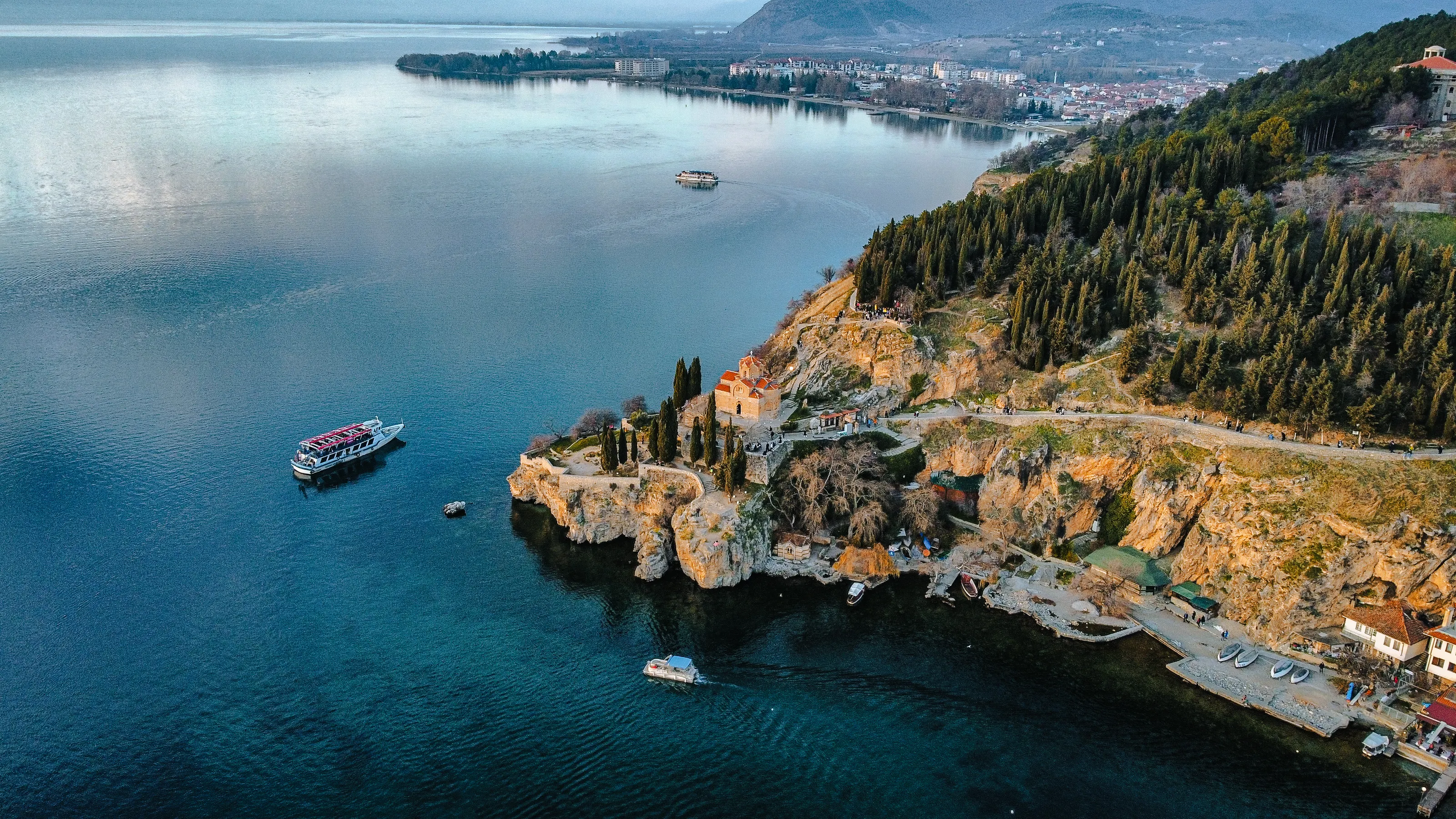
Lake Ohrid, one of the oldest lakes on Earth, a capital rebuilt after the 1963 earthquake yet still ringed by Ottoman bazaar lanes, lakeside monasteries and mountains where lynx still roam: North Macedonia is compact, inexpensive and full of surprises. Here is what to know before you travel to North Macedonia and look for cheap flights to Skopje.
North Macedonia in numbers
Capital
Skopje
Population
~1.8M
Area
~25,700 km²
Currency
Macedonian denar
Language
Macedonian
UNESCO sites
1
Continent
Europe
Time zone
UTC+1
Airports covered
1
Why visit North Macedonia
Ancient lakes, an Ottoman bazaar and mountains on a budget
Lake Ohrid, among the oldest lakes in the world
About 349 km2, 288 m deep and home to at least 212 endemic species. The lake and the town of Ohrid share a UNESCO listing, and Byzantine churches and St Naum monastery sit on its shores.
Skopje, rebuilt yet Ottoman
The 1963 earthquake destroyed around 80% of the city, rebuilt to plans by Polish planner Adolf Ciborowski. The Old Bazaar and the Stone Bridge over the Vardar survived.
Three national parks
Mavrovo has Balkan lynx, Galičica rises above Lake Ohrid, and Pelister is home to the endemic Macedonian pine. Golem Korab, at 2,764 m, is the country's highest point.
A mosaic of towns and monasteries
Bitola feels the most European, Tetovo has a painted mosque, Kratovo sits in a volcanic crater, Kruševo in the mountains, and St Jovan Bigorski and St Naum are active monasteries.
Highlights
Skopje, Ohrid, Bitola and the national parks
Skopje needs two days, but Ohrid, Bitola and a national park are what make a trip, all reachable by bus.
Skopje, between bazaar and rebuilding
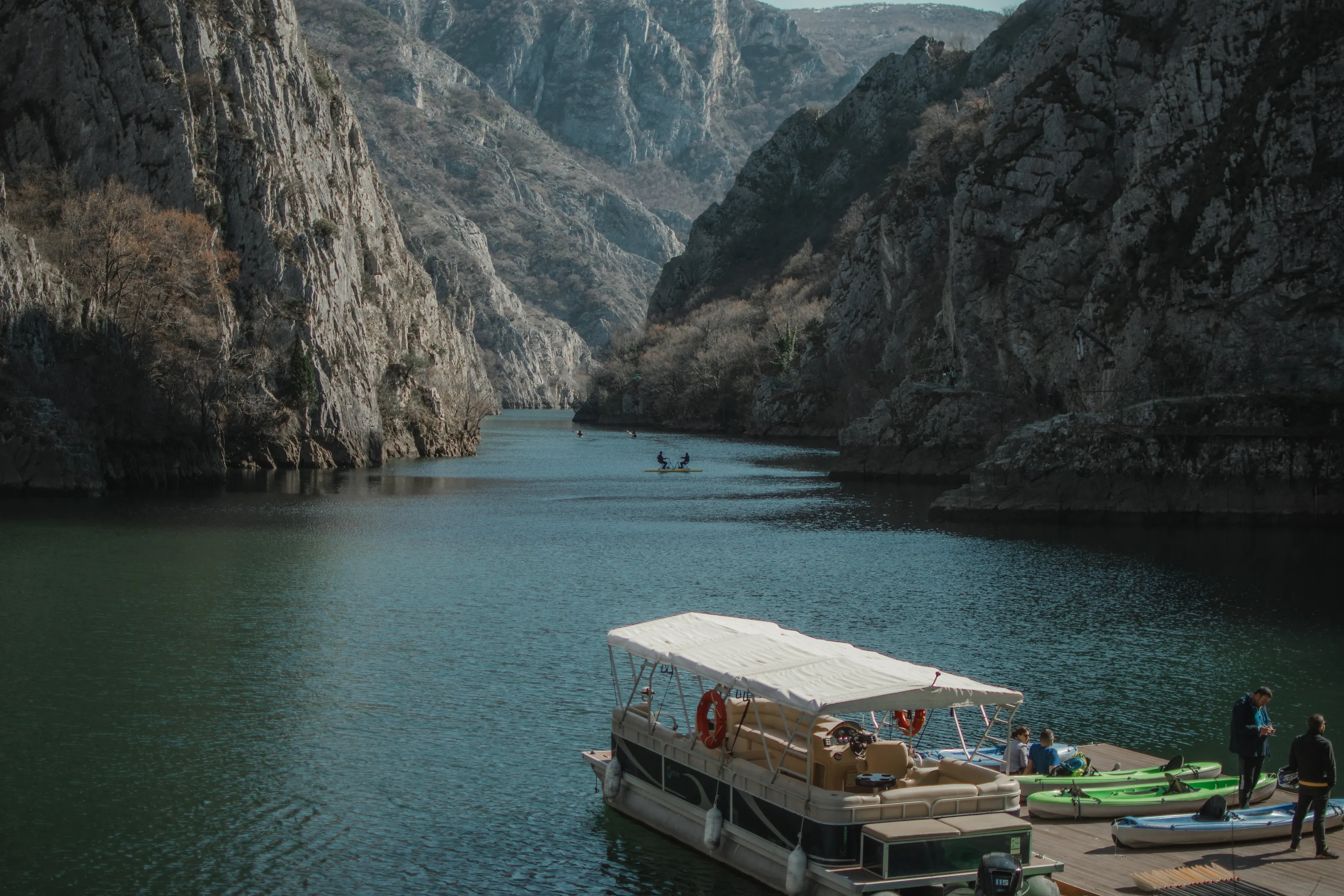
The Ottoman Old Bazaar is the old heart, with the Stone Bridge across the Vardar and the fortress above. In the central square, recent monuments tell another story, of a capital rebuilt after 1963. Vodno mountain (1,066 m) has a cable car with views over the city, and Matka Canyon is a short ride away for hiking, caves and kayaking.
Ohrid and its lake
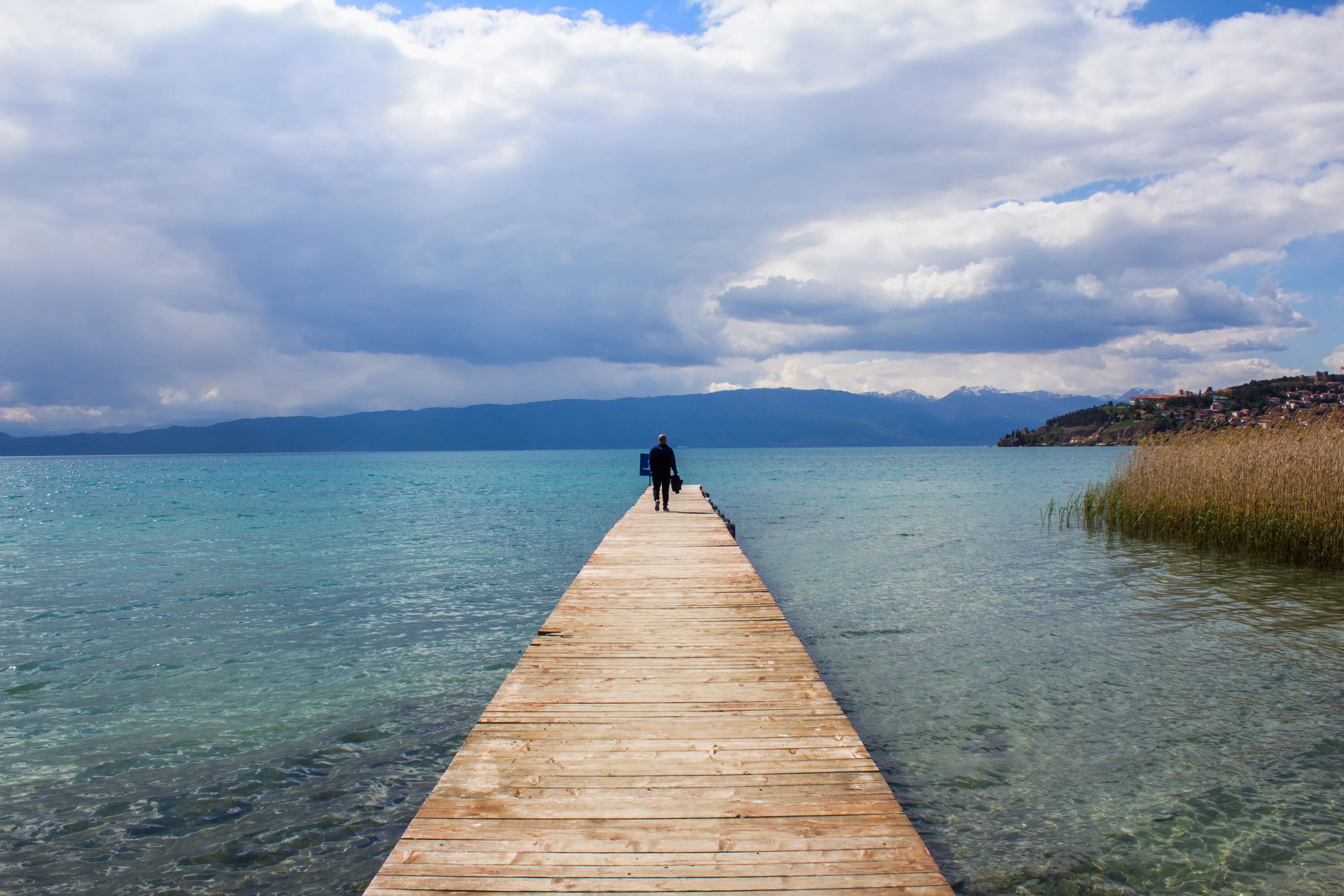
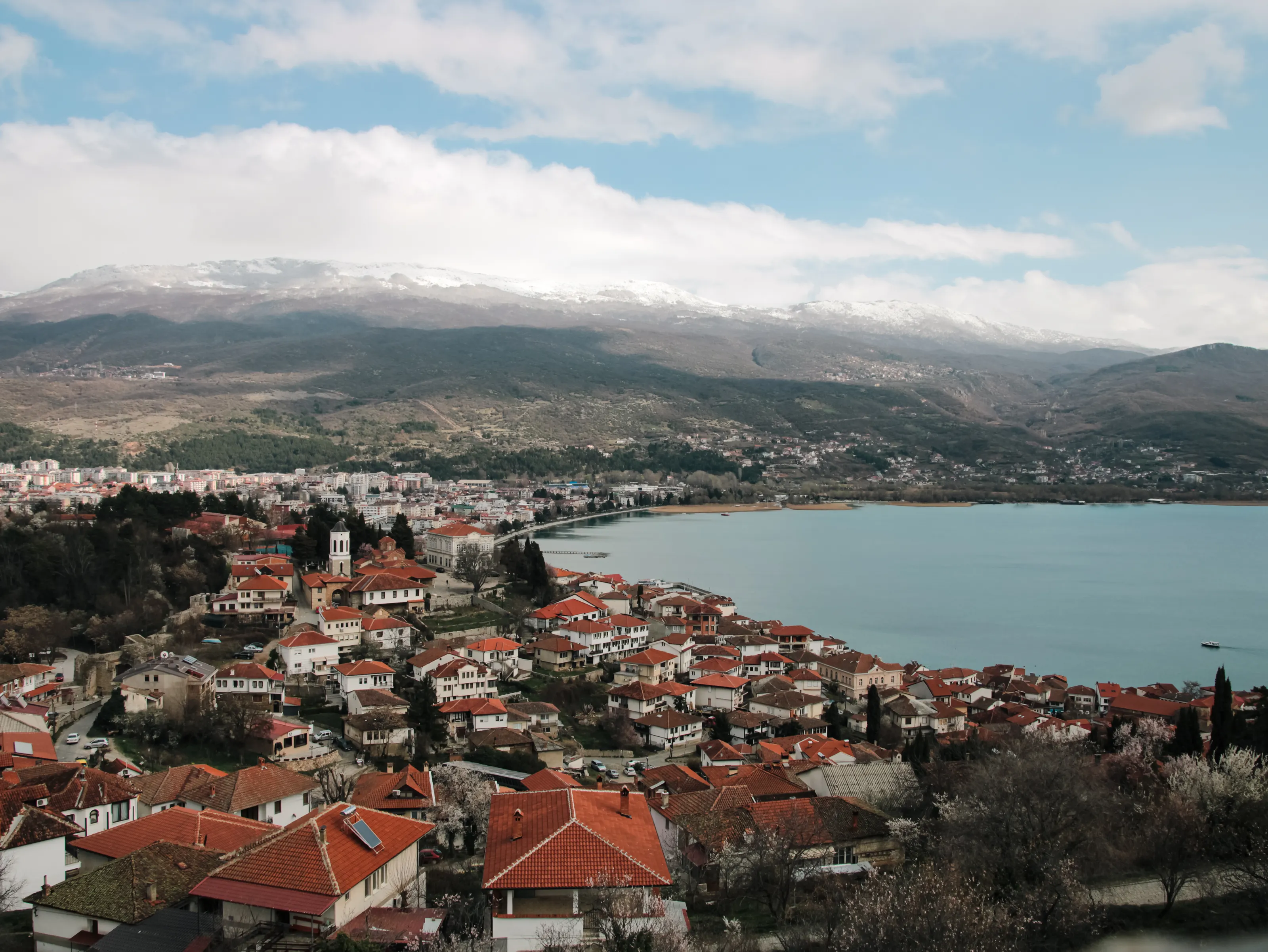
Ohrid's old town slopes down to a clear lake where people swim in summer. Byzantine churches dot the town, and St Naum monastery stands on the lake's shores. This is also the place to eat Ohrid trout.
Bitola, Pelister and Prilep
Bitola has a pedestrian promenade, Ottoman monuments and the ancient ruins of Heraclea. Pelister National Park is just next door, and Prilep is another stop in the south.
Mavrovo, Tetovo and the mountains
Mavrovo, the largest national park, holds St Jovan Bigorski monastery and ski slopes in winter. Tetovo in the west is known for its painted mosque, and Kruševo, high in the hills, is a museum town.
Getting around
Buses first, trains a distant second
Buses are the usual way of getting around: frequent but often slow, with ageing vehicles. Trains run on only four routes, slowly, and none reach Ohrid or cross a border. Agree on a taxi fare in advance, especially in Ohrid in summer when prices rise.
Roads can be narrow and poorly maintained, and drivers need a Green Card. Skopje and Ohrid are around 170 km apart.
Before you go
Four regions, four ways to travel
| Region | Climate | Best time |
|---|---|---|
| Skopje and the Vardar valley | Hot dry summers (about 24 °C in July-August), winters around 0 °C, roughly 2,700 hours of sunshine a year | May-June and September-October |
| Ohrid and Prespa | Lake-tempered climate, hot summers, crowds in July and August | June and September for swimming, outside the peak |
| Mavrovo and Galičica | Cold snowy winters, cool mountain summers | December to March for skiing, June to September for hiking |
| Bitola and Pelister | Continental, cold snowy winters, dry summers | May to October |
EU and Schengen citizens can enter with an ID card or passport, and many nationalities are visa-free for up to 90 days. The currency is the denar: many prices are quoted in euros, but you pay in denars.
To combine several countries, see also Albania, Bulgaria, Greece and Serbia. Before booking, check your government's official travel advice.
Food and drink
Tavče gravče, ajvar and rakija
The national dish is tavče gravče: beans baked in a clay dish and seasoned with paprika. The table also offers skara (grilled meat), ajvar (roasted pepper spread), shopska salad, tarator, burek and turli tava, a vegetable stew. In Ohrid, order the lake's trout.
Rakija is the national spirit; there is also mastika, and red wines such as Vranec from the Tikveš region. Skopsko is the best-known local beer.
Flying to North Macedonia
The North Macedonian airport tracked by SniperAir
Skopje International (Skopje)
At Petrovec, about 20 km from the city centre; Wizz Air has a base here and carries most of the traffic, with more than 3 million passengers in 2025. Be wary of unofficial taxis on arrival.
FAQ
Frequently asked questions about North Macedonia
Which airport should I fly into for North Macedonia?
Skopje International (SKP), tracked by SniperAir, about 20 km from the centre. Ohrid also has a seasonal airport roughly 170 km from Skopje, which is not among our covered airports.
When is the best time to visit North Macedonia?
May-June and September-October for the cities, the lake and hiking. July and August are peak season, and December to March suits skiing at Mavrovo.
Is North Macedonia an expensive destination?
It is generally inexpensive compared with Western Europe. Cards are widely accepted, but some ATMs charge a fee, so use official exchange offices rather than the street.
Do I need a visa for North Macedonia?
EU citizens enter with an ID card or passport, and many nationalities are visa-free for up to 90 days. Your accommodation registers your details with the police.
How long should I stay in North Macedonia?
Two days for Skopje, three to four with Ohrid, and a week to add Bitola, the monasteries and a national park.
Can I visit Ohrid from Skopje?
Yes, by bus, a ride of about 170 km, though staying at least one night is better. There is no train to Ohrid.
How can I be alerted when a flight to North Macedonia drops below my budget?
Create a SniperAir alert profile with your departure airport and Skopje as the destination: we watch prices for you and notify you as soon as a deal matching your criteria is detected.
Ready to track prices to North Macedonia?
Create an alert and let SniperAir do the rest.
Create my alert