
Travel to Estonia
A near-intact Hanseatic old town, forests covering more than half the country, bogs, islands and a language close to Finnish: Estonia is the most Nordic of the Baltic states and one of the easiest to explore in a few days. This guide covers what to know before you travel to Estonia and how to catch cheap flights to Tallinn.
Estonia in numbers
Capital
Tallinn
Population
~1.4 M
Area
45,335 km²
Currency
Euro
Language
Estonian
UNESCO sites
2
Continent
Europe
Time zone
UTC+2
Airports covered
1
Why visit Estonia
A Nordic-feeling country of forests and medieval towns
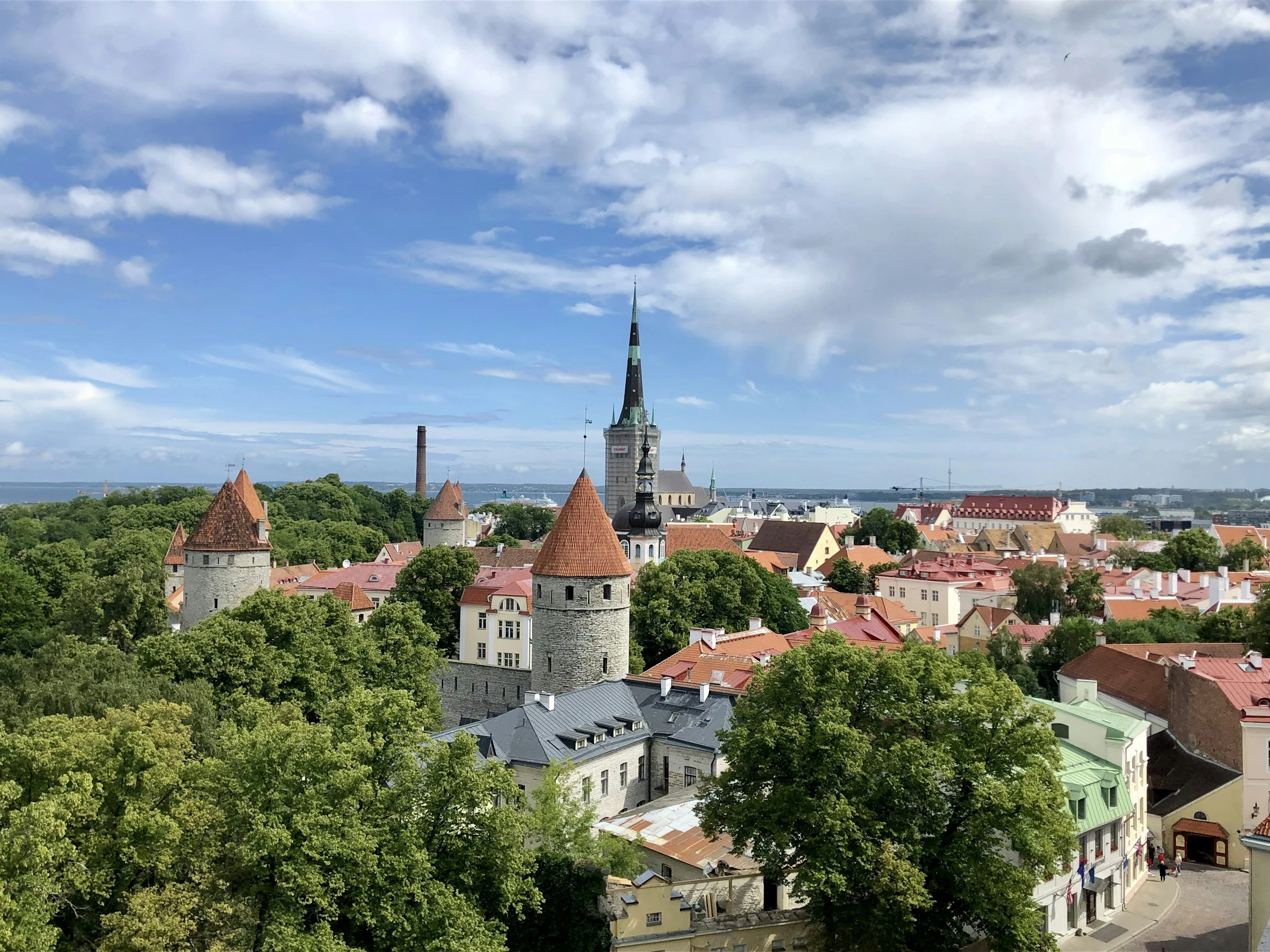
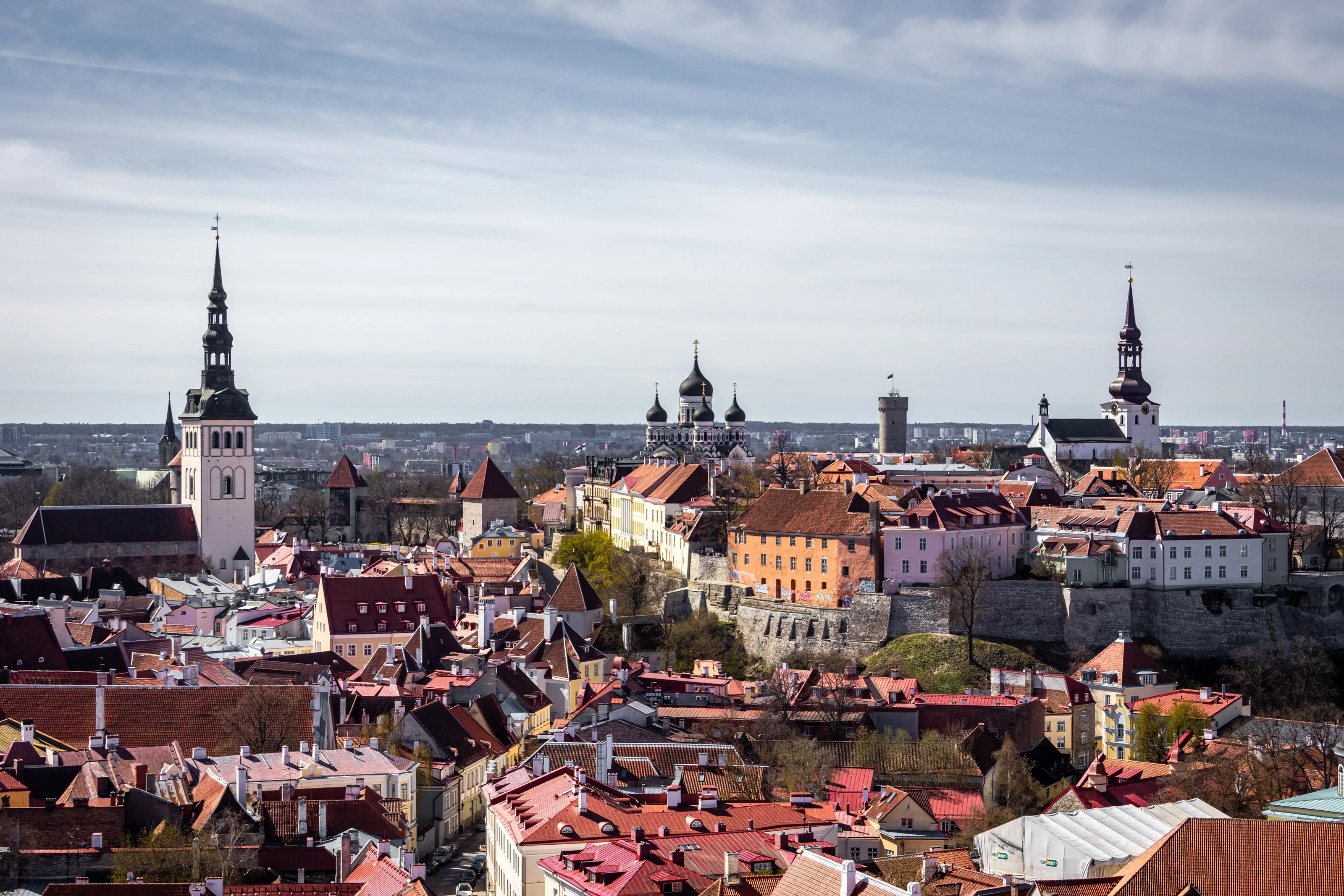
Tallinn's UNESCO-listed Old Town
Inscribed in 1997, Tallinn's historic centre is one of Europe's best-preserved medieval cities, with its walls and towers almost completely intact, a legacy of the Hanseatic League.
A revolution sung, not fought
Between 1988 and 1991 Estonia regained independence without violence, through mass singing gatherings. The Song Festival, held every five years in July in Tallinn, is on UNESCO's intangible heritage list.
Forest, bogs and over 2,300 islands
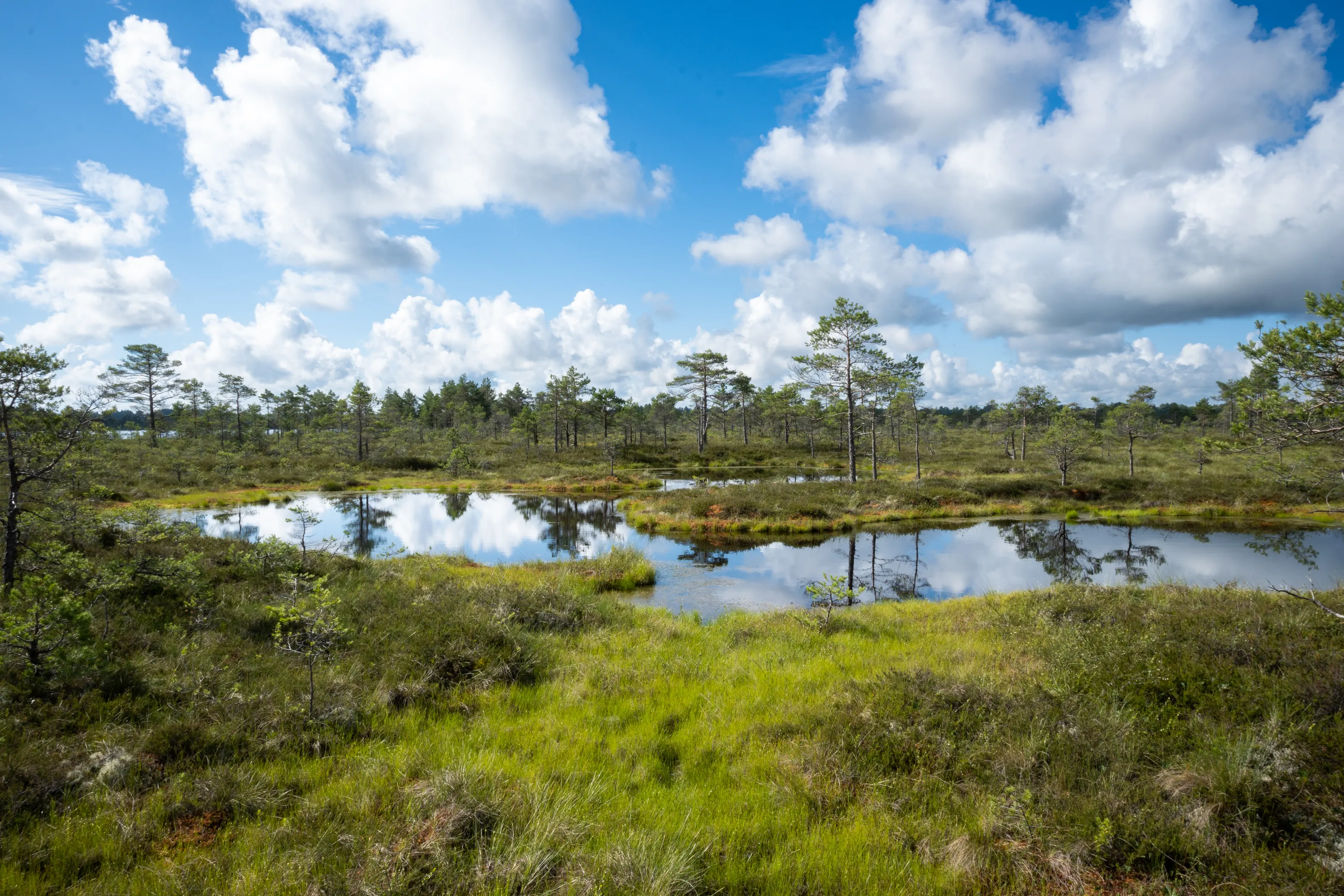
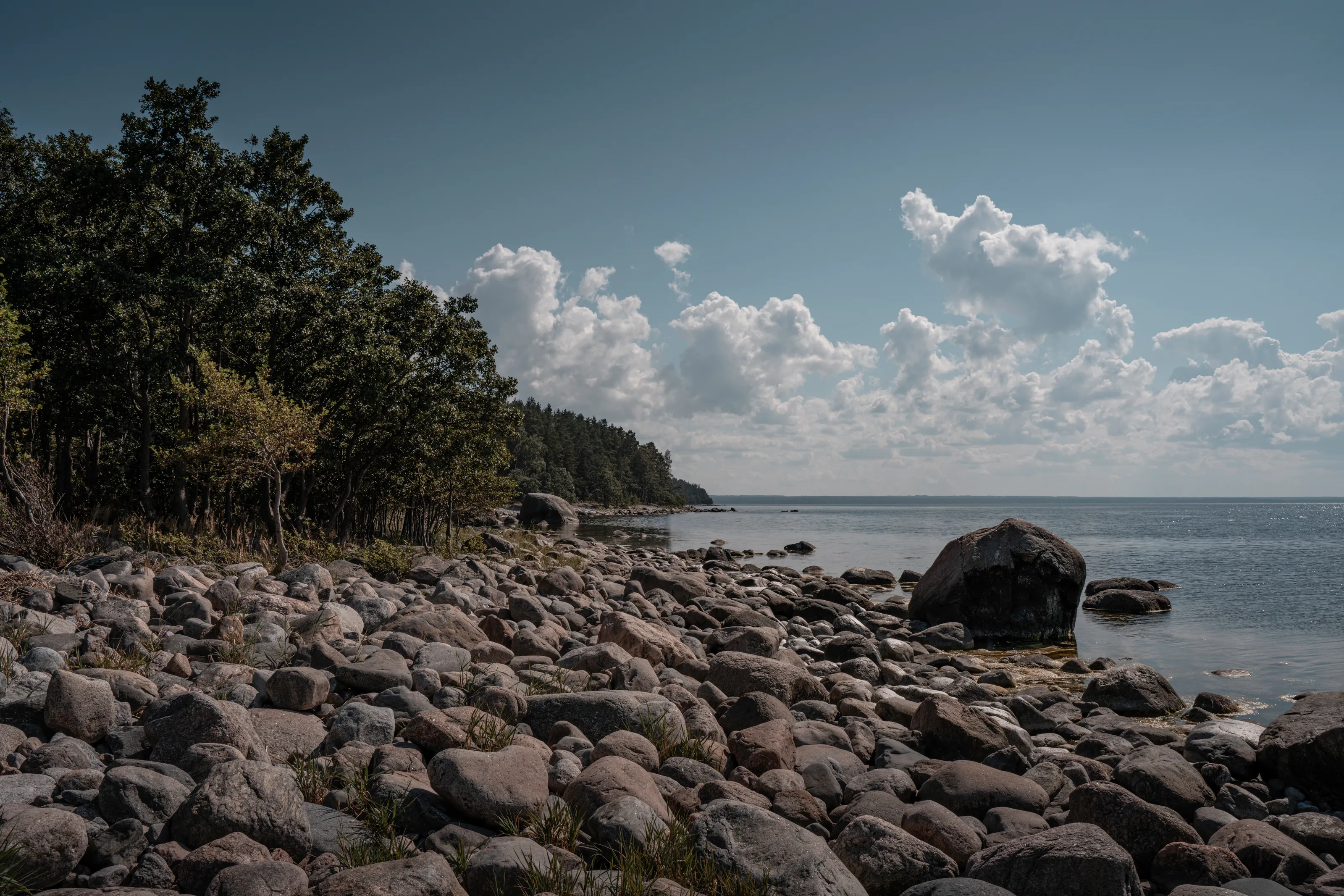
More than half the land is wooded, and there are extensive bogs, more than 1,500 natural lakes and islands such as Saaremaa and Hiiumaa. Lahemaa National Park, about 50 km from the capital, covers roughly 1,000 km².
Spacious and digital
Around 31 people per km²: space, quiet and some of Europe's most advanced online public services, with card payment accepted almost everywhere.
Signature places
Tallinn, Lahemaa, Tartu, Pärnu and the islands
For a first trip, Tallinn plus one nature excursion is enough. The country is small, and most destinations are within about two hours of the capital.
Tallinn, the medieval old town
Climb Toompea, the Upper Town, then drop down to Town Hall Square, the cobbled lanes and the Kiek in de Kök artillery tower. The spire of St Olaf's church, 159 m tall at the end of the 15th century, was possibly the tallest structure in the world. Beyond the walls are Kadriorg Park and Palace, built by Peter the Great 2 km from the centre, the wooden houses of Kalamaja and Telliskivi, a former industrial site turned creative district.
Lahemaa, Soomaa and Matsalu: nature by bus
Lahemaa National Park blends forest, bogs, coast and manor houses. In Soomaa, the "fifth season" is the spring flood, best explored by canoe. Matsalu is a major stopover for migratory birds in spring and autumn.
Tartu and Pärnu
Tartu, the oldest city and the second largest, revolves around its university and its museums. Pärnu, on the south-west coast, is the summer capital, with a long sandy beach, spas and mud baths.
Saaremaa, Hiiumaa and the islands
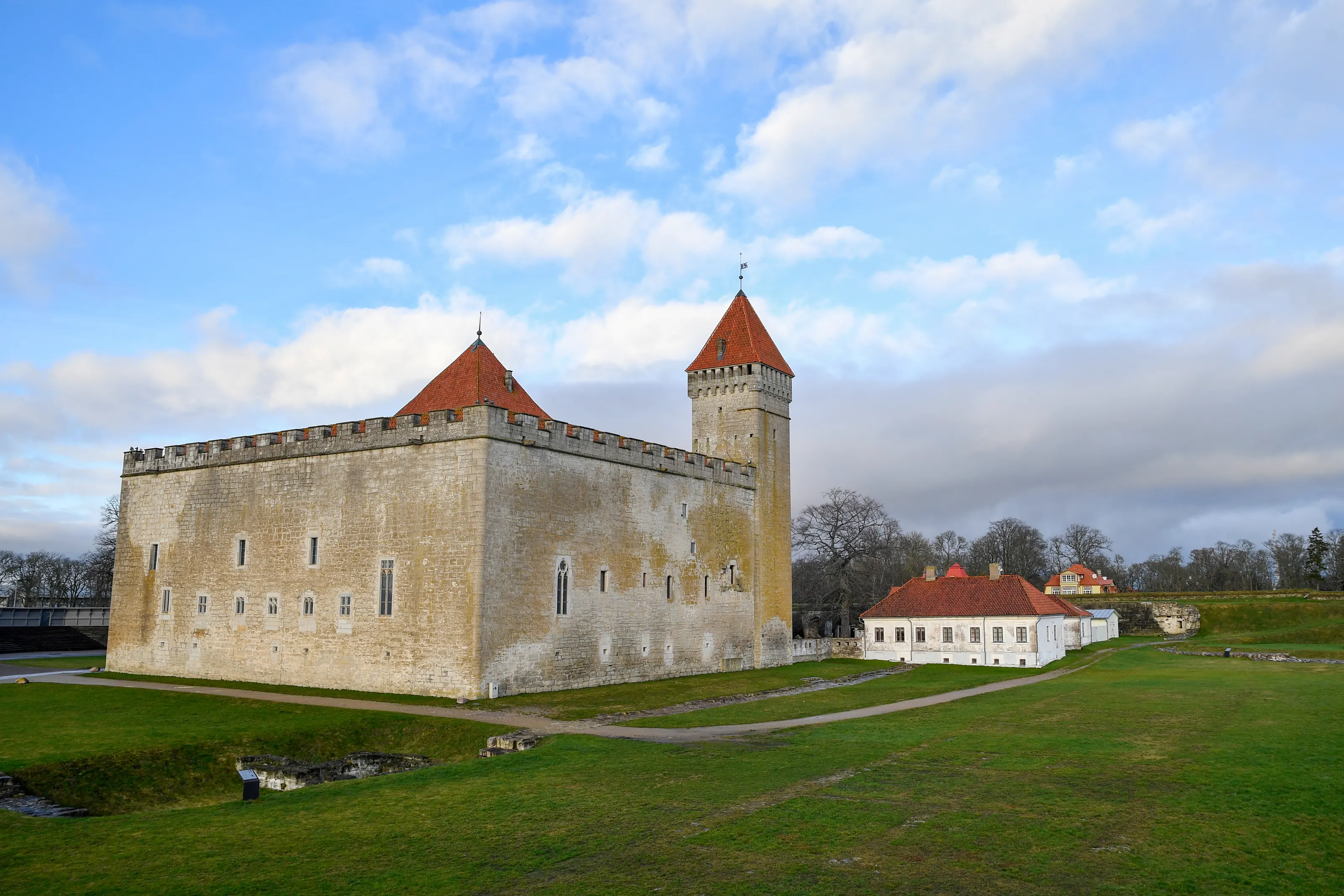
Saaremaa, the largest island, has Kuressaare's episcopal castle, windmills and the Kaali meteorite craters. Hiiumaa is known for its lighthouses, and Kihnu for an island culture on UNESCO's intangible heritage list. In the east, Narva faces the Russian fortress of Ivangorod across the river.
Getting around
Frequent buses, regional trains and the ferry to Helsinki
Buses are the main way to travel between towns, with frequent, cheap services; Elron trains serve Tartu, Narva, Parnu and Viljandi. In Tallinn, trams, buses and trolleybuses cover the whole city, and public transport is free for residents only.
Allow about two hours by ferry between Tallinn and Helsinki (80 km), with several crossings a day: a classic way to combine Finland and Estonia. Drivers must keep headlights on at all times, and Estonia has zero tolerance for drink-driving.
Before you go
Four ways to travel, by season
| Region | Climate | Best time to visit |
|---|---|---|
| Tallinn and the north coast | Cool summers (about 18 °C in July on national average), around -4 °C in February | June to August; late November to early January for Christmas markets |
| National parks (Lahemaa, Soomaa) | Damp forests and bogs, spring floods at Soomaa | May to September for hiking, March-April for the floods |
| Parnu and the west coast | Milder thanks to the sea, a short swimming season | July and August |
| Islands (Saaremaa, Hiiumaa) | Maritime climate, frequent wind and rain | June to August; Hiiumaa is sometimes reachable over an ice road in winter |
Estonia is in the EU and Schengen area and has used the euro since 2011. Annual precipitation averages about 660 mm, and winter is dark and wet.
To combine several Nordic countries, see also Finland, Sweden, Latvia and Lithuania.
Food
Blood sausage, rye bread and Baltic fish
Estonian food draws on German, Russian and Nordic cooking. The closest thing to a national dish is verivorst, blood sausage served with mulgikapsad (sauerkraut stew) and lingonberry jam, especially around Christmas. Expect black bread, herring, sour cream, soups and game such as wild boar and elk.
Local drinks include Saku and A. Le Coq beer, the herbal liqueur Vana Tallinn and kali, a fermented bread drink. Kalev is the national chocolate maker. Tap water is safe to drink.
Flying to Estonia
The Estonian airport SniperAir covers
Lennart Meri Tallinn (Tallinn)
The country's only major international airport, a few kilometres from the centre: a tram links it to the Old Town in about 15 minutes.
FAQ
Frequently asked questions about Estonia
What is the best airport to fly into for Estonia?
Tallinn Lennart Meri (TLL), the country's main airport, tracked by SniperAir. It is close to the centre and served by tram.
When is the best time to travel to Estonia?
June to August for long days, nature and swimming. May and September are quieter, and late November to early January suits Tallinn's Christmas market.
Is Estonia expensive?
It sits around the European average: Tallinn costs more than the rest of the country, and accommodation is somewhat pricier than in Latvia or Lithuania. Cards are accepted almost everywhere.
Do I need a visa for Estonia?
Estonia is part of Schengen: EU citizens need only an ID card or passport, and visa-exempt visitors can stay up to 90 days in 180.
How long should I spend in Estonia?
Three days for Tallinn alone, five to seven with Lahemaa, Tartu and Pärnu, and eight to ten if you add the island of Saaremaa.
Can I combine Estonia with Finland?
Yes: the ferry links Tallinn and Helsinki in about two hours, so you can visit both capitals in one trip.
How do I get alerted when a flight to Estonia drops below my budget?
Create a SniperAir alert profile with your departure airport and Tallinn as your destination: we track prices for you and notify you the moment a deal matching your criteria appears.
Ready to track prices to Estonia?
Create an alert and let SniperAir do the rest.
Create my alert