
Travel to Guadeloupe: cheap flights to the butterfly island
Two islands in one: volcanic, rainforested Basse-Terre and flatter Grande-Terre with its white-sand beaches. Add La Soufrière, waterfalls, Les Saintes and Marie-Galante and you have a Caribbean destination with plenty of variety. Here is what to know before you go, and how to follow cheap flights to Guadeloupe.
Guadeloupe in numbers
Seat of government
Basse-Terre
Population
About 380,000
Area
About 1,700 km²
Currency
Euro
Languages
French, Creole
Highest point
La Soufrière
Continent
North America
Time zone
UTC-4
Airports covered
1
Why visit Guadeloupe
A volcano, waterfalls, beaches and an archipelago to explore
A butterfly with two faces
Basse-Terre in the west is mountainous, volcanic and covered in rainforest; Grande-Terre in the east is a limestone plateau with reef-sheltered beaches. You can drive from one to the other in minutes.
The Lesser Antilles' highest peak
La Soufrière, an active volcano of 1,467 m nicknamed the old lady, towers over the national park. The hike climbs through forest, mist and steaming vents to an almost lunar summit.
Waterfalls and warm seas
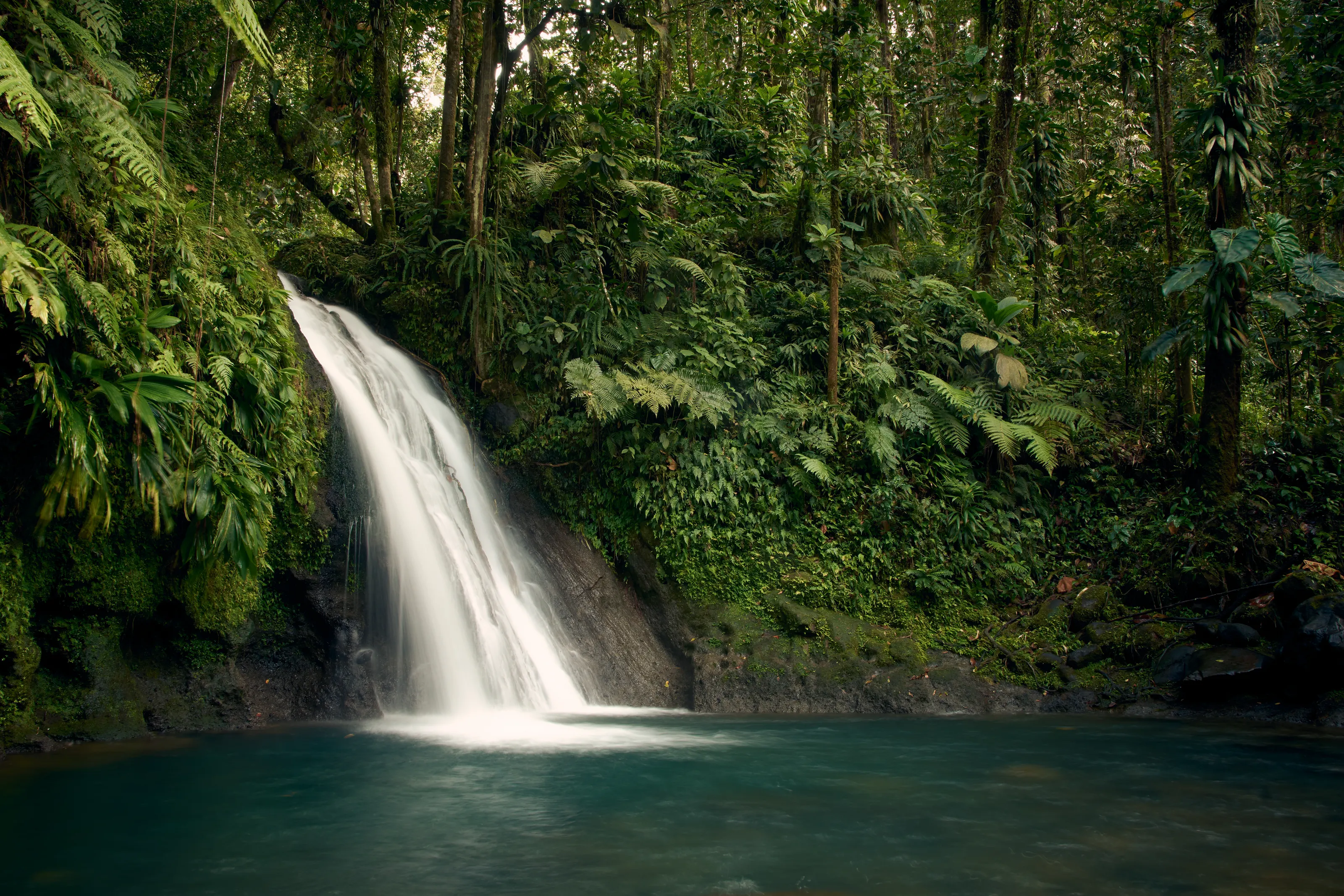
Basse-Terre's forest hides waterfalls you can swim beneath, and the sea stays warm all year: diving at the Cousteau Reserve, snorkelling, sailing and kitesurfing.
An archipelago within the archipelago
Les Saintes, Marie-Galante and La Désirade are a short boat ride away and offer three moods: a postcard bay, windmills and rum, and a dry, quiet island.
Landmarks
Basse-Terre, Grande-Terre, Deshaies, Pointe-à-Pitre and the southern islands
In a week you can combine the two main islands: Basse-Terre for nature, Grande-Terre for beaches, then a boat day to Les Saintes or Marie-Galante. A rental car links everything easily.
Basse-Terre: La Soufrière, the national park and waterfalls
The west of Guadeloupe is dominated by La Soufrière. The summit trail usually starts at Bains Jaunes and takes about three to four hours round trip; the top is cool, misty and sometimes rainy. The national park, created in 1989, protects rainforest, rivers and waterfalls, including the well-known Crayfish Waterfall (Cascade aux Écrevisses), reached by a short trail. Offshore, the Cousteau Reserve around Pigeon Islet draws divers.
Grande-Terre: Sainte-Anne, Le Gosier and Saint-François
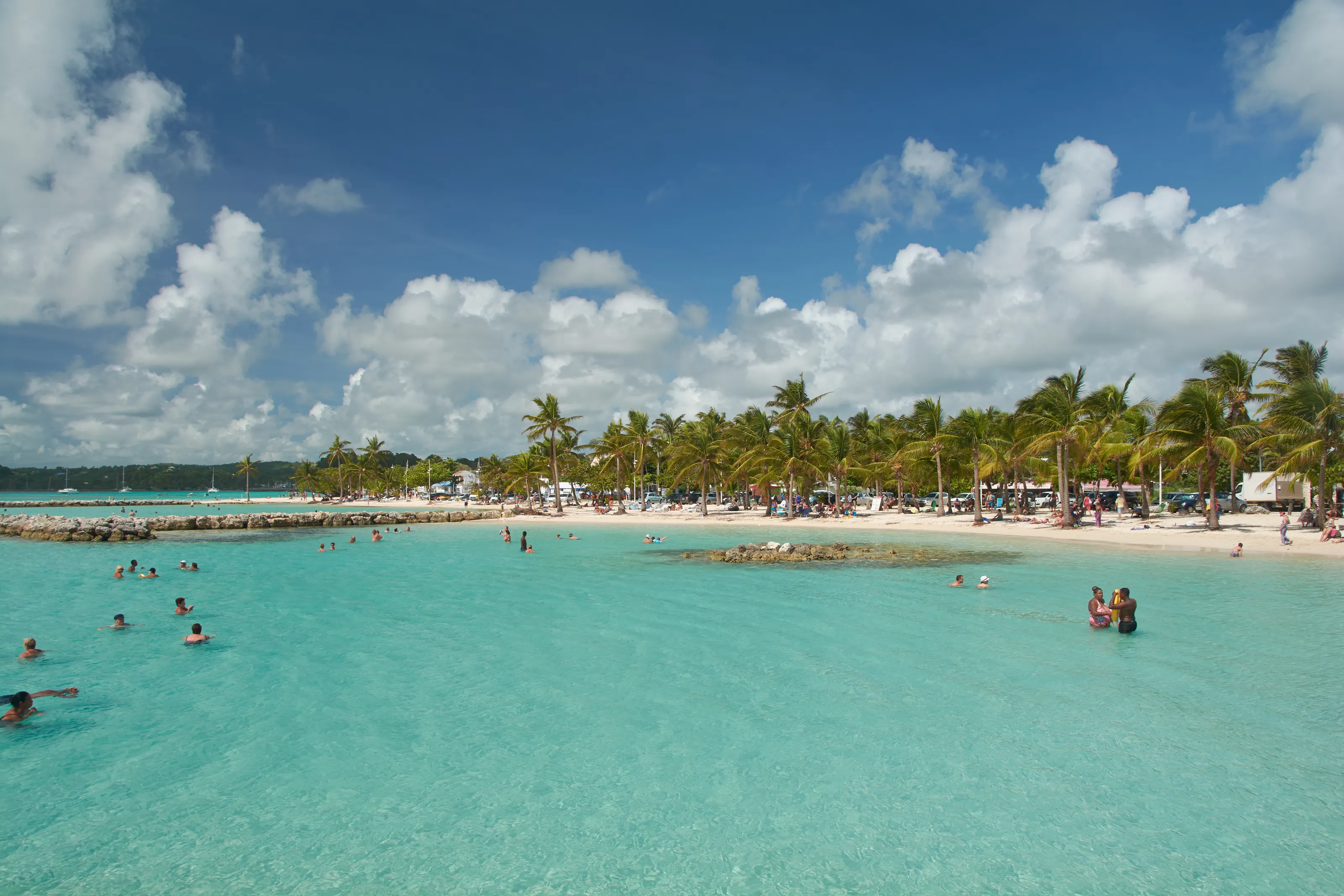
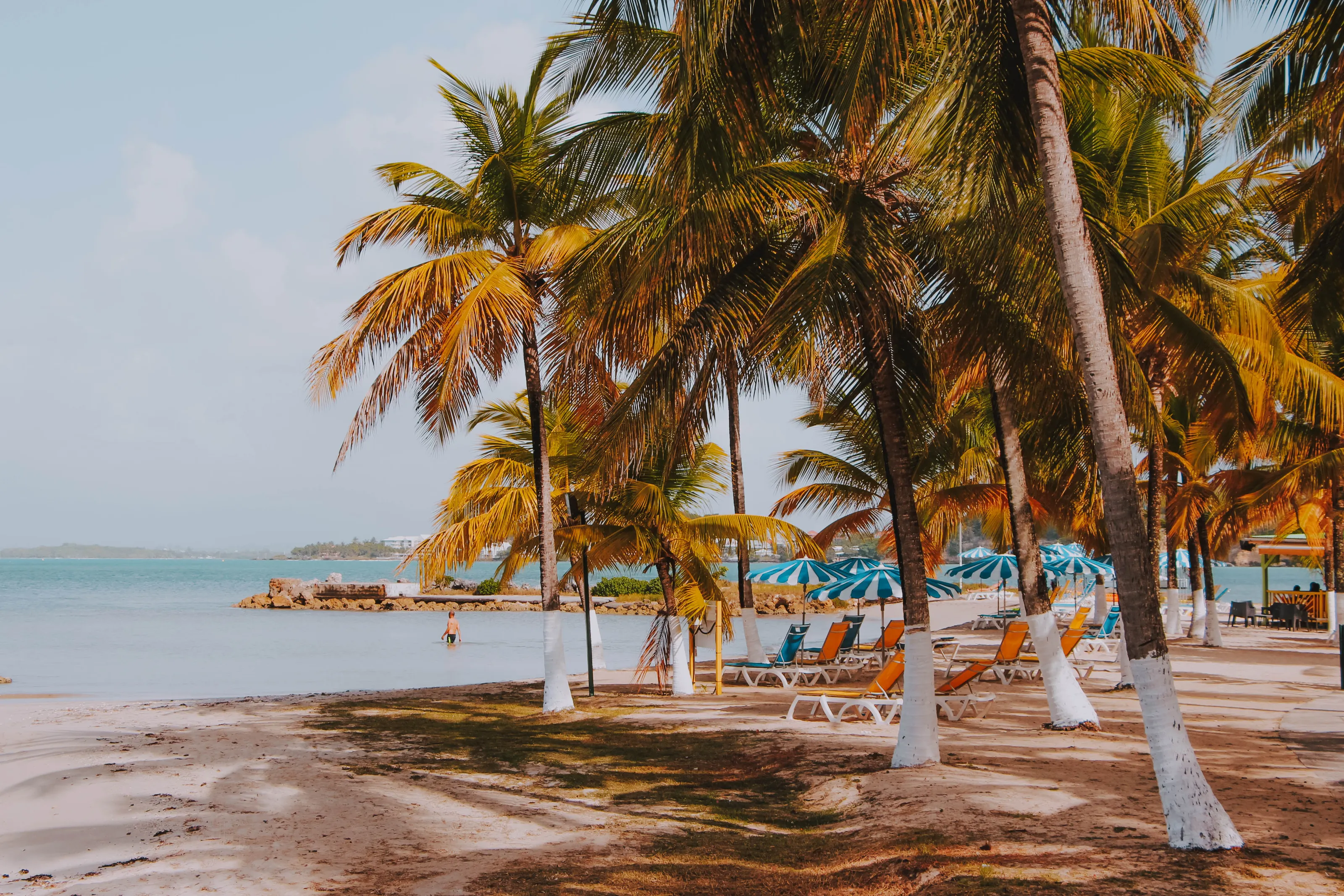
Grande-Terre's south coast strings together white-sand beaches protected by coral reefs, from Le Gosier through Sainte-Anne to Saint-François. The water is calm and clear, ideal for children, snorkelling and lazing under coconut palms. The wilder north and east coasts offer cliffs and surf, better admired than swum.
Deshaies and the leeward coast
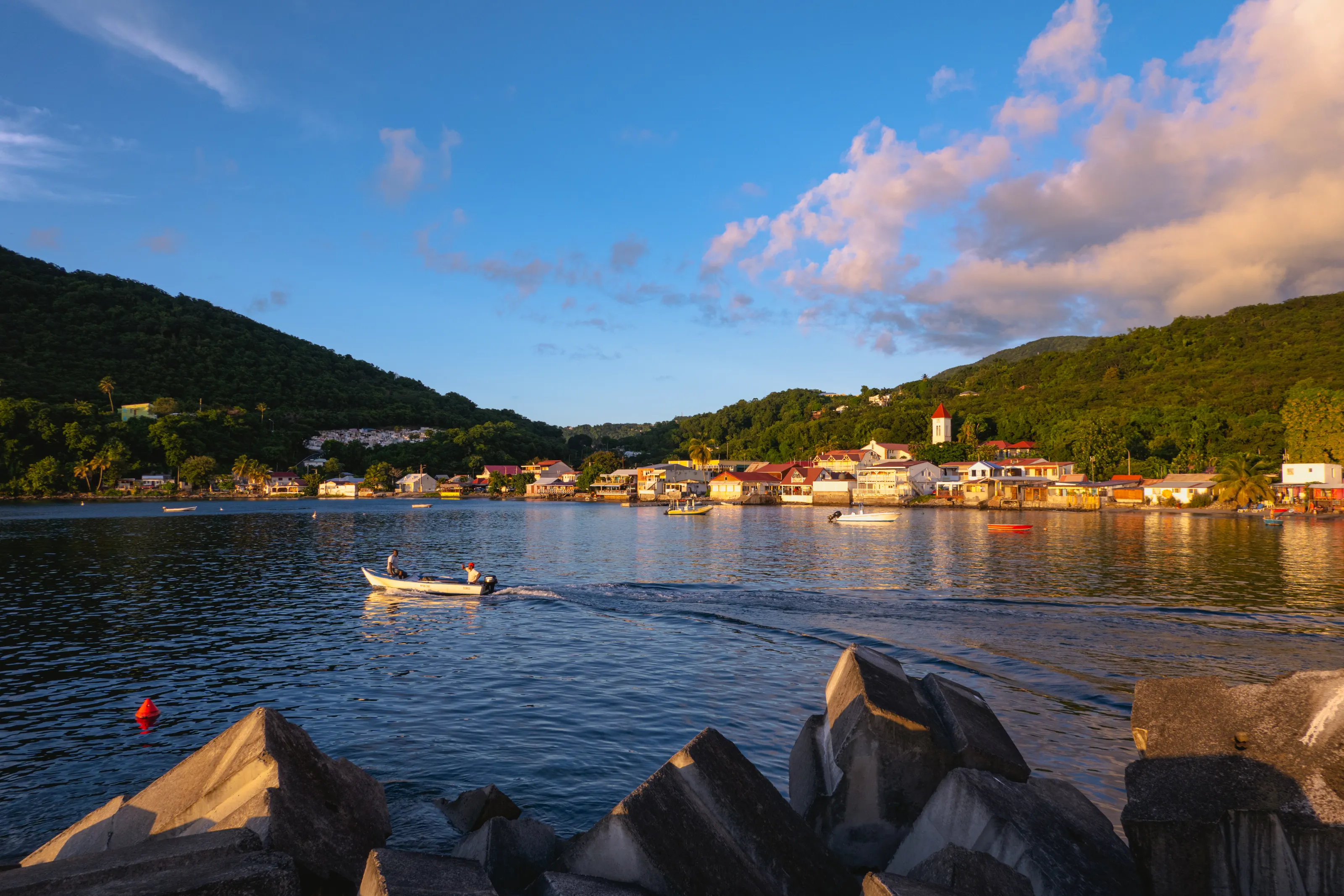
On Basse-Terre's west coast, Deshaies is a fishing village of colourful houses tucked into a bay, lovely at sunset. It is also a good base for golden or black sand beaches, botanical gardens and boat trips.
Pointe-à-Pitre, the city and its markets
The archipelago's economic capital gathers a port, colourful markets, Creole cooking and neighbourhood life. Most travellers arrive here, with the airport close by, and it is a good place to try accras, colombo and local fruit juices.
Les Saintes, Marie-Galante and La Désirade
Terre-de-Haut in Les Saintes is about 30 minutes by boat from Trois-Rivières; its bay, counted among the world's most beautiful, and Fort Napoléon justify the trip. Marie-Galante, nicknamed the island of a hundred windmills, charms with beaches, windmills and rum. La Désirade, drier and quieter, suits those who want calm.
Before you go
Best time: the dry season, roughly December to May
| Area | Climate | Best time |
|---|---|---|
| Grande-Terre (beaches) | Hot and drier, calm sea on the south side, occasional droughts. | December to May; pleasant off-season too |
| Basse-Terre (forest, waterfalls) | Wetter all year: lush forest and frequent showers. | December to May, ideally in the morning |
| La Soufrière summit | Cool (15 to 22 °C), misty, sometimes windy and rainy. | Early morning, in clear weather |
| Les Saintes and Marie-Galante | Warm and sunny, calm sea in sheltered spots. | December to May; book early in high season |
The dry months are also high season, so hotels and flights are in greater demand. The hurricane season runs from June to November; it does not rule out a trip, but check forecasts and keep your dates flexible. Following fares several weeks ahead helps you pay less.
Getting around
Rental car, boats to the islands and taxis
A car is the most practical way to travel: roads are good and two bridges link Basse-Terre and Grande-Terre. Traffic drives on the right, as in mainland France. Allow extra time around Pointe-à-Pitre at rush hour.
The southern islands are reached by boat, notably from Trois-Rivières, Saint-François and Pointe-à-Pitre. Book crossings ahead in high season. Taxis and guided tours fill the gaps for La Soufrière or boat trips.
Food and culture
Colombo, blaff, accras, rum and carnival
Guadeloupean cooking blends African, European and Asian influences: colombo (the local curry), fish blaff, crab matété, Creole blood sausage, and accras and bokit as snacks. For something sweet, try blancmange or the tourment d'amour of Les Saintes. Agricultural rum and ti-punch go with meals.
Carnival, from January to Ash Wednesday, fills the Sundays with drumming groups and parades until King Vaval is burned. At Easter families often camp on the beach and cook crab dishes.
Travelling to Guadeloupe
The Guadeloupe airport covered by SniperAir
Pointe-à-Pitre Le Raizet
Guadeloupe Pôle Caraïbes airport sits in Les Abymes, a few kilometres from Pointe-à-Pitre: roughly ten minutes by road. It is the archipelago's main air gateway, with both Grande-Terre and Basse-Terre reachable by car.
FAQ
Frequently asked questions about Guadeloupe
Which airport do I fly into for Guadeloupe?
The main airport is Pointe-à-Pitre Le Raizet (PTP), in Les Abymes, a few kilometres from Pointe-à-Pitre. SniperAir tracks it for you.
When is the best time to travel to Guadeloupe?
The dry season, roughly December to May, is the most popular: clear skies and little rain. The islands stay pleasant the rest of the year, with more showers. Hurricane season runs from June to November, so check forecasts.
Is Guadeloupe expensive?
Living costs are higher than in mainland France, especially in high season. You can keep a budget in check with rentals, local meals and free beaches. The easiest item to optimise is the plane ticket, so watch fares.
Do I need a visa for Guadeloupe?
Guadeloupe is French and part of the European Union, but outside the Schengen Area. Entry rules depend on your nationality, so always check official information before you travel.
How long should I stay in Guadeloupe?
A week covers Basse-Terre, Grande-Terre and a day trip to Les Saintes or Marie-Galante. Ten days leaves more time for hiking and diving.
What currency is used in Guadeloupe?
The euro, as in mainland France. Cards are widely accepted; keep some cash for markets and small shops.
How do I get alerted when a flight to Guadeloupe drops below my budget?
Create a SniperAir alert with your departure airport and PTP, set your maximum price, and we notify you when a fare falls below it. SniperAir tracks prices and sends alerts. See how it works.
Ready to track fares to Guadeloupe?
Create an alert and let SniperAir do the rest.
Create my alert