Travel to Bonaire: cheap flights to the diving island
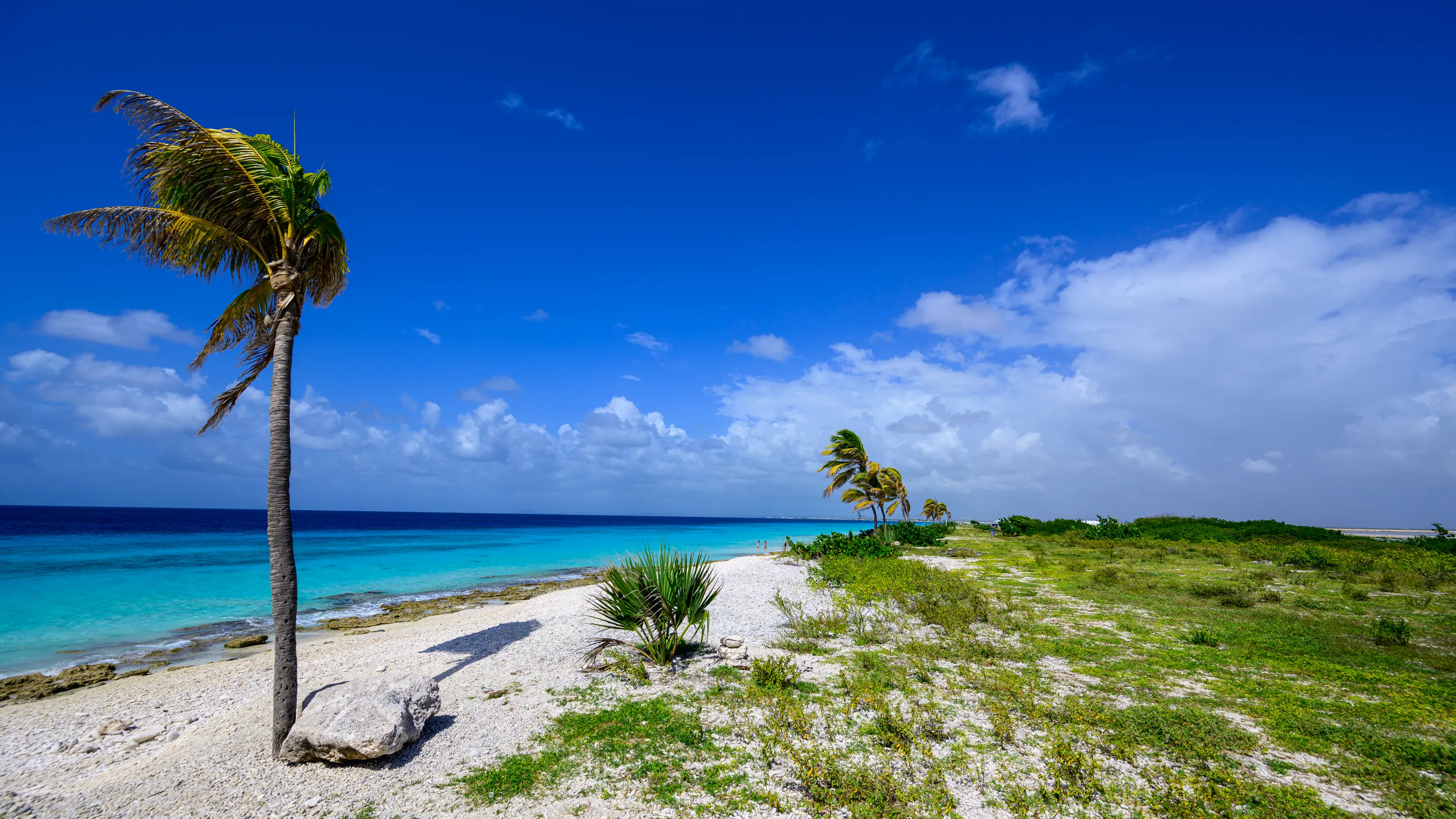
Reefs you reach from the shore, salt pans with mountains of white salt, pink flamingos and wild beaches: Bonaire, one of the ABC islands, is a nature and sea destination far from the big resorts. Here is what to know before you go, and how to follow cheap flights to Bonaire.
Bonaire in numbers
Main town
Kralendijk
Population
About 25,000
Area
288 km²
Currency
US dollar
Languages
Dutch, Papiamentu
Highest point
Mount Brandaris
Continent
North America
Time zone
UTC-4
Airports covered
1
Why visit Bonaire
Diving, flamingos, salt pans and protected nature
A shore-diving paradise
The tourism site lists more than 85 dive sites, 54 of them easy to reach from shore, and a marine park protected since 1979. You can dive all year, among more than 350 fish species.
Pink flamingos and salt pans
In the south, salt pans and the Pekelmeer shelter one of the few nesting grounds of the Caribbean flamingo. Pyramids of white salt make a landscape unlike any other.
Protected nature
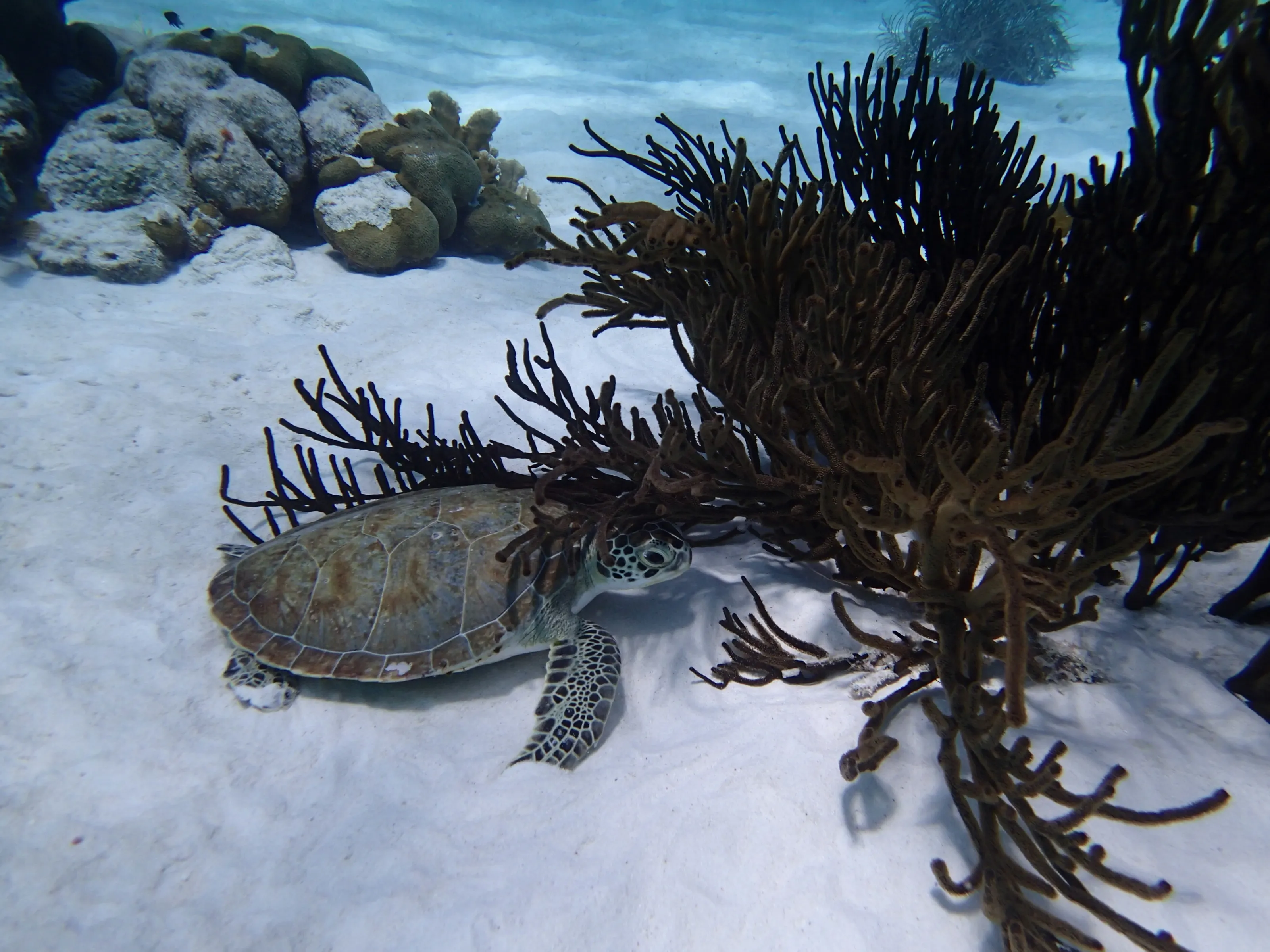
Washington Slagbaai National Park in the north protects cacti, iguanas and birds. Klein Bonaire, flat and uninhabited, shelters reefs and turtles.
An island at a slow pace
Little bustle, wind almost all year, donkeys on the roads and beaches without crowds: Bonaire suits travellers looking for calm and fresh air.
Landmarks
Kralendijk, diving, salt pans, Washington Slagbaai and Lac Bay
Bonaire is long and narrow: Kralendijk and the west coast for sea and diving, the south for salt pans and flamingos, the north for the national park and the village of Rincon, then the east coast for wind sports.
Kralendijk and the west coast
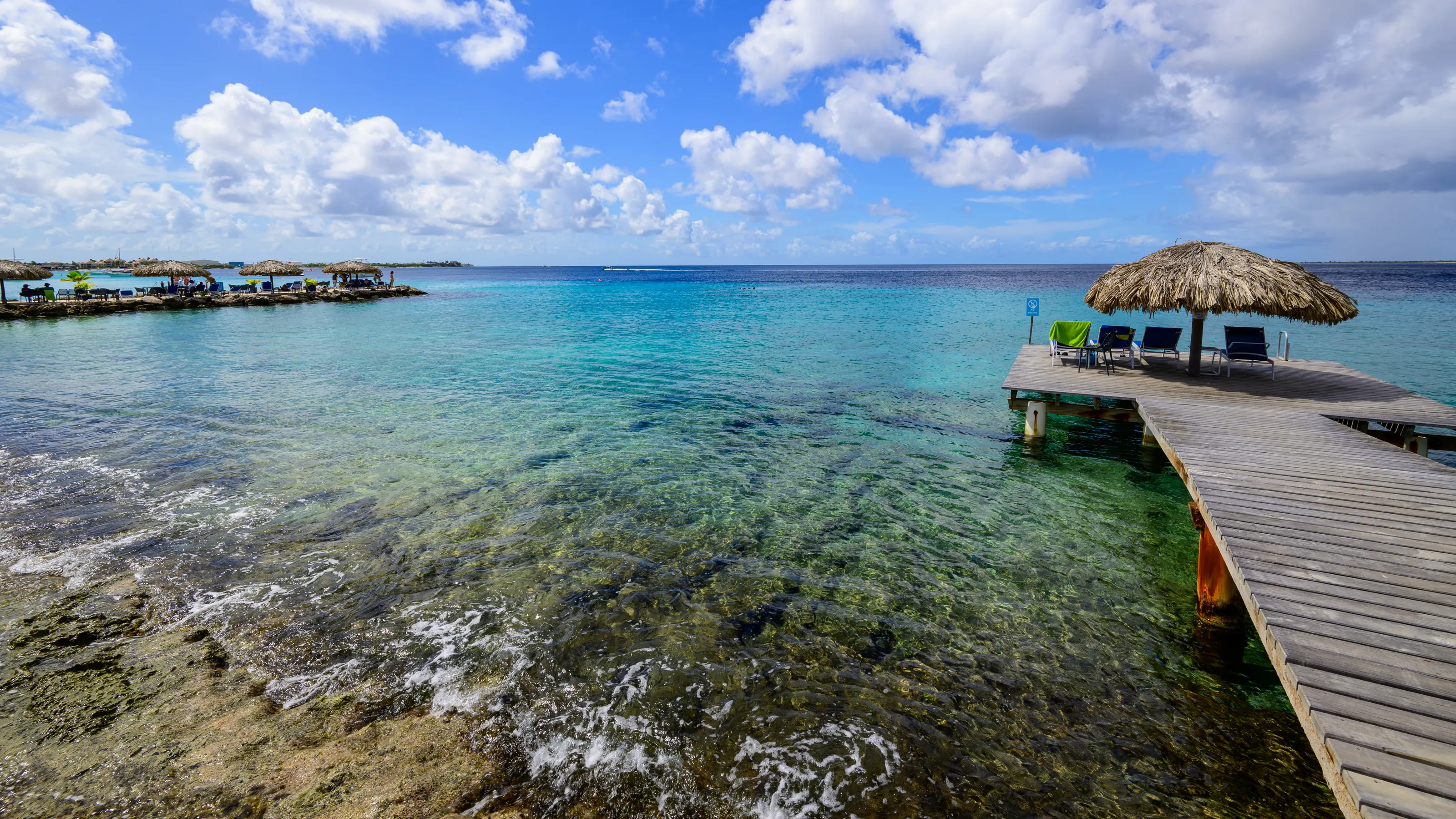
Kralendijk, the main town, stretches along the sea with its piers, terraces and dive centres. Clear water and reefs lie a few metres from the shore. From here short crossings lead to Klein Bonaire, a small, flat, uninhabited islet with transparent water.
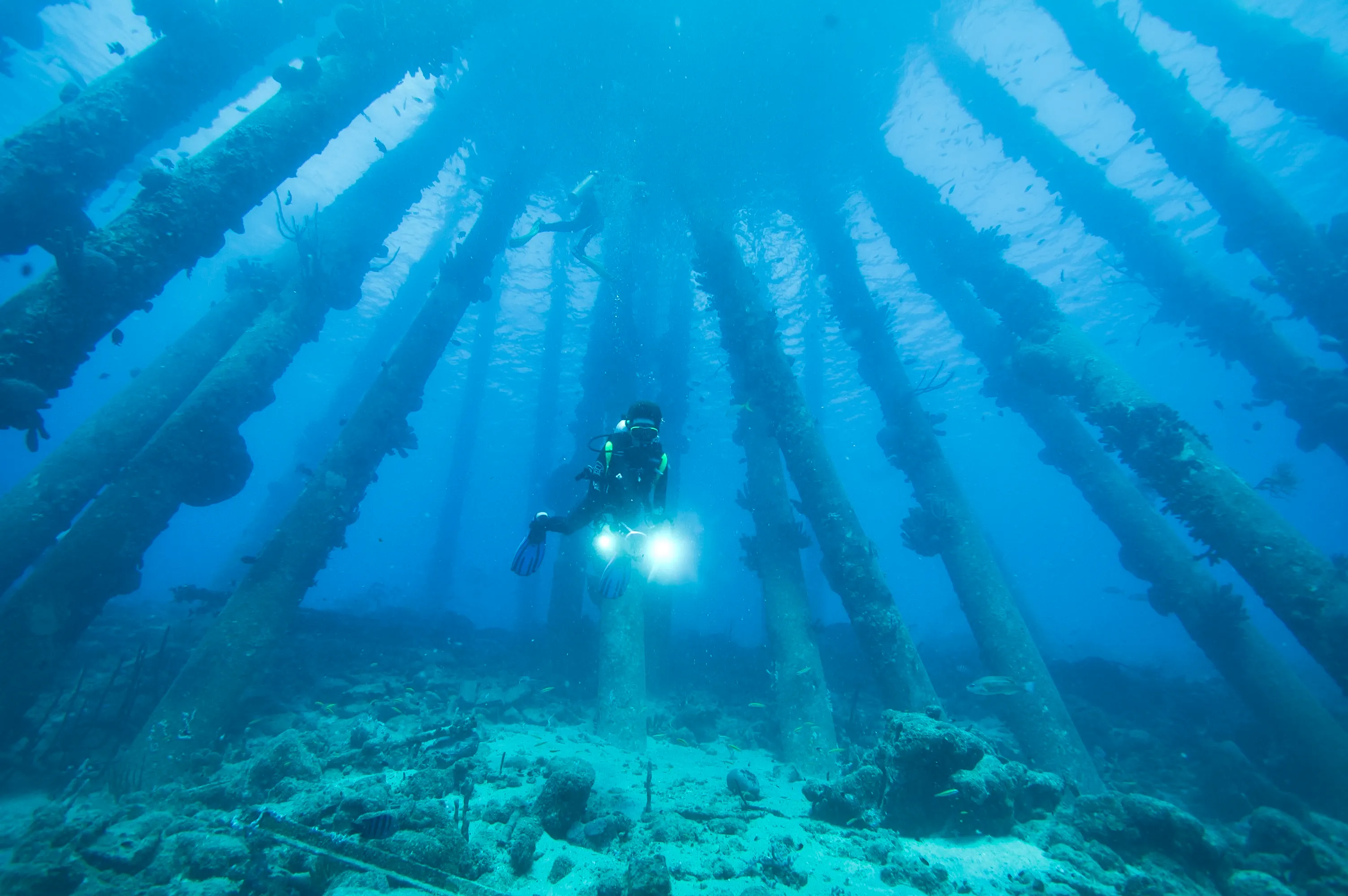
Diving and snorkelling: a marine park around the island
The whole coast is protected by Bonaire National Marine Park, created in 1979. More than 85 dive sites are listed, over fifty of them reachable from shore, and the water stays clear and warm all year. A Nature Tag is required for water activities. Beginners and experienced divers find introductory dives and certification courses.
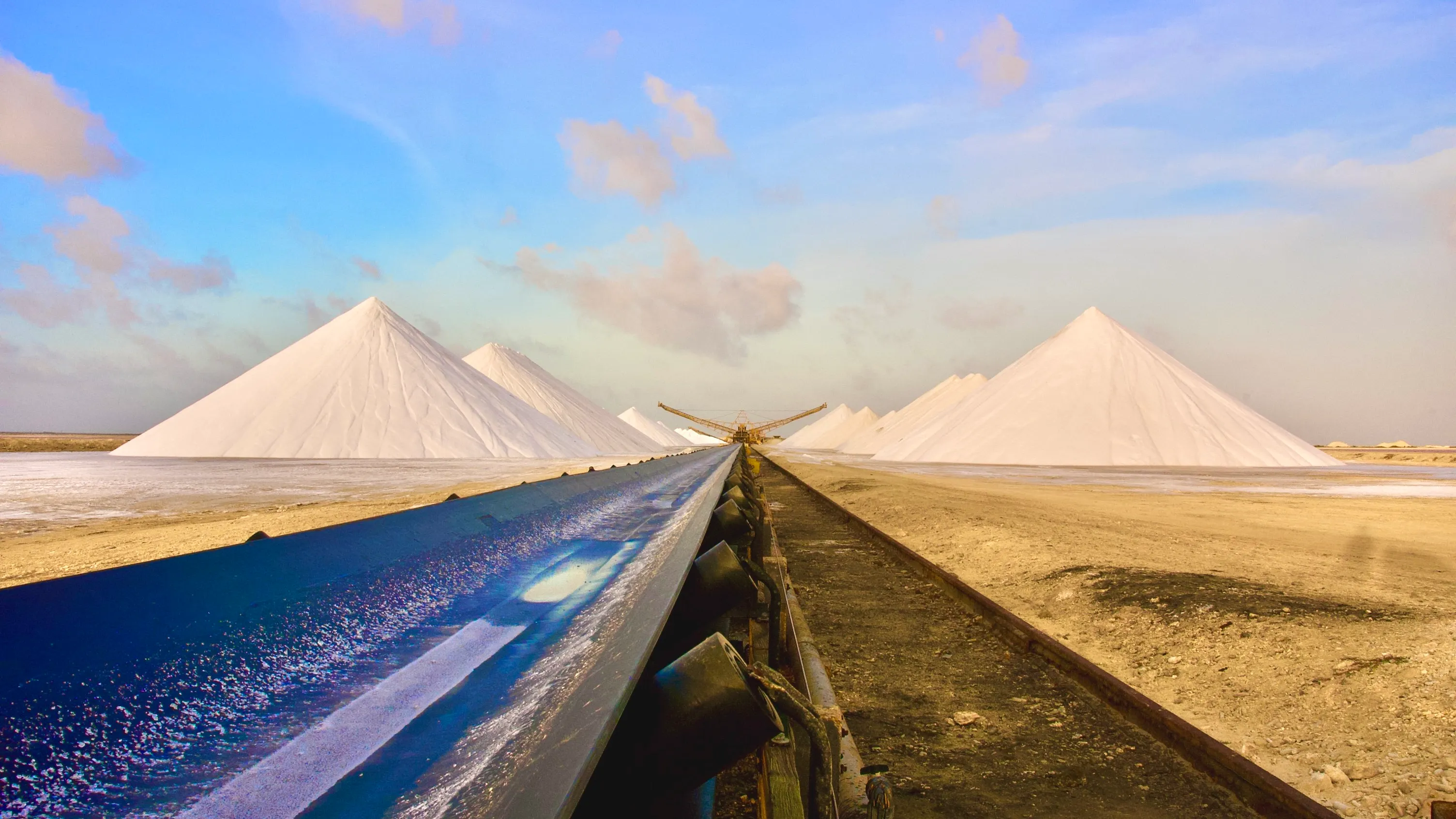
The south: salt pans, obelisks and pink flamingos
In the south, the salt-pan plain spreads beneath a huge sky. Mountains of white salt, conveyors and old coloured obelisks tell the island's story, while the Pekelmeer lagoons host flamingo colonies. The flamingo sanctuary is closed to the public, so you watch from afar.
The north: Washington Slagbaai and Rincon
In the north, Washington Slagbaai National Park covers about 6,000 hectares of cacti, hills, iguanas and birds, with two internationally important wetlands. You visit it by pick-up or jeep. Rincon, the island's oldest village, hosts local festivals in the hills.
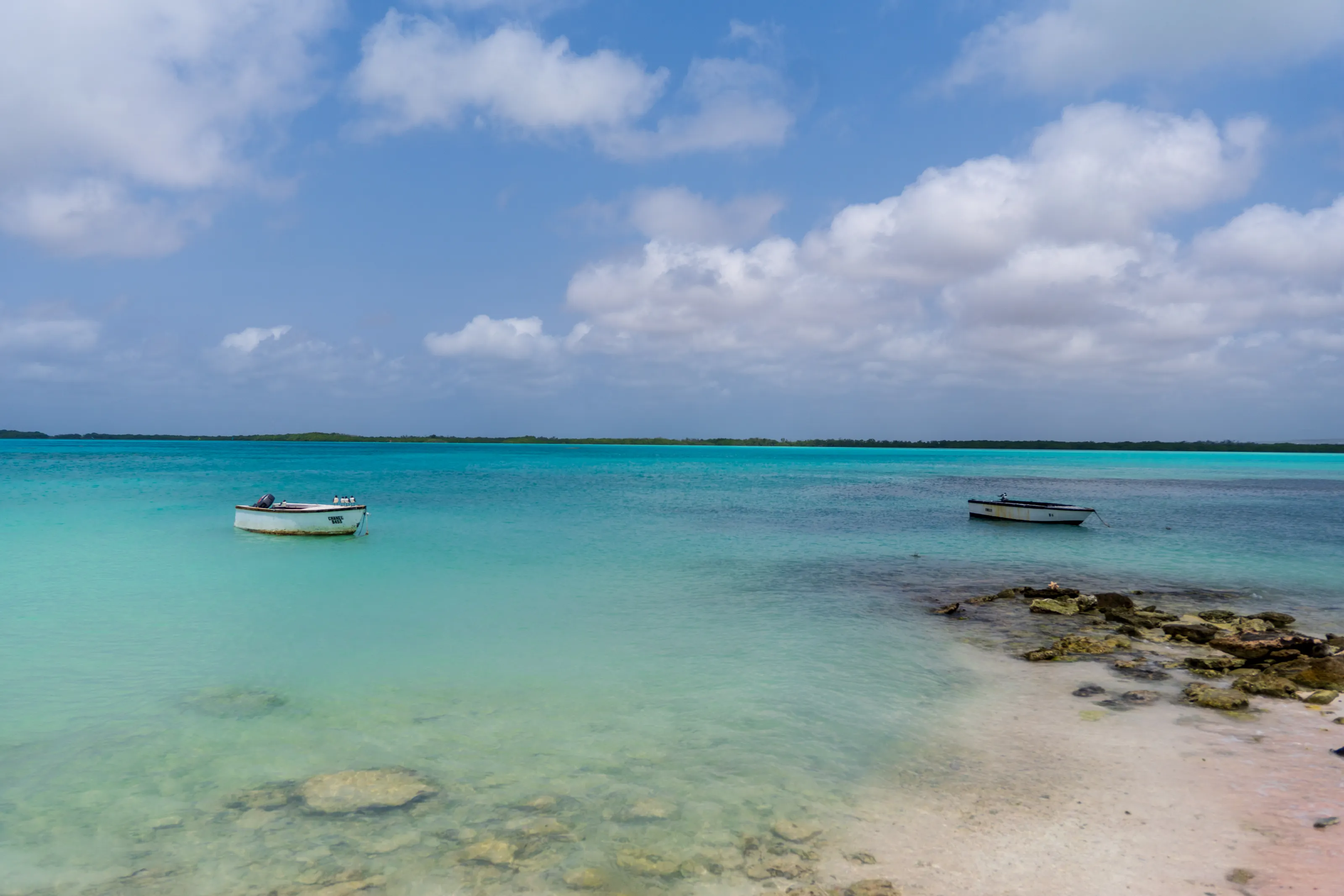
Beaches, Klein Bonaire and Lac Bay
The tourism site lists more than twenty beaches, from pale sand to darker coral rubble. In the east, Lac Bay, a shallow lagoon ringed by mangroves, draws windsurfers and kitesurfers. Bring reef-safe sunscreen and leave shells where they are.
Before you go
All year: a warm, windy and fairly dry island
| Area | Climate | Best time |
|---|---|---|
| Kralendijk and west coast | Hot, dry, calm sea sheltered from the wind. | All year; diving possible 365 days |
| Salt pans and south | Strong sun and wind, little shade. | Morning or late afternoon |
| Washington Slagbaai (north) | Dry landscape, strong heat; tracks can be rough. | Early morning, in the drier season |
| Lac Bay (east) | Steady trade winds, shallow water. | All year for wind sports |
Bonaire is hot and dry all year, with almost constant trade winds. Rain falls mostly from October to January. The island lies outside the main hurricane development region but can be touched by storms, so watch forecasts. Following fares several weeks ahead helps you pay less.
Getting around
Rental pick-up, scooter, bike and taxis
Renting a car lets you explore the island, and divers often take a pick-up to carry gear. A pick-up or high-clearance jeep is required for Washington Slagbaai park. Traffic drives on the right, at 40 km/h in towns and 60 km/h elsewhere; watch out for donkeys and goats.
Most rental cars are manual, so book early for an automatic. The minimum age is usually 23, with a credit card. Scooters, bikes, golf carts and taxis complete the choice.
Food and culture
Fresh fish, carnival and island traditions
Bonaire's cooking reflects ships from around the world: Dutch, Italian, French, Colombian, Chinese, Surinamese and Indonesian influences. Fresh fish dominates, with goat stews too. The island was recognised as a Culinary Capital in 2022.
Carnival in January and February fills the streets of Kralendijk and Rincon with costumes, Tumba music and parades for young and old. At Easter the beaches turn into camping grounds, a much-loved tradition.
Travelling to Bonaire
The Bonaire airport covered by SniperAir
Flamingo International
Flamingo airport lies right next to Kralendijk: a few minutes by road. It is served directly from Amsterdam and several North American cities, and by connections via Aruba or Curaçao.
FAQ
Frequently asked questions about Bonaire
Which airport do I fly into for Bonaire?
Flamingo International Airport (BON), right next to Kralendijk. SniperAir tracks it for you.
When is the best time to travel to Bonaire?
Bonaire is hot, dry and windy all year, and diving is possible every day. Rain is more frequent from October to January. The island lies outside the main hurricane region but is not completely immune.
Is Bonaire expensive?
The island is fairly expensive, especially in high season: accommodation, car hire and diving are tourist-priced. Self-catering rentals and simple meals lighten the bill. The easiest way to pay less is to watch flights.
Do I need a visa for Bonaire?
Rules depend on your nationality. Bonaire is a Dutch Caribbean municipality outside the Schengen Area: a valid passport is required. A visitor entry tax applies, and a Nature Tag is required for water activities. Check official rules.
How long should I stay in Bonaire?
A week lets you dive, see the salt pans, Washington Slagbaai park and Lac Bay. Divers often stay longer.
What currency is used in Bonaire?
The US dollar is in use. Cards are widely accepted; keep some cash for small shops.
How do I get alerted when a flight to Bonaire drops below my budget?
Create a SniperAir alert with your departure airport and BON, set your maximum price, and we notify you when a fare falls below it. SniperAir tracks prices and sends alerts. See how it works.
Ready to track fares to Bonaire?
Create an alert and let SniperAir do the rest.
Create my alert