Travel to DR Congo
The second-largest country in Africa, the Democratic Republic of the Congo, or DR Congo, spreads around the continent's greatest river: equatorial rainforest, volcanoes, great lakes, mountain gorillas and the capital of rumba. Not to be confused with the Republic of the Congo, whose capital is Brazzaville. Here is what to know before you look for cheap flights to DR Congo.
DR Congo in numbers
Capital
Kinshasa
Population
Over 100M
Area
~2.3M km²
Currency
Congolese franc
Languages
French, Lingala, Swahili
Congo River
Over 4,000 km
Continent
Africa
Time zone
UTC+1 and UTC+2
Airports covered
1
Why visit DR Congo
A giant of nature, music and river
The Congo River and the equatorial forest
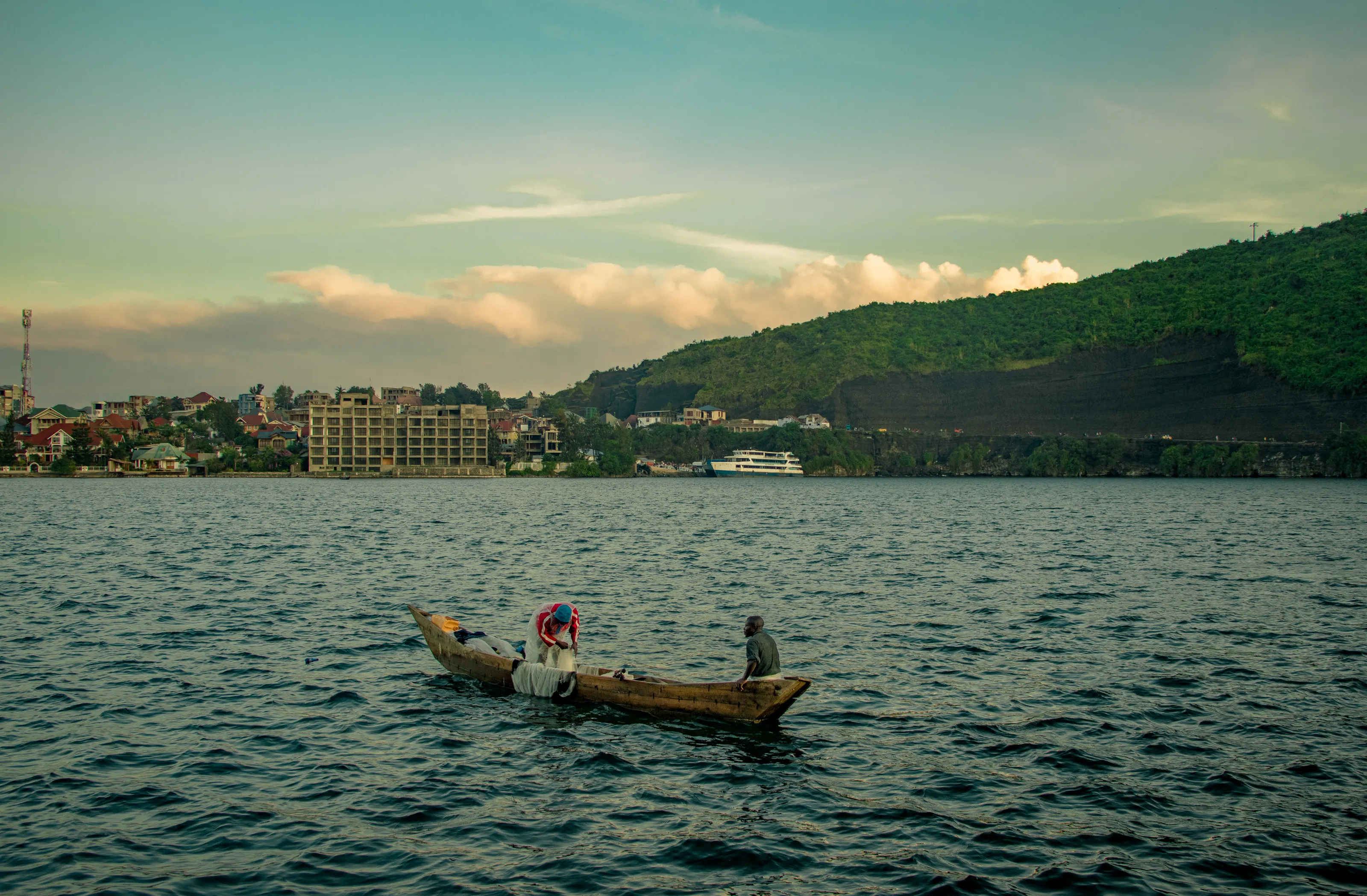
The Congo River, more than 4,000 kilometres long, runs through the country and shapes the lives of millions. Around it spreads the world's second-largest tropical rainforest, after the Amazon.
The Virunga volcanoes and Nyiragongo
In the east, Virunga National Park, created in 1925, is Africa's oldest national park. It holds Nyiragongo, at 3,470 metres, with one of the world's few near-permanent lava lakes, and mountain gorillas.
Bonobos, okapis and three great apes
DR Congo is the only country in the world with eastern gorillas, bonobos and chimpanzees. Five natural sites, including Salonga, Virunga and the Okapi Wildlife Reserve, are UNESCO-listed.
Kinshasa and Congolese rumba
Kinshasa is the largest French-speaking city in the world. Its rumba, born on both banks of the river, has been on UNESCO's intangible heritage list since 2021 and gets the whole continent dancing.
Where to go
Kinshasa, Lola ya Bonobo, Virunga and the Congo forests
The country is so vast that it cannot be seen in one trip: domestic flights and rivers link very different regions. For some areas, notably in the east, governments advise against or restrict travel, so check your government's official travel advice before you go.
Kinshasa and Malebo Pool
The capital stretches along the south bank of the Congo River at Malebo Pool, facing Brazzaville, one of the few places where two capitals look at each other across a river. Markets, lively districts, bars and concert halls beat to the rhythm of rumba, soukous and ndombolo. It is the country's gateway, and its food, from muambe, chicken in palm oil, to pondu, pounded cassava leaves, is best found in local restaurants.
Lola ya Bonobo, heaven for bonobos
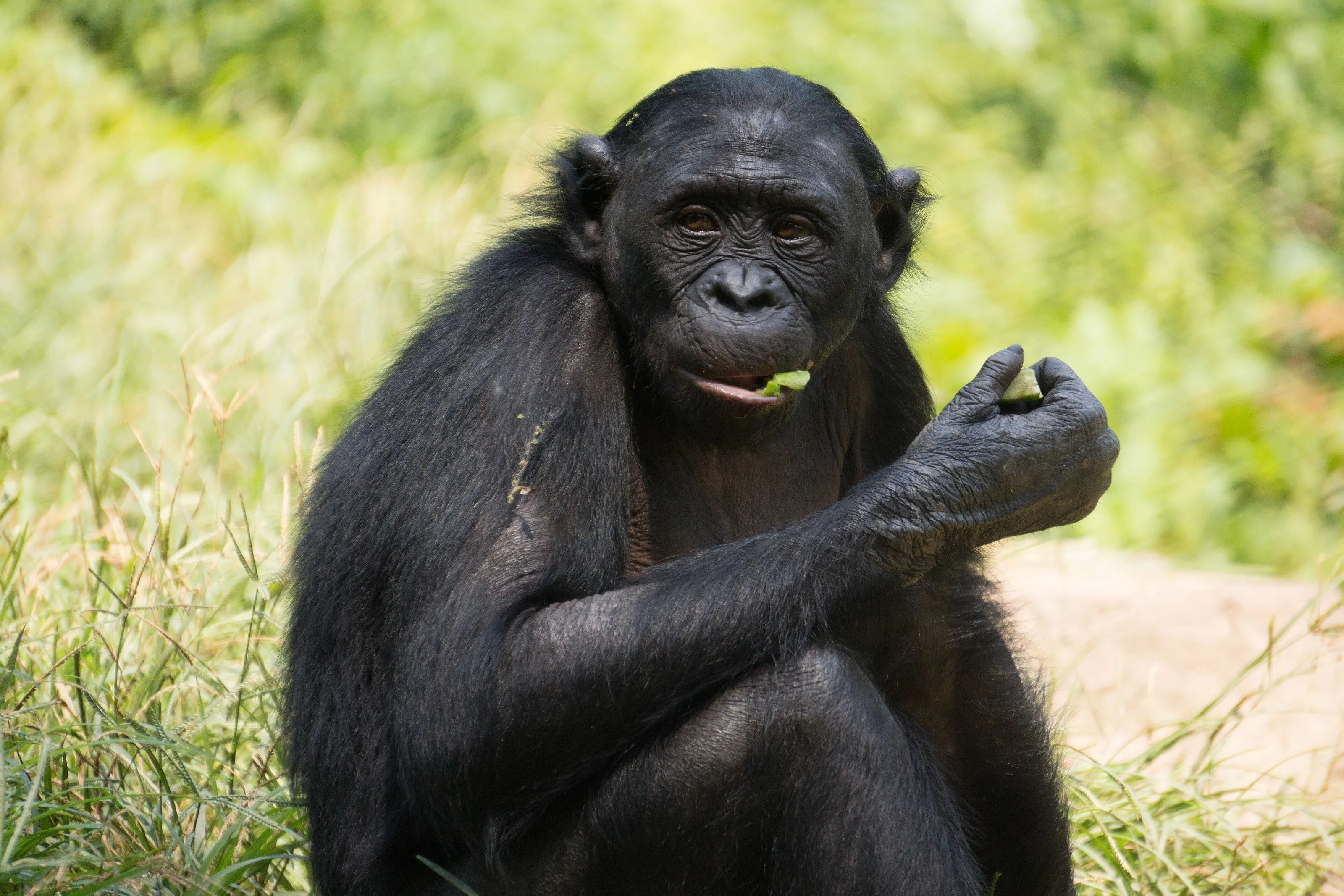
South of Kinshasa, in the Lukaya valley, Lola ya Bonobo is a sanctuary founded by Claudine André that takes in orphaned bonobos victims of poaching, with the aim of returning them to the wild. It shelters around sixty bonobos on some thirty hectares of forest. It is one of the most accessible outings from the capital for seeing these primates, our closest relatives along with chimpanzees.
Virunga, Nyiragongo and the mountain gorillas
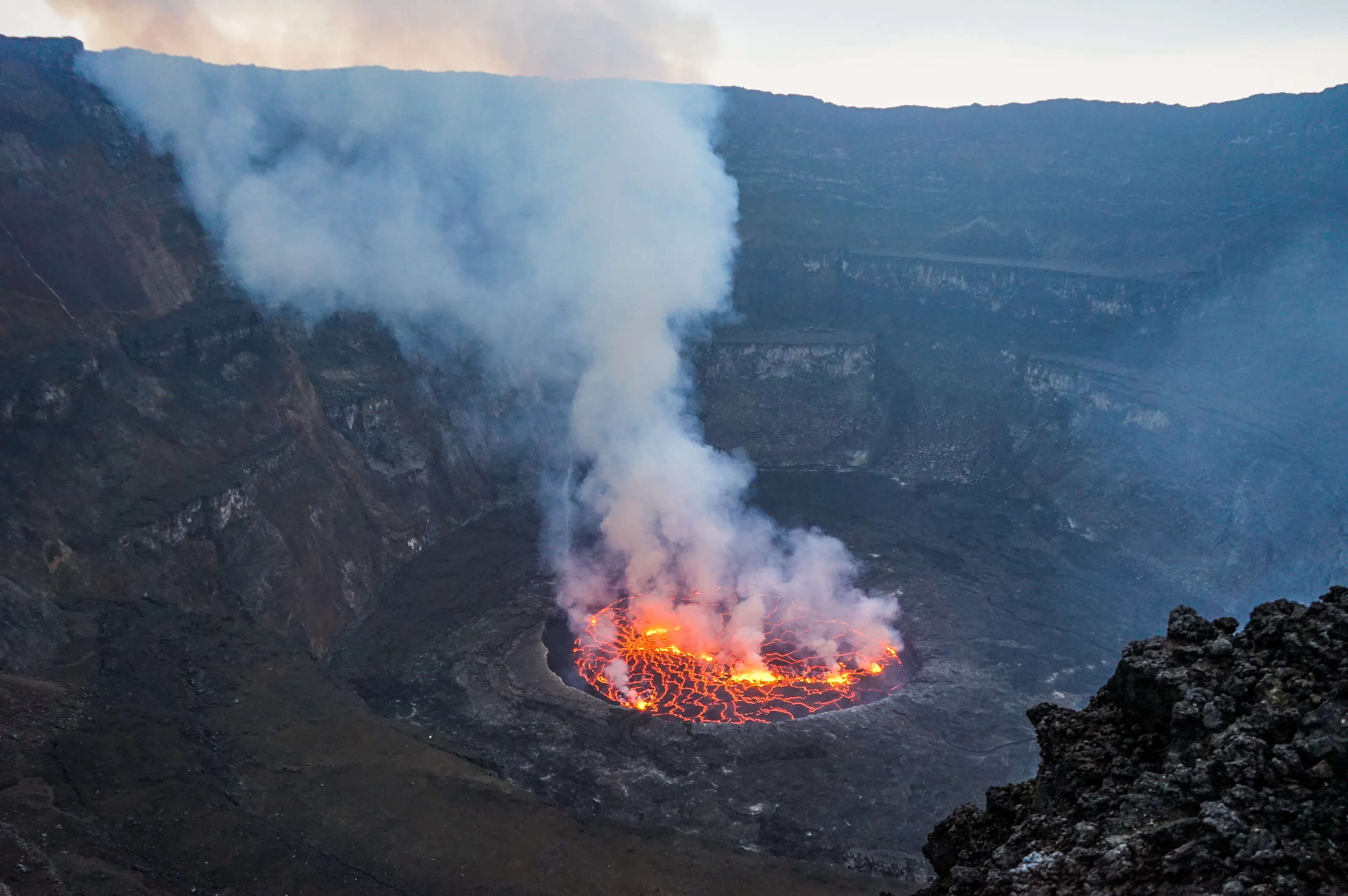
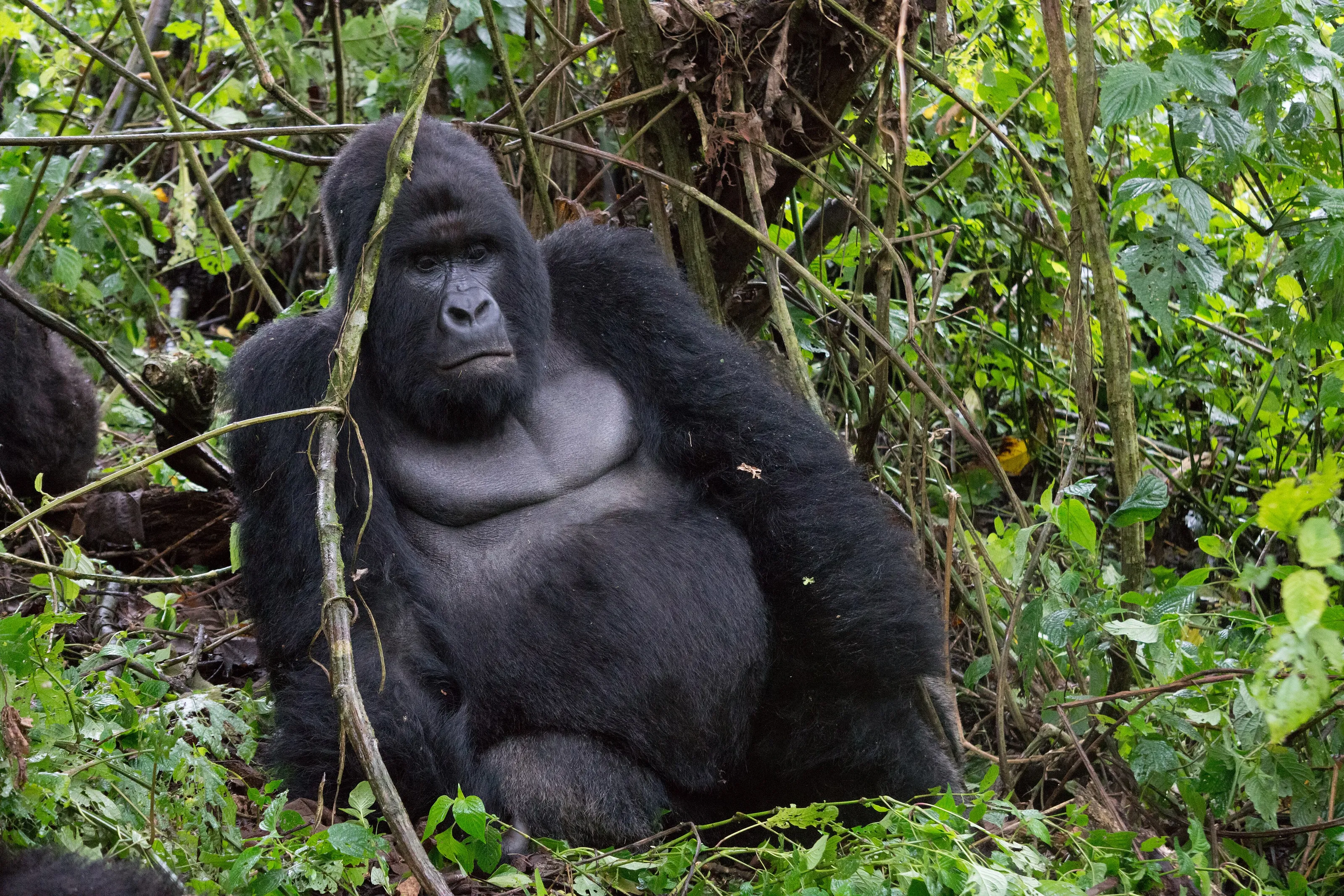
In the east, in the Albertine Rift, Virunga National Park covers nearly 8,000 km² of volcanoes, savanna, forest and lakes. Nyiragongo, at 3,470 metres, holds a lava lake in a crater about two kilometres wide, and the park is famous for its mountain gorillas. Access to these sites depends on local conditions and permits: ask the authorities before planning a stay.
Salonga, okapis and the Great Lakes side
In the heart of the country, Salonga National Park, about 36,000 km², is Africa's largest tropical rainforest reserve and can only be reached by boat. In the north-east the Okapi Wildlife Reserve protects one of the continent's most elusive animals. In the west, the Muanda coast has a wide beach facing the Atlantic, and in the east the Rwenzori, with peaks above 5,000 metres, holds glaciers.
Before you go
Dry season from June to September in Kinshasa, with a climate that varies widely by region
| Area | Climate | Best time to visit |
|---|---|---|
| Kinshasa and west | Hot, with an annual average above 25 °C; a dry season of about four months, with heavy rain in November and April. | June to August |
| Equatorial forest of the centre and north | Equatorial: hot and humid all year, 1,500 to 2,000 mm of rain, about 26 °C. | Varies by area, avoid the wettest peaks |
| South and Katanga | Tropical: a dry season of three to six months, mostly May to September, then rains until April. | May to September |
| Mountainous east | Cooler at altitude, dropping about 1 °C every 80 metres; heavy rain, snow possible on the highest peaks. | Driest seasons, check locally |
Climate varies hugely from region to region: the equator crosses the centre of the country, with some of the most frequent thunderstorms in the world. Bring rain and insect protection, and keep an eye on flight prices before fixing your dates.
Getting around
Domestic flights, rivers and huge distances
Distances are so large that domestic flights are often the only sensible way to link Kinshasa, the east and the south. The Congo River and its tributaries are the main arteries for goods and passengers, and many parks, such as Salonga, can only be reached by boat.
Roads are long and sometimes in poor condition, especially in the rainy season. Trips call for flexibility and local support: trusted agencies, guides and carriers. Before you go, check your government's official travel advice to learn which regions are subject to restrictions.
Food and culture
Rumba, muambe and cassava in every form
The Congo is one of the cradles of modern African music: Congolese rumba, soukous, ndombolo. French is the official language, but Lingala, Swahili, Kikongo and Tshiluba shape daily life depending on the region. Popular painting and the sapeurs of Kinshasa and Brazzaville are part of the urban identity.
Cassava is the staple, as a paste or as pounded leaves, pondu. The most common dish is muambe, chicken in palm oil, often served with rice or plantains, called makemba. River fish, dried or grilled, and spicy sauces complete the table.
Flying to DR Congo
The Congolese airport tracked by SniperAir
N'djili International
Kinshasa's international airport, about twenty kilometres east of the centre, linked to the city by Lumumba Boulevard. It is DR Congo's main gateway.
FAQ
Frequently asked questions about DR Congo
Which airport should I use to travel to DR Congo?
N'djili International (FIH) in Kinshasa is the country's main gateway and the one SniperAir tracks. From there domestic flights serve the other regions.
When is the best time to travel to DR Congo?
In Kinshasa the dry season from June to August is the most pleasant. The country is huge: climate differs between the equatorial forest, the south and the eastern mountains, and the driest periods are generally best. Check for each region.
Is travelling in DR Congo expensive?
Domestic flights, excursions and guided stays weigh on the budget because distances are huge. The international flight is the most variable part: choosing your dates and watching prices helps keep the bill down.
Do I need a visa for DR Congo?
Entry rules depend on your nationality and change over time. A visa is generally required before departure, and a yellow fever vaccination certificate is usually requested. Check official websites and your government's travel advice before you book.
What is the difference from the Republic of the Congo?
DR Congo, or Congo-Kinshasa, has Kinshasa as its capital, on the south bank of the river. The Republic of the Congo, or Congo-Brazzaville, has Brazzaville as its capital, on the north bank: the two cities face each other across the river. They are two separate countries, each with its own airport.
How long do I need to visit DR Congo?
Allow at least a week for Kinshasa, Lola ya Bonobo and a river excursion. For another region, plan more time, as domestic flights and distances call for slack.
How do I get alerted when a flight to DR Congo gets cheaper?
Create a SniperAir alert profile with your departure airport and Kinshasa as the destination: we monitor prices and notify you as soon as a deal matches. See how it works.
Ready to track prices to DR Congo?
Create an alert and let SniperAir do the rest.
Create my alert