
Travel to Rwanda
Rwanda calls itself the land of a thousand hills, and it earns the name: gorilla treks through misty volcano slopes, chimpanzees in a mountain rainforest, savanna drives and a great African lake, all within a few hours by road. It is small, clean and widely regarded as one of the safer countries in Africa. Here is what to know before you look for cheap flights to Rwanda.
Rwanda in numbers
Capital
Kigali
Population
About 14M
Area
~26,300 km²
Currency
Rwandan franc
Language
Kinyarwanda, English, French
UNESCO sites
2
Continent
Africa
Time zone
UTC+2
Airports covered
1
Why visit Rwanda
Gorillas, chimpanzees and a thousand green hills in one small country
Mountain gorillas
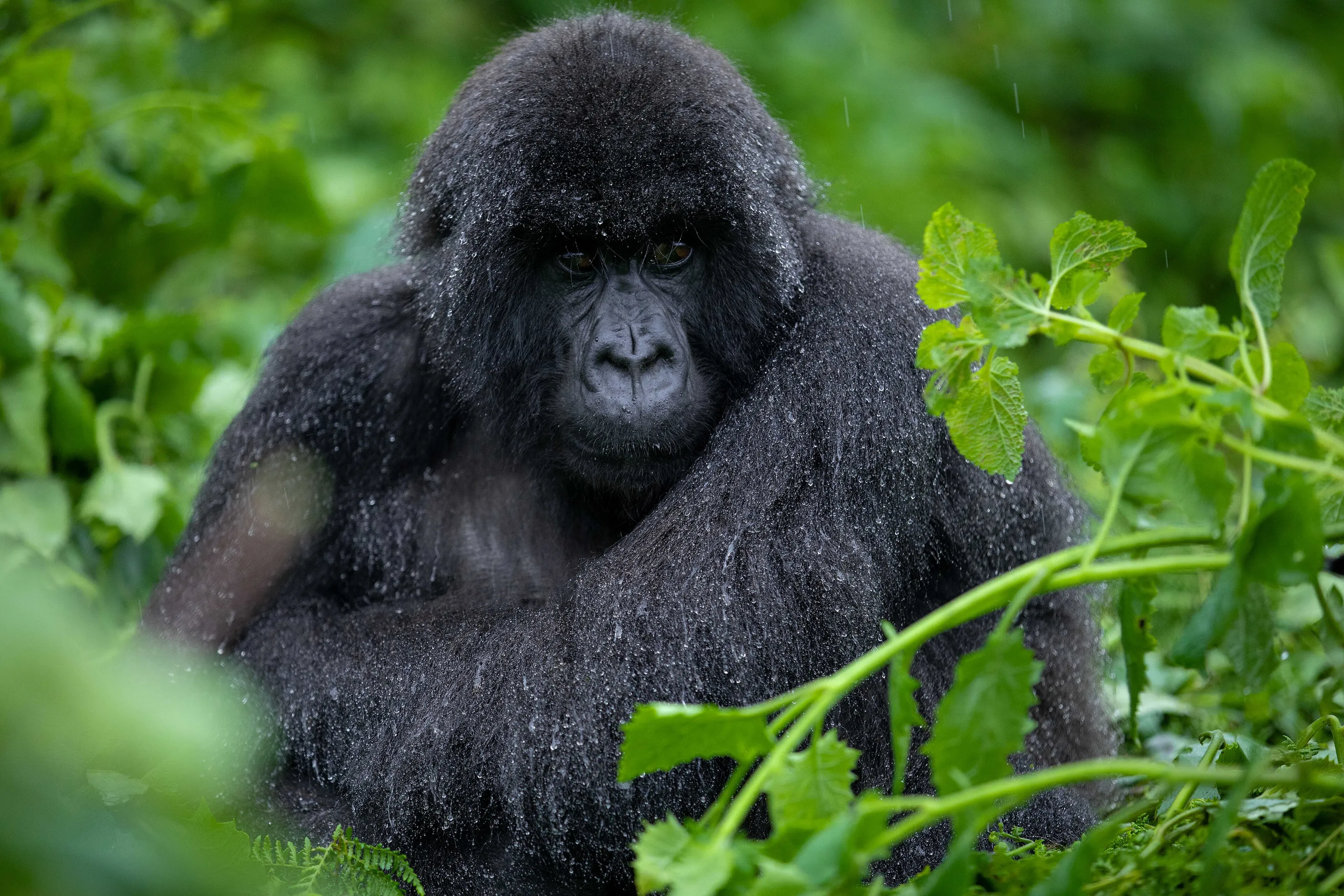
In Volcanoes National Park, at the foot of the Virunga range, small groups led by trackers spend an hour with a gorilla family. The trek lasts from one to several hours depending on where the animals are, and permits sell out well in advance.
Big variety, short distances
Bamboo-covered volcanoes, the Nyungwe mountain forest, Akagera's savanna and large lakes: Rwanda packs landscapes that take days to link elsewhere. Main roads are paved and journeys stay short.
Clean and safe
Plastic bags have been banned since 2008, and the country ranks among the safest in Africa. Kigali is easy to explore on foot, with cafes, art galleries and car-free Sunday mornings twice a month.
Memory and culture
The Kigali Genocide Memorial, part of a UNESCO listing since 2023, explains the recent past. The rebuilt royal palace at Nyanza with its long-horned inyambo cattle, traditional dance and specialty coffee tell the rest.
Where to go
Volcanoes, Akagera, Nyungwe, Lake Kivu and Kigali
Most trips start in Kigali, head up to Musanze and the volcanoes, then drop down to Lake Kivu and Nyungwe or cross east to Akagera. Nothing is far from anything else, so even ten days covers most of the country.
Volcanoes, Musanze and the twin lakes
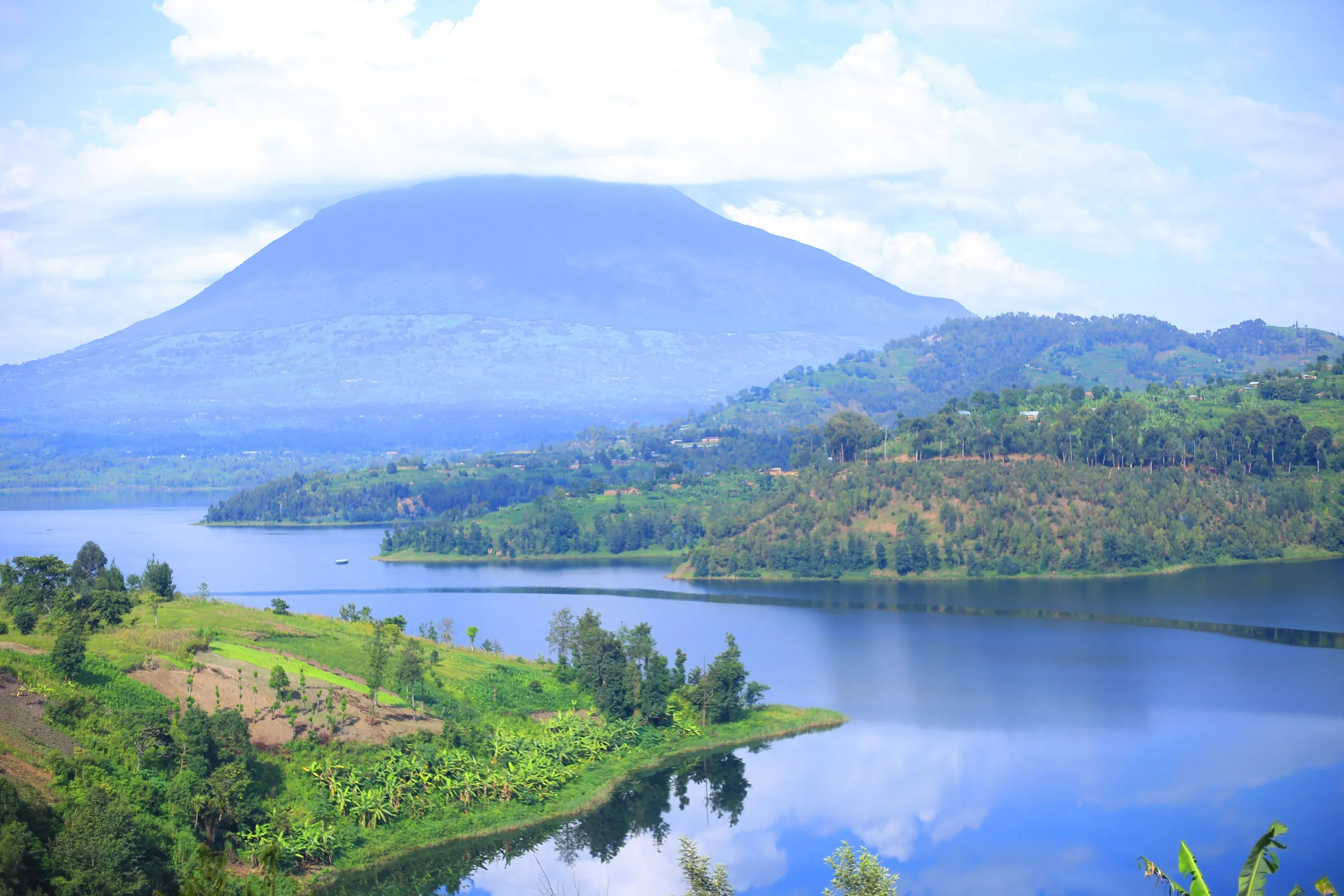
Volcanoes National Park is the place to see mountain gorillas, on slopes of bamboo and high meadows. Hikes also lead to the volcanoes and to golden monkeys. At the foot of the Virunga range, lakes Burera and Ruhondo, known as the twin lakes, offer boat rides, kayaking and terraced hills, a quiet break after a trek. To extend your trip north, see also our Uganda page.
Akagera, the eastern savanna
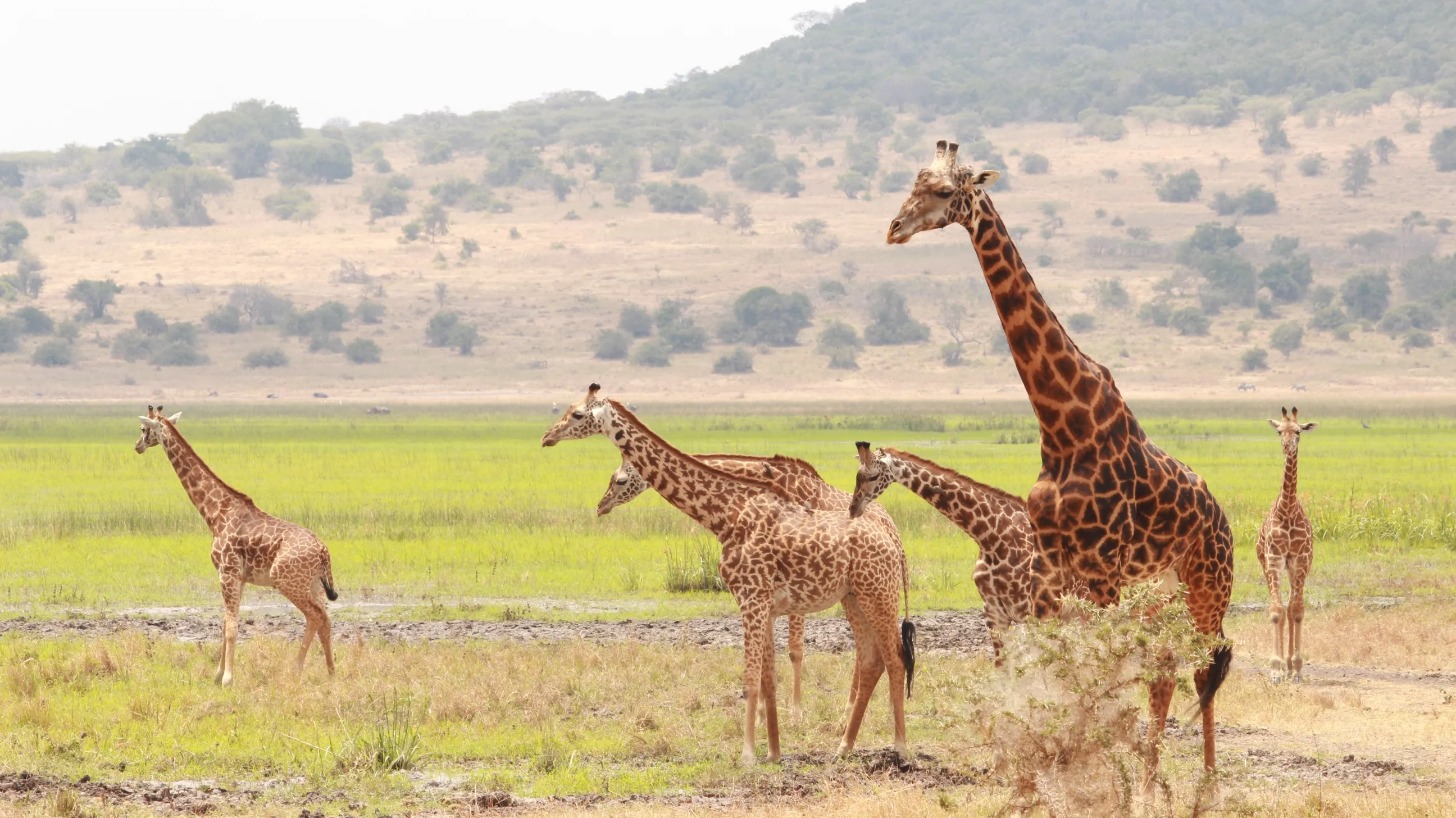
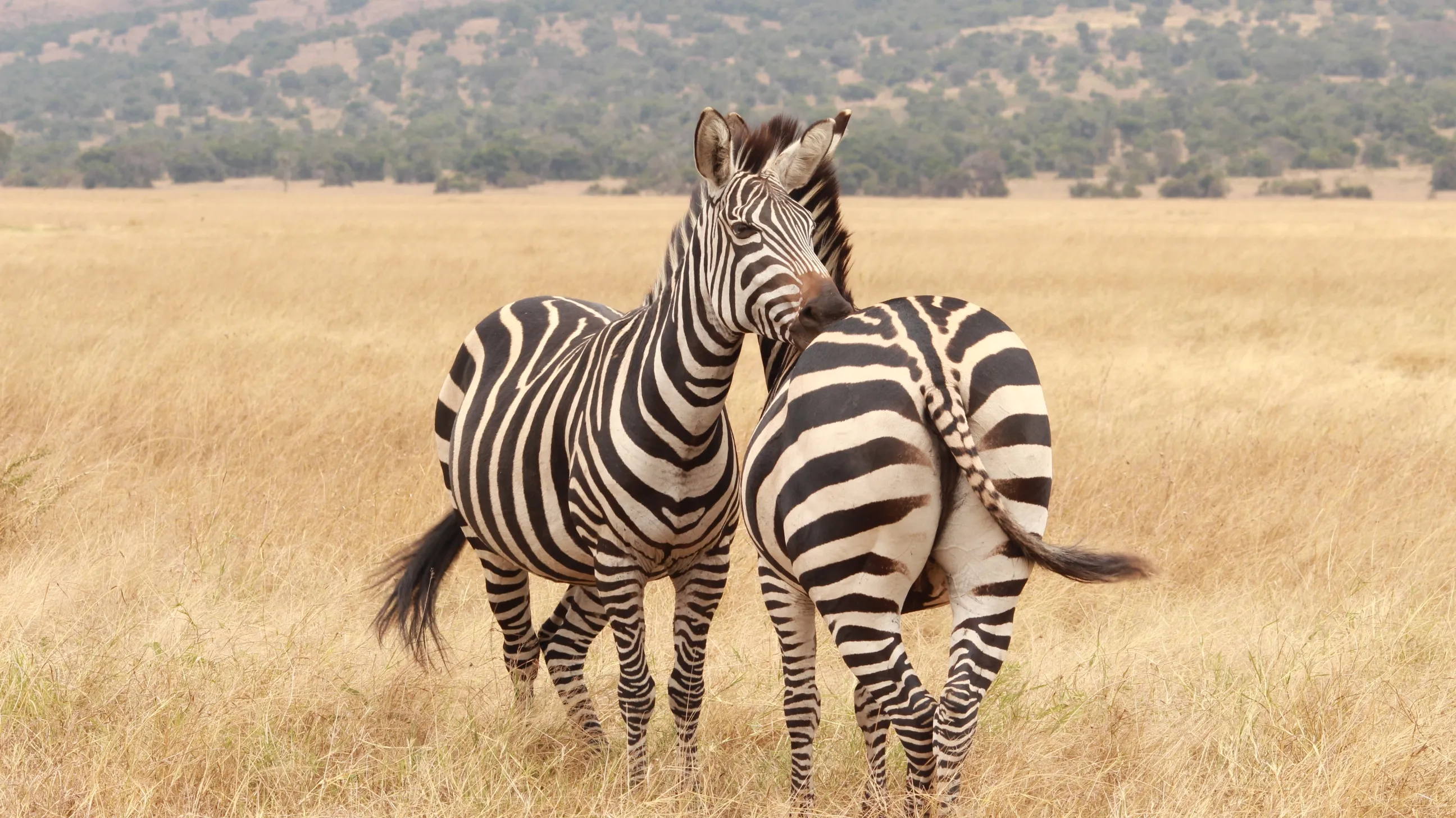
In the east, Akagera National Park is a classic savanna reserve with giraffes, zebras, elephants and buffalo, plus lions reintroduced in 2015 and black rhinos brought back since. You explore by 4x4, on foot with a guide, or by boat on Lake Ihema. It is a far more affordable alternative to a gorilla trek and works as a day trip or overnight from Kigali.
Nyungwe and Lake Kivu
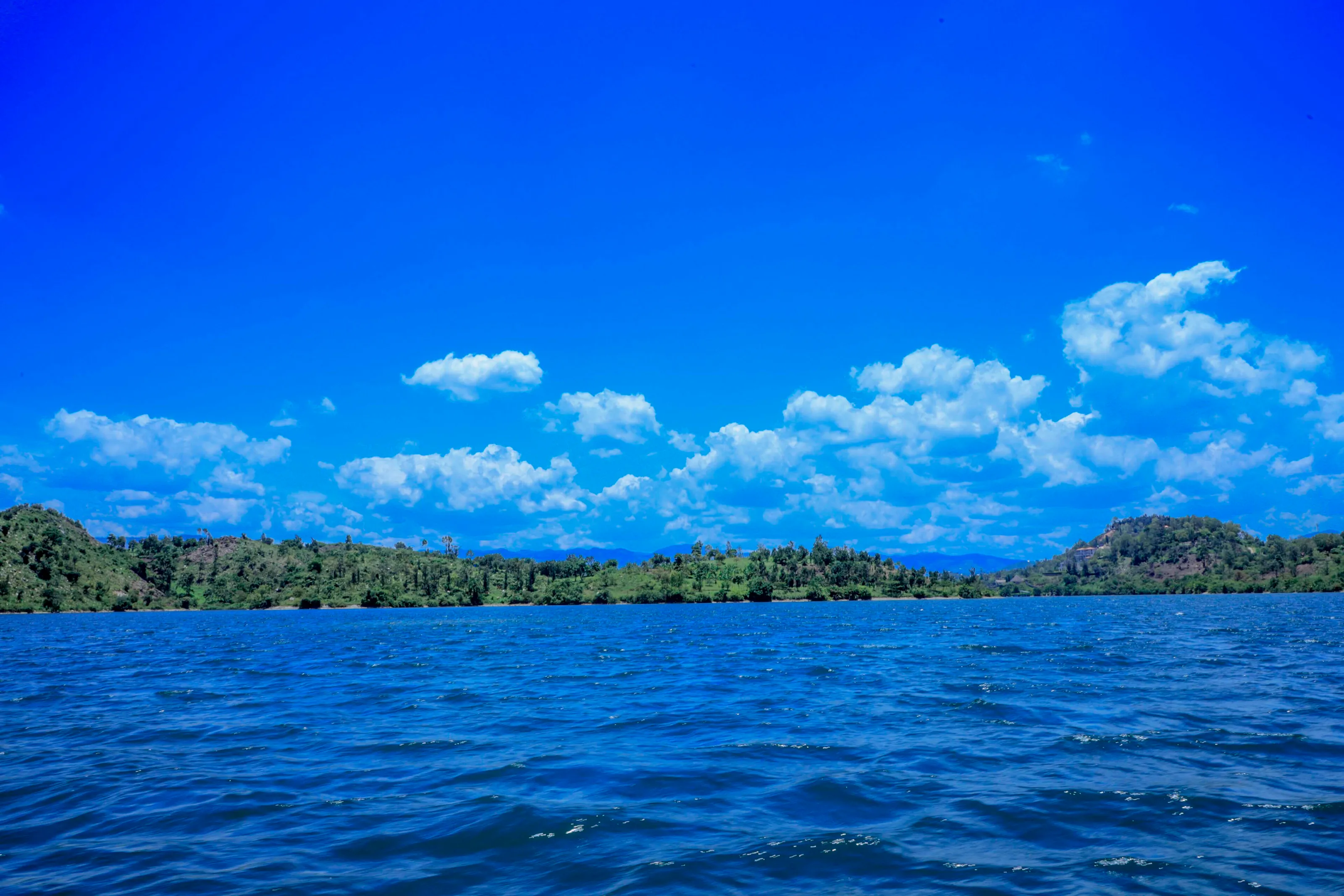
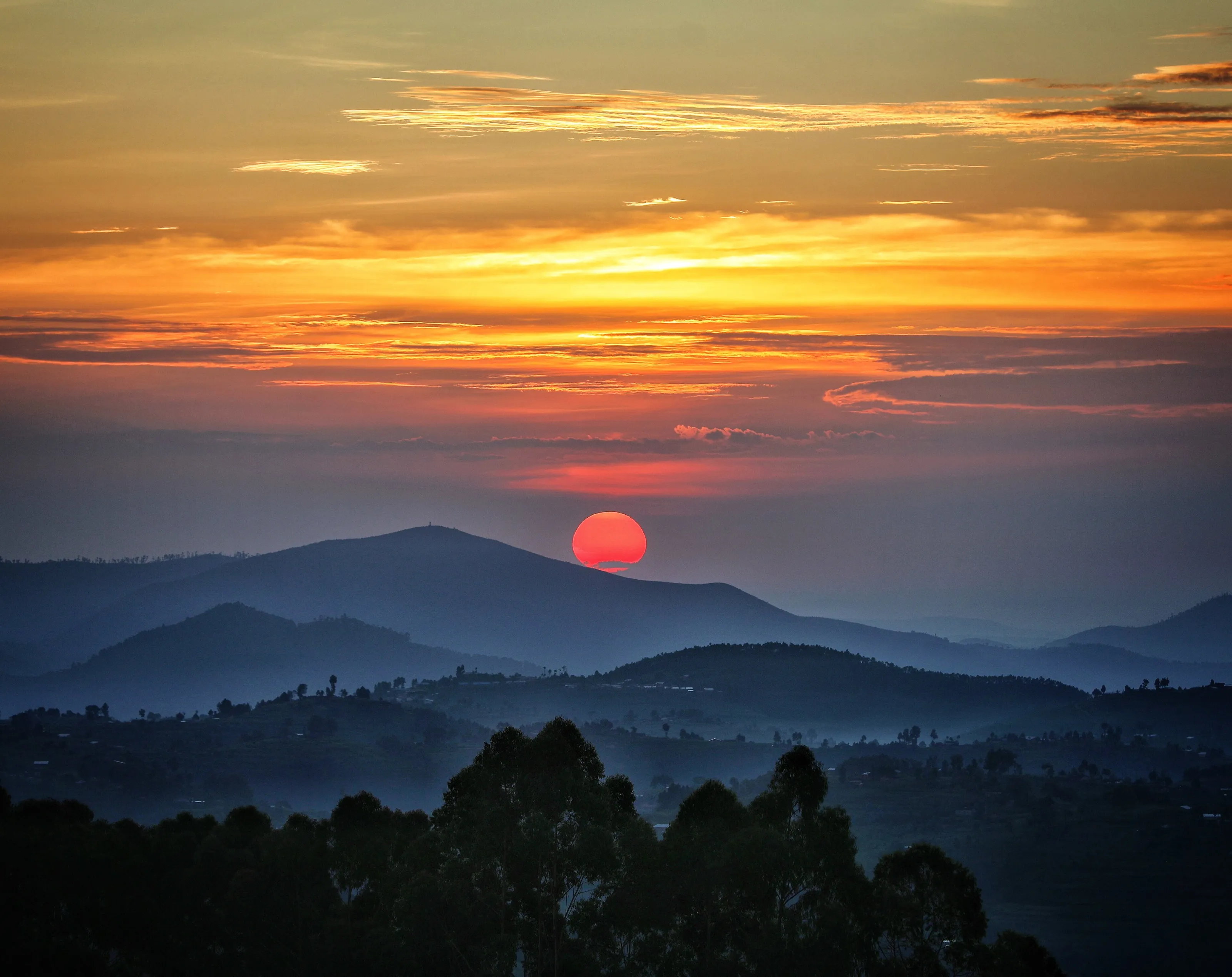
In the southwest, Nyungwe is one of the best-preserved mountain rainforests in central Africa, with thirteen primate species including chimpanzees, a canopy walkway and hundreds of birds. Further north, Lake Kivu, up to about 480 metres deep, runs along the western border. Rubavu (Gisenyi), Karongi (Kibuye) and Rusizi are the bases for swimming, kayaking and boat trips, and the Congo Nile Trail, a walking and cycling route of roughly 227 kilometres, follows the shore.
Kigali, the capital
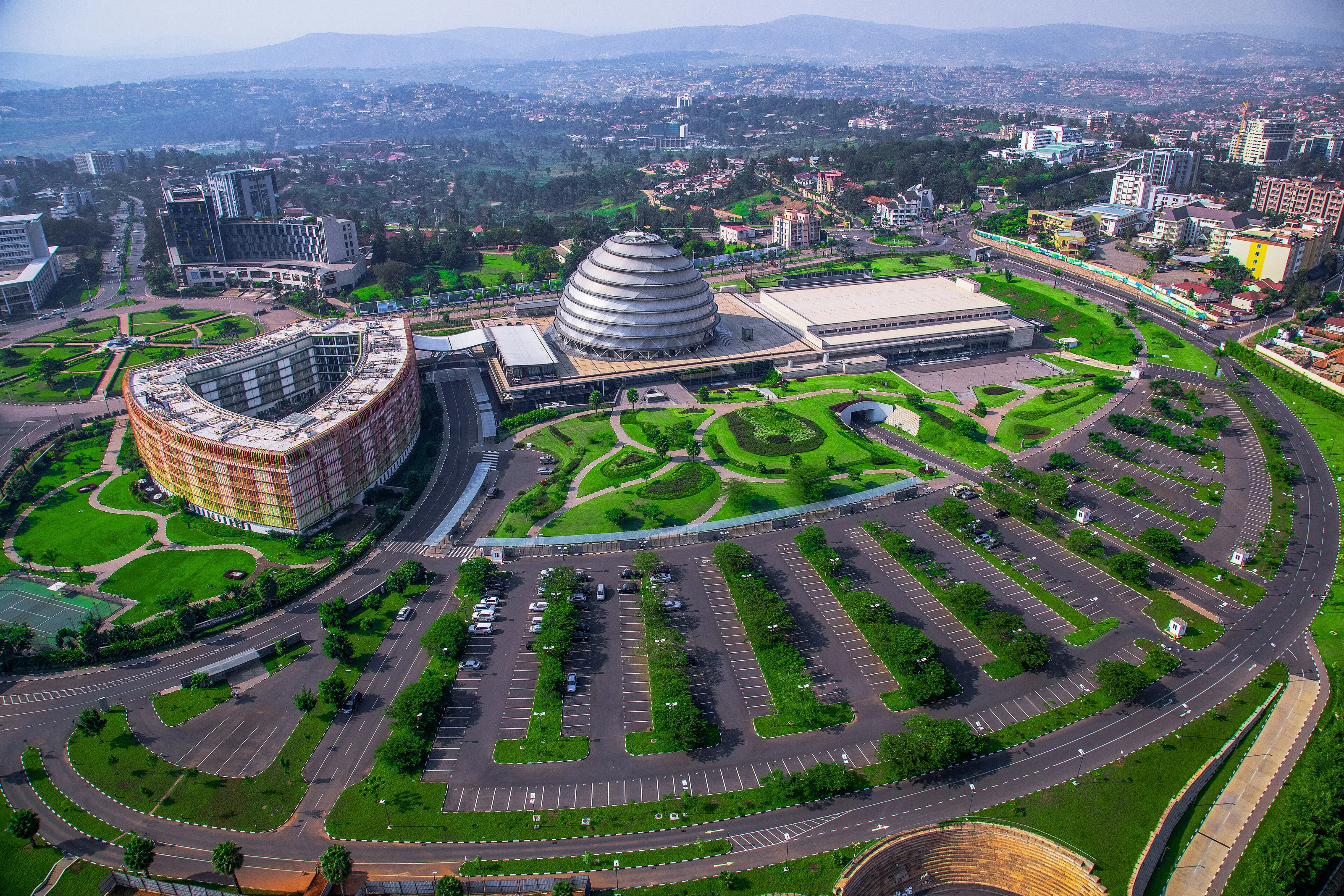
Kigali spreads over hills at the centre of the country. Visit the Genocide Memorial, have coffee in the leafy neighbourhoods, browse contemporary art galleries and look at the Kigali Convention Centre, whose dome has become the city's emblem. On the first and third Sunday of each month, some central roads close to cars in the morning for walking and cycling.
Before you go
A mild highland climate with two dry seasons
| Region | Climate | Best time to visit |
|---|---|---|
| Kigali and the centre | Mild all year, roughly 15 to 28 C. Rain mainly February to May and September to December. | June to September, December to February |
| Volcanoes and the northwest | Cool and damp at altitude, frequent mist, heavier rain than elsewhere. Muddy trails in the wet seasons. | June to September, December to February |
| Akagera and the east | Warmer and drier, open savanna. Animals gather near water in the dry season. | June to September |
| Nyungwe and Lake Kivu | Wet forest in the southwest, milder lakeshores. Frequent rain almost all year in the forest. | June to August, December to February |
Rwanda has two rainy seasons (February to May and September to December) and two dry ones, the longer from June to September. Dry weather makes treks easier, but gorilla permits go fastest then, so keep an eye on flight prices before fixing dates.
Getting around
Buses, moto-taxis and a driver-guide for the parks
There are no passenger trains. Intercity buses leave from Nyabugogo station in Kigali; main roads are paved and trips between Kigali, Musanze and Lake Kivu take a few hours. Traffic drives on the right, with frequent speed checks.
In Kigali, moto-taxis (helmets are mandatory, payment is often by mobile) and ride-hailing apps are the handiest. For the parks, the simplest option is a tour with a driver-guide, who also handles permits. Moto-taxis and bicycle taxis link smaller towns.
Food and culture
Brochettes, cooking bananas and specialty coffee
Brochettes, often goat, are sold everywhere, served with chips or grilled bananas. Cooking bananas, called igitoke or matoke, underpin many dishes, and the lunchtime melange, a buffet of starches, beans and sauce, fills you up for very little.
Milk is an institution, including fermented milk (ikivuguto). Primus and Mützig are the local beers. Rwanda grows well-regarded specialty coffee, with cooperative visits near Kigali, Lake Kivu and Huye.
Flying to Rwanda
The Rwandan airport tracked by SniperAir
Kigali International
The country's international airport, at Kanombe, east of the capital. Allow about 10 km to the centre, or 20 to 30 minutes by road depending on traffic. It is the entry point for every trip, whether heading to Musanze, Lake Kivu or Akagera.
FAQ
Frequently asked questions about Rwanda
Which airport should I fly into for Rwanda?
Kigali (KGL) is the country's international airport and the entry point for almost every trip. The parks and Lake Kivu are reached by road from there.
When is the best time to visit Rwanda?
The dry seasons, June to September and December to February, suit treks and safaris best. Rains from February to May and September to December make trails slipperier but the scenery greener.
Is Rwanda expensive to visit?
The gorilla permit makes up a large share of the budget. Everything else, accommodation, local meals and transport, stays reasonable, and Akagera offers a cheaper safari. Choosing your season and tracking flight prices helps keep the total down.
Do I need a visa for Rwanda?
Entry rules depend on your nationality and change over time. A visa on arrival or online is possible for many travellers, and a yellow fever certificate may be requested depending on where you arrive from. Check official websites and your government's travel advice before booking.
How long should I spend in Rwanda?
Plan five to seven days for gorillas, Kigali and a lake, and about ten days if you add Akagera and Nyungwe. The country is small, but the roads wind through hills.
Can I see gorillas without a long trek?
Encounters involve a forest walk of one to several hours depending on where the group is, on slopes that can be steep and muddy. Permits are limited and booked far in advance. Talk to your doctor if you are unsure about your fitness.
How do I get alerted when flights to Rwanda drop in price?
Create a SniperAir alert profile with your departure airport and Kigali as the destination. We track prices and notify you when an opportunity matches. See how it works.
Ready to track prices to Rwanda?
Create an alert and let SniperAir do the rest.
Create my alert