
Travel to Iraq
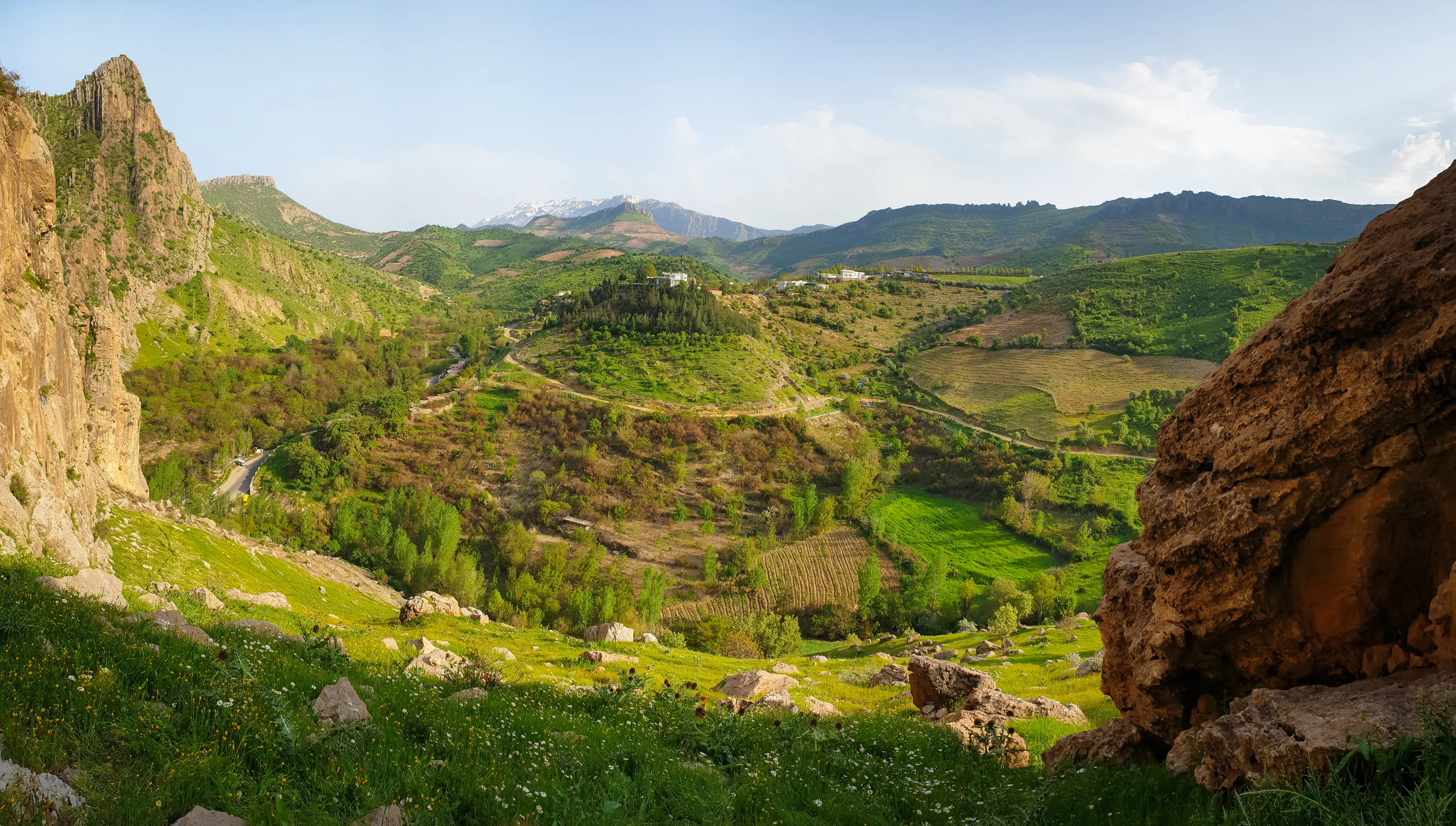
Between the Tigris and the Euphrates lies Mesopotamia: the cradle of writing, the land of Babylon and Ur, with green mountains in Kurdistan, marshes you cross by boat and holy cities. Plenty to dream about before you look for cheap flights to Iraq.
Iraq at a glance
Capital
Baghdad
Area
About 435,000 km²
Currency
Iraqi dinar
Languages
Arabic and Kurdish
Highest point
Cheekha Dar
Heritage
UNESCO sites
Continent
Asia
Time zone
UTC+3
Airports covered
3
Why visit Iraq
Mesopotamia, Kurdish mountains, marshes and holy cities
The land between two rivers
Mesopotamia saw the birth of cuneiform writing, the first cities and the empires of Sumer, Akkad, Assyria and Babylon. Few countries hold so many layers of ancient history.
UNESCO-listed sites
Babylon (2019), the Erbil Citadel, the caravan city of Hatra, Samarra and the southern marshes make up an exceptionally rich heritage.
The mountains of Kurdistan
Green valleys in spring, cities such as Sulaymaniyah and Erbil, peaks above 3,000 m: the north shows a very different face of the country.
Marshes, tea and dates
In the south the marshes hold reed houses, water buffalo and boats; at the table you try dolma, grilled fish, flatbread, strong tea and dates.
Highlights
Kurdistan, Babylon, Karbala, the southern marshes and Baghdad
A trip to Iraq often has two parts: Kurdistan and its mountains in spring or autumn, then the great historic stops of the centre and south. Here are the places to dream about.
Sulaymaniyah, Erbil and the mountains of Kurdistan
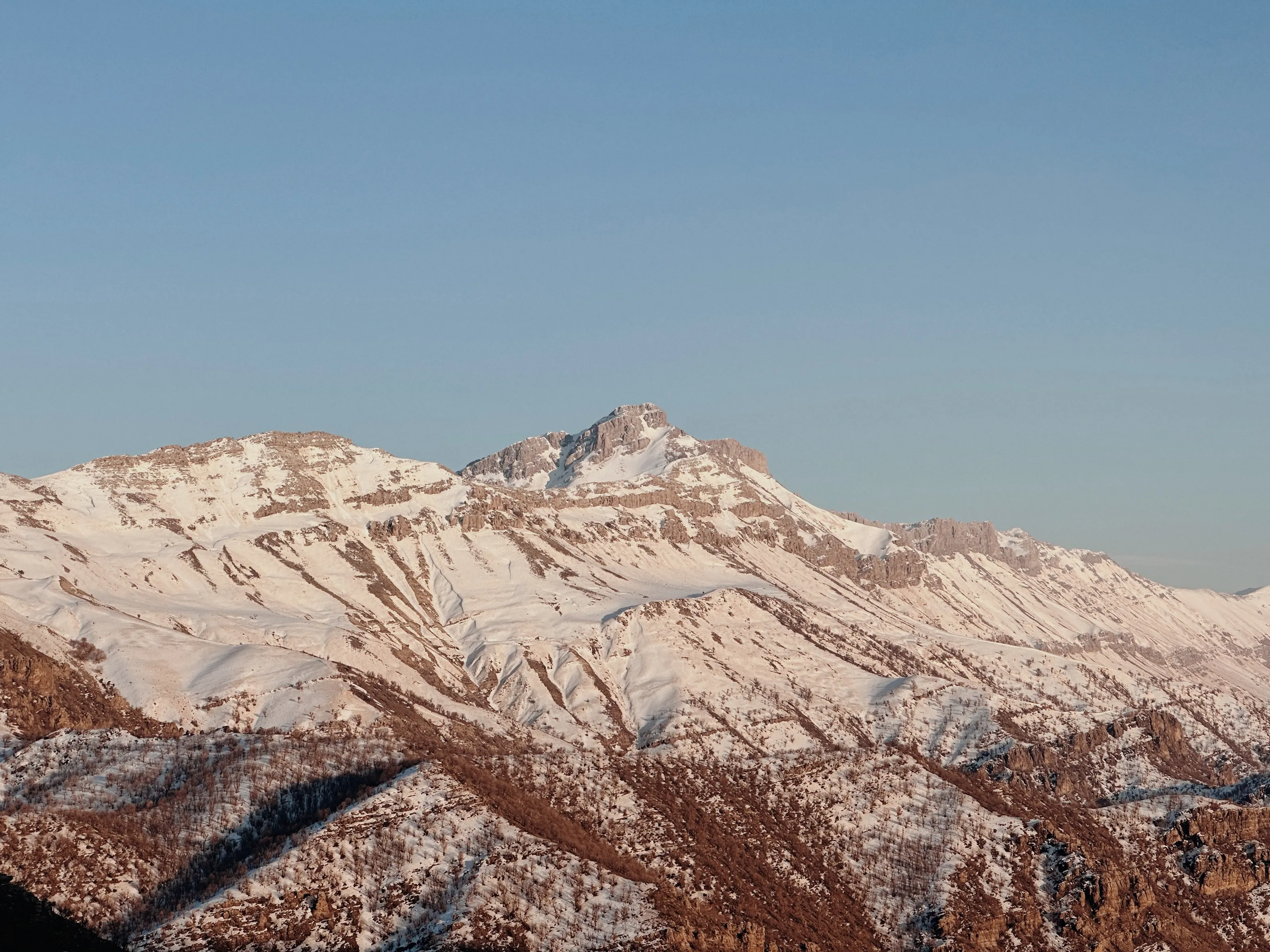
In the north-east, Sulaymaniyah, founded in 1784, spreads between the Azmar, Goizha and Qaiwan mountains: cafes, bookshops and green valleys within easy reach. Erbil, further west, looks down on its old town from its citadel, a mound inhabited for more than five thousand years and UNESCO-listed in 2014. In spring the region turns to meadow; in winter the summits are white.
Babylon, the city of Nebuchadnezzar
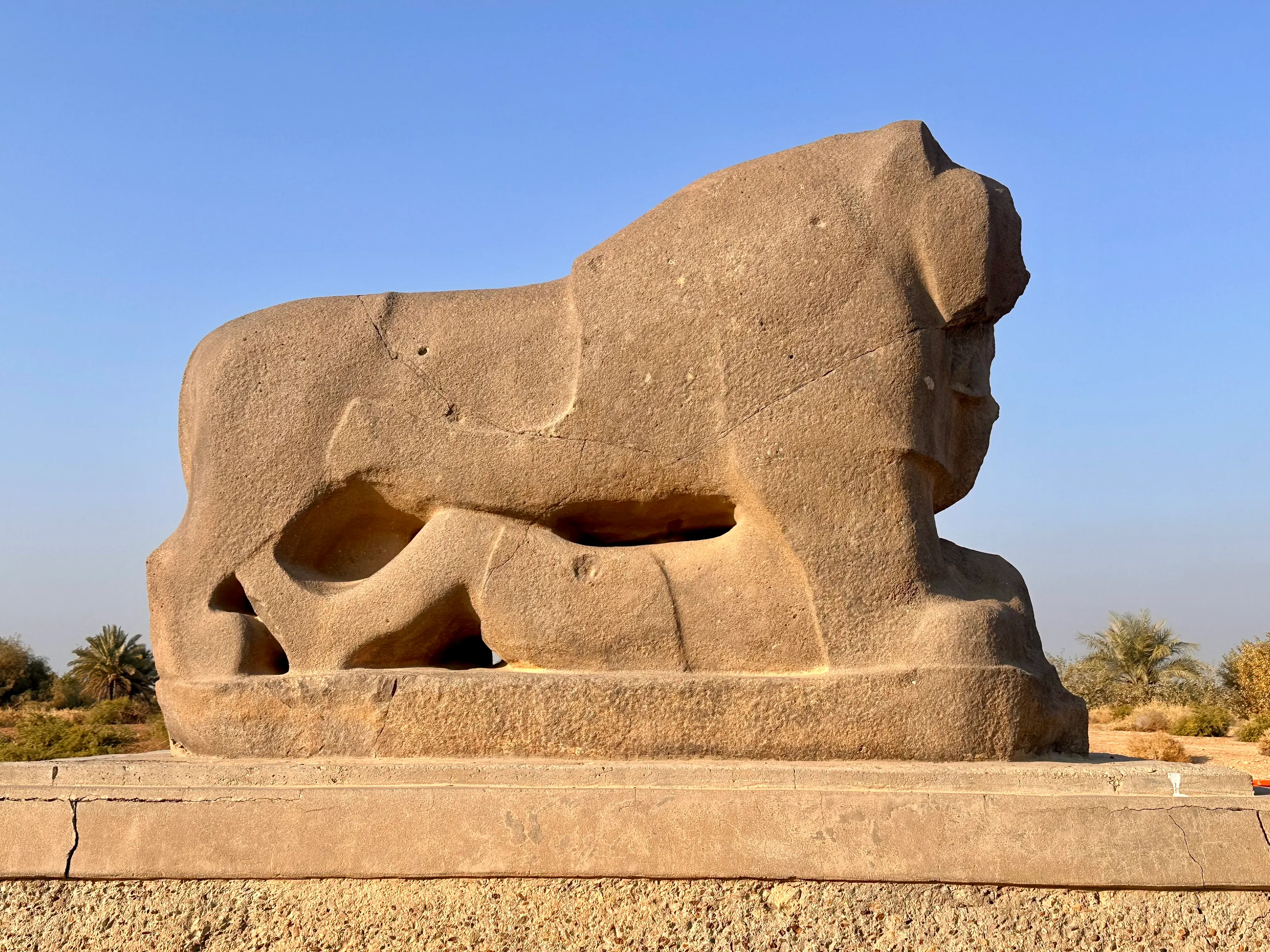
About a hundred kilometres south of Baghdad, Babylon has rebuilt walls, palaces and the famous stone lion. The site has been UNESCO-listed since 2019; visitors are still mostly Iraqis, which leaves plenty of room to wander among the ancient bricks.
Karbala, a holy city of Shia Islam
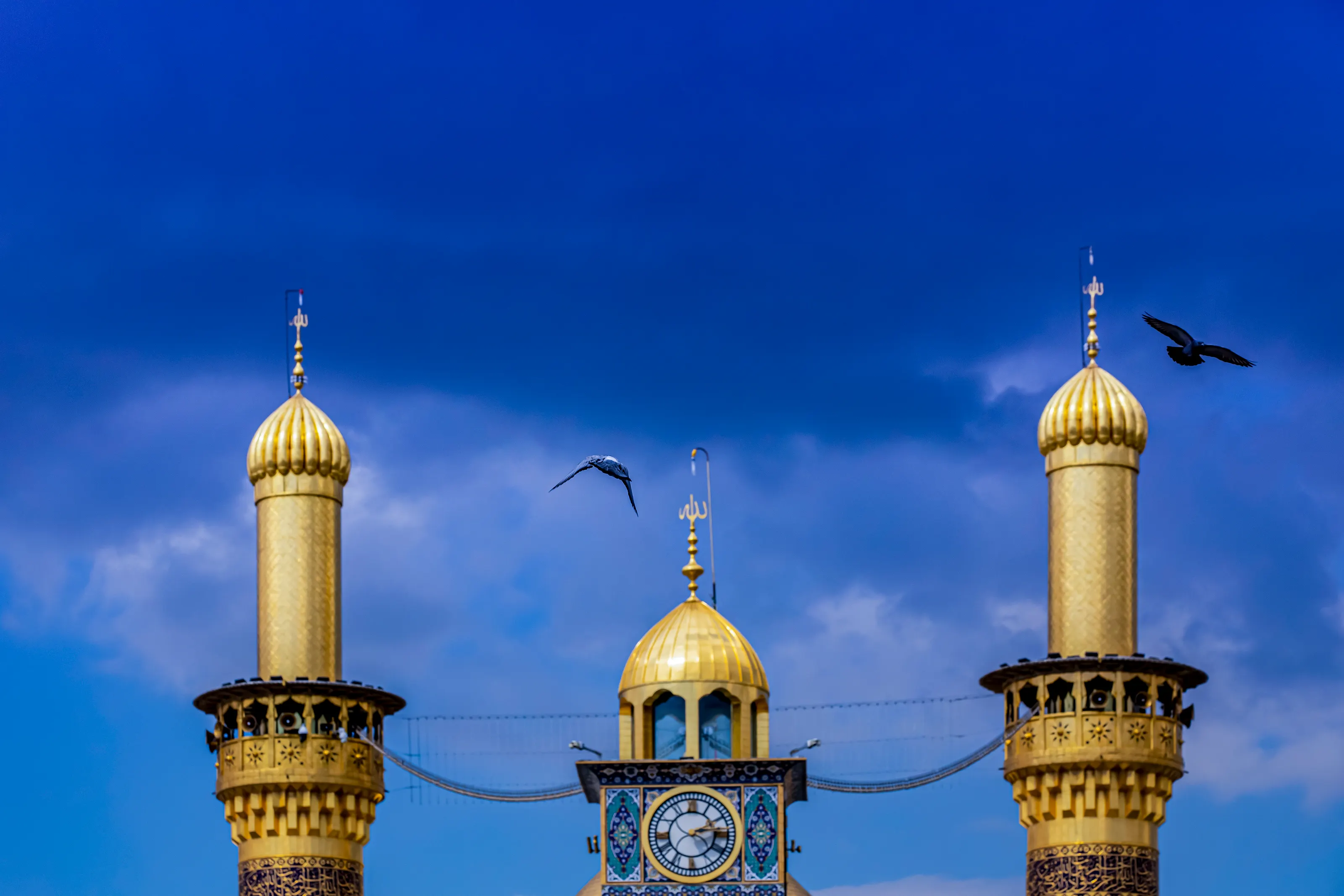
Karbala is home to the shrines of Imam Husayn and Al-Abbas, whose golden domes and minarets draw very large numbers of pilgrims each year. It is a place of devotion: modest dress, a low voice and respect for the rules of the holy sites are expected of visitors.
The southern marshes and Ur
Between Basra, Nasiriyah and Amarah, the Mesopotamian marshes form a world of water and reeds, UNESCO-listed in 2016: reed houses, water buffalo and boats gliding at dawn. Not far from Nasiriyah, the ziggurat of Ur, more than four thousand years old, recalls the great Sumerian era; it was excavated in the 1920s and 1930s.
Baghdad, Hatra and the memory of the caliphs
Baghdad was the capital of the Abbasid caliphs from the 8th to the 13th century; people come for its museums, the Tigris riverbank and its souks. Further north, Hatra, a fortified caravan city of the 2nd century, lines up temples and colonnades among the richest Parthian-era sites.
Before you go
Spring and autumn almost everywhere, winter in the south, summer in Kurdistan
| Area | Climate | Best time |
|---|---|---|
| Kurdistan (Erbil, Sulaymaniyah) | Hot summers, cooler in the mountains; cold winters with snow. | April to June, September to October |
| Baghdad, Babylon, Karbala | Desert climate: very hot summers, cool winters. | March to May, October to November |
| Southern marshes and Ur | Intense summer heat, mild and more pleasant winter. | November to March |
| Hatra and the north-west | Hot, dry summers; cool winters. | March to May, October to November |
Avoid midsummer in the centre and south, when temperatures often exceed 40 °C. Entry requirements vary by nationality; check them before fixing your dates. Official travel advice may recommend against some areas: consult your home country's advice before any trip and follow it.
Getting around
Roads, domestic flights and local drivers
Distances are long between Kurdistan, Baghdad and the south, so travellers combine domestic flights, car journeys with a driver and organised tours. A local guide makes it easier to reach the sites and know their opening hours.
Keep some slack in your schedule, especially on long journeys, and ask about road conditions. A local driver or guide also knows the etiquette to follow at places of worship.
Food and culture
Dolma, grilled fish, strong tea and dates
Iraqi cooking draws on more than four thousand years of tradition: stuffed dolma, kubba, fragrant rice, flatbread straight from the oven and grilled river fish. Strong tea accompanies every conversation, and dates, of which Iraq is one of the world's largest producers, finish the meal.
Mesopotamian tablets even preserve the oldest known recipes. In Kurdistan you also discover a mountain culture of waterside picnics and lively cafes.
Travel to Iraq
The Iraqi airports covered by SniperAir
Baghdad International
Baghdad's airport, about sixteen kilometres west of the centre. It is the country's busiest airport and the gateway to Babylon and Karbala.
Erbil International
Erbil's airport, in Kurdistan. The most convenient for Sulaymaniyah, the Erbil Citadel and the northern mountains.
Basra International
Basra's airport, in the south, useful for the marshes and for Ur.
SniperAir destinations
Discover our destination pages
FAQ
Frequently asked questions about Iraq
Which airport should I choose for Iraq?
Erbil (EBL) for Kurdistan, Baghdad (BGW) for the centre, Babylon and Karbala, Basra (BSR) for the marshes and Ur. SniperAir tracks all three.
When is the best time to travel to Iraq?
Spring (March to May) and autumn (October to November) are the most pleasant. Kurdistan is greenest in spring; the south is better visited in winter. Avoid summer in the centre and south.
Is travelling to Iraq expensive?
The budget depends on travel style, region and transport: long journeys and guides weigh more than meals. The flight is often the biggest cost, which is why following prices pays off.
Do I need a visa for Iraq?
It depends on your nationality and the area you visit. Check entry requirements with the Iraqi authorities and on your home country's official website.
How long should I spend in Iraq?
Ten days to two weeks let you combine Kurdistan, Baghdad, Babylon, Karbala and the south; a week is enough for Kurdistan alone.
What should I know before I go?
Official travel advice may recommend against some areas: consult your home country's advice before any trip and follow it. Do not assume the whole country is equally accessible, and respect holy sites such as Karbala.
How do I get alerted when flights to Iraq get cheaper?
Create a SniperAir alert profile with your departure airport and Erbil, Baghdad or Basra as your destination: we monitor prices and notify you as soon as an interesting deal appears. See how it works.
Ready to track prices to Iraq?
Create an alert and let SniperAir do the rest.
Create my alert