
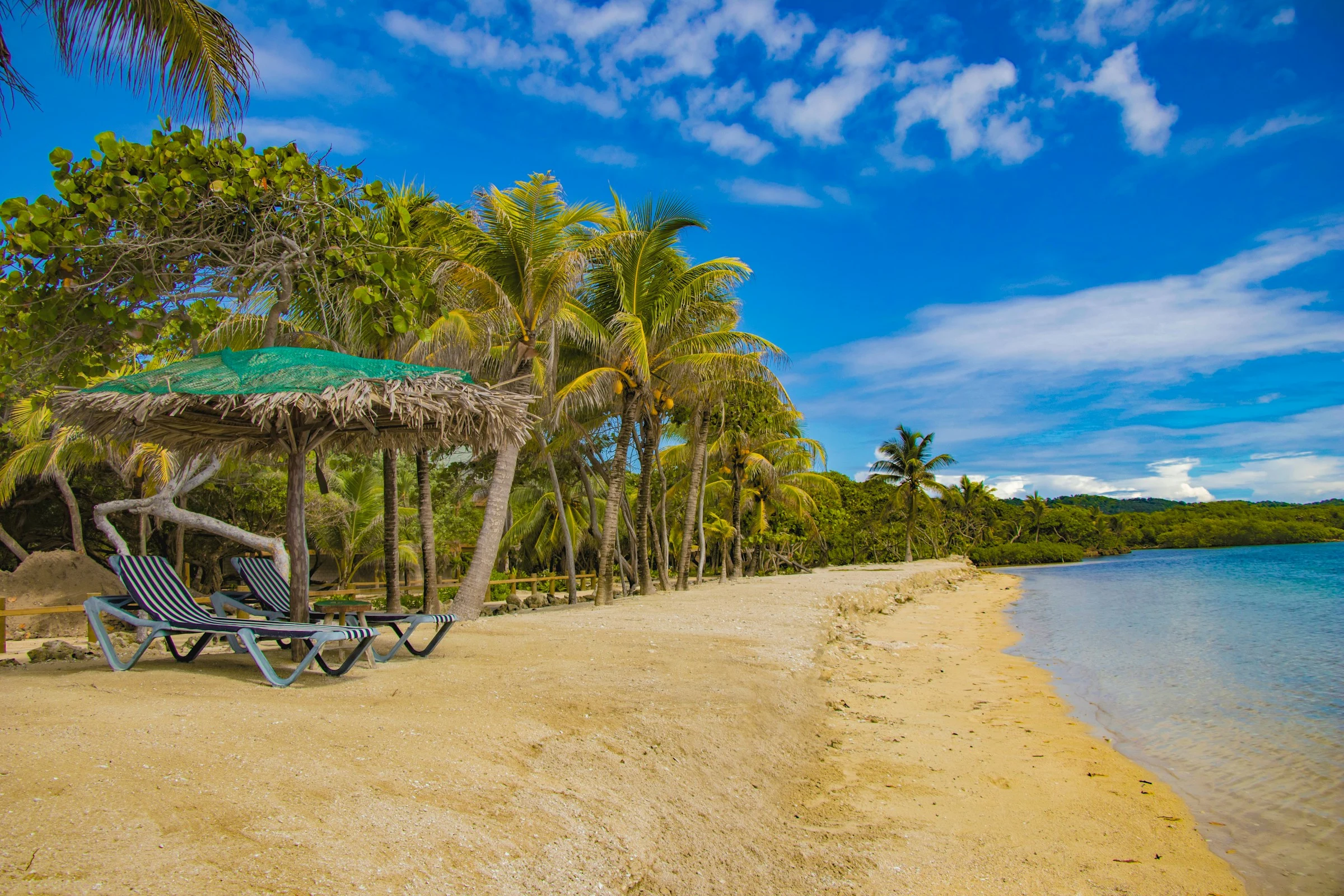
Travel to Honduras
Warm Caribbean water over one of the largest coral reefs on Earth, Maya ruins in the west and rainforest in the east: Honduras is Central America without the crowds. Here is what to know before you start tracking flights.
Honduras in numbers
Capital
Tegucigalpa
Population
~10.2 million
Area
~112,500 km²
Currency
Lempira
Language
Spanish
UNESCO sites
Río Plátano
Continent
North America
Time zone
UTC-6
Airports covered
1
Why visit Honduras
Reef, ruins and rainforest
Diving in the Bay Islands
Utila, Roatán and Guanaja sit off the north coast within the Mesoamerican Barrier Reef System. Utila is known for dive schools and Roatán for West End dive shops.
Maya ruins at Copán
Copán Ruinas is the base for the ruins, and the town also has Spanish schools.
La Mosquitia
The Río Plátano Biosphere Reserve, in the northeast, was listed as a UNESCO World Heritage Site in 1982.
Colonial towns and Garífuna villages
Gracias and Comayagua keep colonial centres, while Garífuna communities live along the Caribbean coast, including Punta Gorda on Roatán.
Getting around
Cheap buses, ferries and patchy roads
Buses are cheap and frequent, with San Pedro Sula as the main hub, but roads are often poor and night driving is not advised. Ferries run from La Ceiba to Roatán (about 80 minutes) and Utila (about 60 minutes). Domestic flights are often cancelled, so do not build tight connections on them.
Taxis usually have no meters, so agree on the fare before you get in. Hitchhiking is described as a last resort.
Highlights
Roatán, Utila, Copán and the mainland
Most itineraries combine the Maya ruins in the west with a few days on the islands.
Roatán
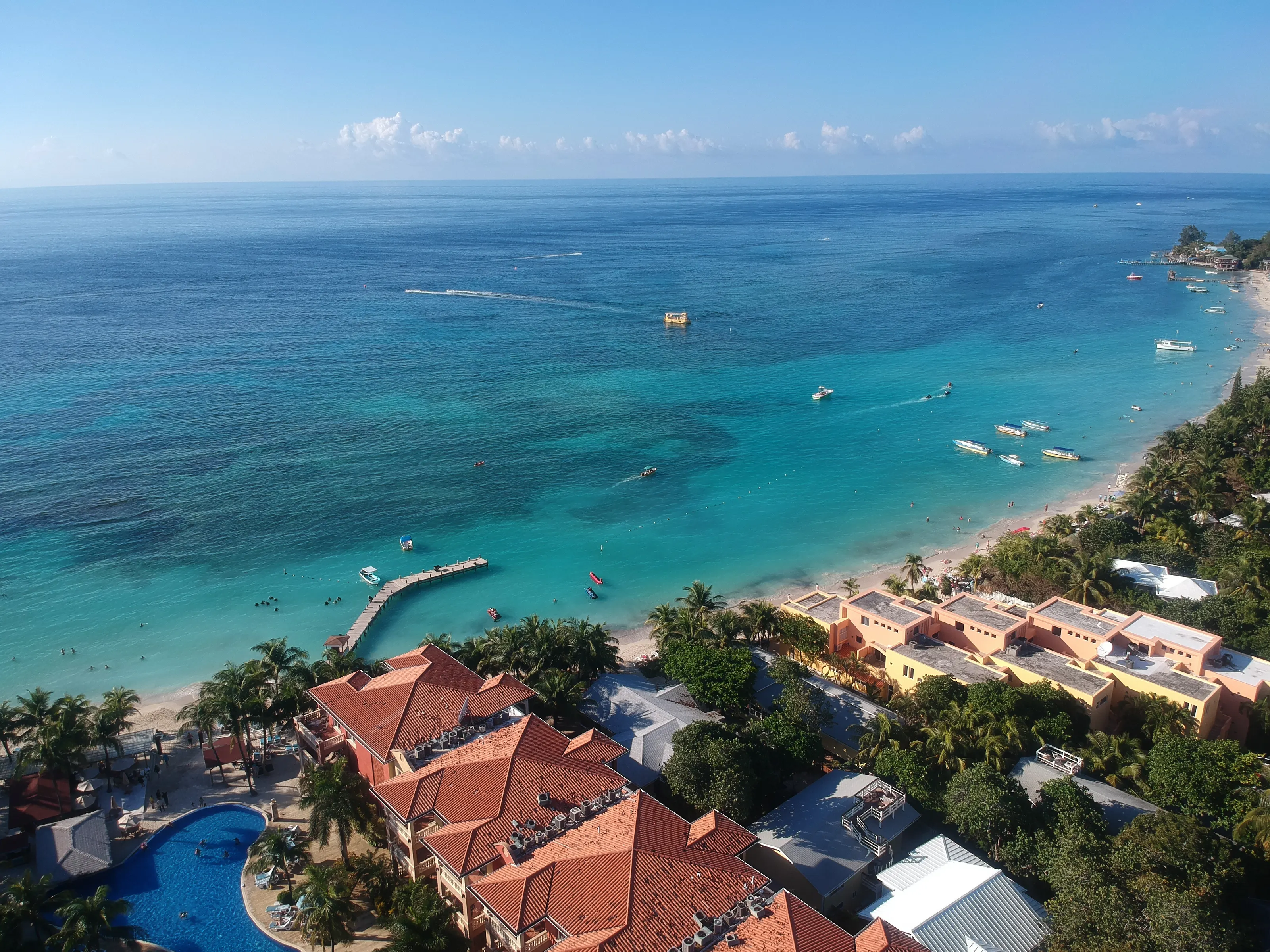
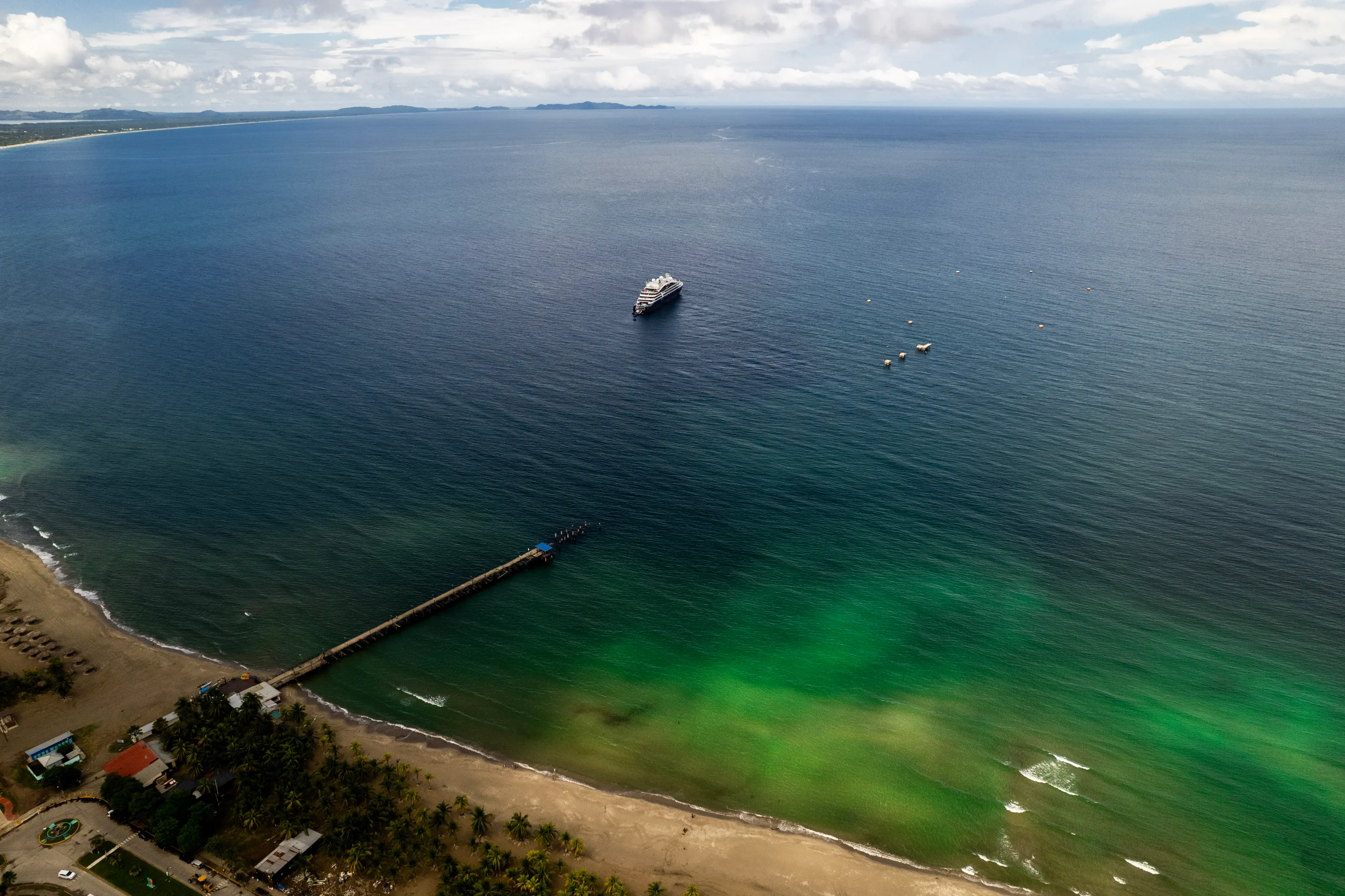
The largest Bay Island covers about 125 km². West Bay has the best beaches, West End is the dive-shop hub, and Coxen Hole is the main town. Only about a tenth of the island is inhabited; the rest is jungle and mangrove. Cruise ships call regularly.
Utila and Guanaja
Utila is known for its dive schools and certification courses. Guanaja is quieter.
Copán Ruinas
The Maya ruins are in the far west of the country, near the Guatemalan border,, and the nearby town has Spanish schools.
San Pedro Sula
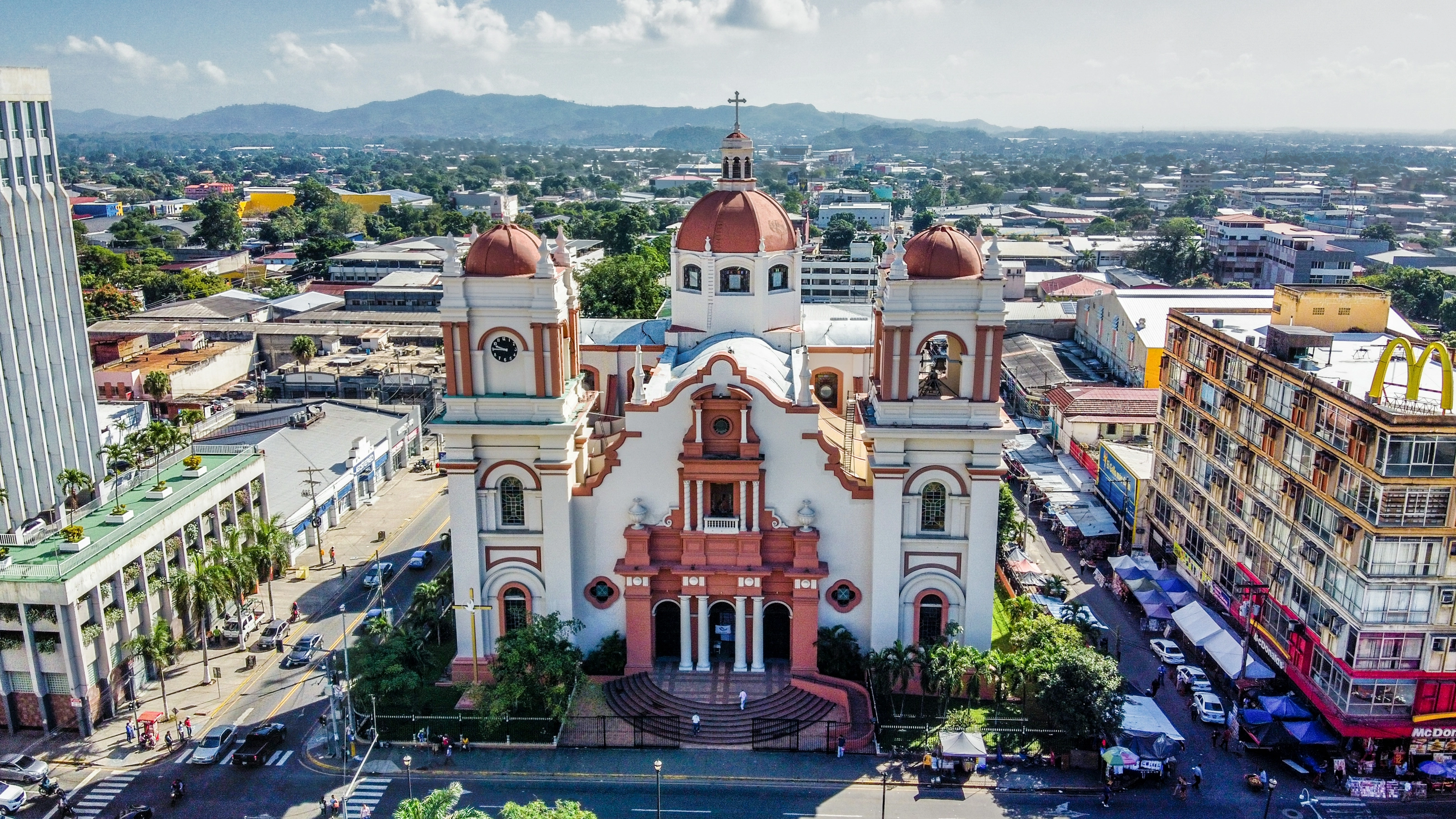
A modern, industrial city and the usual arrival point. Guamilito market sells crafts, and the bus network radiates from here.
La Ceiba, Tela and Gracias
La Ceiba is the gateway to the islands and to Pico Bonito National Park; Tela is a beach resort; Gracias is a colonial hill town.
Before you go
Hot all year, rain depends on the coast
| Area | Climate | What to do |
|---|---|---|
| Bay Islands | Tropical maritime around 27 °C; hurricanes infrequent | Diving, snorkelling, beaches |
| Caribbean coast | Rainiest from September to February | Garífuna villages, La Ceiba, Tela |
| Interior (Copán, Tegucigalpa) | Cooler with altitude; Tegucigalpa's dry season runs December to May | Ruins, colonial towns |
Hurricane Mitch in 1998 destroyed about 70% of crops and killed roughly 5,000 people, a reminder that hurricane season matters.
Citizens of the EU, Switzerland, Japan and most Western countries do not need a visa; your passport should be valid for at least three months after departure, and a 90-day stay is shared among Honduras, Guatemala, El Salvador and Nicaragua. Check current rules and your government's travel advice, which flags high crime.
To extend your trip, see also Costa Rica and Mexico. Guatemala and Nicaragua fit easily into the same route.
Food and culture
Baleadas, tapado and conch soup
Honduras declared independence from Spain on 15 September 1821. Columbus landed near modern Trujillo in 1502.
Try baleadas (filled flour tortillas), the plato típico of rice, beef, fried beans and plantains, tajadas, and tapado, a beef-and-vegetable soup often served on Sundays. Horchata and posol are the local drinks, and conch soup is a Bay Islands staple. Lenca pottery and leather crafts make good souvenirs.
Flying to Honduras
The Honduran airport SniperAir covers
Ramón Villeda Morales (San Pedro Sula)
About 11 km southeast of the city; opened in 1965 and handled 1,345,926 passengers in 2024. Air Europa began flying to Madrid in 2017, and US routes include Miami, Atlanta, Orlando, Fort Lauderdale, Houston and Newark.
FAQ
Frequently asked questions about Honduras
Which airport do I fly into for Honduras?
San Pedro Sula (SAP) is one of the international airports, alongside Tegucigalpa and Roatán. From San Pedro Sula you can continue by bus or domestic flight.
What's the best time to visit Honduras?
High season runs December to March. The Caribbean coast is rainiest from September to February, and the islands stay warm all year.
Where can you dive in Honduras?
Around the Bay Islands: Utila, Roatán and Guanaja, along the Mesoamerican Barrier Reef.
Do I need a visa for Honduras?
Citizens of many countries can visit without a visa for short stays with a valid passport. Rules change, so confirm them with official sources.
Is Honduras safe?
Guidebooks describe high crime, especially in the big cities. Avoid night outings, use radio-dispatched taxis, and read your government's travel advice before you go.
How long should I spend in Honduras?
Eight to twelve days covers Copán and the Bay Islands.
How do I get alerted when a flight to Honduras drops below my budget?
Create a SniperAir alert profile with your departure airport and San Pedro Sula as your destination: we track prices for you and notify you the moment a deal matching your criteria appears.
Ready to track prices to Honduras?
Create an alert and let SniperAir do the rest.
Create my alert