
Travel to Eswatini
A small kingdom tucked between South Africa and Mozambique, where a few hours take you from cool highland hills to rhino savannah. Eswatini keeps traditional ceremonies that gather tens of thousands of people, game reserves you can explore on foot or by bike and a well-known craft scene. Here is what to know before you look for cheap flights to Eswatini.
Eswatini in numbers
Capital
Mbabane
Population
About 1.2M
Area
~17,400 km²
Currency
Lilangeni
Language
Swati and English
Highest peak
1,862 m
Continent
Africa
Time zone
UTC+2
Airports covered
1
Why visit Eswatini
A small country of royal traditions, mountains and rhinos
Ceremonies that are alive
The Umhlanga Reed Dance in August and the Incwala ceremony gather tens of thousands of Swazis in traditional dress. They are not staged for tourists: the tourism board sees one of the best-preserved cultural heritages in Africa.
The Big 5 in miniature
About seventeen protected areas hold elephants, lions and both black and white rhinos, which can be approached on foot. Hlane and Mkhaya are the big reserves; gentler Mlilwane is explored by bike or on horseback.
From highveld to lowveld
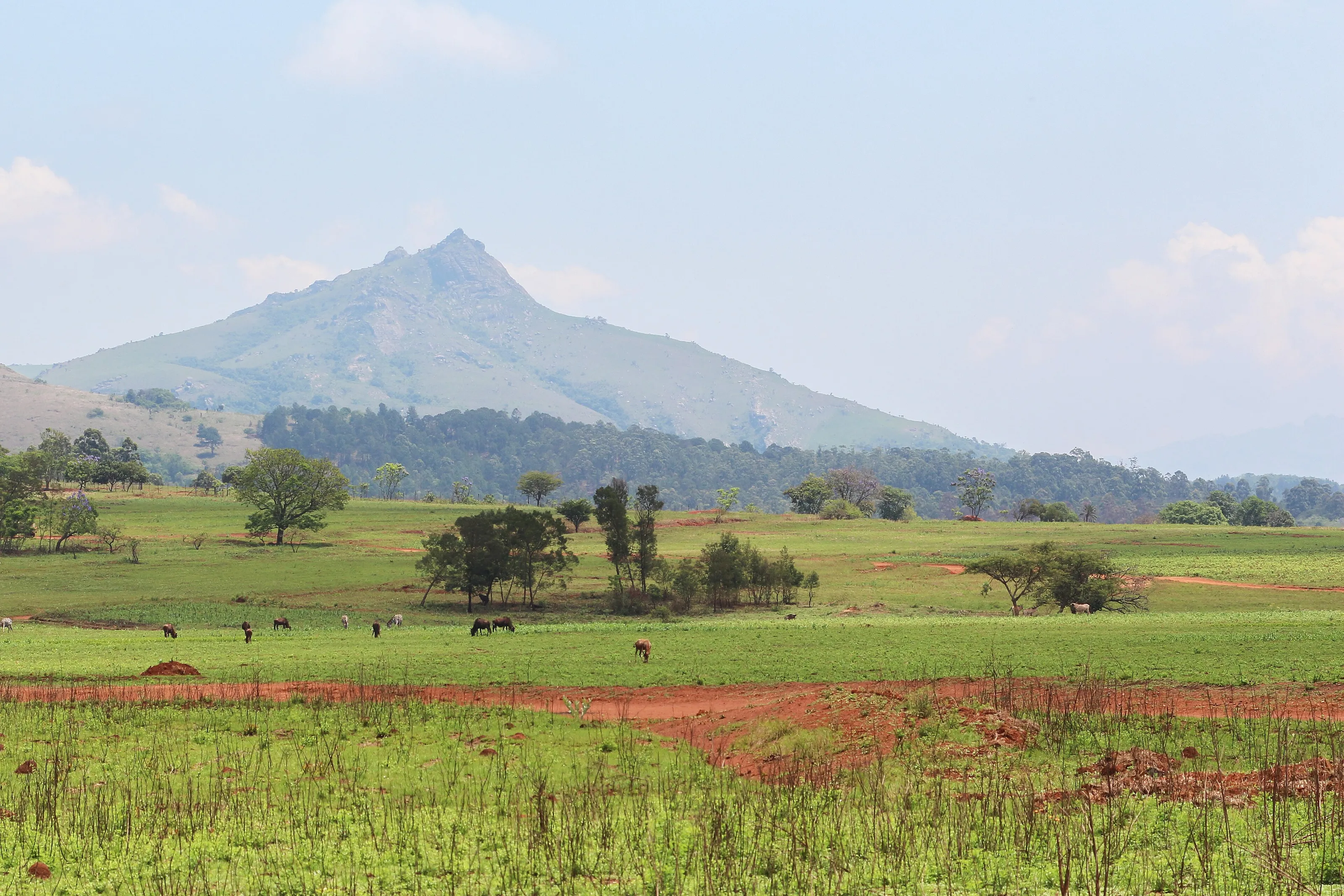
In a few hours' drive you pass from cool hills at around 1,300 metres to hot plains in the east, up to the Lebombo Mountains. Landscapes change quickly, with rafting on the Usutu and hikes in Malolotja.
Crafts and festivals
Candles, recycled glass from Ngwenya, weaving and beadwork: workshops employ local communities. The country also hosts festivals, such as Bushfire in May, one of the region's major arts festivals.
Where to go
Ezulwini, Mlilwane, Hlane, Malolotja and Mbabane
Most stays radiate from the Ezulwini Valley, a few kilometres from Mbabane, before heading to the reserves in the east. Many travellers combine Eswatini with South Africa or Mozambique: see our South Africa page and our Mozambique page.
Ezulwini Valley and Mlilwane
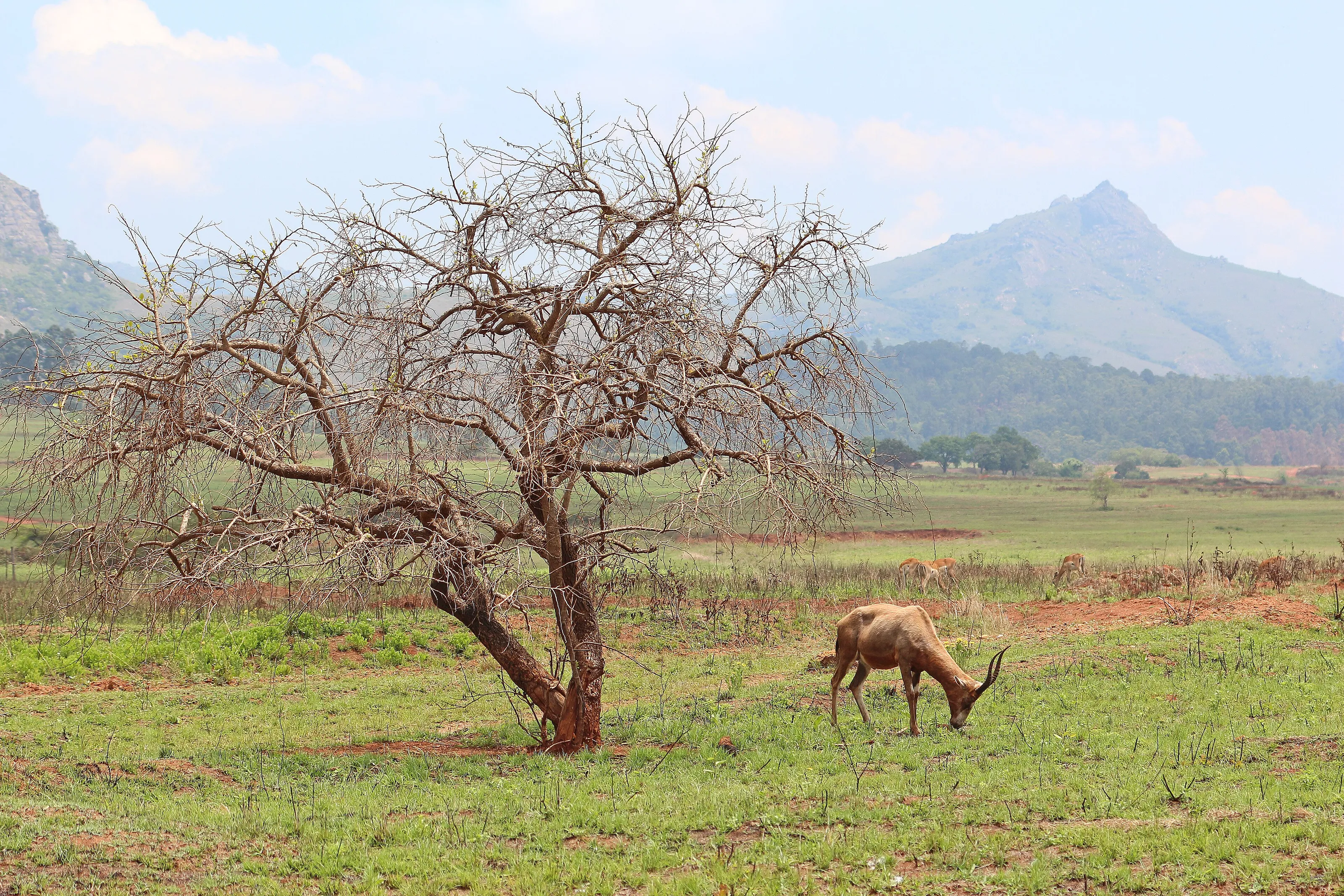
The Ezulwini Valley is described as the tourism heart of the country. Visit Mantenga Cultural Village, a reconstruction of a traditional homestead from the 1850s with a troupe of dancers, then Mlilwane Wildlife Sanctuary. Its grasslands are explored on foot, by bike or on horseback among antelope, zebra and hippos, without the biggest predators.
Hlane and Mkhaya: elephants, lions and rhinos
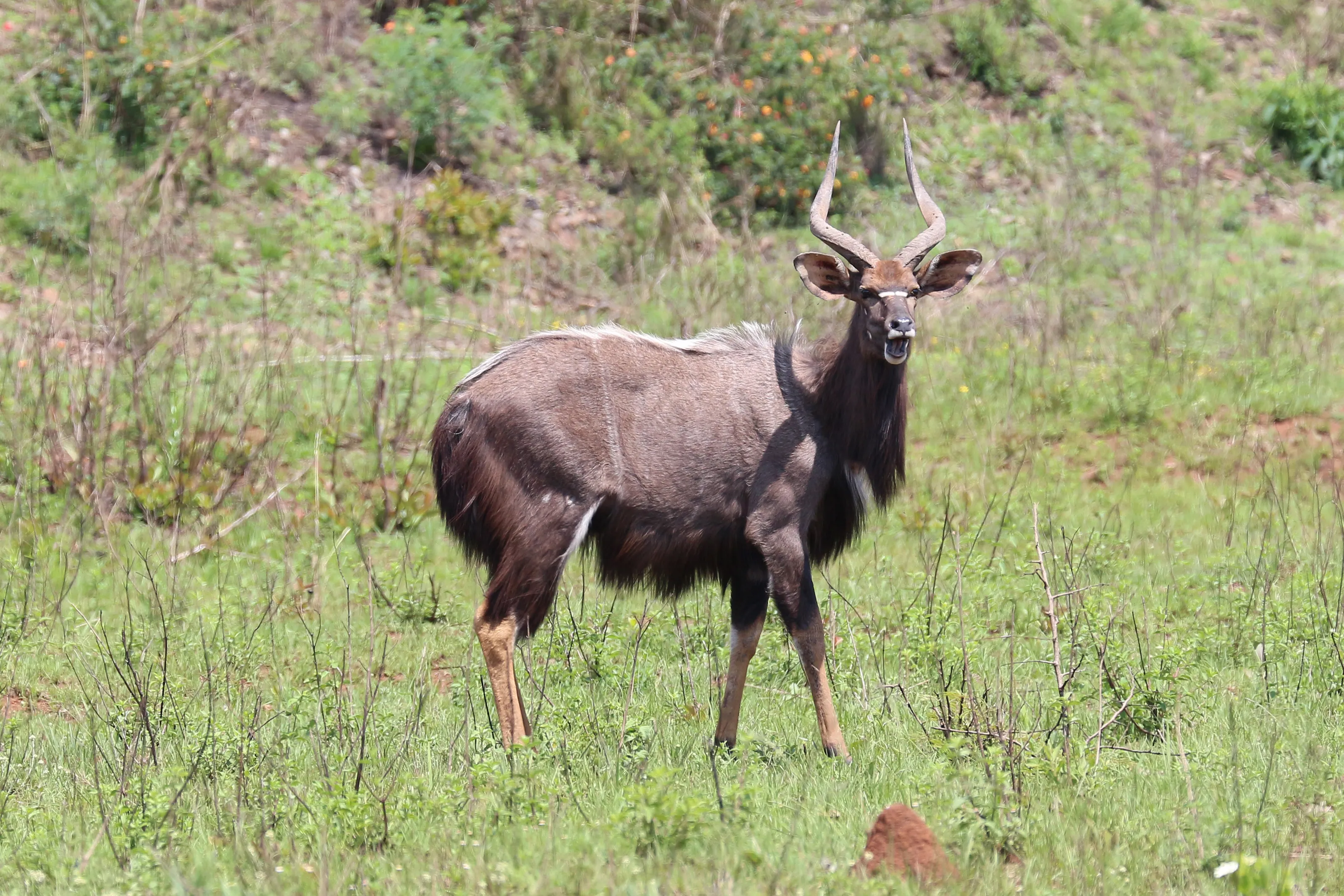
For big game, Hlane, home to elephants, hippos, giraffes, zebras and lions, and Mkhaya, one of the best places on the continent to see black and white rhinos, are the benchmarks. September is ideal for tracking rhinos on foot, when vegetation is low. Eswatini also records around 500 bird species, comparable to France or Kruger.
Malolotja, Sibebe Rock and the rivers
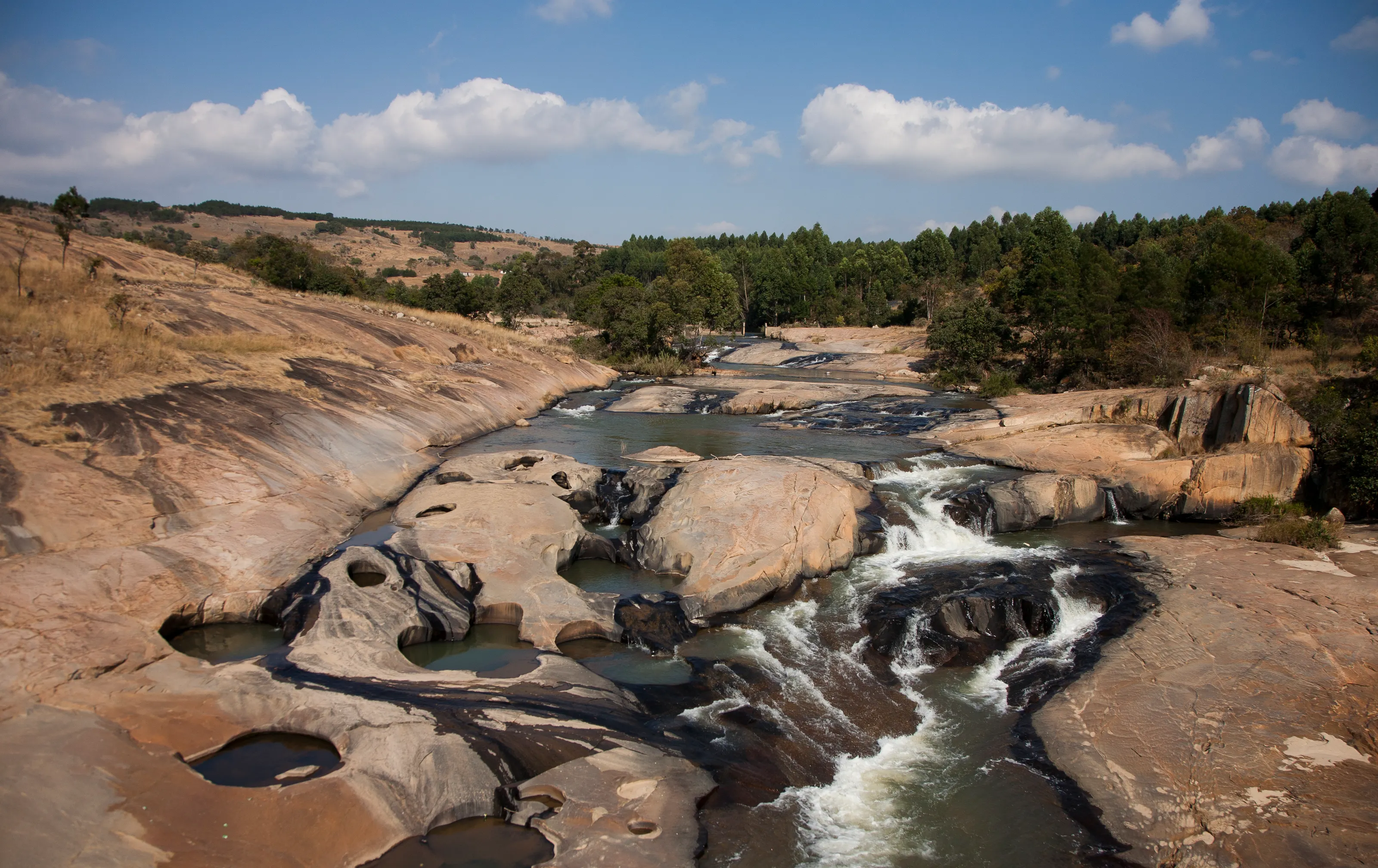
In the north-west, Malolotja Nature Reserve offers hiking, eland and a tree-top canopy tour; the Ngwenya mine is billed as the world's oldest. Further south, Sibebe Rock is a huge granite dome climbed for the view. The Great Usutu River suits rafting, calmer in winter and tougher in January.
Mbabane, Manzini and Lobamba
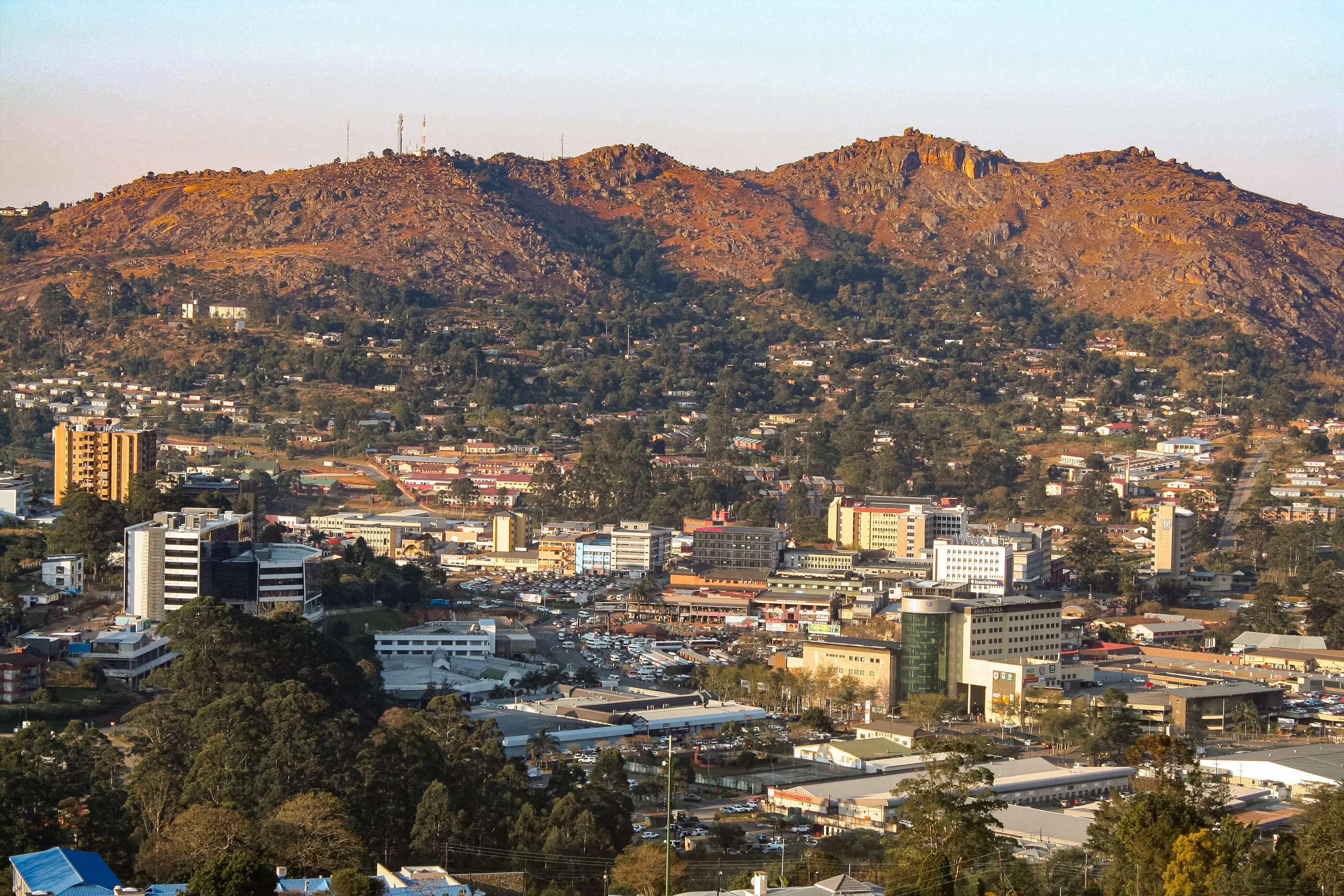
Mbabane, the administrative capital, climbs the highland hills with shops, restaurants and nightlife. Manzini is the most populous city, with lively markets. Lobamba, the royal and legislative capital, is the centre of traditional ceremonies.
Before you go
Stormy summers and dry, sunny winters
| Region | Climate | Best time to visit |
|---|---|---|
| Highlands (Mbabane, Ezulwini) | Mild, summer thunderstorms, cool winter nights. | April to October |
| Eastern reserves (Hlane, Mkhaya) | Hot, up to 40 °C in summer; low vegetation in winter makes wildlife easier to see. | June to September |
| Malolotja and the north-west | Cool at altitude, with mist; pleasant trails in the southern spring. | September to November |
| Usutu (rafting) | Calmer flow in winter, stronger in January. | June for calm, January for thrills |
The seasons are the reverse of Europe: rain falls from late October to March, often in storms, and the dry season runs from mid-April to mid-October, with around 20 °C by day. Nights are cool all year, so pack warm layers. Keep an eye on flight prices before fixing your dates.
Getting around
Minibuses, the main road and driving on the left
Public transport relies on minibuses, and the main road links the Ngwenya border, Mbabane and Manzini, partly as a four-lane highway. Renting a car is handy for reaching the reserves, and traffic drives on the left. Many visitors arrive overland from South Africa.
Allow extra time for journeys, as secondary roads are slower, and avoid driving at night because of animals. In the reserves, activities on foot, by bike or on horseback are booked on site.
Food and culture
Pap, stews and the Reed Dance
Traditional cooking is built on pap, a maize porridge, served with stews. Meat is a festive dish, and sweet potato, beans and rice round out meals. From December to March mangoes, guavas and avocados are everywhere, and near Big Bend you find Portuguese-style seafood.
The calendar is paced by the Marula Festival in February, Bushfire in May and the Umhlanga Reed Dance in August, when tens of thousands of young women dance for the king and the queen mother. The country is known for the warmth of its welcome.
Flying to Eswatini
The Eswatini airport tracked by SniperAir
King Mswati III International
The country's only international airport, in the east, opened in 2014. Arrange a transfer in advance to Mbabane and the Ezulwini Valley; many travellers also route through South Africa and finish the trip by road.
FAQ
Frequently asked questions about Eswatini
Which airport should I use to travel to Eswatini?
King Mswati III International (SHO), in the east of the country, is the only international airport and the one SniperAir tracks. Many travellers also arrive via South Africa and continue overland.
When is the best time to travel to Eswatini?
You can visit year-round. The dry season, from mid-April to mid-October, brings sunny days and low vegetation, ideal for spotting animals; summer, from October to March, is hotter with thunderstorms.
Is Eswatini expensive to visit?
Costs on the ground stay moderate, especially in markets and simple lodgings. Your budget depends mostly on the flight, safaris and activities such as rafting. Choosing your season and watching flight prices helps keep the bill down.
Do I need a visa for Eswatini?
Entry rules depend on your nationality and change over time. According to the tourism board, your passport must stay valid for at least three months after the trip and a visa is not required for citizens of most EU countries. Check official sources before booking.
How long should I spend in Eswatini?
Three to five days cover the Ezulwini Valley, a reserve and an activity such as rafting or hiking. The country combines well with South Africa or Mozambique.
Can I see the Big 5 in Eswatini?
Yes, the tourism board says the Big 5 are found in the country's reserves, with black and white rhinos that can be tracked on foot at Mkhaya. Big game is mostly seen at Hlane and Mkhaya.
How do I get alerted when flights to Eswatini drop in price?
Create a SniperAir alert profile with your departure airport and Manzini (SHO) as the destination. We track prices and notify you as soon as a match appears. See how it works.
Ready to track prices to Eswatini?
Create an alert and let SniperAir do the rest.
Create my alert