
Travel to Moldova
Wine cellars you can drive through underground, a monastery carved into a cliff, vineyards stretching to the horizon and a calm capital: Moldova is a small landlocked country between Romania and Ukraine that few travellers have explored. Here is what to know before you travel to Moldova and look for cheap flights to Chișinău.
Moldova in numbers
Capital
Chișinău
Population
~2.4M
Area
~33,850 km²
Currency
Moldovan leu
Language
Romanian
UNESCO sites
Tentative list
Continent
Europe
Time zone
UTC+2
Airports covered
1
Why visit Moldova
Wine, cave monasteries and low prices
Record-size cellars
Mileștii Mici has about 250 km of galleries, of which about 120 km are in use, and was listed in the Guinness World Records for the largest wine collection. Cricova, near Chișinău, has more than 120 km of underground roads.
Orheiul Vechi, a site between cliff and river
Above the Răut river, the cave monastery stands about 50 m over the valley. The site also holds ruins of a Tatar settlement and has been on the UNESCO tentative list since 2007.
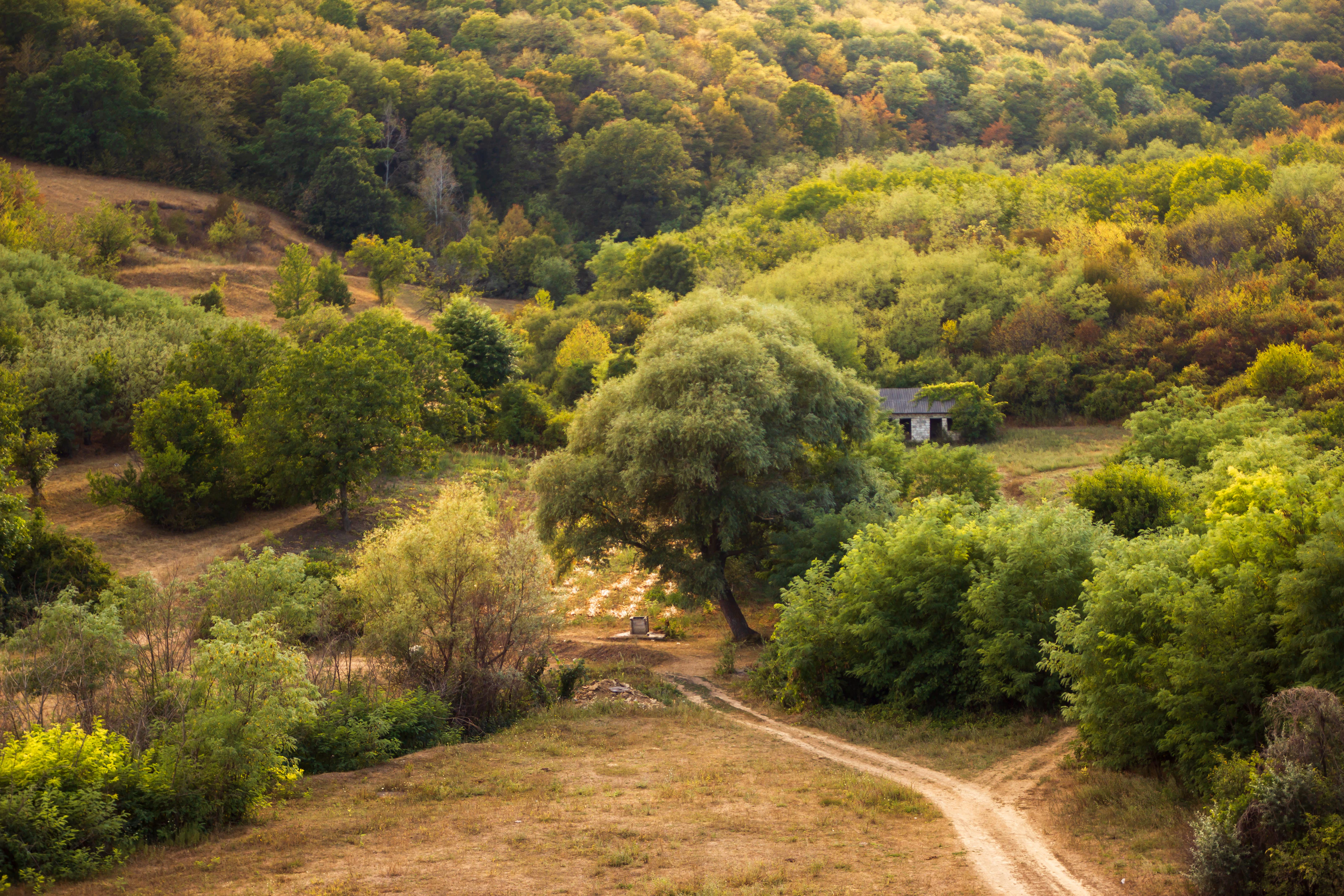
A land of black earth and vineyards
Chernozem soil covers about three-quarters of the country, whose highest point reaches just 430 m. Moldovan wine and cognac are well known.
A calm, affordable capital
Chișinău, built on seven hills with a grid plan dating from 1834, has 23 lakes and many parks. Prices are low, and it makes a handy base for day trips.
Highlights
Chișinău, Orheiul Vechi, Cricova and Soroca
Three to four days cover Chișinău, two cellars and Orheiul Vechi; a week lets you reach Soroca and the south.
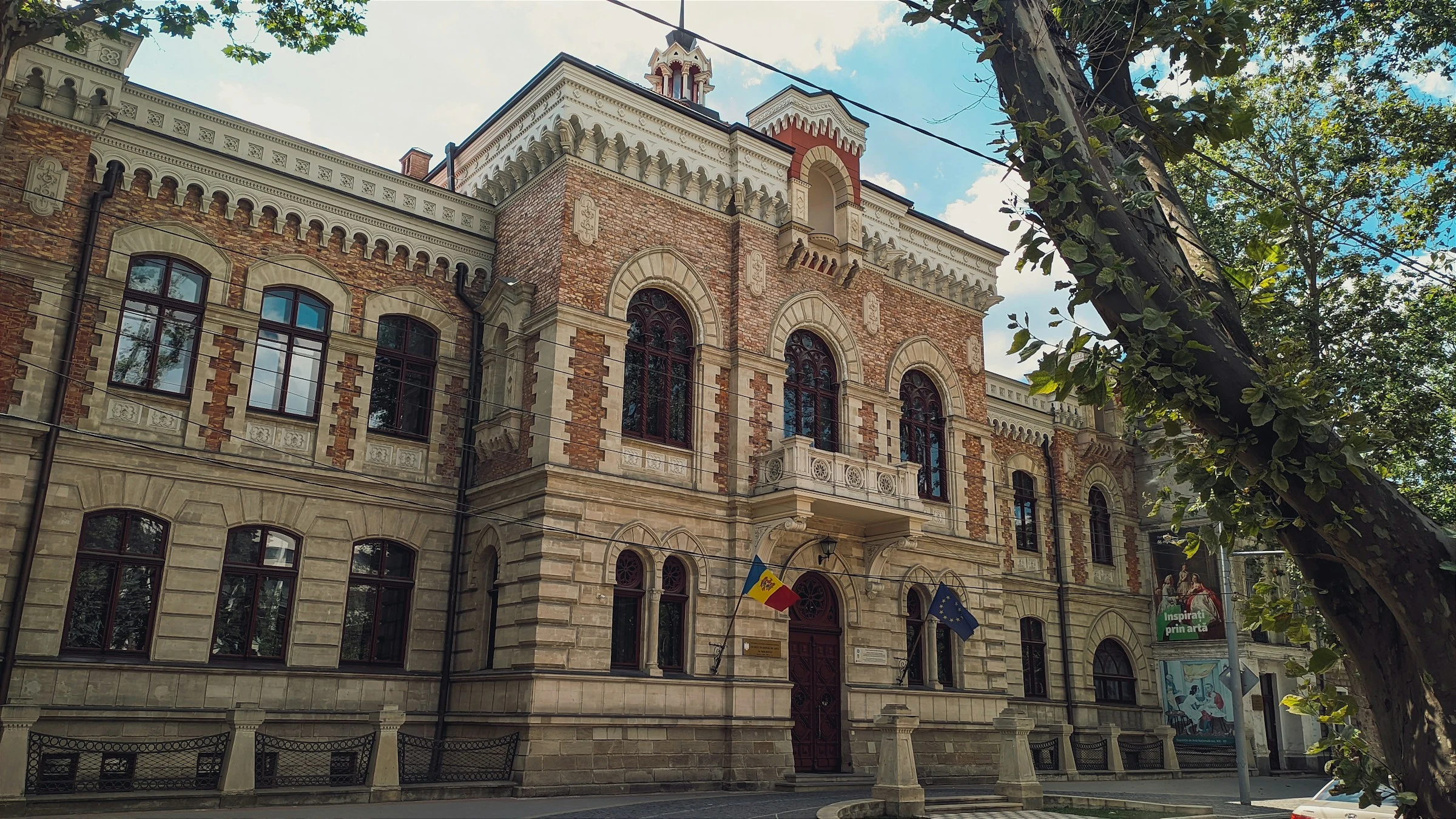
Chișinău, the city of seven hills
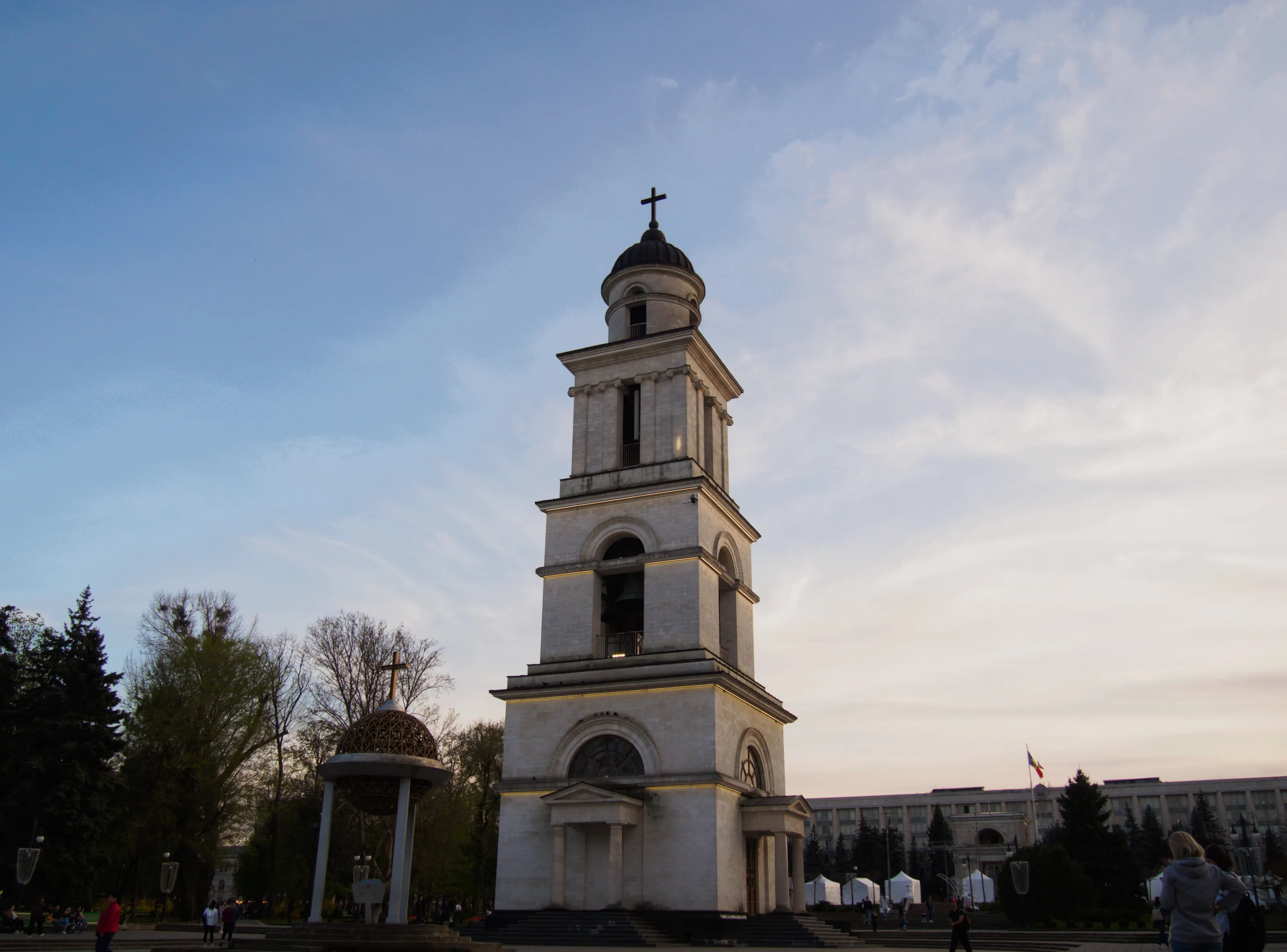
The centre is walkable: a triumphal arch, the Nativity Cathedral, the National Museum of History of Moldova and lakes, including Valea Morilor (34 ha) with its 2.5 km path. Restaurants and bars are lively in the evening, and tours to the cellars and monasteries leave from the city.
Orheiul Vechi and its monasteries
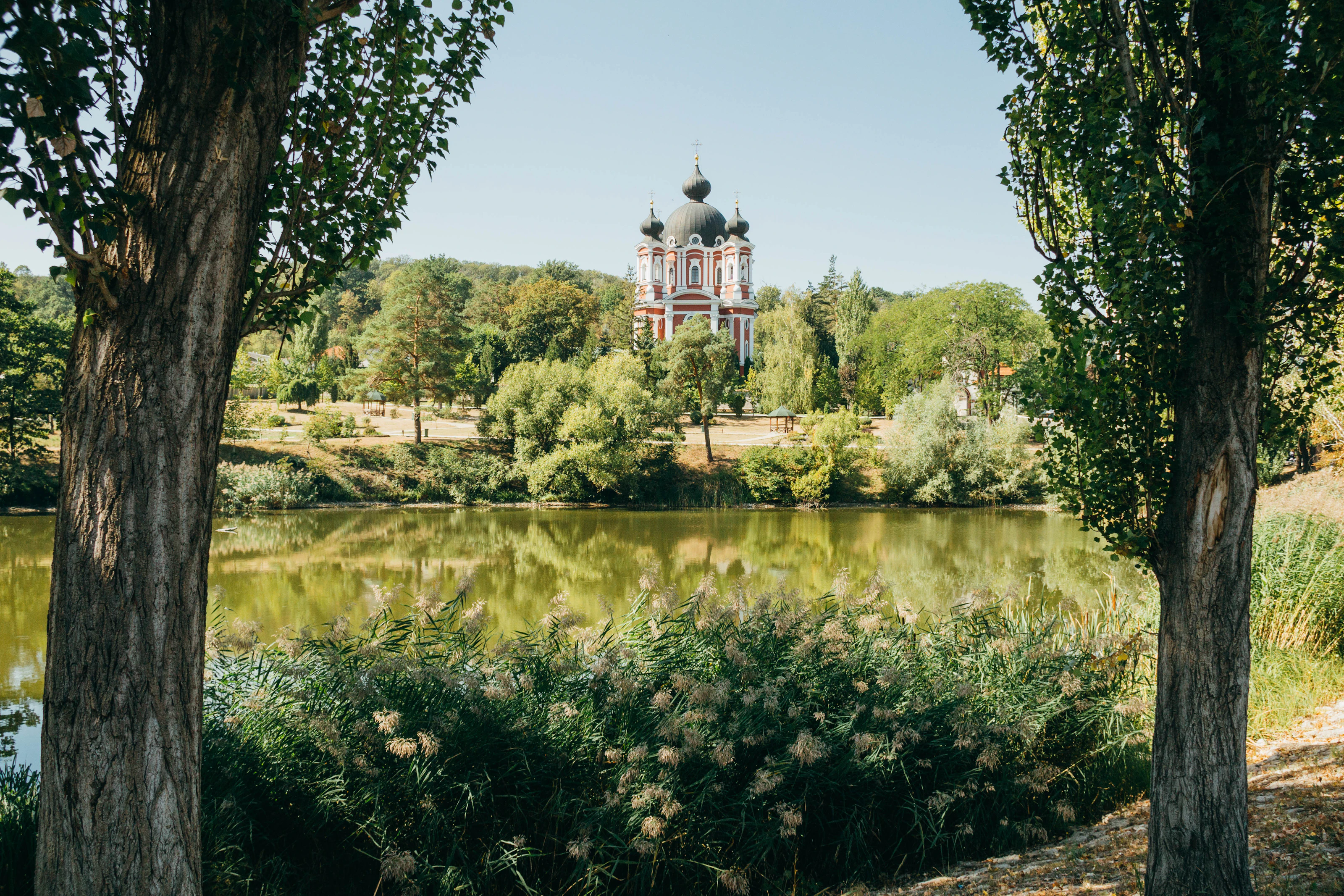
About 50 km north of the capital, the Orheiul Vechi cave monastery is visited together with the village of Butuceni and its small museum. The Tipova and Căpriana monasteries are other stops in the countryside.
Cricova and Mileștii Mici
About 15 minutes from Chișinău, Cricova is a true underground wine town; Mileștii Mici, 18 km away, holds the world's largest wine collection according to the Guinness World Records 2007. Book visits in advance. Purcari, further south-east, is one of the oldest estates.
Soroca, Gagauzia and the south
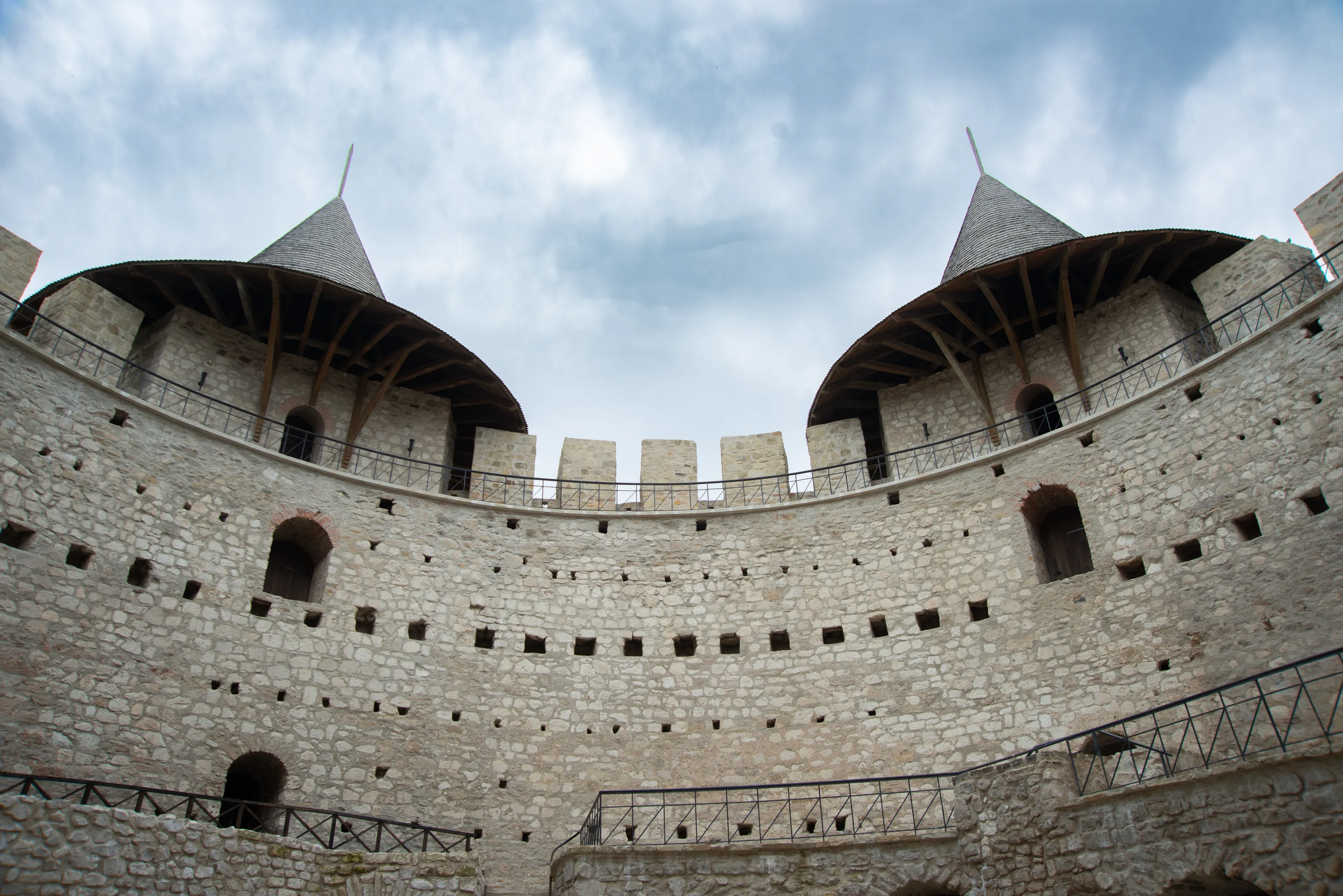
Soroca has a fortress built by Stephen the Great in 1499. Gagauzia, an autonomous region around Comrat, has its own wine tradition, and Cahul is known for its spas.
Getting around
Buses, minibuses and trolleybuses
Buses are the most reliable way to get around. Minibuses, called rutiere or marshrutka, are the fastest but often crowded: you pay the driver on boarding. In Chișinău, trolleybuses complete the network. Night trains link Romania, and buses to Bucharest take about ten hours.
Night driving is not recommended because road quality varies. Check your government's travel advice about areas near the Ukrainian border and about Transnistria before booking.
Before you go
Four regions, four ways to travel
| Region | Climate | Best time |
|---|---|---|
| Chișinău and the centre | Moderately continental: about 21 °C in July, -2 °C in January; stormy summers | May-June and September-October |
| Vineyards and cellars | Cellars stay cool all year; grape harvest in autumn | September-October for the harvest |
| North (Soroca, Bălți) | Wetter, up to 600 mm of rain a year | May to September |
| South (Gagauzia, Cahul) | Drier, about 400 mm of rain a year, hot summers | May-June and September |
EU citizens can enter with an ID card or passport and stay 90 days in six months without a visa; other nationalities should check the rules before booking. The currency is the leu, although some hotels quote prices in euros.
To combine several countries, see also Romania. Before booking, check your government's official travel advice, which covers some areas of the region.
Food and drink
Mămăligă, plăcinte and local wine
Moldovan cooking rests on mămăligă, a cornmeal porridge, plăcinte, pies, and sarmale, stuffed cabbage leaves.
Wine is central: you taste it in the cellars and in family homes. Moldovan cognac is the country's other pride. Tipping is not customary.
Flying to Moldova
The Moldovan airport tracked by SniperAir
Chișinău International (Chișinău)
About 13 km south-east of the centre, linked by trolleybus 30 and buses. Its IATA code changed from KIV to RMO in January 2024, and it handled more than 6 million passengers in 2025.
FAQ
Frequently asked questions about Moldova
Which airport should I fly into for Moldova?
Chișinău International (RMO), tracked by SniperAir, about 13 km from the centre. It is the country's main airport, served by several low-cost carriers.
When is the best time to visit Moldova?
May-June and September-October: mild weather, grape harvest and wine festivals in autumn. Winters are cold and snowy.
Is Moldova an expensive destination?
No: prices are low compared with most European countries. The currency is the leu, and many hotels quote their prices in euros.
Do I need a visa for Moldova?
EU citizens do not need a visa for 90 days in six months. Check the rules for your nationality and your government's travel advice before booking.
How long should I stay in Moldova?
Three to four days for Chișinău, two cellars and Orheiul Vechi, and a week to add Soroca and the south.
Can I visit the Cricova and Mileștii Mici cellars?
Yes: Cricova is about 15 minutes from Chișinău and Mileștii Mici 18 km away; book your visit in advance.
How can I be alerted when a flight to Moldova drops below my budget?
Create a SniperAir alert profile with your departure airport and Chișinău as the destination: we watch prices for you and notify you as soon as a deal matching your criteria is detected.
Ready to track prices to Moldova?
Create an alert and let SniperAir do the rest.
Create my alert