
Travel to Guatemala
Maya pyramids rising from the jungle, a volcano that smokes almost daily and a lake ringed by highland villages: Guatemala packs a lot into a small map. Here is how to plan a trip and when to start watching flight prices.
Guatemala in numbers
Capital
Guatemala City
Population
~18.6 million
Area
108,889 km²
Currency
Quetzal
Language
Spanish
UNESCO sites
Tikal, Antigua
Continent
North America
Time zone
UTC-6
Airports covered
1
Why visit Guatemala
Ruins, volcanoes and living Maya culture
Tikal in the rainforest
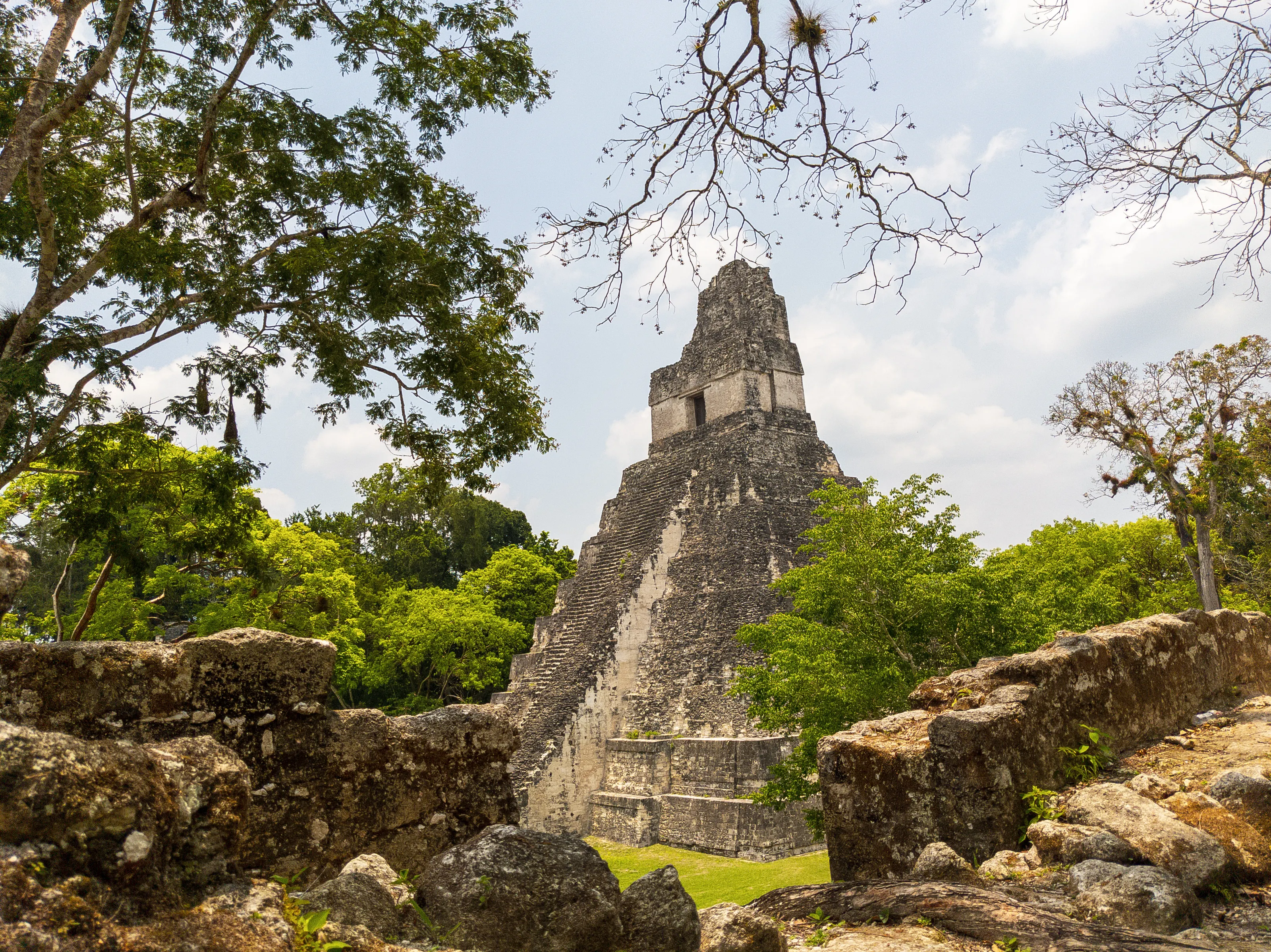
The national park covers about 576 km² with roughly 3,000 structures, and Temple I stands 47 m tall. Howler monkeys and toucans live in the canopy.
Antigua under three volcanoes
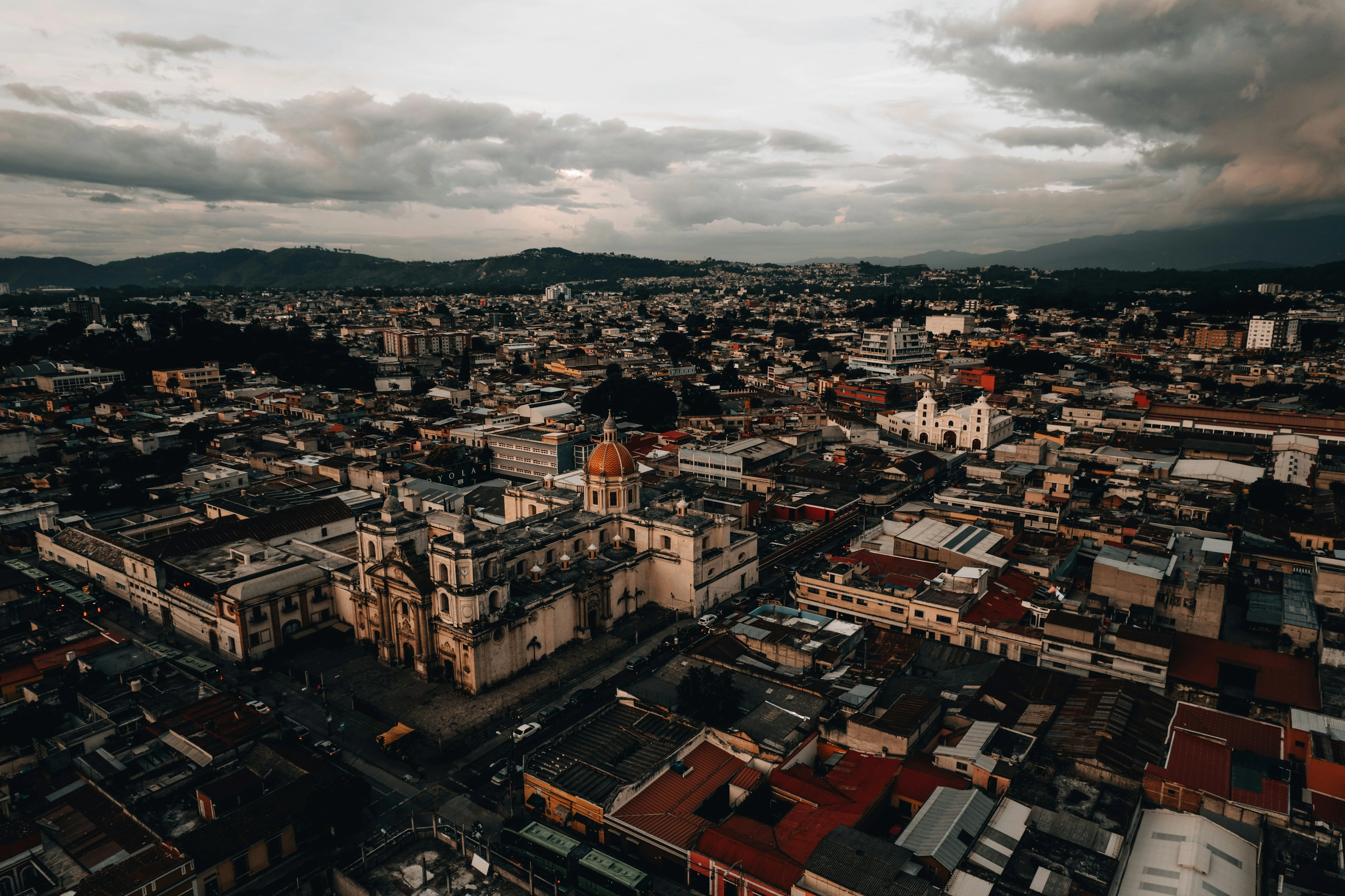
Founded in 1543 and capital until the 1773 earthquakes, Antigua sits at about 1,545 m beside Agua, Acatenango and the still-active Fuego.
Lake Atitlán
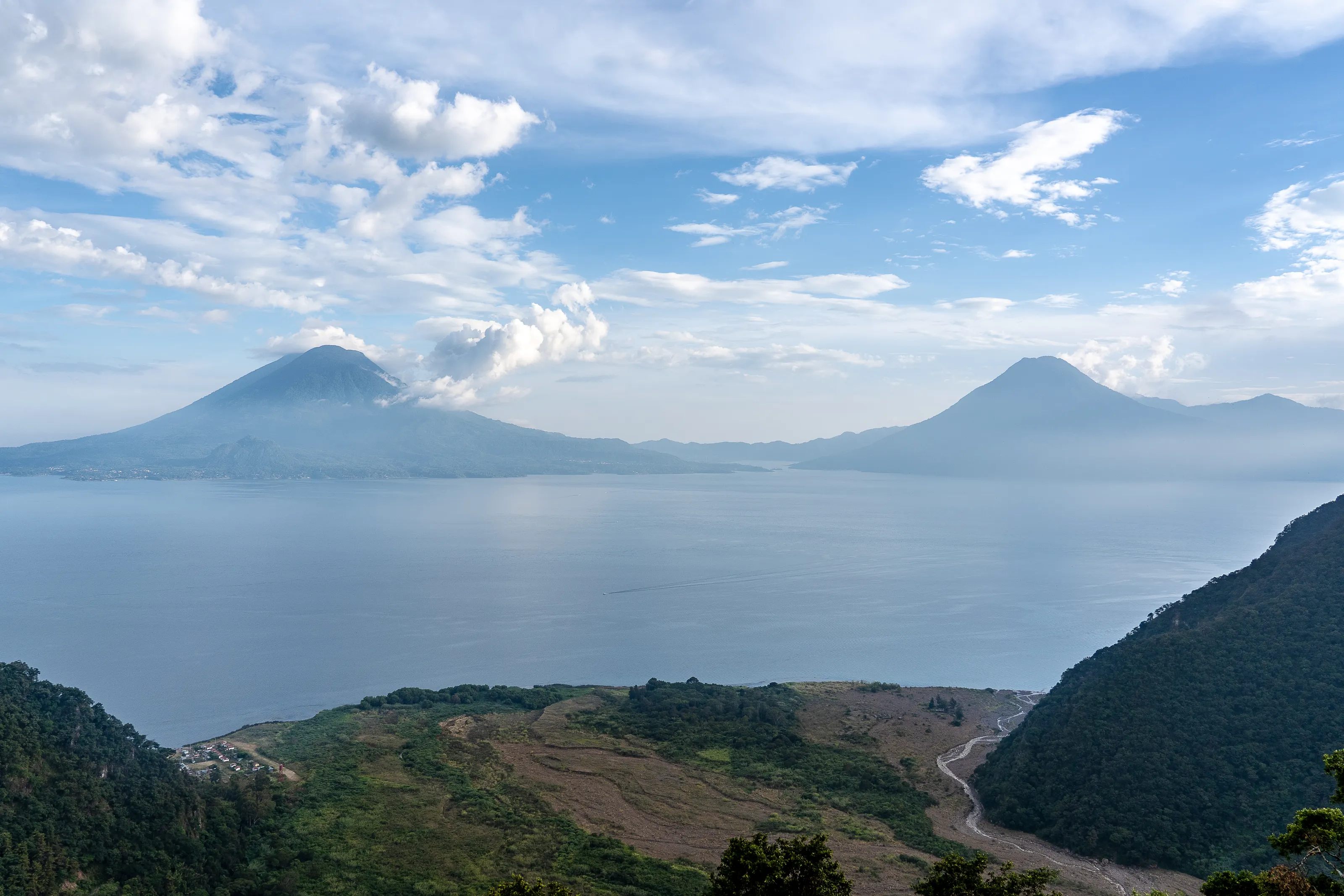
A volcano-rimmed highland lake with Maya villages along its shores; guidebooks call the western highlands the most beautiful part of the country.
A country with 22 Mayan languages
Markets, weaving and festivals are part of daily life, from Chichicastenango to the villages around the lake.
Highlights
Antigua, Atitlán, Tikal and the rest
Most first trips link the highlands (Antigua and Atitlán) with the northern lowlands (Flores and Tikal), and add Semuc Champey if time allows.
Guatemala City
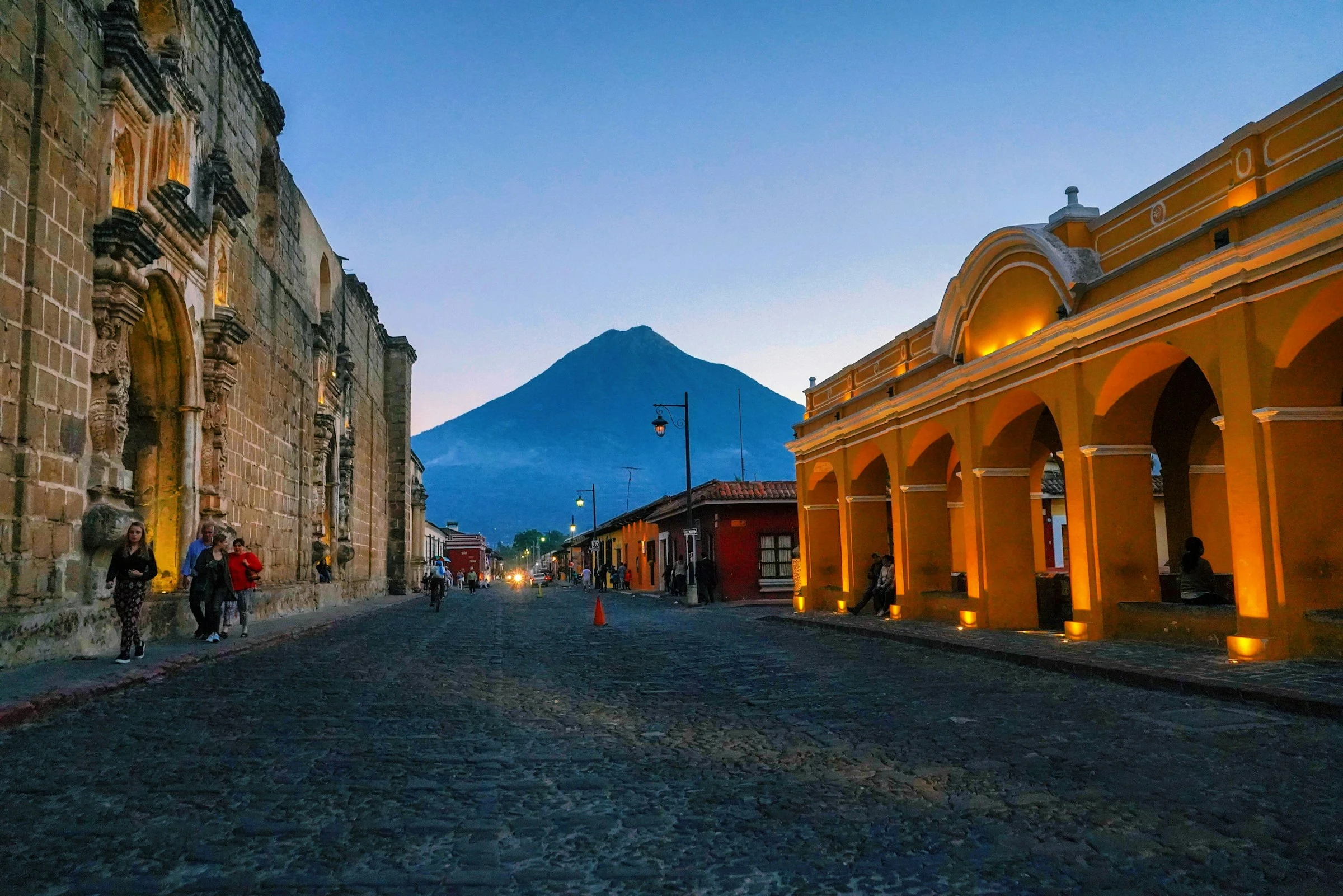
The capital sits at roughly 1,500 m and is where international flights land. Many visitors pass straight through to Antigua, but the old centre and its churches are worth half a day.
Antigua and its volcanoes
The ruined cathedral, the Santa Catalina Arch and cobbled streets tell the story of the city before 1773. Holy Week brings processions and carpets of coloured sawdust. Hike Pacaya with a guide, or enrol in one of the many Spanish schools.
Lake Atitlán
Panajachel is the busiest base; San Pedro La Laguna, Santiago Atitlán and San Juan La Laguna each have their own feel. Many visitors stay longer than planned.
Tikal, Flores and the northern lowlands
Flores, on an island in Lake Petén Itzá, is the base for Tikal, about 64 km away. El Mirador and Quiriguá attract archaeology fans.
Semuc Champey, Río Dulce and the coast
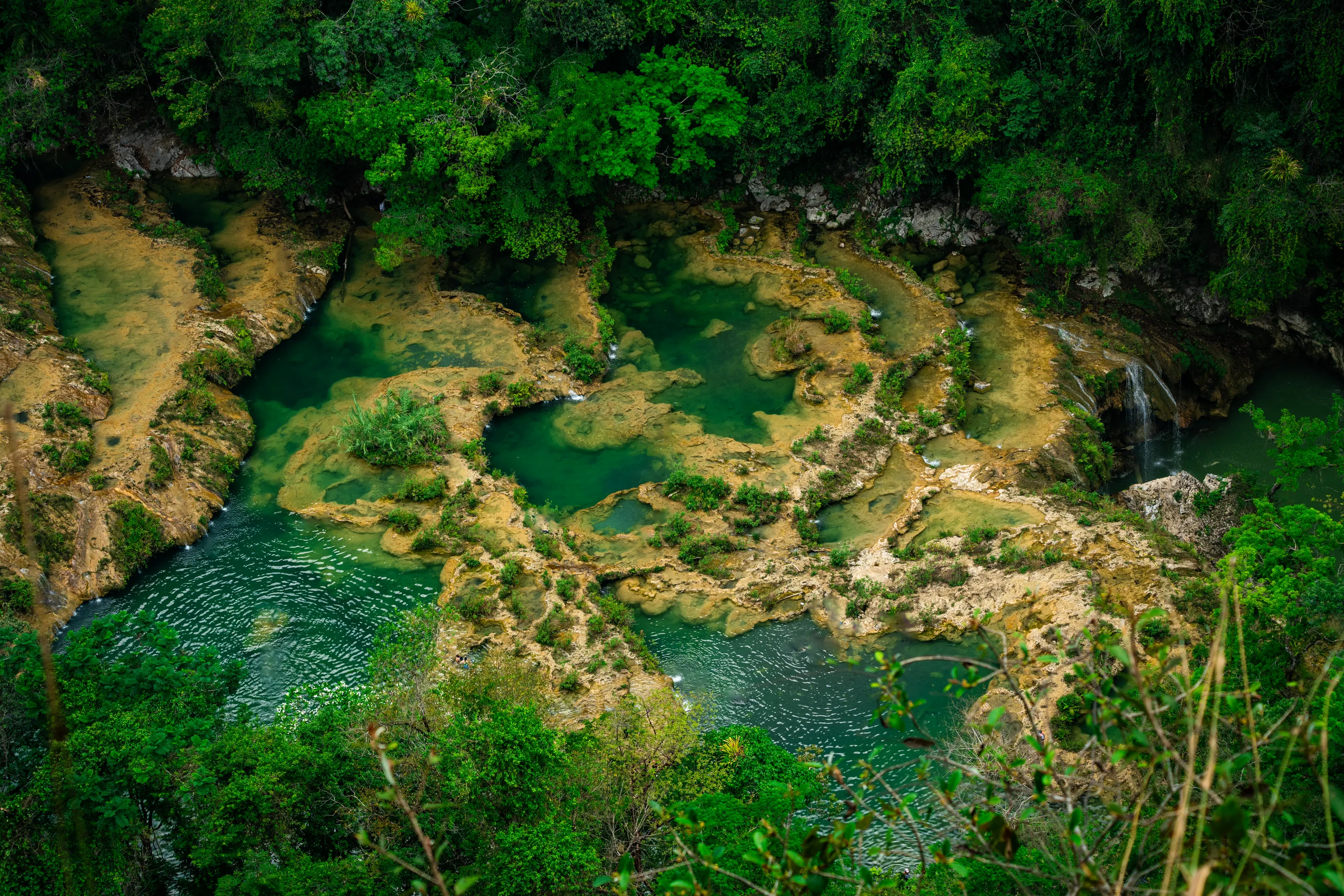
Near Lanquín, Semuc Champey has stepped turquoise pools on a limestone bridge. Río Dulce has hot springs at Finca Paraíso, Castillo San Felipe and manatees, and Livingston is a Garífuna town on the Caribbean coast.
Before you go
Cool highlands, hot lowlands, May to October rains
| Region | Climate | What to do |
|---|---|---|
| Highlands (Antigua, Atitlán) | Daytime mostly 18 to 28 °C, chilly nights in January and February; rain May to October | Hiking, markets, Spanish lessons |
| Petén (Tikal, Flores) | Hot and humid, with afternoon thunderstorms | Maya ruins, birds and monkeys |
| Pacific and Caribbean coasts | Humid tropical; up to 5,000 mm of rain a year on the Caribbean side | Beaches, Río Dulce, Livingston |
Guidebooks suggest February to April as the most pleasant window. The country is vulnerable to hurricanes.
Citizens of many countries, including the US, Canada, the UK and much of Europe, do not need a visa for short stays with a valid passport, and the Central America four (Guatemala, El Salvador, Honduras, Nicaragua) share a 90-day stay. Check current rules and your government's travel advice, which flags a high crime rate.
To extend your trip, see also Mexico next door, where the Yucatán has more Maya sites. Honduras and Nicaragua fit well into a Central America route.
Getting around
Shuttles, chicken buses and caution
There are no passenger trains. Chicken buses, converted US school buses, are the cheapest option but are crowded and often targeted by thieves. Pullman buses are first class, and tourist shuttles between Antigua, Panajachel and Lanquín cost 5 to 15 times more than local buses. Domestic flights run mostly between the capital and Flores.
Avoid driving at night and use radio taxis or ride-hailing rather than street-hailed cabs. For volcano hikes, book a guide. If you are robbed, do not resist.
Food and culture
Tamales, pepián and Zacapa rum
Guatemala declared independence from Spain on 15 September 1821. The table runs on corn, black beans and tomato: tamales, pepián, jocón, churrascos and tapado, with corn tortillas at almost every meal.
Gallo is the popular beer, and Ron Zacapa Centenario is the best-known rum. Good souvenirs include huipil blouses and woven cortes, jade, coffee and cardamom.
Flying to Guatemala
The Guatemalan airport SniperAir covers
La Aurora International (Guatemala City)
The country's busiest airport, in Zone 13 of the capital at about 1,500 m. It handled about 5.1 million passengers in 2025, with Iberia flying to Madrid and 13 US destinations.
FAQ
Frequently asked questions about Guatemala
Which airport do I fly into for Guatemala?
La Aurora (GUA) in Guatemala City is the main international gateway. For Tikal, take a domestic flight on to Flores.
What's the best time to visit Guatemala?
February to April is the pleasant window named in guidebooks. The highland rainy season runs from May to October, but you can still travel if you accept showers.
Is Guatemala safe for tourists?
Crime is high. Avoid public buses and night travel, use radio taxis, do not resist robbery, and book guides for volcanoes. Antigua is described as the safest area. Read your government's travel advice.
Do I need a visa for Guatemala?
Citizens of many countries can enter without a visa for short stays with a valid passport. Rules change, so confirm them with official sources.
How long should I spend in Guatemala?
Eight to twelve days covers Antigua, Lake Atitlán and Tikal; a week if you stay in the highlands.
Is Guatemala expensive?
It depends on how you travel. Hotels range from roughly US$10-15 to about US$200 a night, and local buses cost far less than tourist shuttles.
How do I get alerted when a flight to Guatemala drops below my budget?
Create a SniperAir alert profile with your departure airport and Guatemala City as your destination: we track prices for you and notify you the moment a deal matching your criteria appears.
Ready to track prices to Guatemala?
Create an alert and let SniperAir do the rest.
Create my alert