
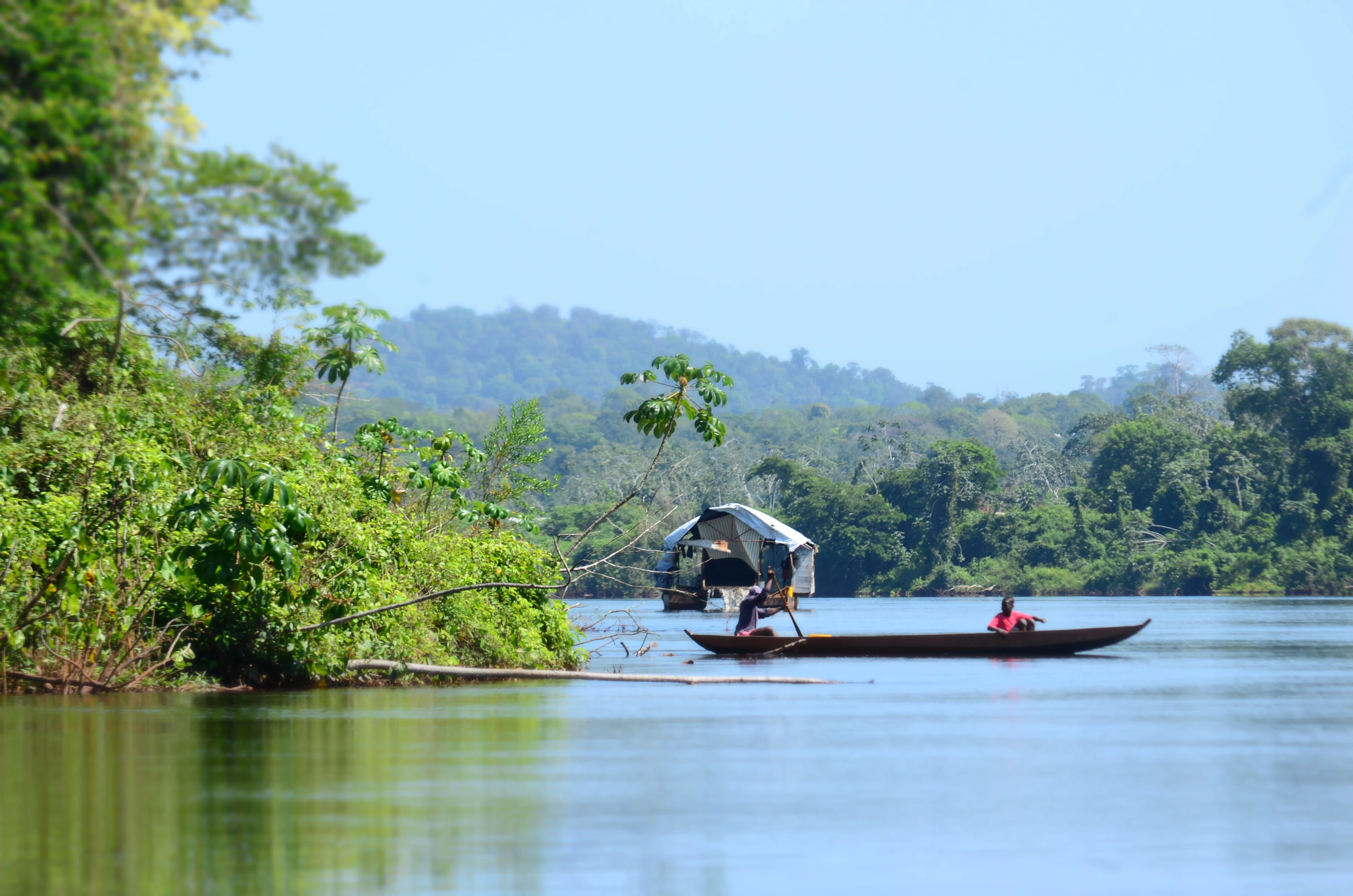
Travel to Suriname
A synagogue and a mosque side by side, leatherback turtles nesting on beaches with no resorts, and rainforest covering almost the whole country: Suriname, a former Dutch colony, is South America's smallest country and one of its most unexpected.
Suriname in numbers
Capital
Paramaribo
Population
~633,000
Area
~165,900 km²
Currency
Surinamese dollar
Language
Dutch
UNESCO sites
Paramaribo, Jodensavanne
Continent
South America
Time zone
UTC-3
Airports covered
1
Why visit Suriname
Dutch wooden architecture meets Amazon rainforest
A UNESCO capital built in wood
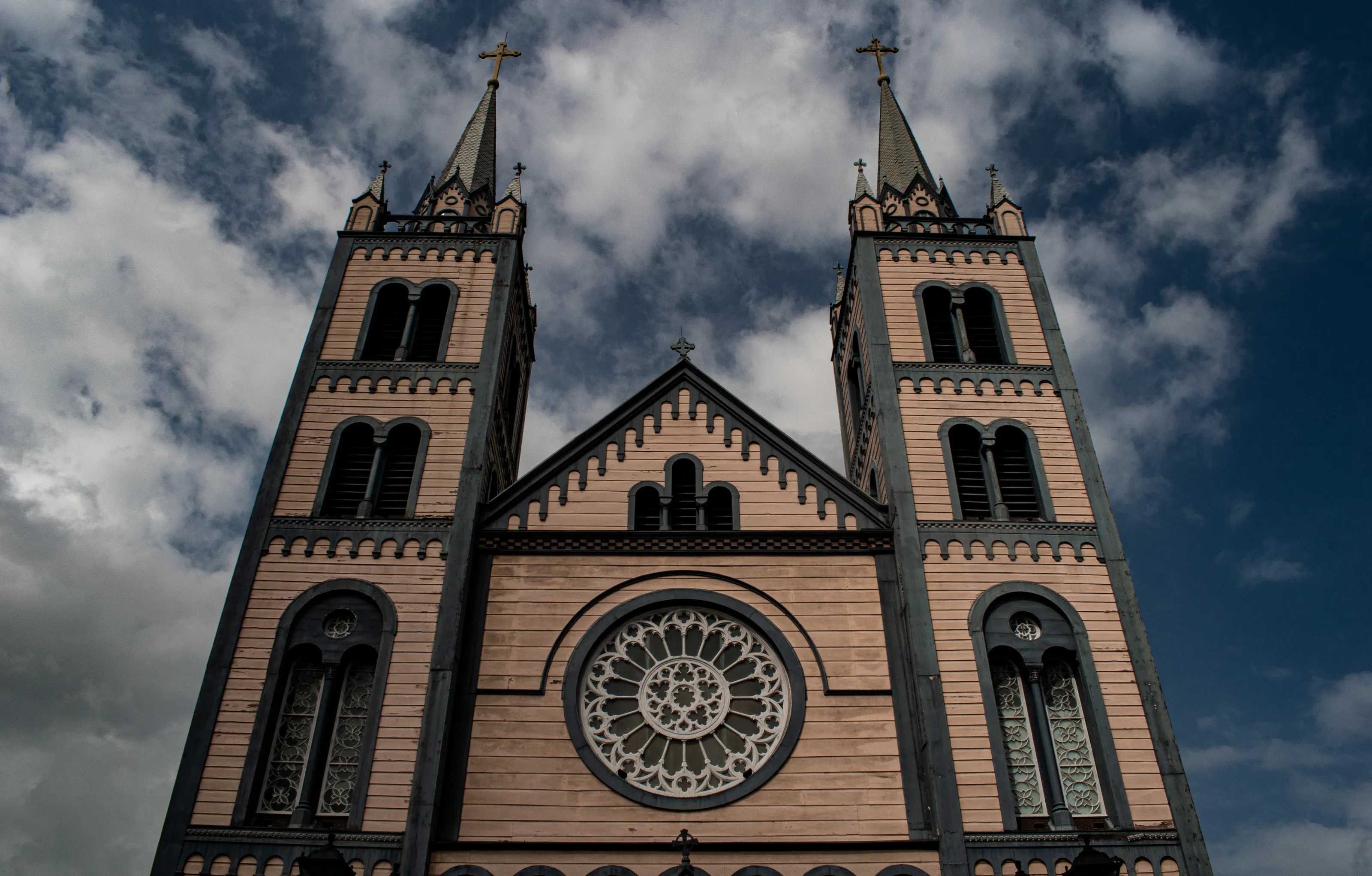
Paramaribo's historic inner city was inscribed in 2002. Highlights include a wooden cathedral, Fort Zeelandia and, on Keizerstraat, a synagogue standing next to a mosque.
A true cultural mosaic
Asian and Afro-Surinamese communities, Indigenous peoples, Javanese, Hindustani and Maroon traditions: the food and festivals show it.
Turtle beaches at Galibi
The Galibi reserve is reached only by boat. Leatherback turtles nest at night, and a tour operator calls it the world's largest nesting site for the species.
Forest almost everywhere
Wikipedia EN credits Suriname with 90.2 % forest cover, among the highest in the world, with nature parks such as Brownsberg and Sipaliwani.
Highlights
Paramaribo, Brownsberg, Galibi and Jodensavanne
Suriname is best explored in short hops from the capital, Paramaribo. These are the stops that repay the effort.
Paramaribo and the Waterkant
The Independence Square, Fort Zeelandia, the Palm Garden and the Central Market, where you can try ginger beer, form the old centre. In the late afternoon the Waterkant riverfront fills with Javanese food stalls. The Neve Shalom synagogue, rebuilt in 1835-1837, has a sandy floor and stands beside a mosque.
Brownsberg Nature Park
Roughly 130 km from Paramaribo and at about 500 m, it is mostly neotropical rainforest, with hiking trails, views over freshwater lakes and howler monkeys. Go with a guide, and avoid the wet season when tracks turn to mud.
Galibi turtle reserve
Reached by minibus to Albina and then by boat, Galibi sits at the mouth of the Marowijne. Leatherbacks nest at night; sources say between February and July or August, so March to June is the safest window.
Jodensavanne, Bigi Pan and the interior
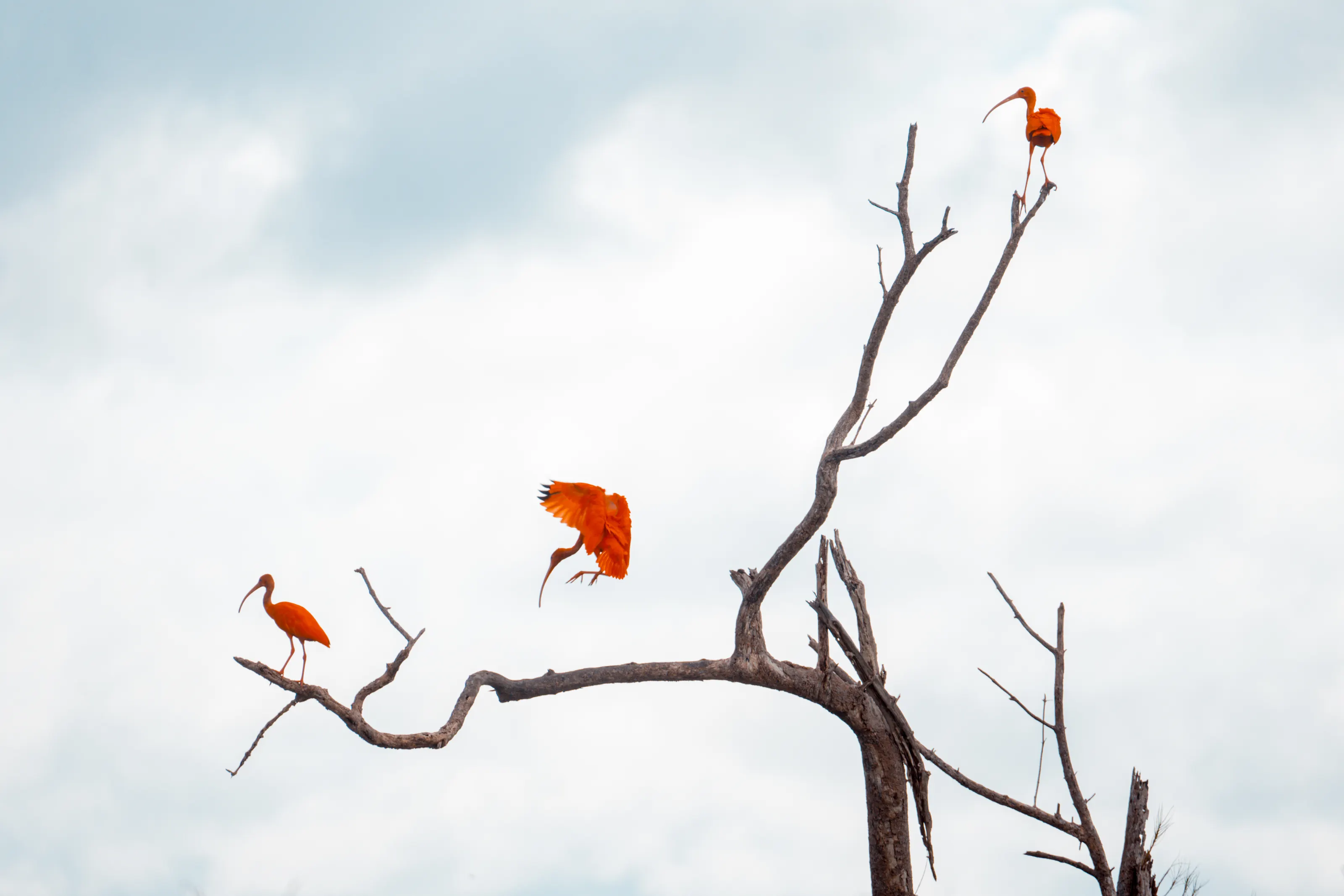
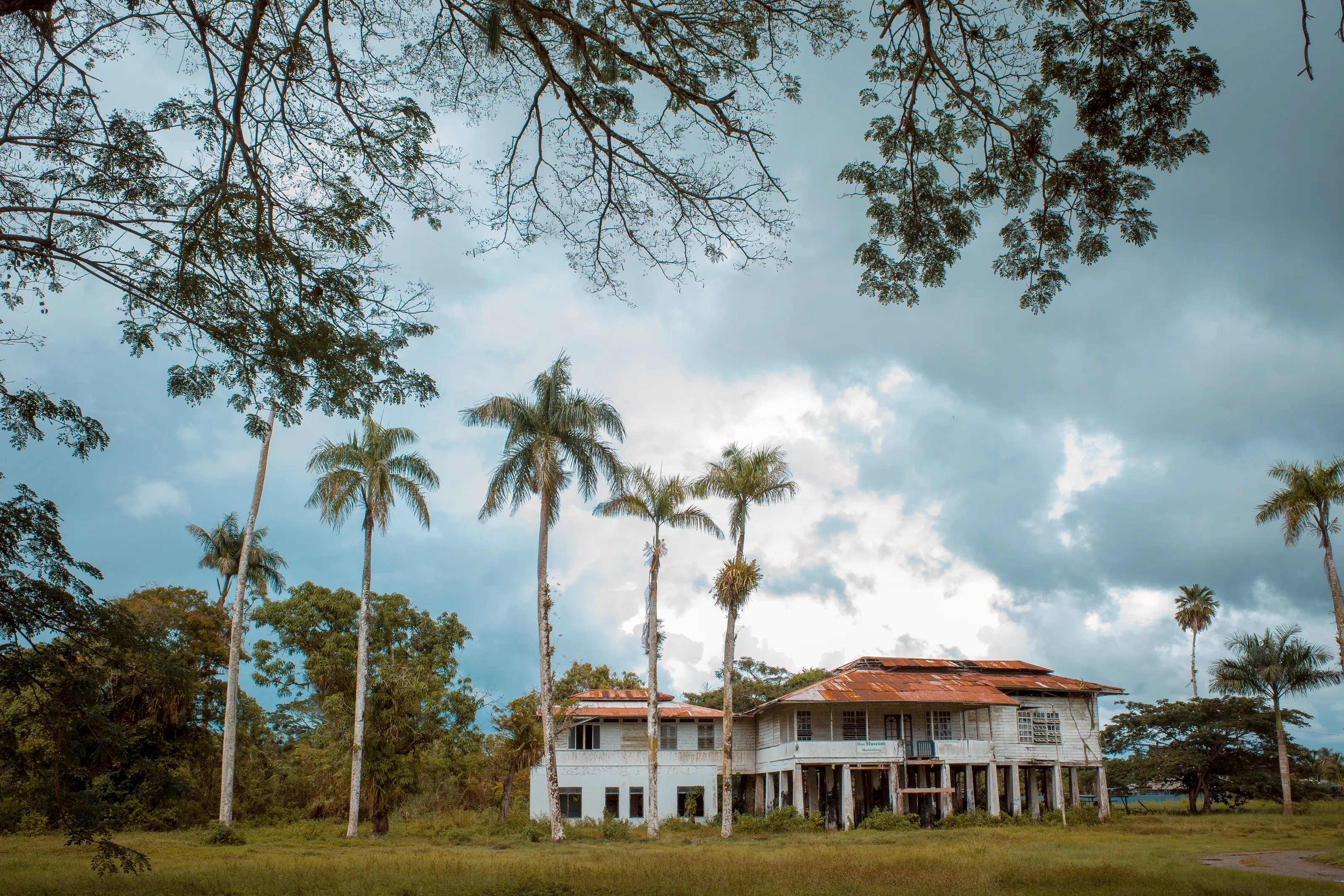
Jodensavanne, with the remains of the Beraha VeSalom synagogue, was designated a UNESCO site in September 2023. Bigi Pan is a lagoon for scarlet ibis, and rivers lead to Maroon communities in the interior.
Getting around
Rental car, boats and guided tours
Public transport is limited, so most visitors rent a car or book guided tours. Driving is on the left, as in neighbouring Guyana.
There are no motorways, so journeys take longer than the map suggests. Dutch travel sources advise against walking alone after dark, and prohibited imports include fresh fruit, meat, plants, coffee and cocoa.
Before you go
Two dry seasons and two wet seasons
| Period | Climate | What it suits |
|---|---|---|
| February to April | First dry season | Paramaribo, Brownsberg, early turtle nesting |
| April to August | Long wet season, peak rainfall in May and June | Turtles from March to June; harder forest tracks |
| August to November | Second dry season | Best for the forest and the interior |
| December to February | Short wet season | Quieter, often cheaper flights |
Expect heat and humidity all year, with temperatures of 29 to 34 degrees C and humidity of 80 to 90 %.
Entry rules have changed in recent years: sources describe an online entry fee, an E-Tourist card or e-visa, and a digital immigration form before departure. Passports should be valid for six months, and a yellow fever certificate is needed after travel through a risk country. Check with the Surinamese embassy.
Culture and food
Javanese, Hindustani and Creole on one plate
Independent from the Netherlands since 25 November 1975, Suriname uses Dutch officially, while Sranan Tongo is the lingua franca and English is widely spoken. Paramaribo's food reflects its Dutch, Javanese, Hindustani, Chinese, Creole and Lebanese mix: satay, bami goreng, nasi goreng, roti and pom.
Asian Surinamese make up 42.6 % of the population and Afro-Surinamese 37.4 % (2012). Christianity, Hinduism and Islam share the country, and the synagogue next to the mosque has become a symbol of that coexistence.
Flying to Suriname
The Suriname airport SniperAir covers
Johan Adolf Pengel International (Paramaribo)
The international airport at Zanderij, about 45 km south of Paramaribo. A taxi takes around 1 hour 10 minutes, and KLM and Surinam Airways fly nonstop to Amsterdam.
FAQ
Suriname travel questions
Which airport do I fly into for Suriname?
Johan Adolf Pengel International (PBM), at Zanderij, about 45 km south of Paramaribo. KLM and Surinam Airways connect it with Amsterdam.
When is the best time to visit Suriname?
February to April and August to November, during the two dry seasons. For leatherback turtles at Galibi, aim for March to June.
Can I see sea turtles in Suriname?
Yes, at Galibi, where leatherbacks nest at night. You go by boat with a guide and follow the rules to avoid disturbing them.
Is Suriname expensive to visit?
The sources we checked do not give a reliable budget. On the ground, a rental car or organised tours are the main costs, and a price alert helps you catch the flight at the right moment.
Do I need a visa for Suriname?
The rules have changed: depending on the source, an online entry fee, an E-Tourist card or an e-visa. Check with the embassy, carry a passport valid for six months and a yellow fever certificate if needed.
How long should I stay in Suriname?
Eight to twelve days: two in Paramaribo, one to two at Brownsberg and two at Galibi during turtle season.
How do I get alerted when a flight to Suriname drops under my budget?
Create a SniperAir alert profile with your departure airport and Paramaribo as destination. We watch prices for you and notify you as soon as an opportunity matching your criteria is detected.
Ready to track prices to Suriname?
Create an alert and let SniperAir do the rest.
Create my alert