Travel to Saudi Arabia
Tombs carved into sandstone, red canyons lined with palms, an old town of timber balconies and cliffs facing the horizon: that is the Saudi Arabia worth dreaming about before you look for cheap flights to Saudi Arabia.
Saudi Arabia in numbers
Capital
Riyadh
Population
Over 30 M
Area
Over 2 M km²
Currency
Saudi riyal
Languages
Arabic
High point
Jabal Soudah
Continent
Asia
Time zone
UTC+3
Airports covered
12
Why visit Saudi Arabia
Deserts, ancient ruins, the Red Sea and mountains in one kingdom
An ancient heritage
At Hegra, near AlUla, monumental tombs about 2,000 years old are cut into sandstone, with inscriptions preserved by the dry air. Diriyah and Jeddah's old town are UNESCO sites too.
Spectacular landscapes
Edge of the World cliffs, the red canyons of Wadi Disah, lava fields, Empty Quarter dunes: the scenery changes every couple of hundred kilometres.
The Red Sea
More than 2,000 km of reef lines the west coast, with over 1,200 fish species: diving, snorkelling and islands still little visited.
Coffee-and-dates hospitality
Cardamom coffee, shared kabsa, dates: welcome is lived at the table, in cities and oases alike.
Landmarks
AlUla, Wadi Disah, Riyadh, Jeddah and the Red Sea
A trip to Saudi Arabia is often organised by region: the north-west with AlUla and Wadi Disah, Riyadh and its cliffs in the centre, Jeddah and the Red Sea in the west, then the Asir mountains in the south.
AlUla and Hegra
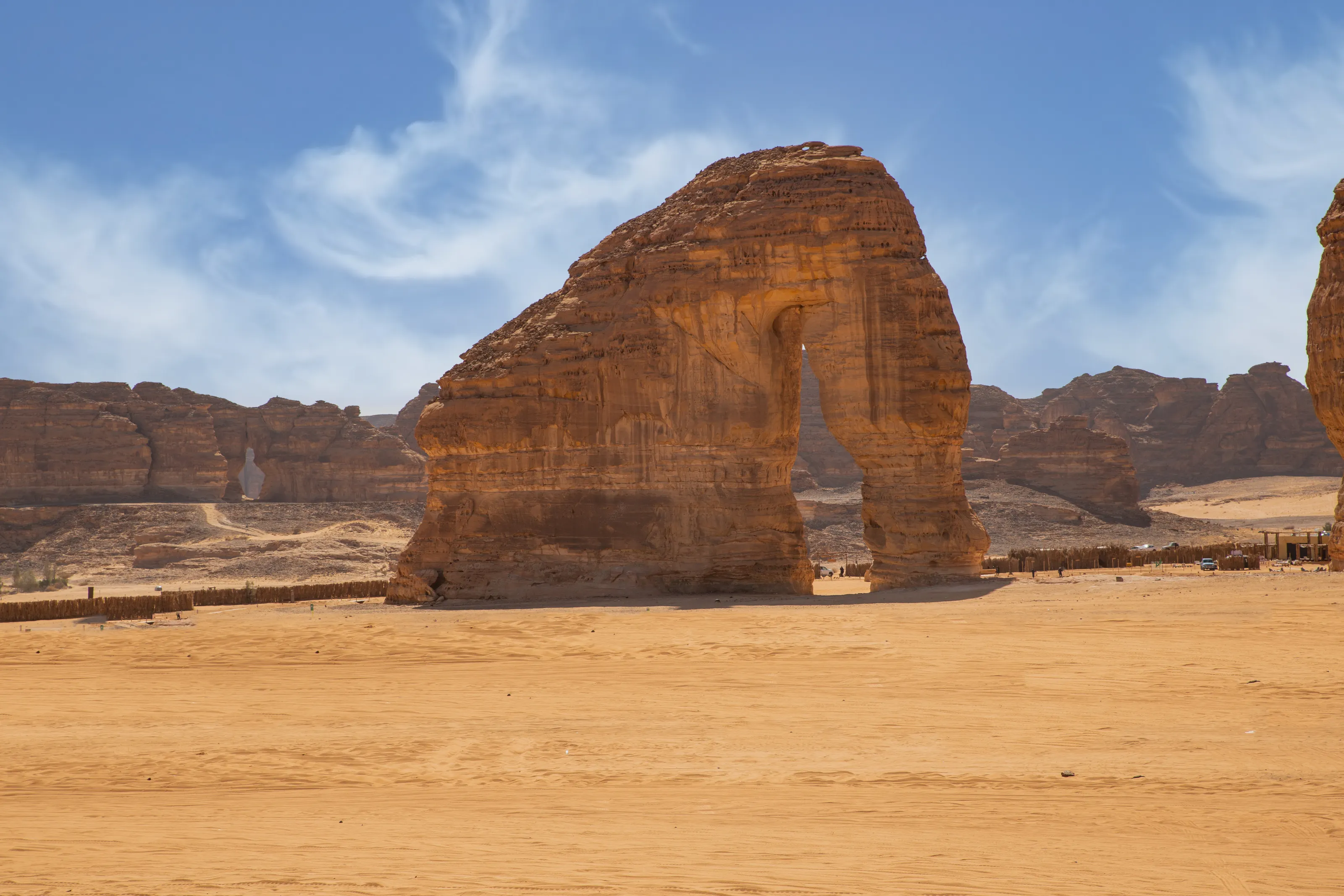
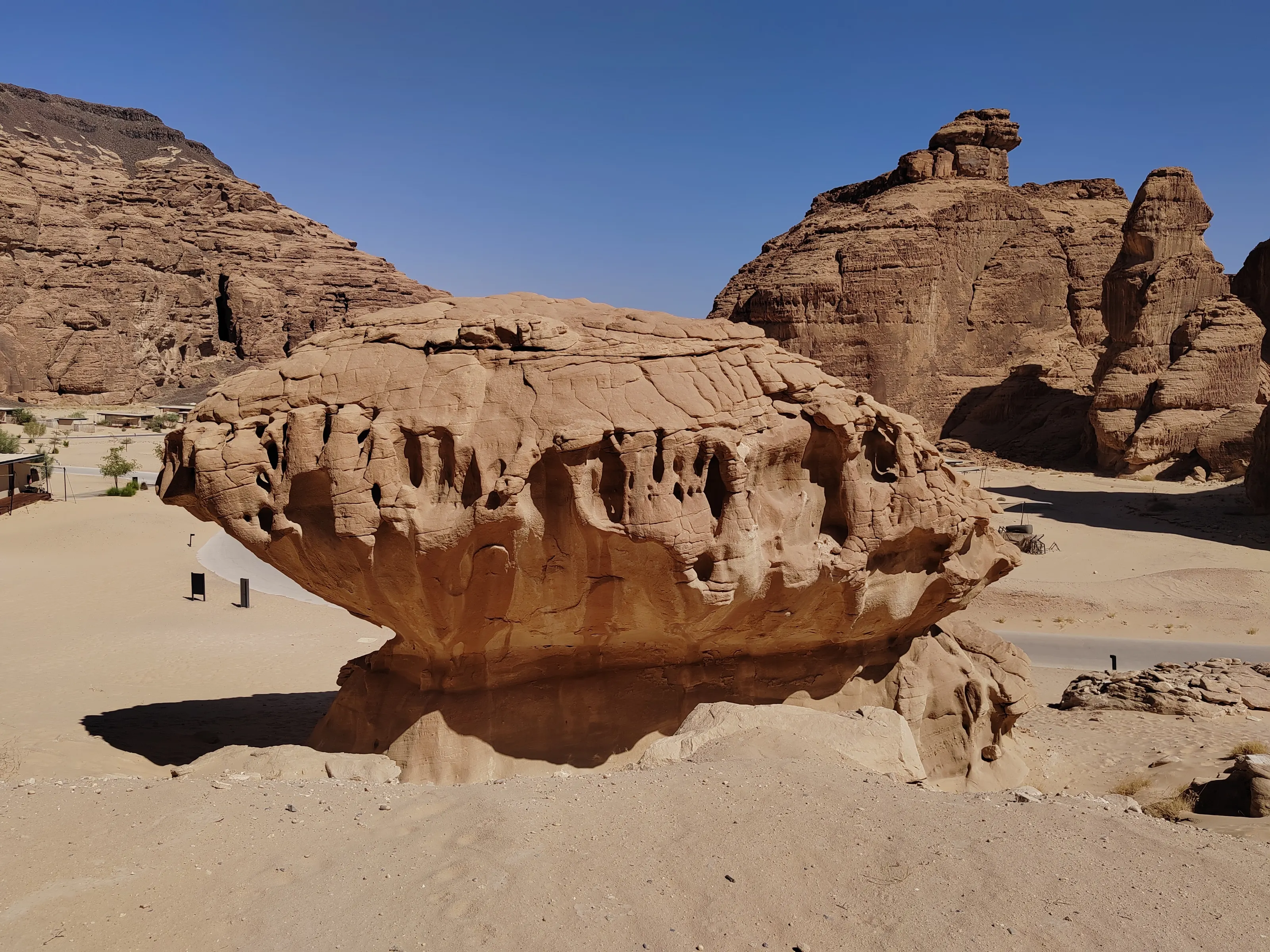
In the north-west, the AlUla region combines an oasis, wind-carved sandstone canyons and Hegra, with its tomb facades cut into the rock some 2,000 years ago. The famous Elephant Rock, a great ochre arch, is best photographed late in the day. Visits are often by guided excursion or with tickets booked online.
Wadi Disah
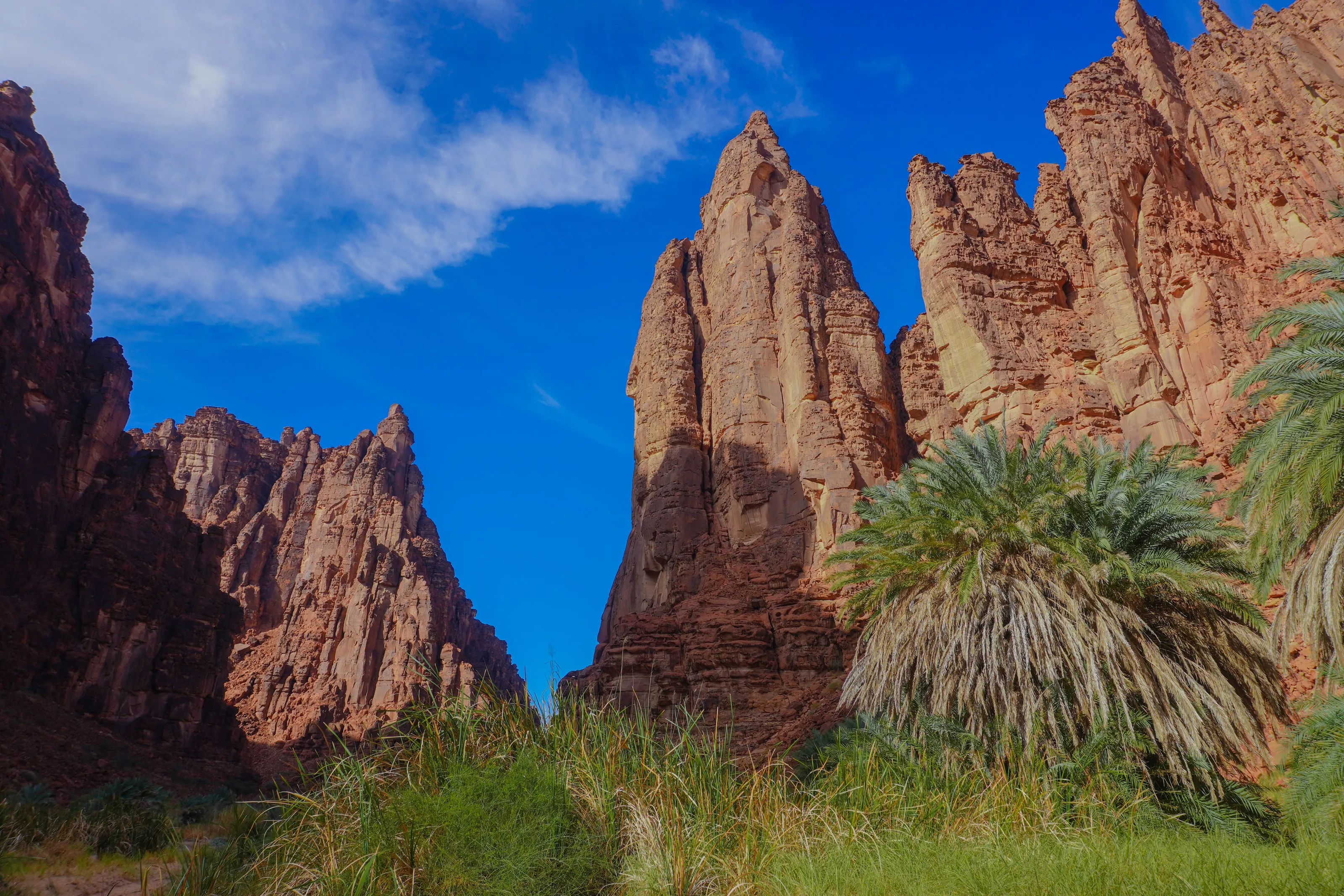
Near Tabuk in the north-west, this narrow canyon lines up red walls dozens of metres high, with a floor of reeds and palms that contrasts with the surrounding desert. It is explored by 4x4 with a local driver, preferably outside the hottest months.
Riyadh and the Edge of the World
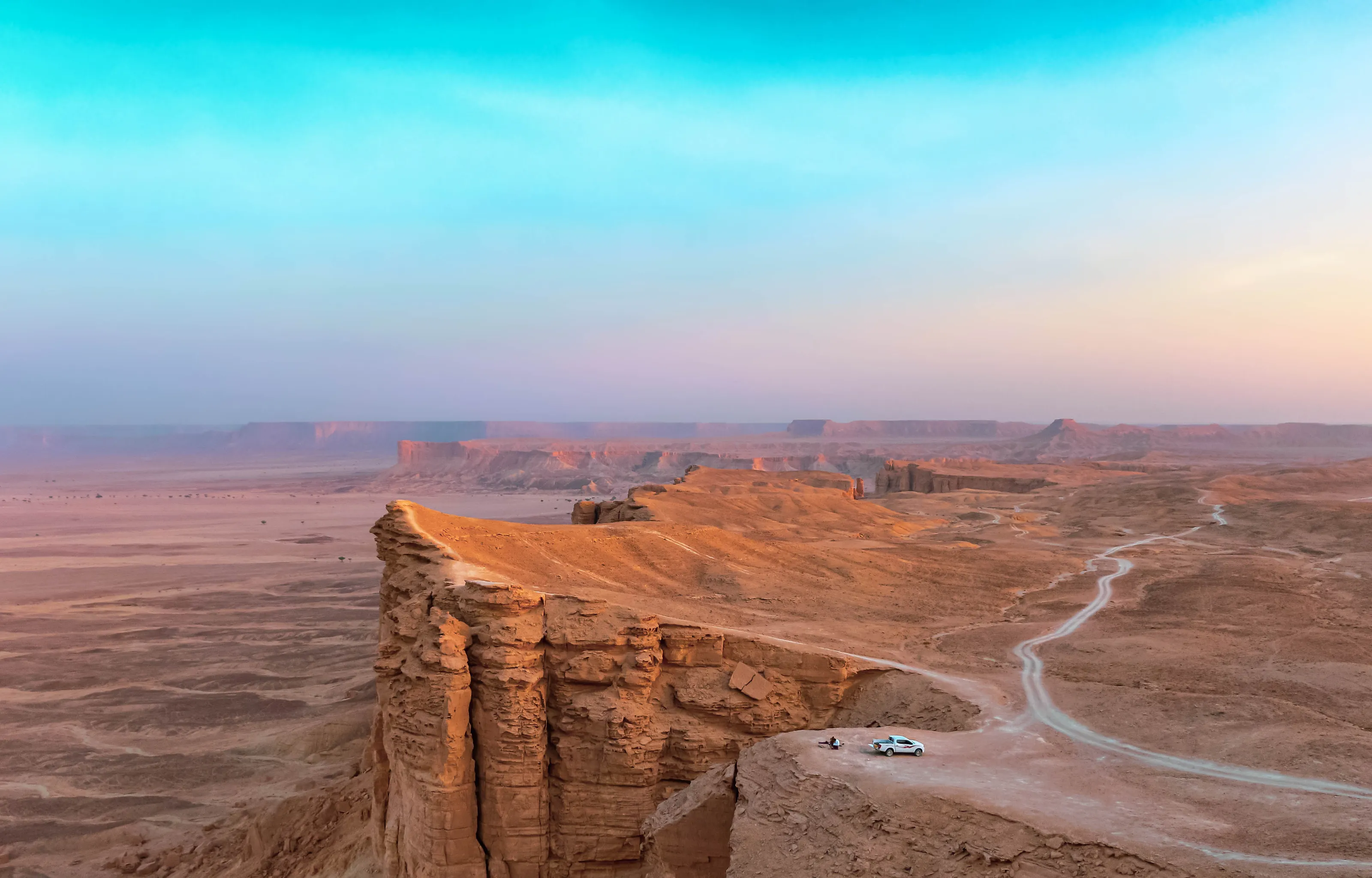
The capital mixes modern towers, museums and historic districts; Diriyah, cradle of the first Saudi state, is a short drive away. One to two hours by road, the Edge of the World cliffs overlook a plain of sand and rock and are best seen at sunset.
Jeddah and Al Balad
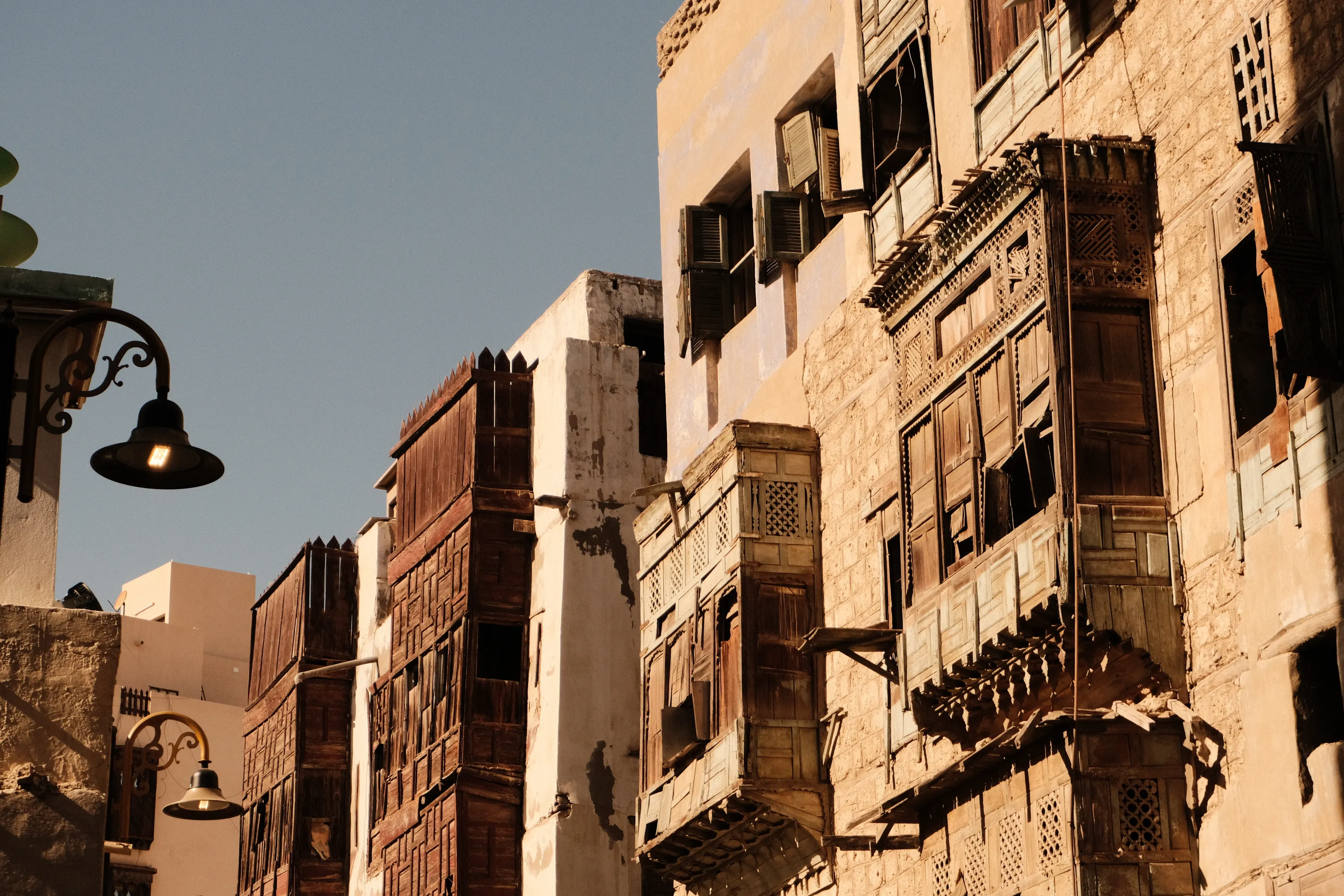
Gateway to Mecca on the Red Sea, Jeddah keeps a UNESCO-listed historic quarter: Al Balad. You stroll between coral-stone houses and openwork timber balconies, in lanes that come alive in the evening, before a walk along the seafront.
The Red Sea and the Asir
On the west coast, reefs and islands draw divers and swimmers; the Yanbu and Jizan areas give access to the Red Sea. In the south-west, the Asir mountains around Abha are cooler and greener, with hilltop villages and rain from autumn to winter.
Before you go
November to March for most regions
| Area | Climate | Best time |
|---|---|---|
| Riyadh and the centre | Desert: very hot summer, cool winter nights. | November to March |
| AlUla, Tabuk and the north-west | Hot by day, cool at night; snow possible on the Tabuk heights in winter. | November to March |
| Jeddah and the Red Sea | Hot, very humid summer, mild winter with a few short showers. | November to March, diving year-round |
| Asir and Abha | Cooler and wetter, with rain between October and March. | Summer to escape the heat, winter for mist |
| Dammam and the east | Scorching summers, mild winters. | November to March |
Summer averages near 45 °C across much of the country: plan visits early in the morning or late in the day. Rain is rare but can cause flash floods in wadis. Follow flight prices before you lock in dates, as winter remains the busiest season.
Getting around
Domestic flights, car hire, high-speed rail and taxis
The country is huge: to link Riyadh, AlUla, Jeddah or Abha, domestic flights are simplest. The road network is wide and car hire handy for excursions; for wadis and tracks, a 4x4 with a driver is advised.
A high-speed train links Medina and Jeddah, and ride-hailing taxis cover the big cities. Allow margin: distances between regions are long.
Food and culture
Arabic coffee, kabsa, dates and suitable dress
Arabic coffee scented with cardamom, served in tiny cups, opens every encounter. At the table, kabsa (spiced rice with lamb or chicken), mandi, taboon bread, dates, yoghurt and hummus make a meal true to the country. Pork is not served and meat is halal.
Visitors are expected to wear loose, modest clothing with shoulders and knees covered. Alcohol is banned. Mecca is open to Muslims only, as are some areas of Medina: check before you go.
Flying to Saudi Arabia
The Saudi airports covered by SniperAir
King Abdulaziz International
Jeddah's airport, about 25 km from the city: allow thirty to forty minutes by road. Gateway to the Red Sea, Al Balad and Mecca.
King Khalid International
Riyadh's airport, about 35 km from the centre: allow thirty-five to forty-five minutes. Departure point for Diriyah and the Edge of the World.
King Fahd International
Dammam's airport in the east, on the Gulf coast, serving Khobar and Dhahran.
Prince Mohammad Bin Abdulaziz
Medina's airport, around fifteen kilometres from the city, linked to Jeddah by a high-speed train.
King Abdullah bin Abdulaziz
Jizan's airport in the south-west, on the Red Sea coast, near the southern border.
Taif Regional
Taif's airport, a mountain city in the Hejaz, cooler than the coast in summer.
Abha International
Abha's airport in the Asir mountains: cooler weather, mist and hilltop villages.
Prince Naif bin Abdulaziz
Qassim's airport in the centre, serving Buraydah and its palm groves.
Yanbu
Yanbu's airport on the Red Sea coast, north of Jeddah.
Prince Sultan
Tabuk's airport in the north-west, an access point to Wadi Disah and the region.
Hail
Hail's airport in the north, a city near the UNESCO-listed rock art sites.
Al Jouf
Al Jouf's airport in the far north, in a region of oases and desert.
SniperAir destinations
Discover our destination pages
Saudi Arabia
Riyadh
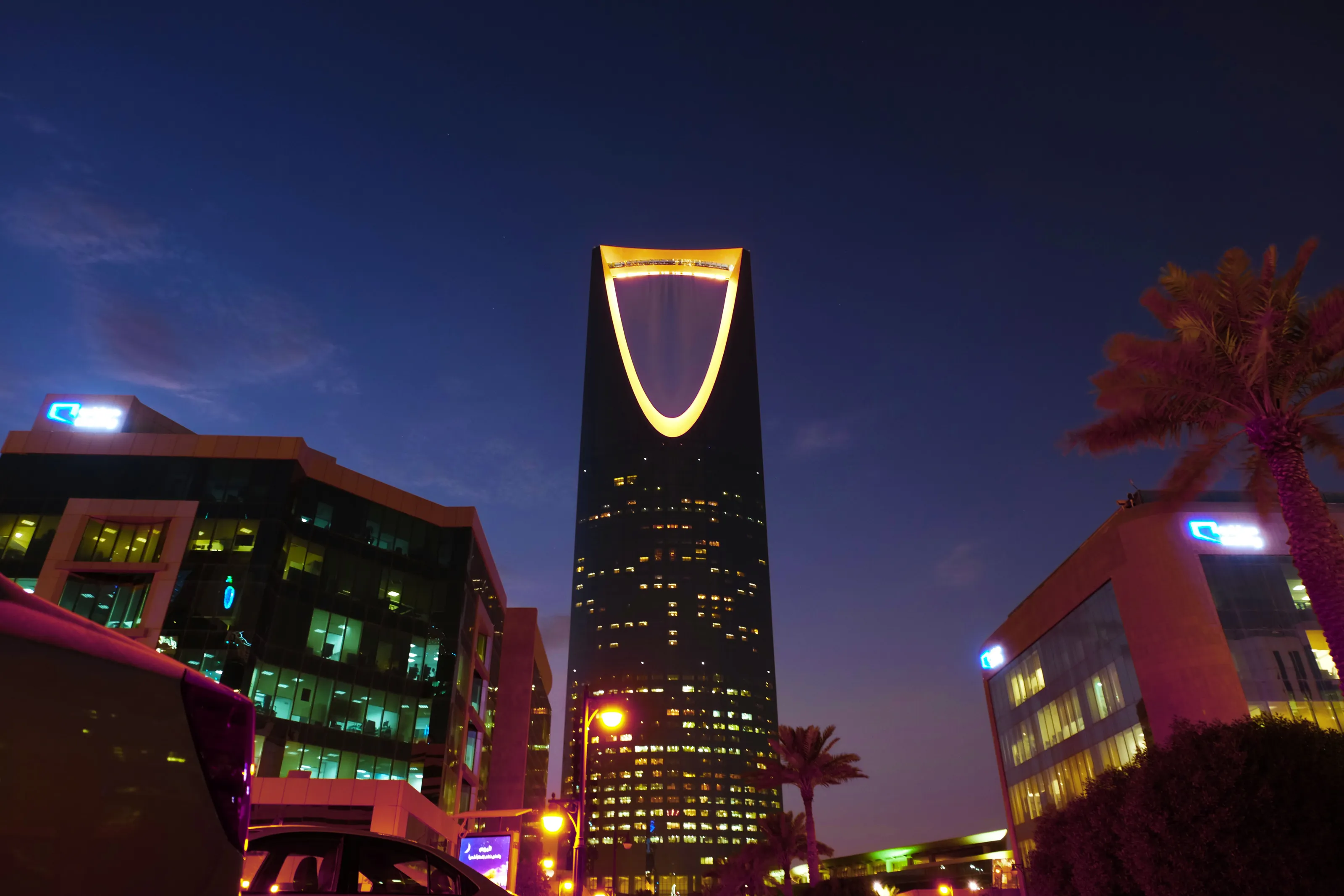
Riyadh: Kingdom Centre, Masmak Fortress, Diriyah and the Tuwaiq cliffs, with price alerts to King Khalid airport (RUH).
Discover
Saudi Arabia
Jeddah
Jeddah: the UNESCO-listed Al-Balad old town, the Corniche, Al-Rahma Mosque and the Red Sea, with price alerts to JED airport.
Discover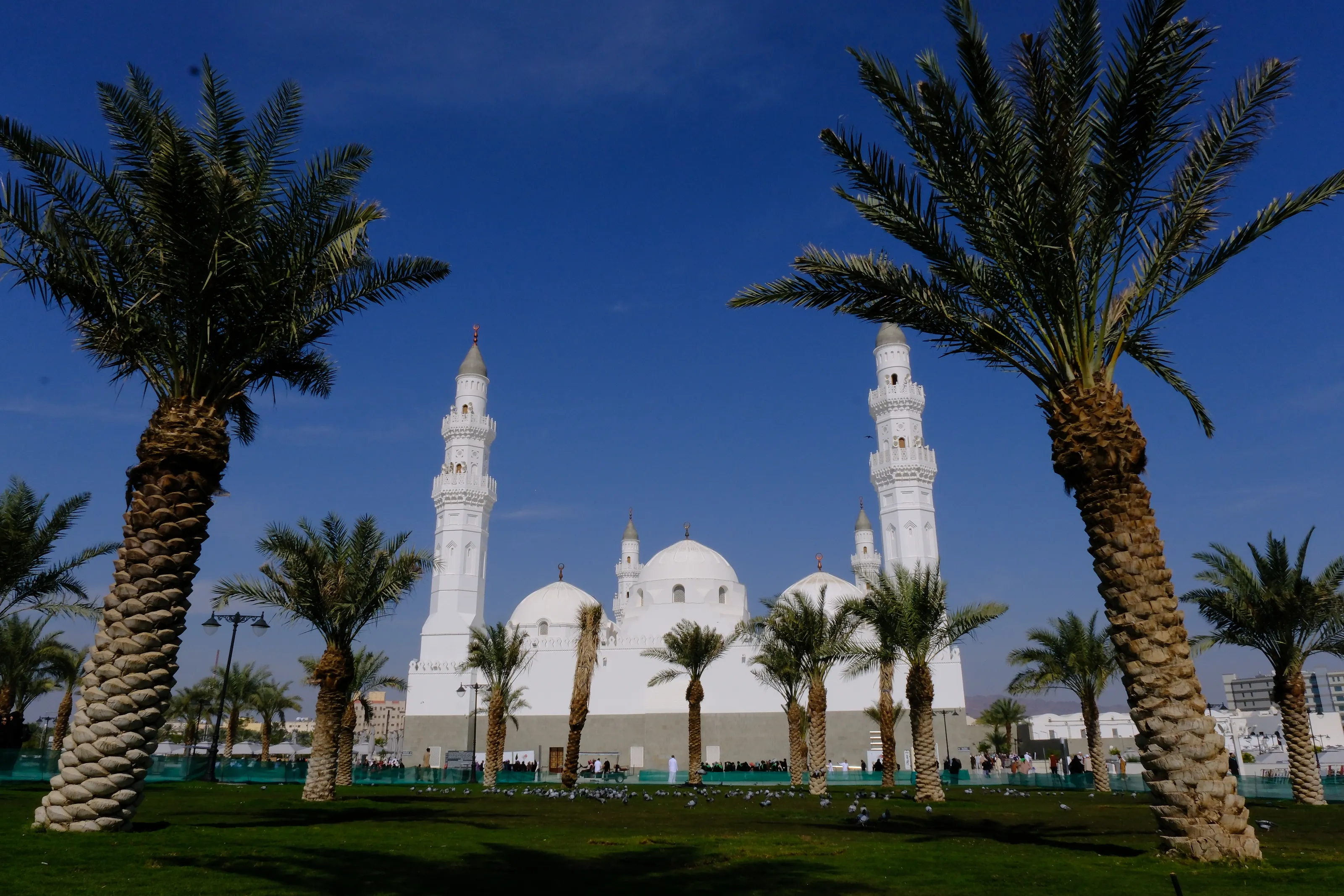
Saudi Arabia
Medina
Medina: the holy city of the Hejaz, Quba Mosque, Mount Uhud and dates, with price alerts to Medina airport (MED).
Discover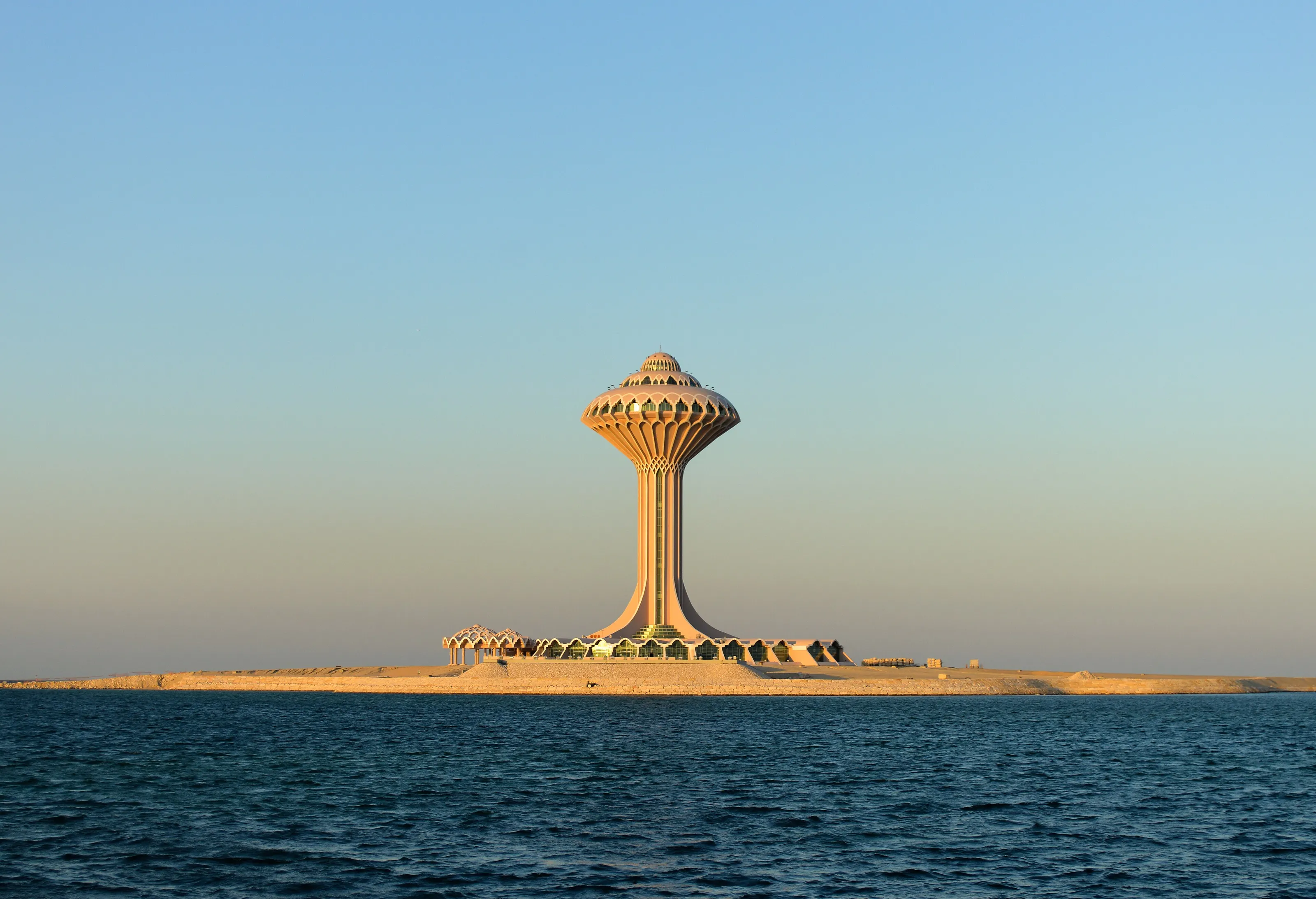
Saudi Arabia
Dammam
Dammam: the Persian Gulf Corniche, the Al Khobar tower, Ithra and nearby Bahrain, with price alerts to King Fahd airport (DMM).
DiscoverFAQ
Frequently asked questions about Saudi Arabia
Which airport should I fly into for Saudi Arabia?
Riyadh (RUH) and Jeddah (JED) are the main gateways. For AlUla you usually connect via a domestic flight or through Medina's airport; Dammam (DMM) serves the east. SniperAir tracks twelve Saudi airports.
When is the best time to travel to Saudi Arabia?
November to March for most regions, with mild days. Summer is very hot, except at altitude in the Asir. The Red Sea suits diving almost all year.
Is Saudi Arabia expensive to visit?
The budget sits in the mid to upper range at tourist sites, while local meals stay affordable. Domestic flights, car hire and excursions push up the total.
Do I need a visa for Saudi Arabia?
An electronic tourist visa exists for citizens of many countries, but rules change: check entry requirements on the official Saudi authorities' website before you go.
How long do I need in Saudi Arabia?
Eight to ten days let you combine AlUla, Riyadh and Jeddah. Four to five days are enough to focus on a single region.
What travel precautions should I take?
Read the travel advice from your foreign ministry, wear loose modest clothing, drink plenty of water, avoid wadis when it rains and protect yourself from the sun.
How do I get alerted when a flight to Saudi Arabia gets cheaper?
Create a SniperAir alert profile with your departure airport and Riyadh, Jeddah or another Saudi airport as the destination: we watch fares and notify you as soon as a matching opportunity appears. See how it works.
Ready to follow fares to Saudi Arabia?
Create an alert and let SniperAir do the rest.
Create my alert