
Travel to Ethiopia
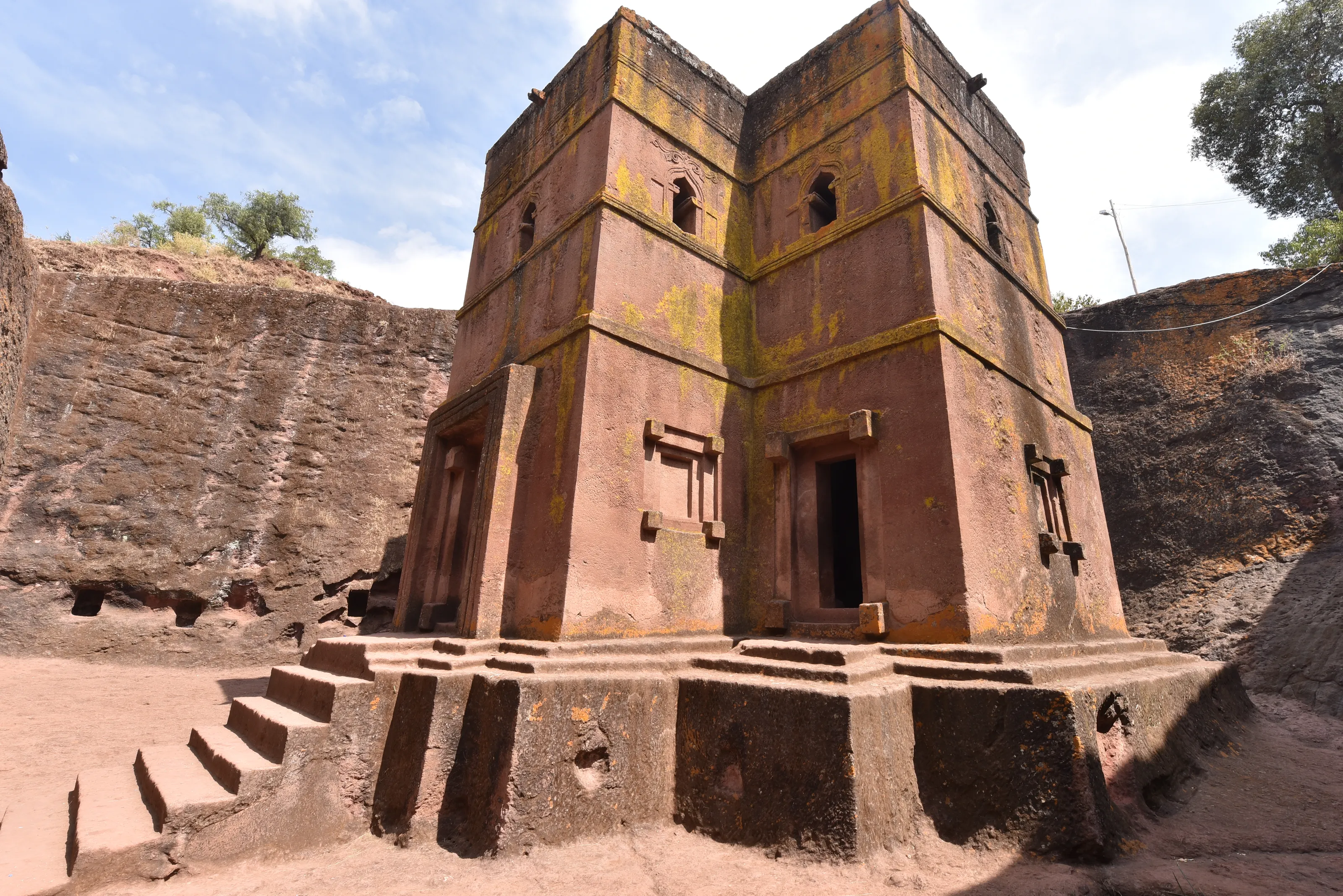
Churches carved out of solid rock at Lalibela, misty plateaus where gelada monkeys graze, a desert of salt and sulphur below sea level and the birthplace of coffee: Ethiopia packs centuries of history and landscapes found nowhere else. Here is what to know before you look for cheap flights to Ethiopia.
Ethiopia in numbers
Capital
Addis Ababa
Population
Over 100M
Area
~1.1M km²
Currency
Birr
Language
Amharic
UNESCO sites
About ten
Continent
Africa
Time zone
UTC+3
Airports covered
2
Why visit Ethiopia
An ancient, high-altitude country far from the beaten track
Lalibela, the African Jerusalem
Eleven monolithic churches cut into red rock under King Gebre Meskel Lalibela, traditionally dated to the late 12th and early 13th centuries, form one of Africa's great Christian pilgrimage sites. UNESCO listed them in 1978.
Mountains over 4,000 metres
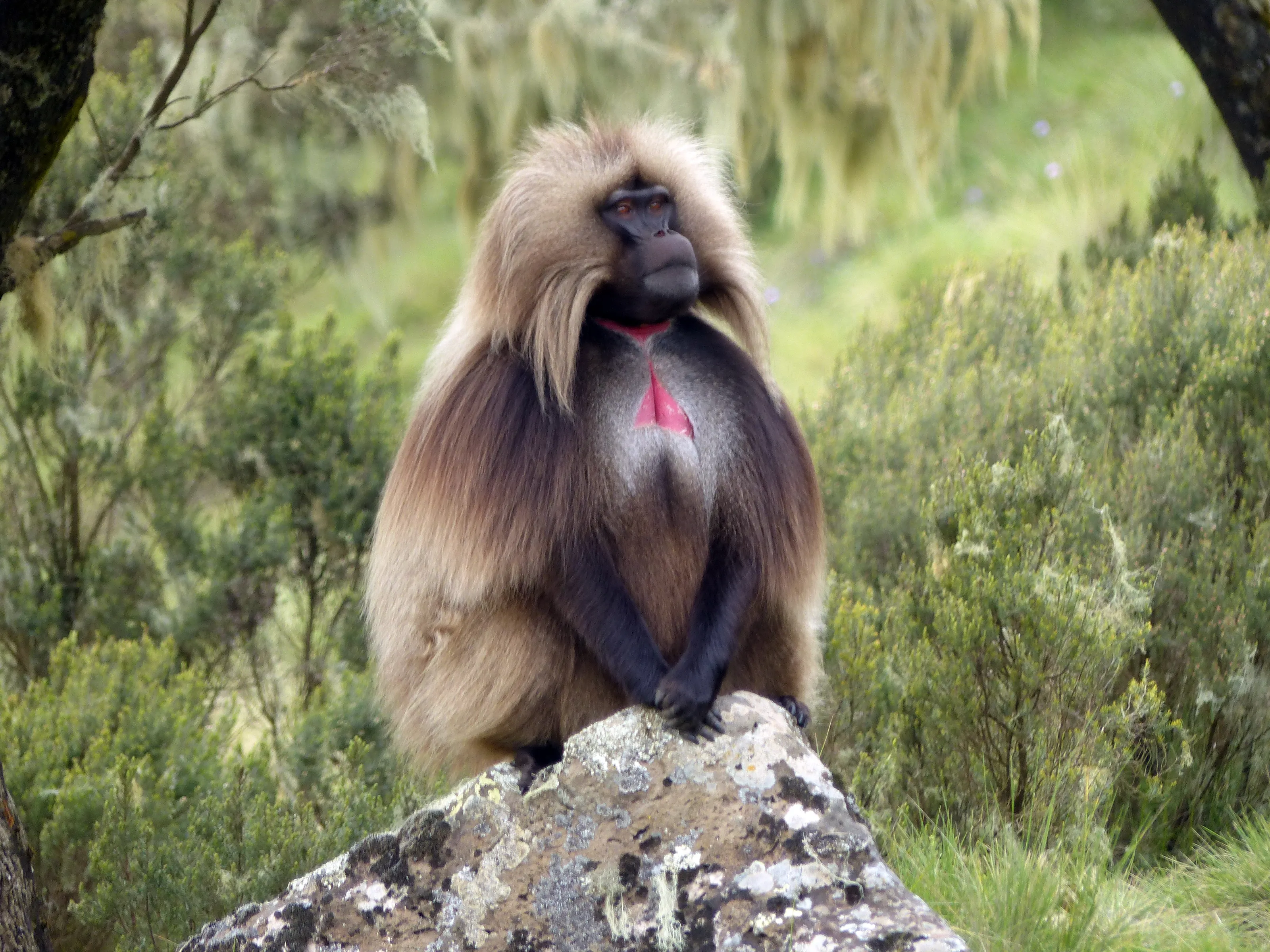
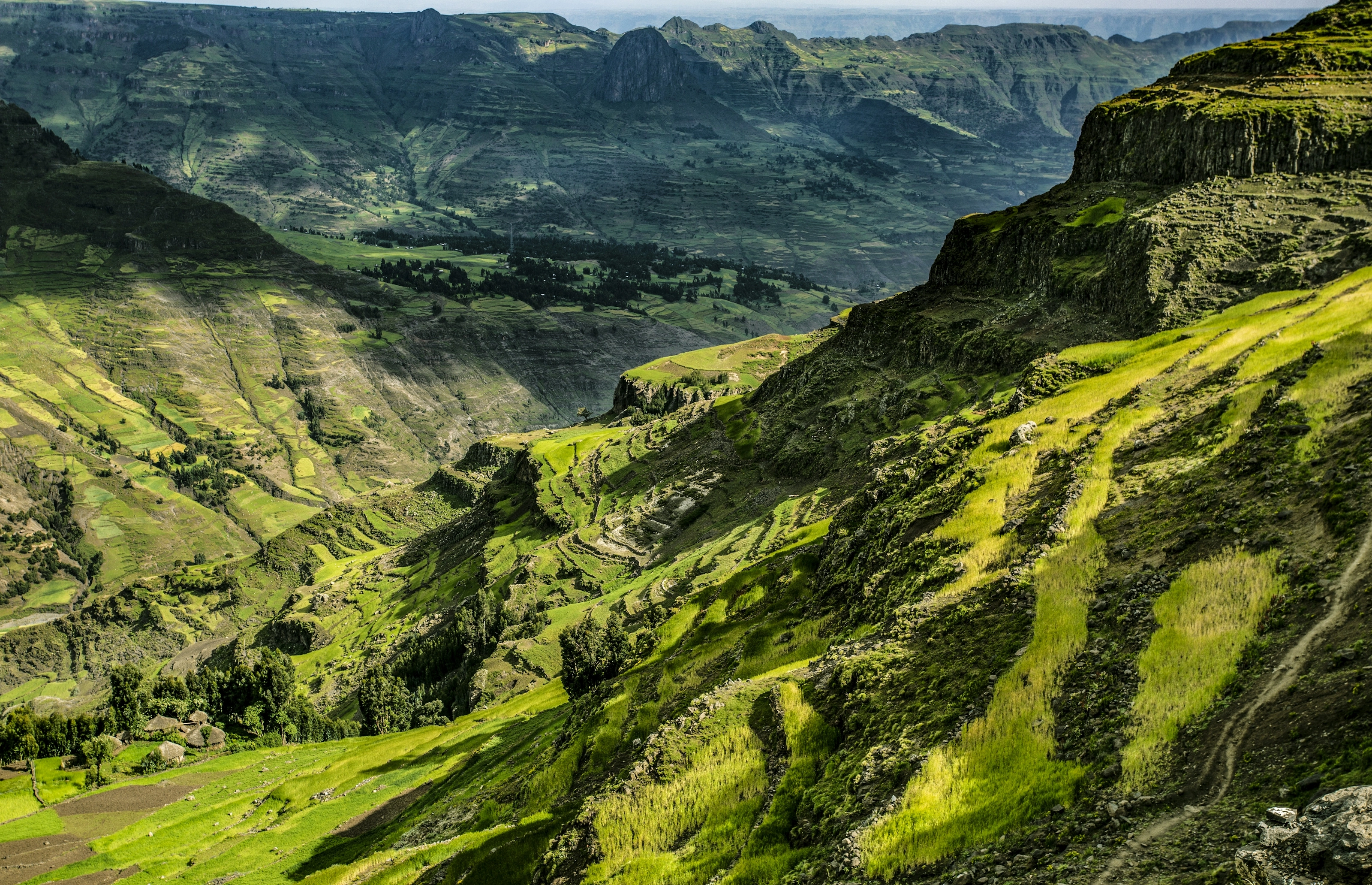
The Simien Mountains reach roughly 4,500 metres at Ras Dashan, the country's highest point. Their eroded escarpments shelter species almost nowhere else: gelada baboons, walia ibex and the Ethiopian wolf.
The Danakil, edge of the world
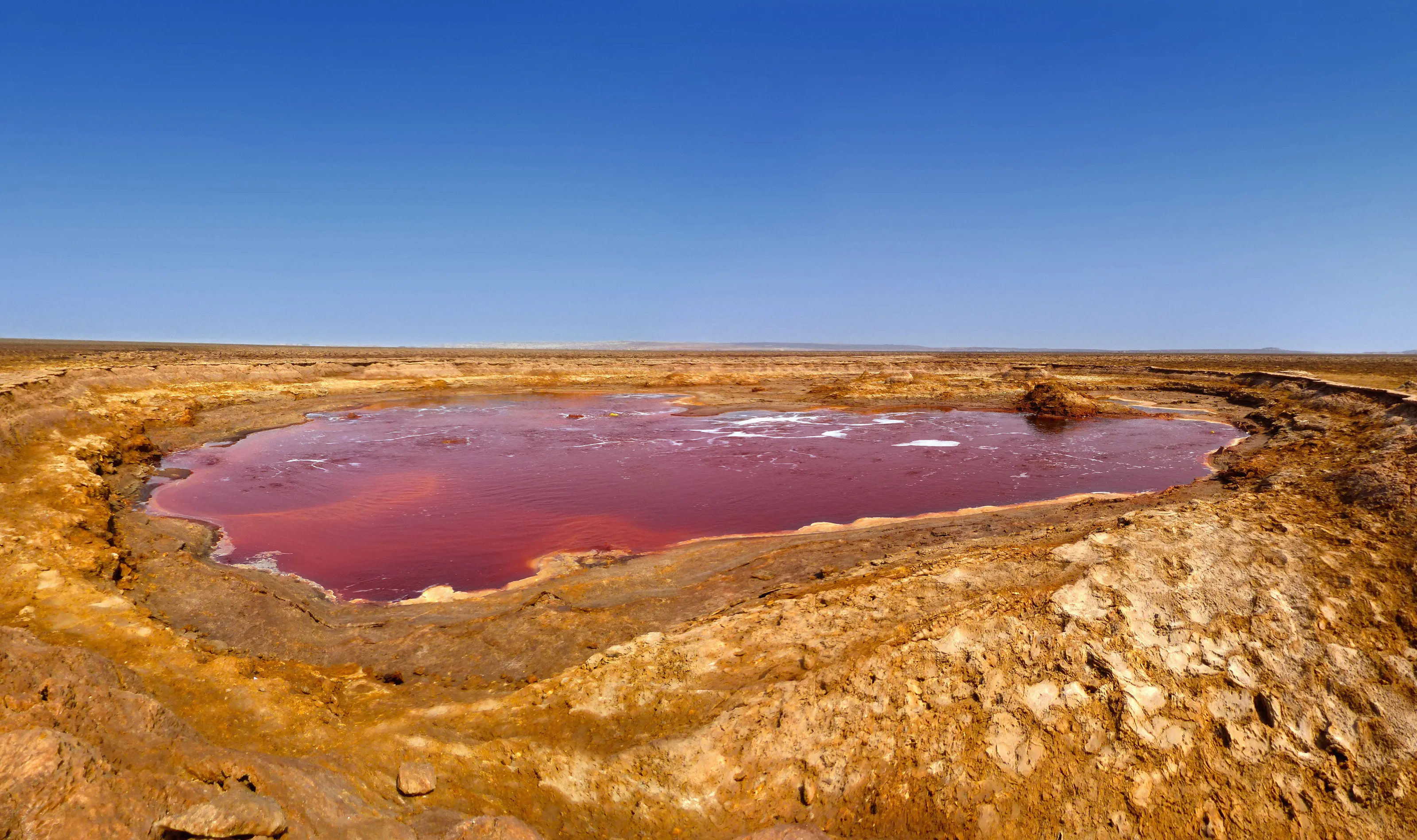
The Danakil Depression sits about 125 metres below sea level and gathers volcanoes, salt lakes and sulphur springs in shocking colours. Visitors go with local operators, in extreme heat, for scenery that feels like another planet.
The birthplace of coffee
Ethiopia is regarded as the original home of coffee, and the ceremony around it is part of daily life. With injera made from teff, a grain native to the country, Ethiopian food is unlike any other.
Where to go
Lalibela, Gondar, Simien, the Danakil and Addis Ababa
Most trips start in Addis Ababa and reach the north by domestic flight, because road distances are long: about 500 km to Lalibela. To combine with a safari or another country in the region, see also our Kenya page.
Lalibela: eleven churches in the rock
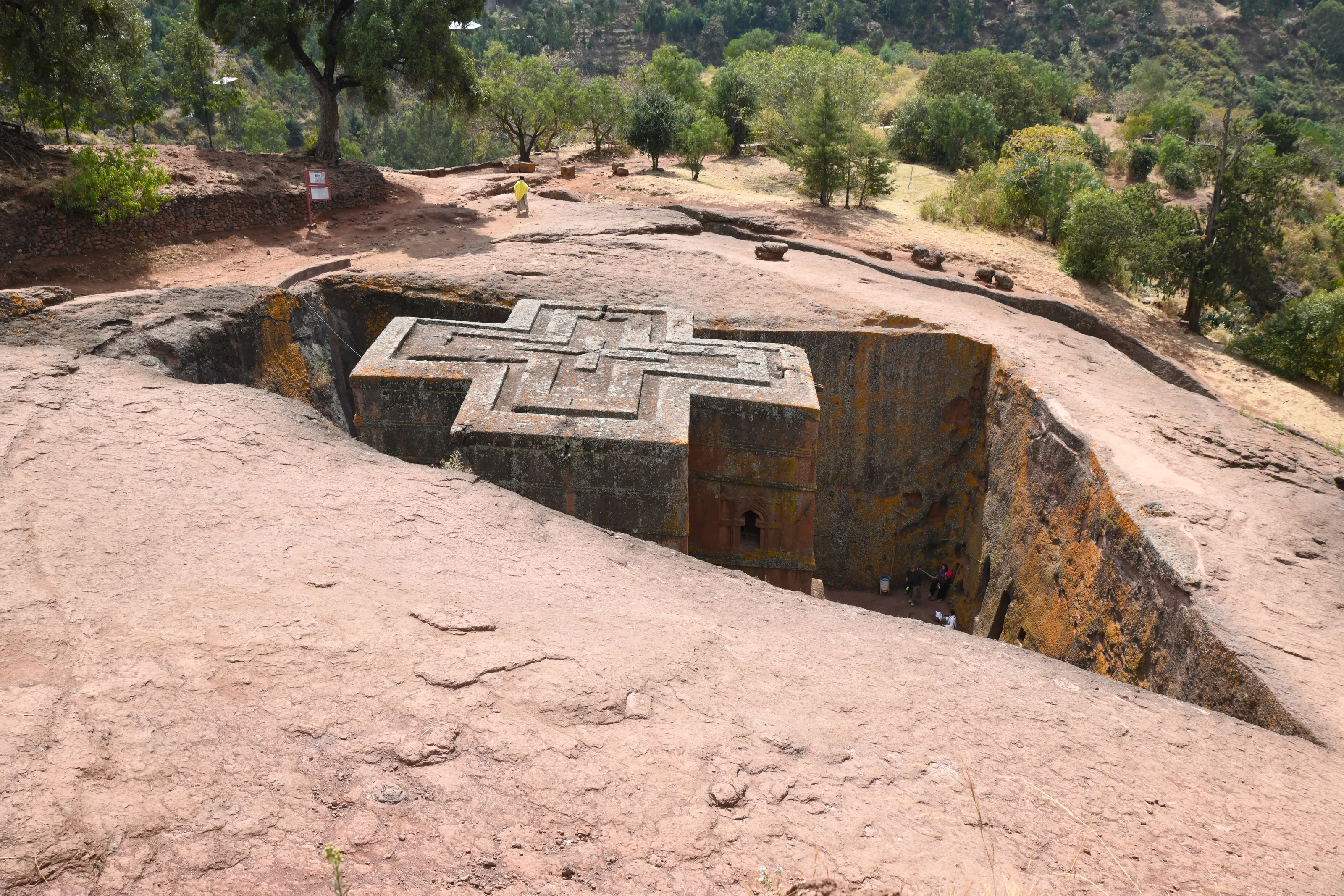
High up at over 2,500 metres, the monastic town of Lalibela lies some 500 km from Addis Ababa. Its churches are carved below ground level from single blocks; Bete Giyorgis, dedicated to St George, has a Greek-cross plan best seen from above. Religious festivals, including Genna in early January and Timkat in mid-January, bring thousands of white-robed pilgrims.
Gondar and the northern historic route
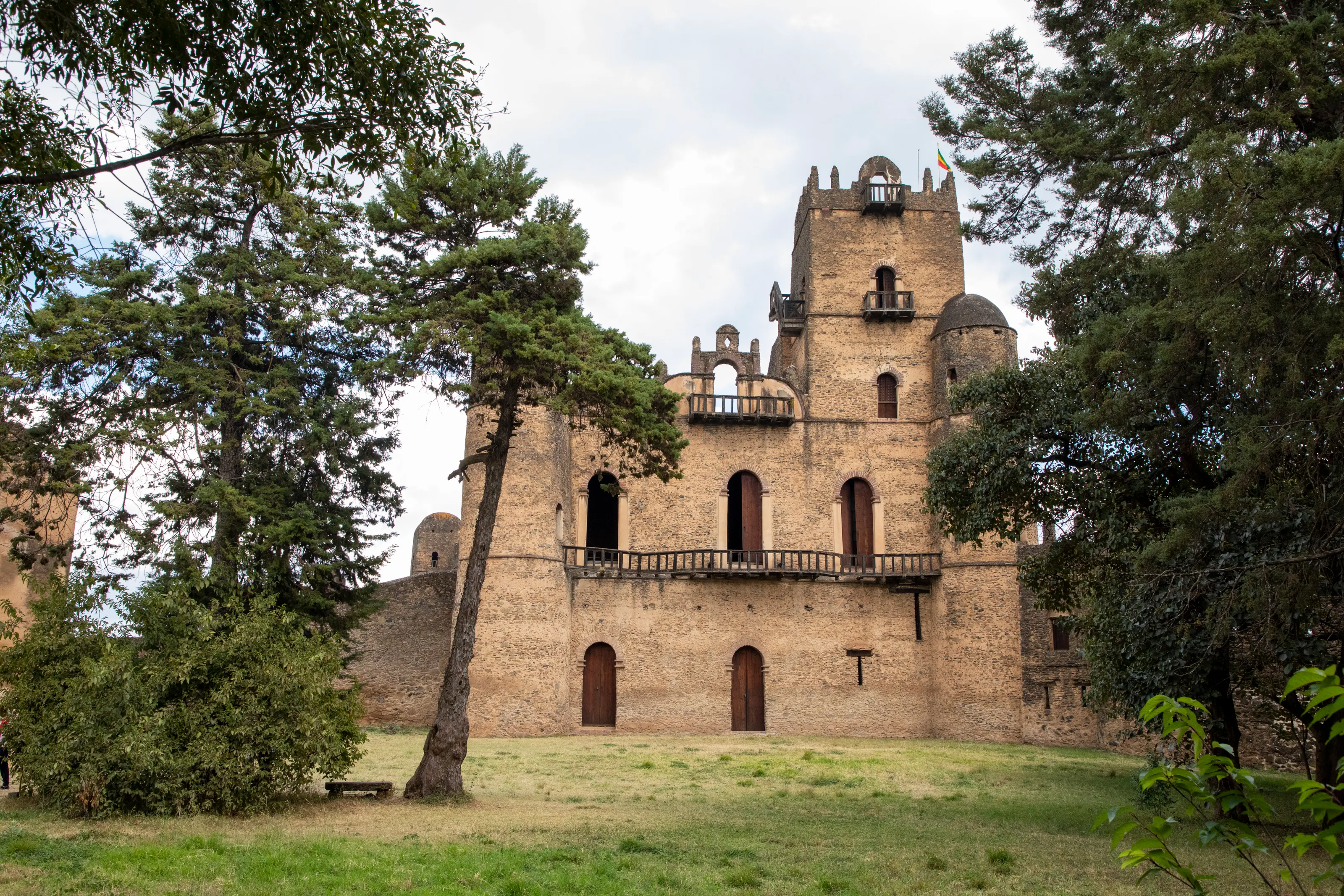
Northern Ethiopia is toured on a historic circuit linking Lalibela, Gondar, Aksum and Bahir Dar on Lake Tana, source of the Blue Nile. At Gondar, the Fasil Ghebbi castle and its stone towers recall the imperial court of the 17th century. Every stop has its own flavour: obelisks at Aksum, island monasteries on Lake Tana.
The Simien Mountains: plateaus, geladas and cliffs
In Simien Mountains National Park, created in 1969, walkers follow plateaus and the edge of dizzying cliffs with views over deep valleys. Geladas, with their red chest patches, move in troops across the grass and can be watched from a few metres away. Nights are cold, so bring warm clothes.
The Danakil and Addis Ababa
The Danakil, in the north-east, is one of the hottest places on Earth: volcanoes such as Erta Ale, salt crystals and sulphur pools in vivid colours, usually seen on an organised trip of a few days. At the other end of the country, Addis Ababa, at about 2,400 metres, is the gateway, with museums, markets, traditional restaurants and coffee houses where nobody rushes.
Before you go
Mild at altitude, scorching in the lowlands
| Region | Climate | Best time to visit |
|---|---|---|
| Addis Ababa and the highlands | Mild at altitude with cool nights; main rains from late June to late September, then a dry season. | October to February |
| Lalibela and the northern circuit | Similar to Addis Ababa, with clear days after the rains and cold nights. | October to February |
| Simien Mountains | Cool and windy at altitude, with frequent mist; greenest just after the rains. | October to December |
| Danakil | Very hot and dry all year; one of the hottest areas on the planet. | November to March, on an organised trip |
The main rains fall from late June to late September on the plateaus, then the weather stays dry until February. Many sites lie above 2,000 metres, so pack warm layers for evenings and let your body adjust to altitude. Keep an eye on flight prices before fixing your dates.
Getting around
Domestic flights, long roads and organised tours
Distances are large: about 500 km between Addis Ababa and Lalibela. The national carrier, Ethiopian Airlines, connects several northern towns by domestic flight, and roads across the plateaus are long. Travellers often combine internal flights with transfers by driver or guide.
For Simien and the Danakil, use a local operator who supplies vehicle, guide and equipment. Check your government's travel advice for the regions you plan to visit, and leave slack in your schedule.
Food and culture
Injera, coffee and a thirteen-month calendar
Injera, a large soft pancake of teff, serves as both plate and cutlery: you pile on wat, a spiced stew, or tibs, sautéed pieces of meat. The coffee ceremony, with beans roasted on the spot, is a moment of sharing offered almost everywhere.
The country keeps its own calendar of thirteen months, about seven to eight years behind ours, and an ancient Orthodox Christianity sets the rhythm of festivals: Timkat in mid-January, Meskel in September. Dozens of ethnic groups live side by side.
Flying to Ethiopia
The Ethiopian airports tracked by SniperAir
Bole International
Addis Ababa's international airport, about ten kilometres from the centre. It is the hub of the national carrier and the starting point for most domestic flights north.
Lalibela
Lalibela's airport, around 25 kilometres from the town, mainly handles domestic flights from Addis Ababa. It spares you the long road journey to the churches.
FAQ
Frequently asked questions about Ethiopia
Which airport should I use to travel to Ethiopia?
Addis Ababa's Bole airport (ADD) handles international flights and acts as the platform for the rest of the country. Lalibela (LLI) has a small airport for domestic flights. SniperAir tracks both.
When is the best time to travel to Ethiopia?
October to February, after the main rains of late June to September: the plateaus are green, skies are clear and roads easier. The Danakil is usually visited from November to March, when it is a little less hot.
Is Ethiopia expensive to visit?
Costs on the ground are generally modest, but the budget depends mostly on the flight, internal flights and organised excursions such as the Danakil or Simien. Choosing your season and watching flight prices helps keep the bill down.
Do I need a visa for Ethiopia?
Entry rules depend on your nationality and change over time. Visas are often requested online before departure, and a yellow fever certificate may be required depending on where you travel from. Check official sources and your government's travel advice before booking.
How long should I spend in Ethiopia?
Allow ten to fourteen days for the northern historic circuit (Addis Ababa, Bahir Dar, Gondar, Simien, Lalibela). The Danakil needs a few extra days. Even a week lets you see Lalibela and Addis Ababa.
Do I need to prepare for the altitude?
Yes: Addis Ababa sits at about 2,400 m and many northern sites are above 2,000 m. Give yourself a day or two to adjust, drink plenty of water, protect yourself from the sun and bring warm clothes for cool nights.
How do I get alerted when flights to Ethiopia drop in price?
Create a SniperAir alert profile with your departure airport and Addis Ababa as the destination. We track prices and notify you as soon as a match appears. See how it works.
Ready to track prices to Ethiopia?
Create an alert and let SniperAir do the rest.
Create my alert