
Travel to Zambia
The Zambezi plunges into a chasm more than a kilometre wide and the smoke of Victoria Falls can be seen from afar; further east you follow elephants and giraffes on foot in the Luangwa Valley, then watch the sun set over a river. Zambia is a country of water, open space and some of Africa's most genuine safaris. Here is what to know before you look for cheap flights to Zambia.
Zambia in numbers
Capital
Lusaka
Population
About 20M
Area
~753,000 km²
Currency
Zambian kwacha
Language
English
UNESCO sites
1
Continent
Africa
Time zone
UTC+2
Airports covered
2
Why visit Zambia
Giant waterfalls, rivers and walking safaris
Victoria Falls
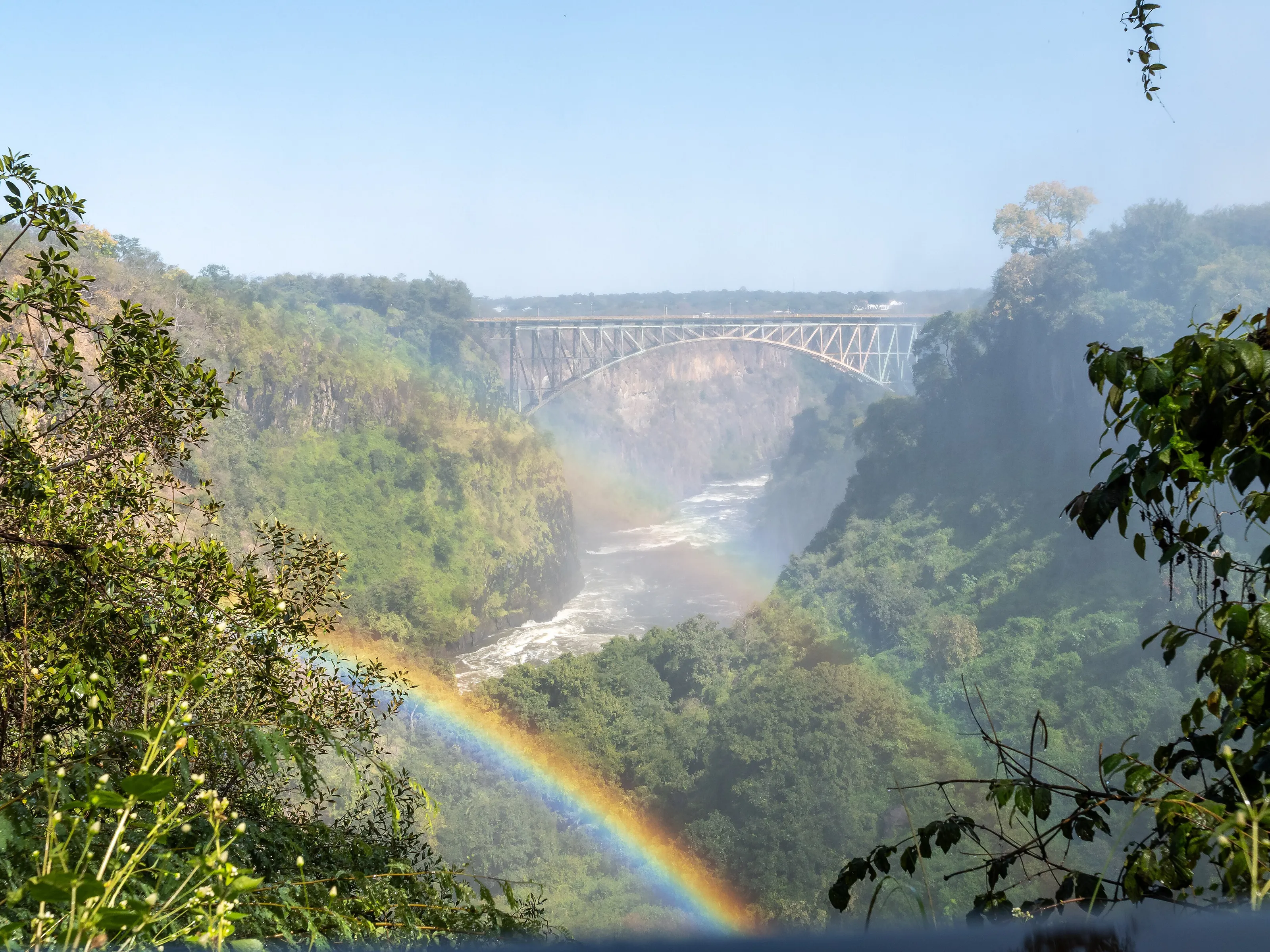
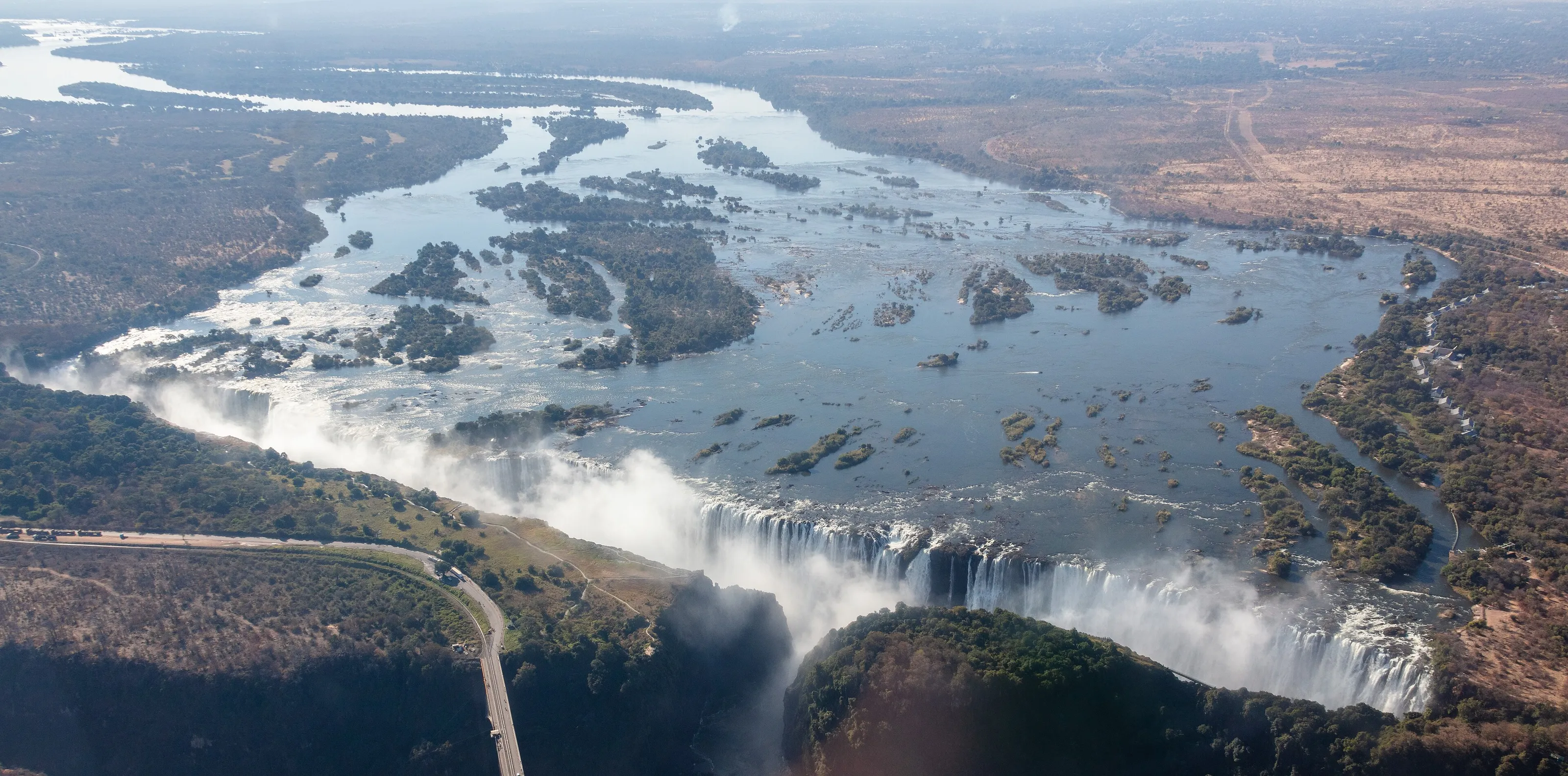
Mosi-oa-Tunya, "the smoke that thunders", about 1.7 kilometres wide and roughly a hundred metres high, has been UNESCO-listed since 1989. On the Zambian side you reach it from Livingstone, by the gorge, the bridge, or from the air.
The walking safari
The Luangwa Valley is one of Africa's best-known places to walk through the bush with a guide, close to elephants, giraffes and birds. Zambia pairs this with night drives, without crowds of vehicles.
Huge rivers and lakes
The Zambezi, Kafue, Luangwa, Lake Kariba and Lake Bangweulu: you paddle, fish, sleep on a houseboat and watch herds come to drink at dusk.
Nature few people visit
About twenty national parks, valleys with hardly any roads and wildlife that is both abundant and discreet. The country is visited less than its neighbours, which you feel on the tracks and in the camps.
Where to go
Victoria Falls, South Luangwa, Kafue and Lusaka
Many trips pair Livingstone, for the falls, with one park: South Luangwa in the east or Kafue in the west-centre. Distances are large and roads can be slow, so domestic flights are often the best option between parks.
Livingstone and Victoria Falls
Livingstone is the base for Victoria Falls, which Zambia shares with Zimbabwe. You see them on foot from Mosi-oa-Tunya National Park, from the bridge, through the Zambezi gorge on a rafting trip, by helicopter or on a sunset cruise. At low water, for a few weeks a year, you can even swim in Devil's Pool at the edge of the drop with a guide. To extend your trip southwest, see also our Botswana page or Namibia page.
South Luangwa, the walking-safari valley
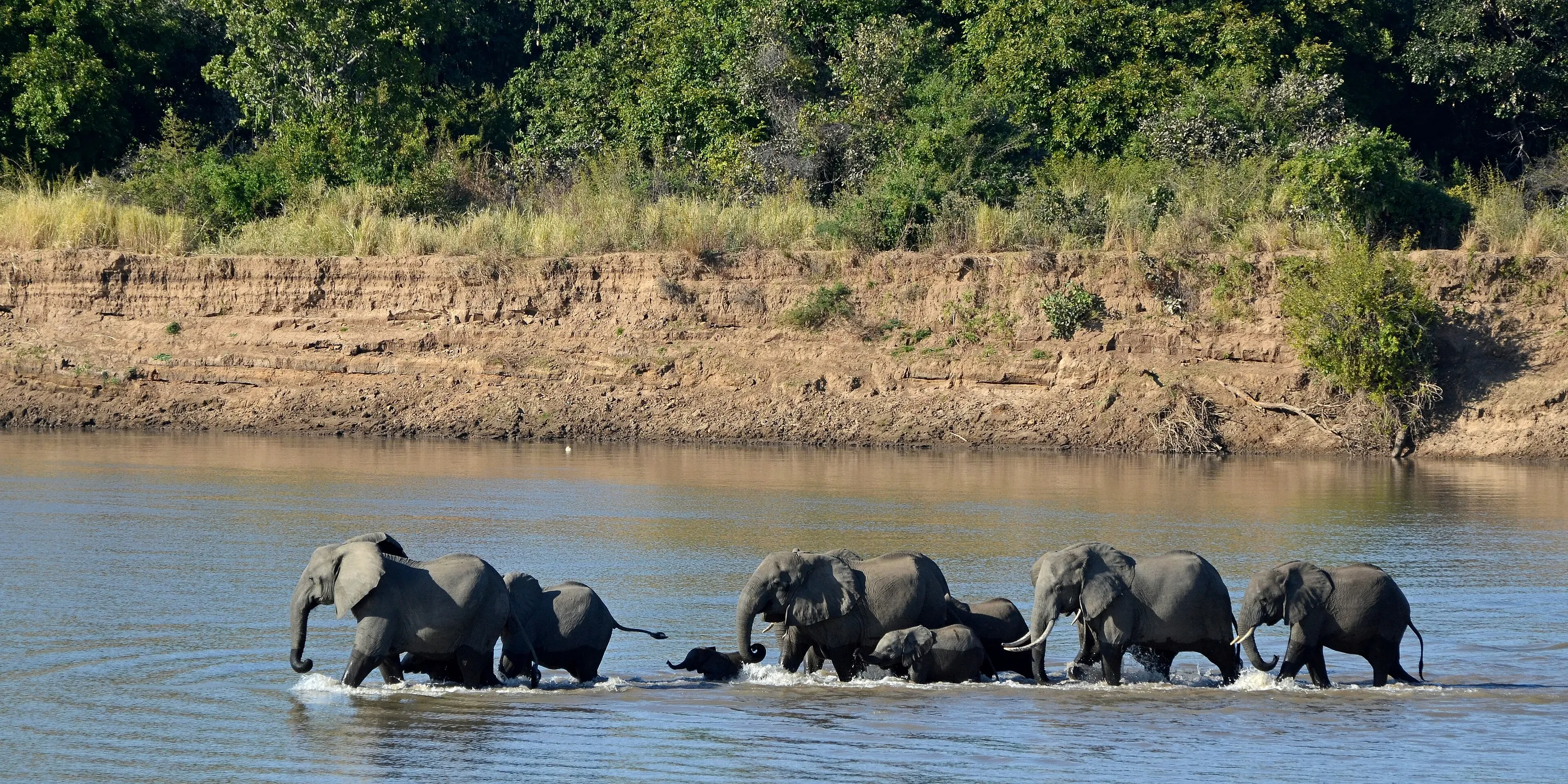
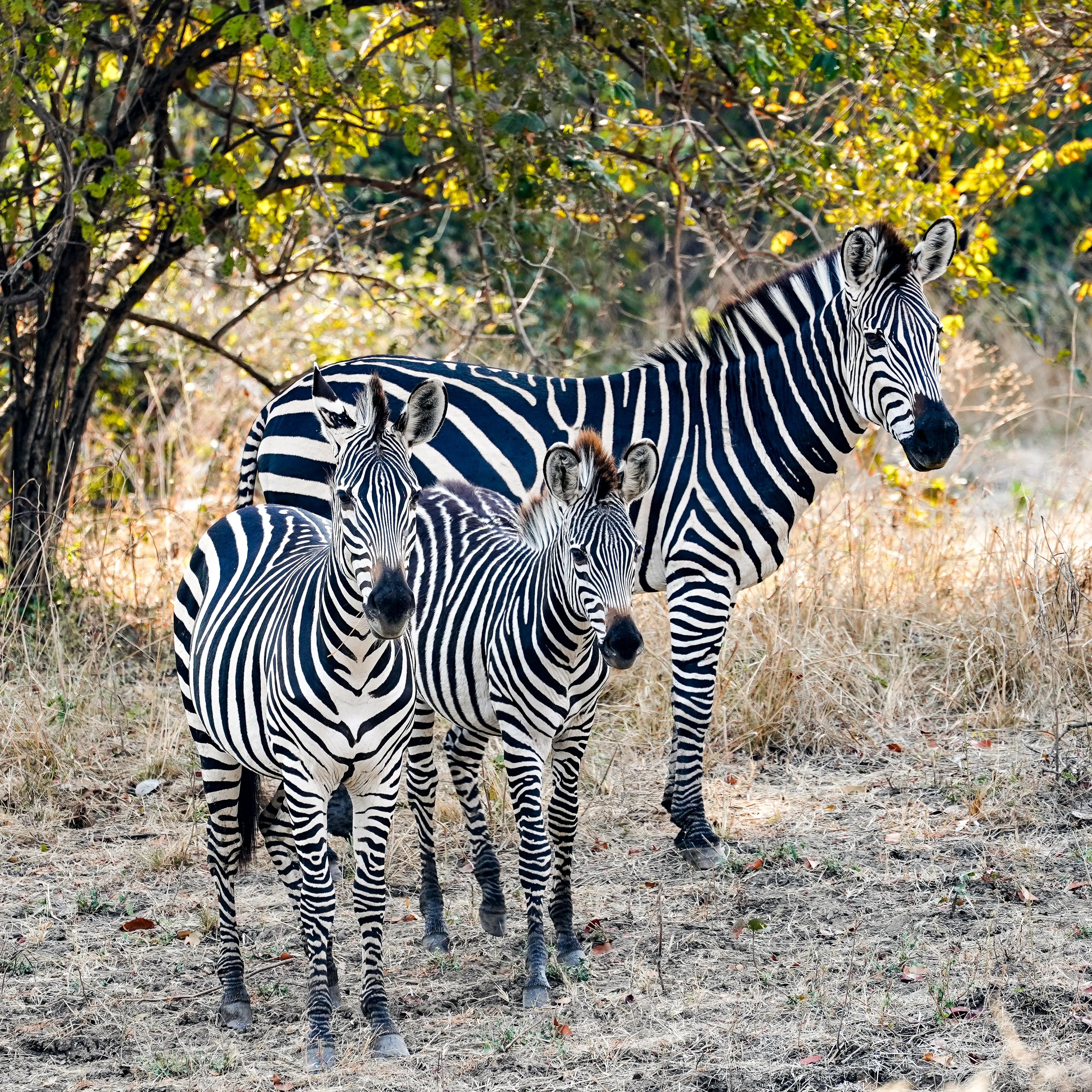
South Luangwa National Park, over 9,000 km2, follows the Luangwa River and its lagoons. It is home to more than sixty mammal species and over four hundred birds: elephants, buffalo, hippos, Thornicroft's giraffes, zebras and leopards. You explore on foot, by 4x4 or on night drives, from lodges on the riverbank. Late in the dry season, animals gather near the water.
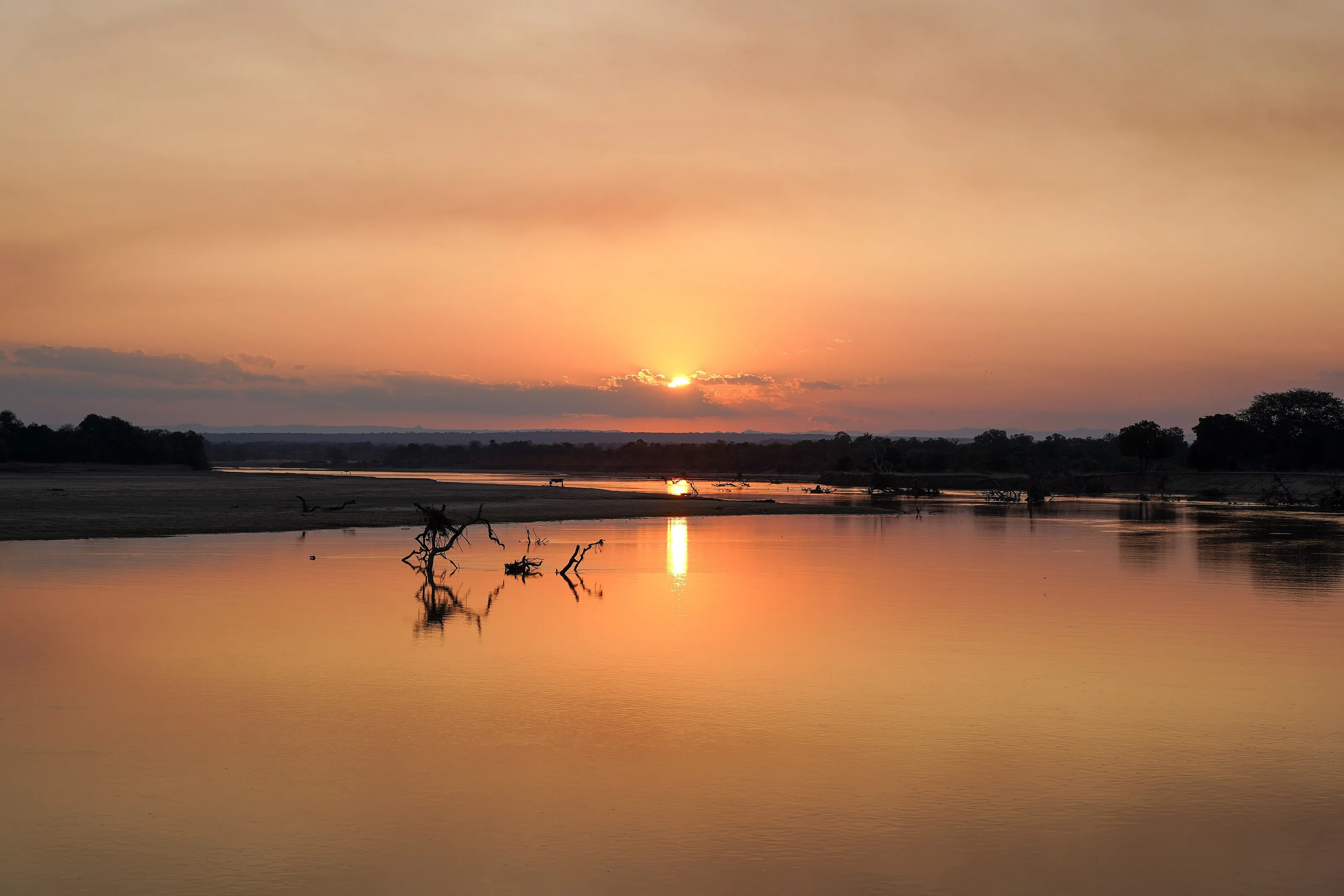
Kafue, the Lower Zambezi and Lake Kariba
Kafue is the country's largest national park, with floodplains and many birds. The Lower Zambezi, once a presidential hunting ground, offers canoe safaris and quiet bush. Lake Kariba, in the southeast, is explored by houseboat. In the north, North Luangwa remains a park of big buffalo herds and large lion prides.
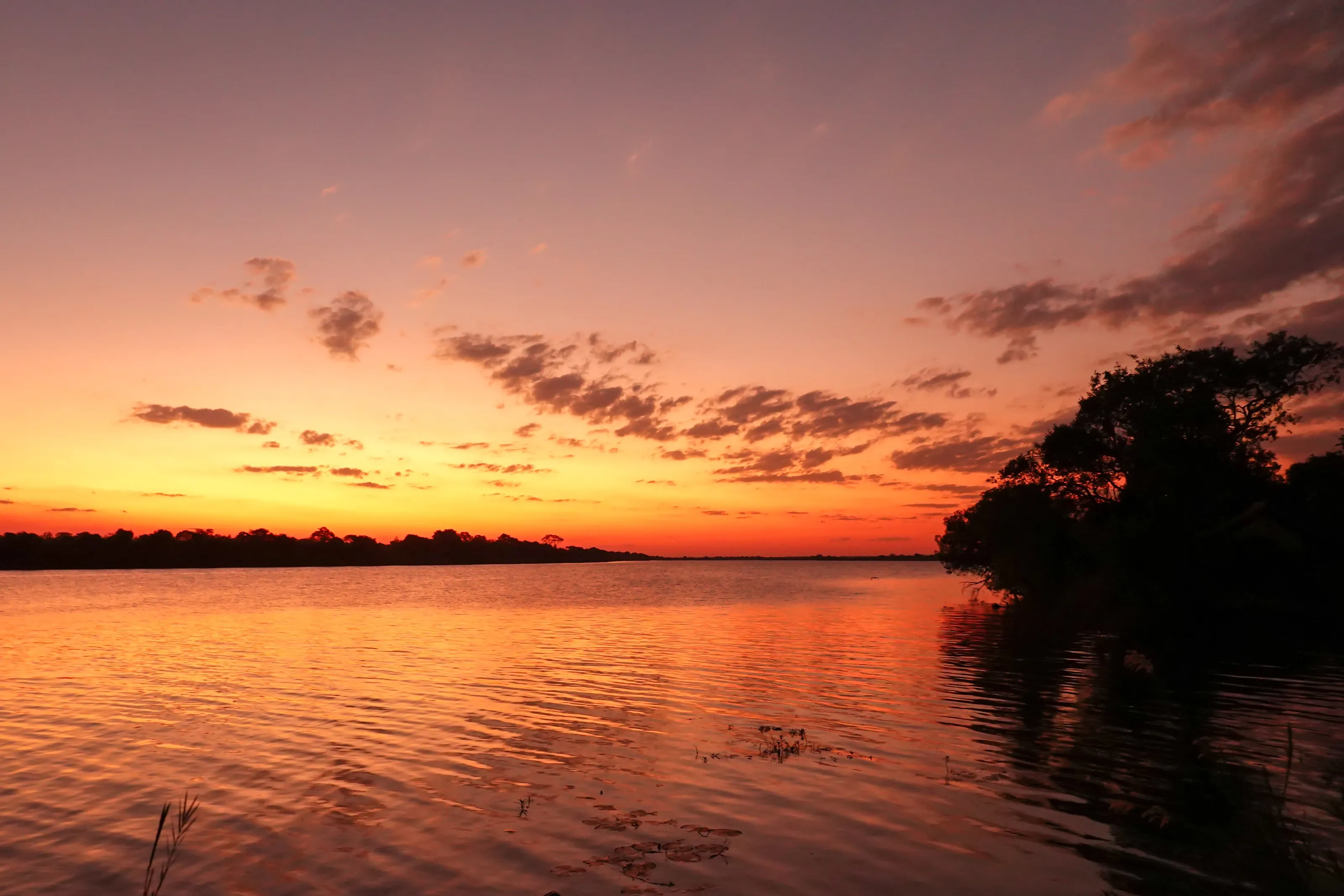
Lusaka and the Copperbelt
Lusaka, the capital, spreads across the plateau: colourful markets, museums and restaurants of every cuisine. It mostly serves as an arrival point and a connection to the parks. Further north, the Copperbelt is the mining region that built the country's wealth.
Before you go
Three seasons: cool, hot and rainy
| Region | Climate | Best time to visit |
|---|---|---|
| Livingstone and Victoria Falls | Warm plateau. The falls are most powerful after the rains, around March to May; less water but Devil's Pool accessible later in the year. | May to August for the falls; June to October for activities |
| South Luangwa | Dry season May to October, winter days of 24 to 28 C, very hot in October. In the rains, tracks turn to mud and lodges close. | June to October |
| Kafue and the Lower Zambezi | Hotter in the valleys. Animals concentrate at water in the late dry season. | May to October |
| Lusaka and the plateau | Altitude-moderated climate: cool dry season May to August, heat September to November, rains December to April. | May to August |
Zambia has a cool dry season from May to August, a hot season from September to November, and rains from December to April, when tracks deteriorate and many lodges close. The best window for safaris runs from May to October; keep an eye on flight prices before fixing your dates.
Getting around
Domestic flights, long roads and 4x4
The country is vast and roads can be very poor during the rains. Traffic drives on the left, and a 4x4 is advised once you leave the main roads. Luxury coaches run between towns; minibuses are cheap but irregular.
To reach the parks, domestic flights serve Livingstone, Mfuwe (South Luangwa) and Kafue. Many lodges arrange airport transfers, which is usually the simplest solution.
Food and culture
Nsima, kapenta and international food in Livingstone
The staple is nsima, a thick maize porridge rolled by hand and dipped into sauces of beans, fish, chicken or pumpkin leaves. Kapenta, a small dried fish, is widespread.
Lusaka and Livingstone also have international cuisine. Maheu, a lightly fermented maize drink, is served cold; tap water is generally not safe to drink.
Flying to Zambia
The Zambian airports tracked by SniperAir
Kenneth Kaunda International (Lusaka)
The capital's international airport, about 27 km northeast of the centre: allow 30 to 45 minutes by road depending on traffic. It is the country's main entry point and the base for domestic flights.
Harry Mwanga Nkumbula (Livingstone)
The Victoria Falls airport, on the northern edge of Livingstone, about fifteen minutes from the falls. Handy for starting with the falls before heading to a park.
FAQ
Frequently asked questions about Zambia
Which airport should I fly into for Zambia?
Lusaka (LUN) is the main international airport; Livingstone (LVI) serves Victoria Falls directly. Depending on your plan, you can start with either.
When is the best time to visit Zambia?
May to October, in the dry season, for safaris. Victoria Falls are most powerful just after the rains, around March to May, though spray can then hide the view; the rainy season closes many lodges.
Is Zambia expensive to visit?
Safaris, lodges and park fees make up most of the budget, and domestic flights weigh on it. Local meals and simple accommodation stay affordable. Choosing your season and tracking flight prices helps keep the total down.
Do I need a visa for Zambia?
Entry rules depend on your nationality and change over time. Some travellers are exempt, others get a visa on arrival or online. Check official websites and your government's travel advice before booking.
How long should I spend in Zambia?
Plan a week for Livingstone and one park, and ten to fourteen days if you add South Luangwa. Distances are large, so limit the number of stops.
Can I do a walking safari in Zambia?
Yes, it is a speciality of the Luangwa Valley: you walk with an armed guide and a scout. The activity is supervised and depends on the season; ask the lodges.
How do I get alerted when flights to Zambia drop in price?
Create a SniperAir alert profile with your departure airport and Lusaka or Livingstone as the destination. We track prices and notify you when an opportunity matches. See how it works.
Ready to track prices to Zambia?
Create an alert and let SniperAir do the rest.
Create my alert