
Travel to Hong Kong
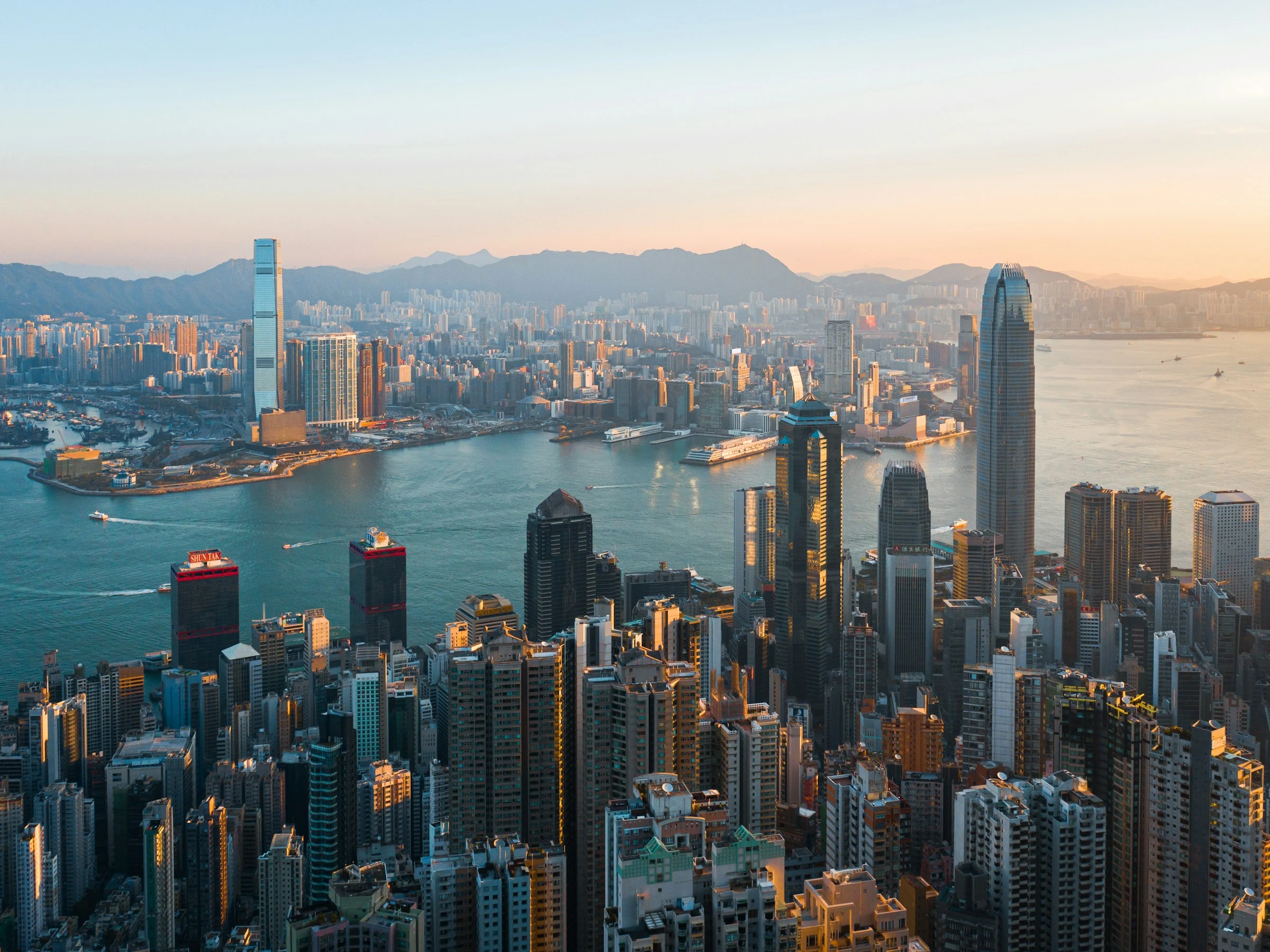
A glass skyline on a bay, a green-and-white ferry crossing the harbour, a giant Buddha on an island, trails facing the sea: here is what to plan before you look for cheap flights to Hong Kong.
Hong Kong in numbers
Territory
Special administrative region of China
Population
Over 7 M
Area
~1,100 km²
Currency
Hong Kong dollar
Languages
Cantonese, English
Climate
Humid subtropical
Continent
Asia
Time zone
UTC+8
Airports covered
1
Why visit Hong Kong
Skyline, ferries, temples, islands and trails in a compact territory
A skyline on the water
Hong Kong's towers are best seen from the Peak, where the Peak Tram has climbed since 1888, and then from the harbour promenade at dusk as the facades light up.
Getting around like a local
Frequent metro, double-decker trams, Central's escalators, the Star Ferry across the harbour and an Octopus card to pay for it all: the city works without a car.
Food and markets
Dim sum, Cantonese roast meats, milk tea and night markets such as Temple Street: the tourism board highlights award-winning restaurants, local flavours and bars.
Nature within metro reach
Coastal trails, beaches, islands like Lantau, Cheung Chau and Lamma: within an hour, the city gives way to hills and sea.
Landmarks
Hong Kong Island, Kowloon, Lantau, islands and trails
A Hong Kong trip usually splits between Hong Kong Island and Kowloon on either side of the harbour, then a day on Lantau or another island and a hike in the New Territories hills. Four to five days cover the essentials.
Hong Kong Island, the Peak and the Star Ferry
You go up to the Peak for the plunging view over the bay, then come down to Central and its escalators. The green-and-white Star Ferry has crossed the harbour for decades: a short, cheap and very photogenic crossing, especially at dusk.
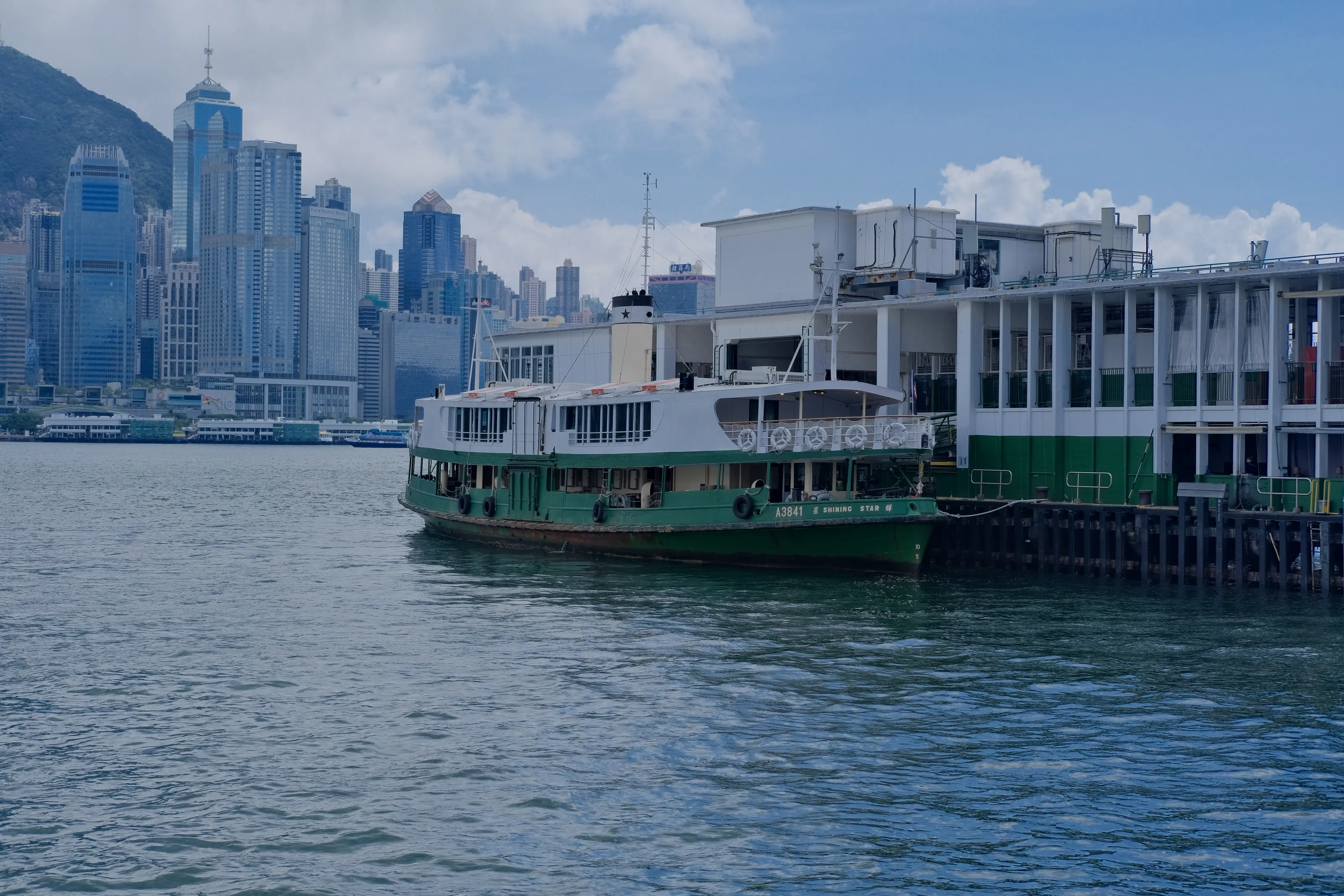
Kowloon: harbour promenade, markets and neighbourhoods
Across the harbour, Tsim Sha Tsui offers the best view of the island's skyline from its promenade. Further north, Temple Street's night stalls and the new cultural districts of West Kowloon and Kai Tak show another side of the city.
Lantau: Ngong Ping and Tai O
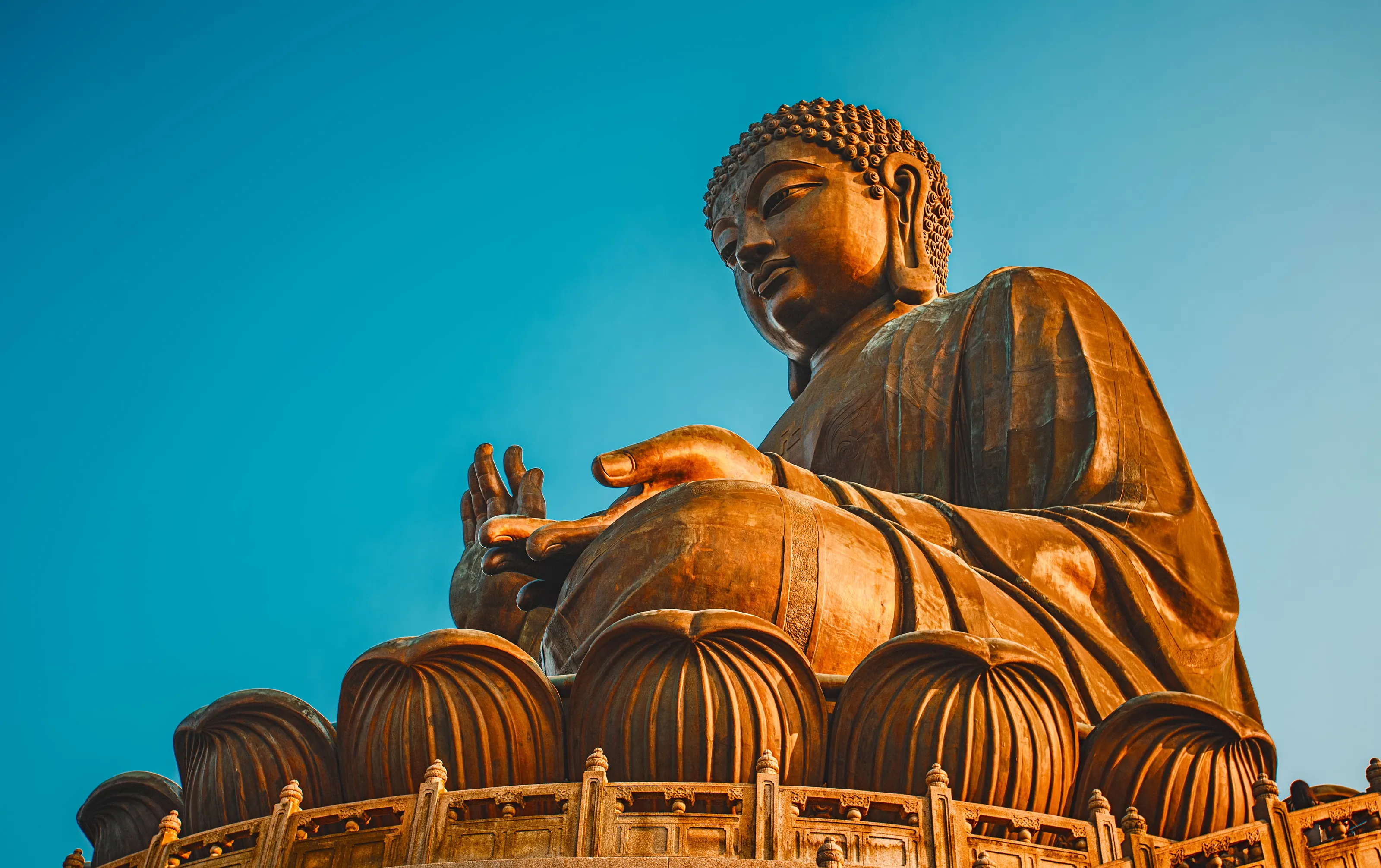
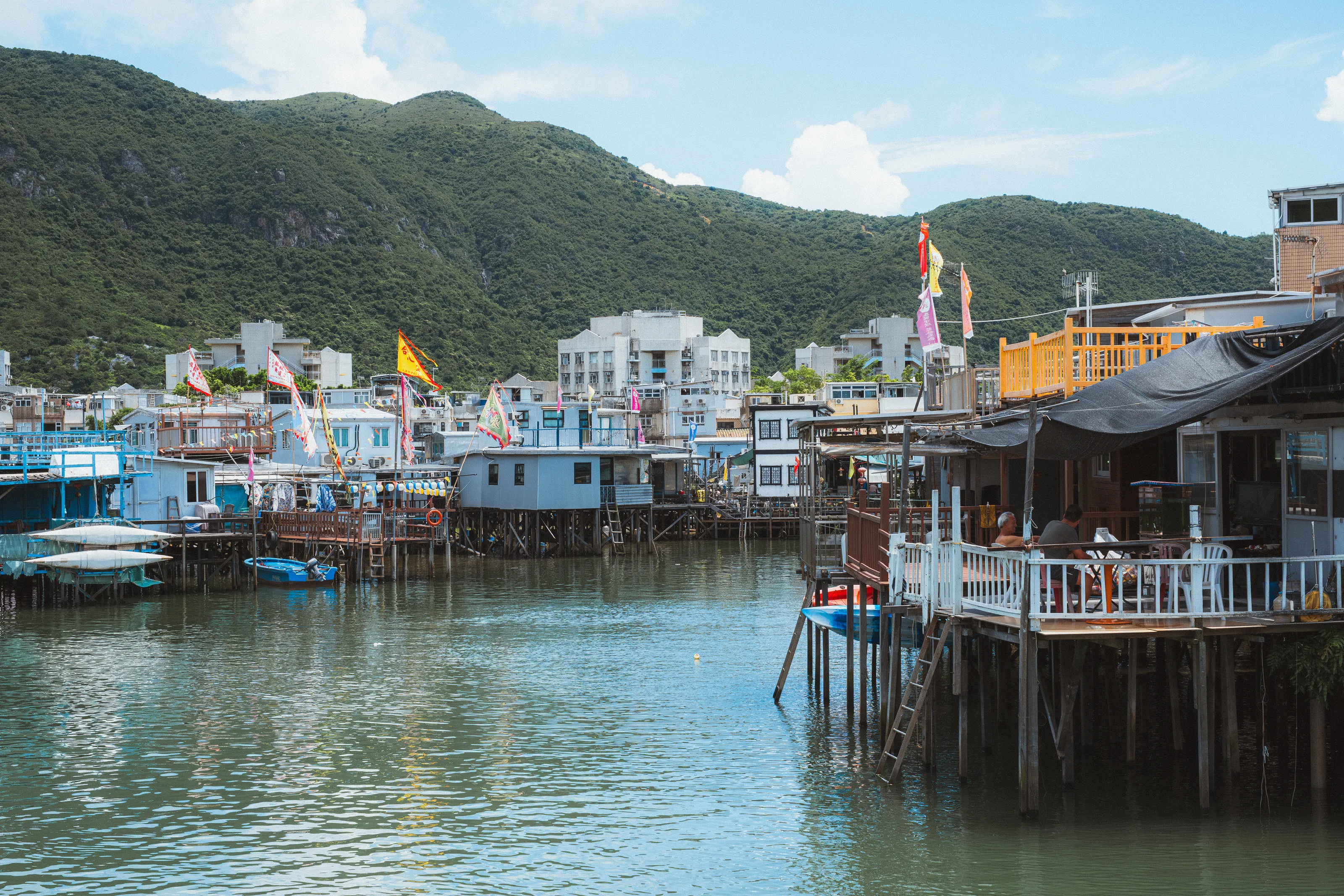
On Lantau Island, the Tian Tan Big Buddha sits at Ngong Ping, at the end of a cable-car or bus ride up. In the west, Tai O, a fishing village of stilt houses, can be visited on foot or by boat, among dried-seafood stalls and cafes.
Islands, beaches and trails
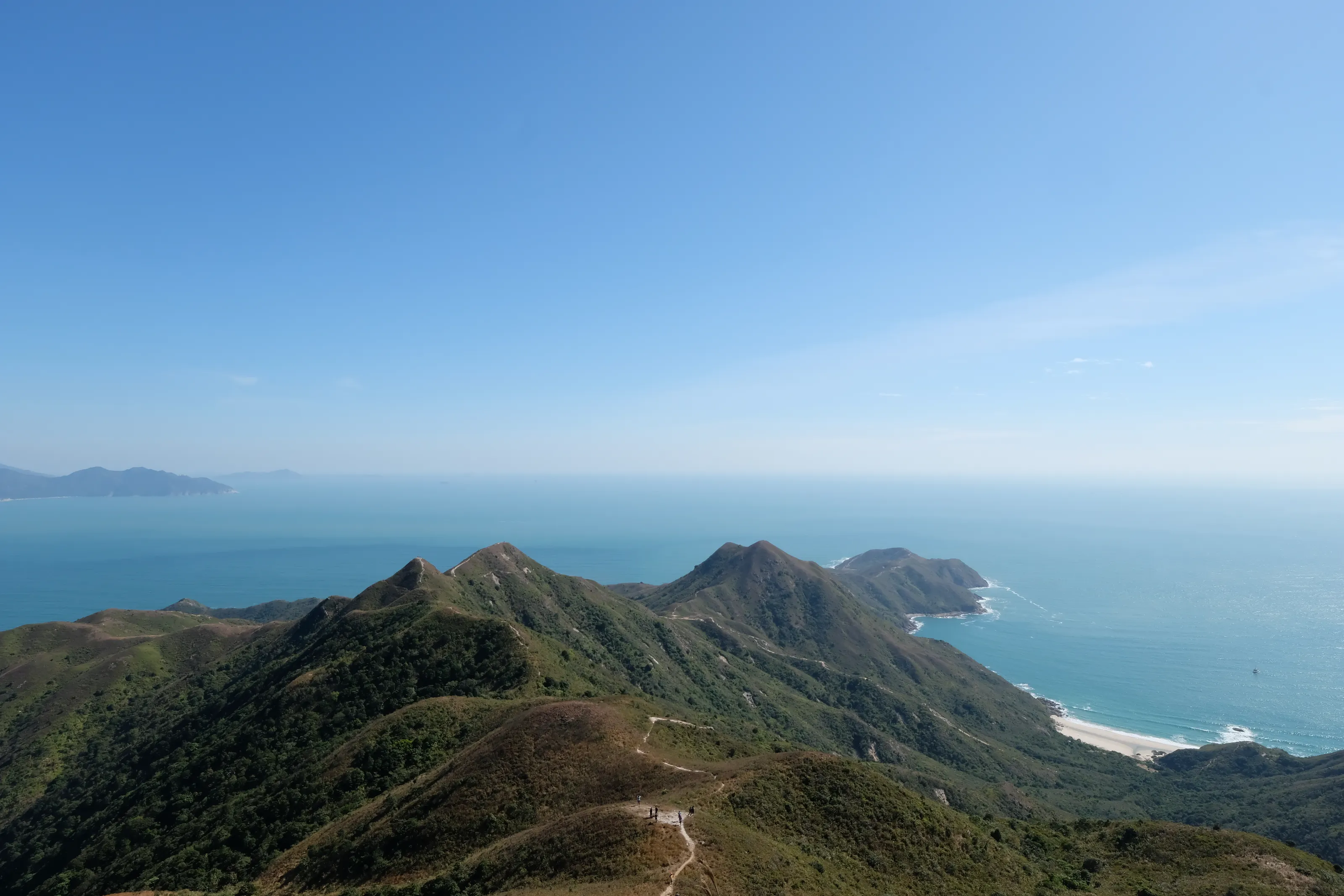
Outside the city, Hong Kong hides hills and beaches: ridge trails, pale-sand bays, and the islands of Cheung Chau, Peng Chau and Lamma reached by ferry. Hikes offer striking views over the sea and its islets.
Before you go
October to December, hot and stormy summers
| Season | Climate | Good to know |
|---|---|---|
| October to December | Sunny, mild and fairly dry: considered the most pleasant period. | Ideal for trails and views from the Peak |
| January to February | Cool and often cloudy, with temperatures of roughly 13 to 22 C. | A good time to walk without overheating |
| March to May | Warmer and more humid, with showers. | Views sometimes hazy |
| June to September | Hot, very humid, stormy, with typhoons possible. | Expect rain and heat, and build slack into dates |
The climate is humid subtropical: summers are long and hot, and typhoons mostly strike in that season. Keep an eye on fares before locking dates, as autumn remains the most sought-after period.
Getting around
Metro, Octopus card, trams, ferries and the Peak Tram
The metro links the airport, Kowloon and Hong Kong Island quickly, with trains every two to four minutes at peak times. The Octopus card is accepted on metros, trams, buses and ferries, and in many shops.
Double-decker trams run along the north of the island, the Star Ferry crosses the harbour and ferries reach the outlying islands. An express train, the Airport Express, links the airport to the centre in a little over twenty minutes (to review).
Food and culture
Dim sum, milk tea, temples and night markets
The city mixes street-side temples, traditional markets and skyscrapers. Themed streets, from flower markets to craft lanes, are best explored on foot, neighbourhood by neighbourhood.
At the table, morning dim sum, roast meats, noodles and milk tea tell the story of Cantonese cooking. The tourism board also promotes its award-winning restaurants and bars.
Flying to Hong Kong
The Hong Kong airport covered by SniperAir
Hong Kong International
Hong Kong's airport, on Chek Lap Kok island near Lantau, about thirty-five kilometres from the centre: an express train reaches Central in a little over twenty minutes. The territory's single gateway.
FAQ
Frequently asked questions about Hong Kong
Which airport do I fly into for Hong Kong?
Hong Kong International (HKG), on Chek Lap Kok island, is the territory's international airport, with an express rail link to Central. SniperAir tracks it.
When is the best time to travel to Hong Kong?
October to December, with sunny and mild weather. Winter is cool and dry, while from June to September heat, humidity and typhoons complicate hiking.
Is travelling to Hong Kong expensive?
Lodging is fairly pricey, but simple meals, the metro and the Star Ferry stay affordable. Trails, beaches and the harbour promenade are free.
Do I need a visa for Hong Kong?
Many travellers can stay briefly without a visa, but it depends on nationality. Check the entry conditions on the official immigration website before you travel.
How long should I spend in Hong Kong?
Four to five days cover the island, Kowloon, Lantau and a hike or an island. Three days are enough for a first taste.
What travel precautions should I take?
Check your foreign ministry's travel advice, buy travel insurance and follow typhoon signals in summer.
How do I get alerted when a flight to Hong Kong gets cheaper?
Create a SniperAir alert profile with your departure airport and Hong Kong as destination: we track prices and notify you as soon as a matching deal appears. See how it works.
Ready to track fares to Hong Kong?
Create an alert and let SniperAir do the rest.
Create my alert