
Travel to Pakistan
Karakoram peaks among the highest on Earth, apricot valleys, red sandstone Mughal mosques and generous tables: that is the Pakistan worth dreaming about before you look for cheap flights to Pakistan.
Pakistan in numbers
Capital
Islamabad
Population
About 240 M
Area
About 800,000 km²
Currency
Pakistani rupee
Languages
Urdu
Highest point
K2
Continent
Asia
Time zone
UTC+5
Airports covered
5
Why visit Pakistan
The Karakoram, green valleys, Mughal mosques and warm hospitality
The roof of the Karakoram
In the far north the Himalaya, Karakoram and Hindu Kush meet. K2, at 8,611 m, rises above glaciers, apricot valleys and stone villages reached by the Karakoram Highway.
Ancient civilisations
Mehrgarh, the Indus Valley with Mohenjo-daro, Gandhara and the Buddhist ruins of Taxila: few countries stack so many layers of history before the Mughals even arrive.
Mughal art in Lahore
The Badshahi Mosque in red sandstone and white marble, the fort, the gardens and the lanes of the old city make Lahore the cultural capital, with a lively food scene after dark.
A reputation for hospitality
Milk tea offered at every stop, shared tables and brightly painted trucks: travellers often remember the welcome as much as the landscapes.
Highlights
Hunza, Skardu, Nanga Parbat, Lahore and Khyber Pakhtunkhwa
A trip to Pakistan usually has two parts: the northern valleys (Hunza, Passu, Skardu) in the warmer months, then the Punjab cities such as Lahore and Islamabad, pleasanter from autumn to spring. Here are the stops that make people dream.
Hunza and Passu, the Karakoram on display
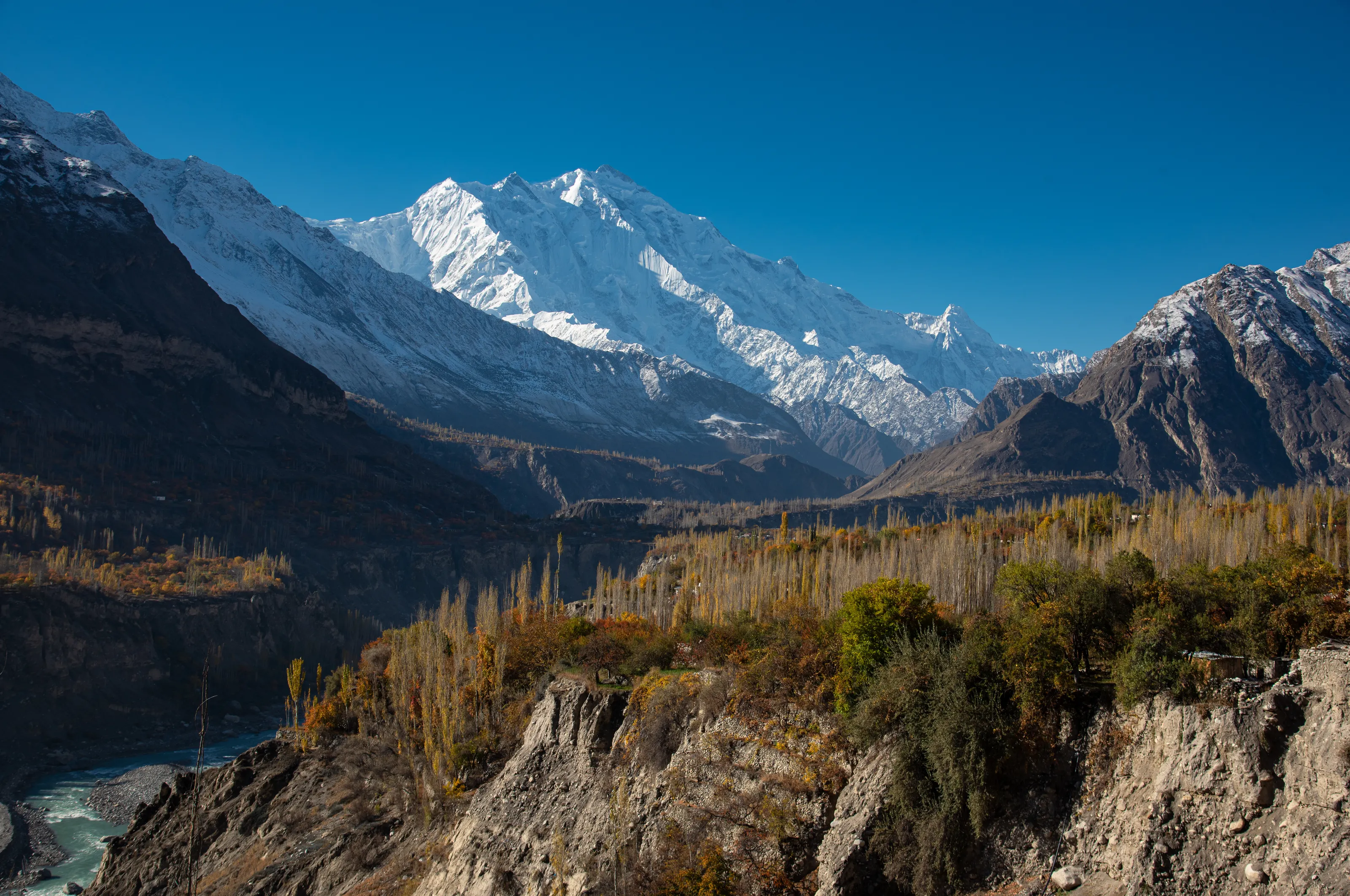
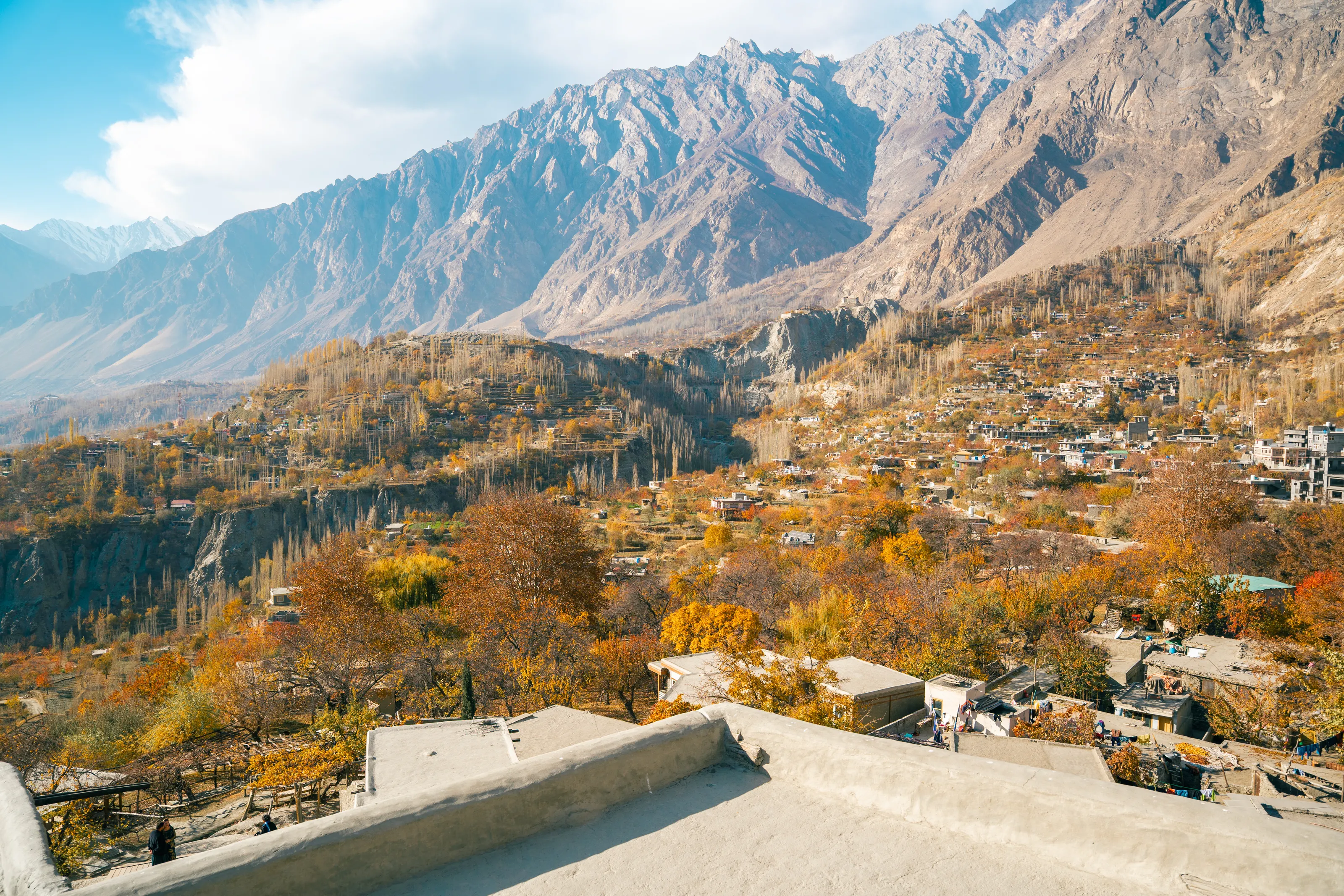
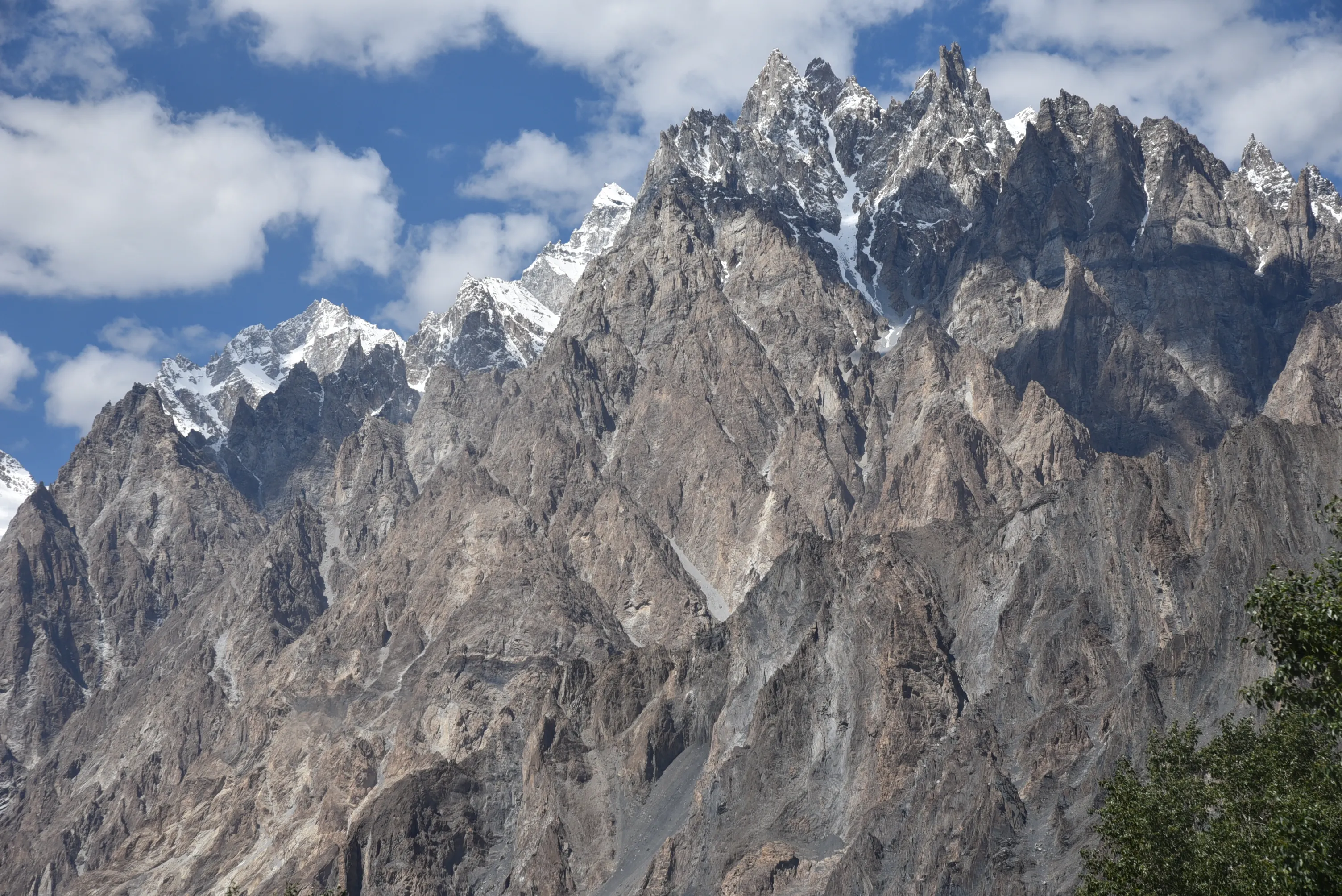
The Hunza Valley unfolds orchards and the forts of Baltit and Altit beneath the snows of Rakaposhi; in late October and November the poplars and apricot trees turn gold and red. Farther north, the Passu Cones raise their rock spires above the Karakoram Highway, facing a glacier.
Skardu, turquoise lakes and trek base
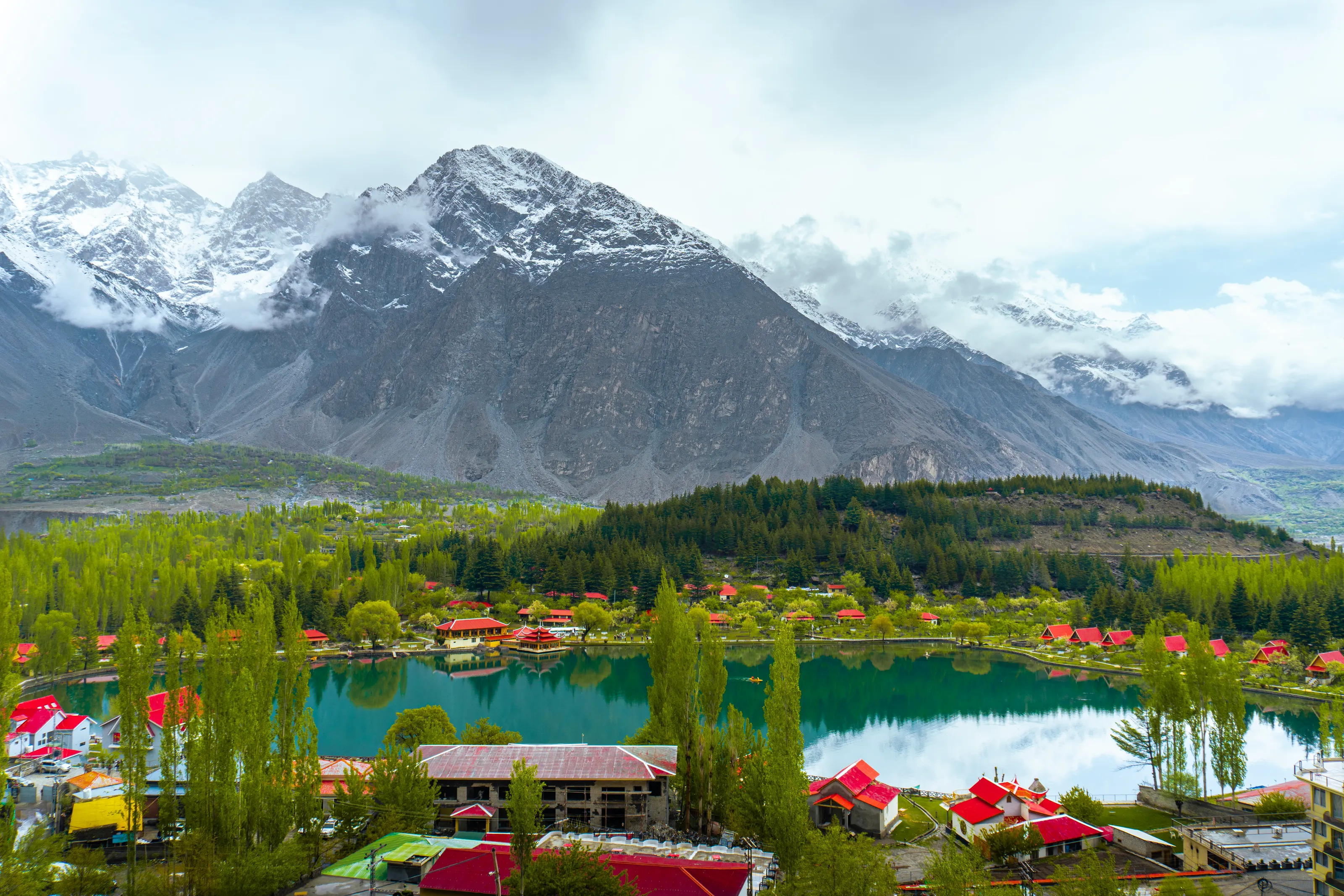
Skardu sits in a broad valley of Gilgit-Baltistan, between turquoise lakes, cold sand dunes and peaks. It is also the base for expeditions to K2 and the great glaciers; outside the trekking season, people come for mirror-like reflections and gentle spring weather.
Nanga Parbat, a giant at sunrise
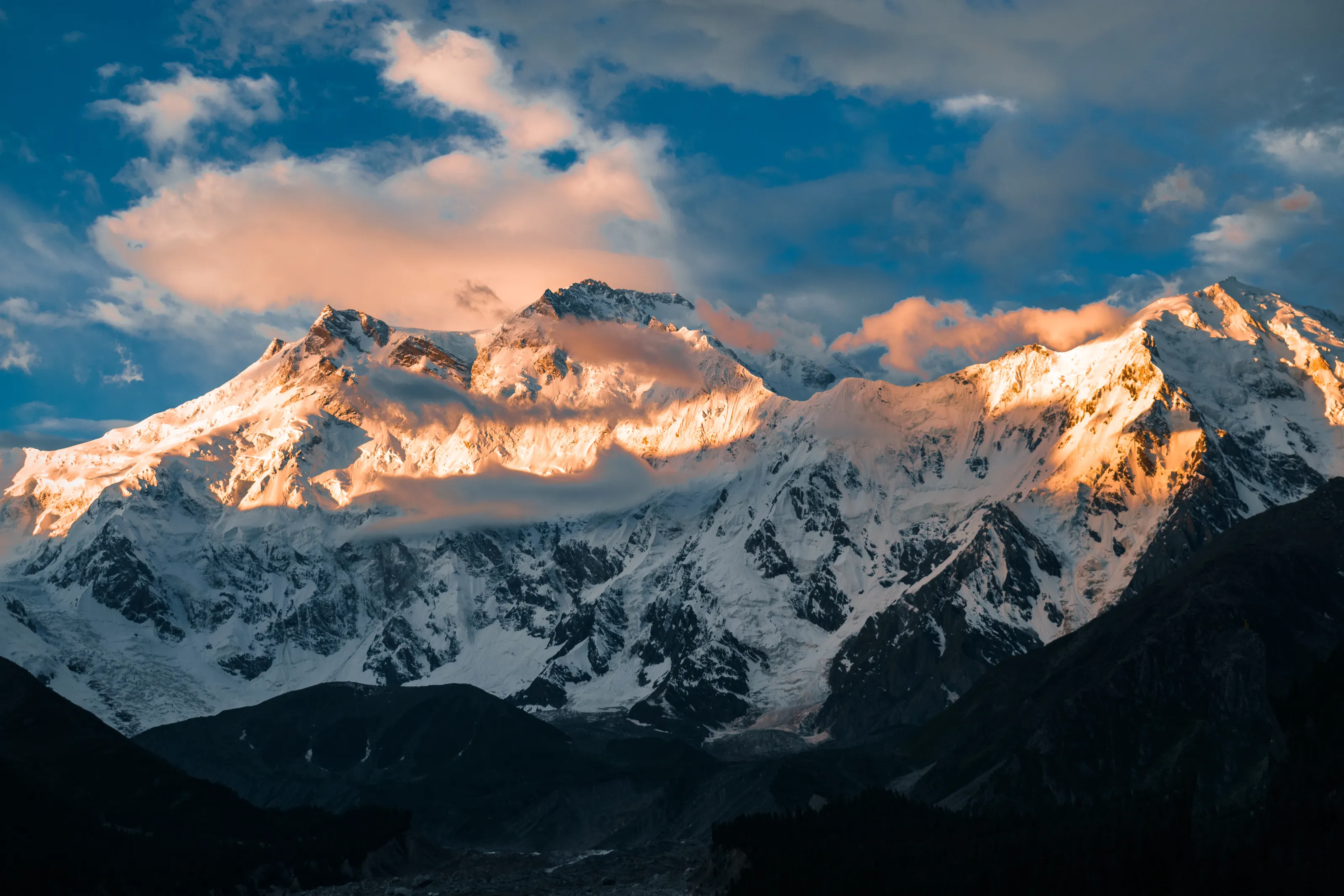
Nanga Parbat stands above 8,000 m and is best admired from the meadows of Fairy Meadows, reached on foot after a mountain road. At sunrise its ice faces glow pink and orange.
Lahore, the cultural capital
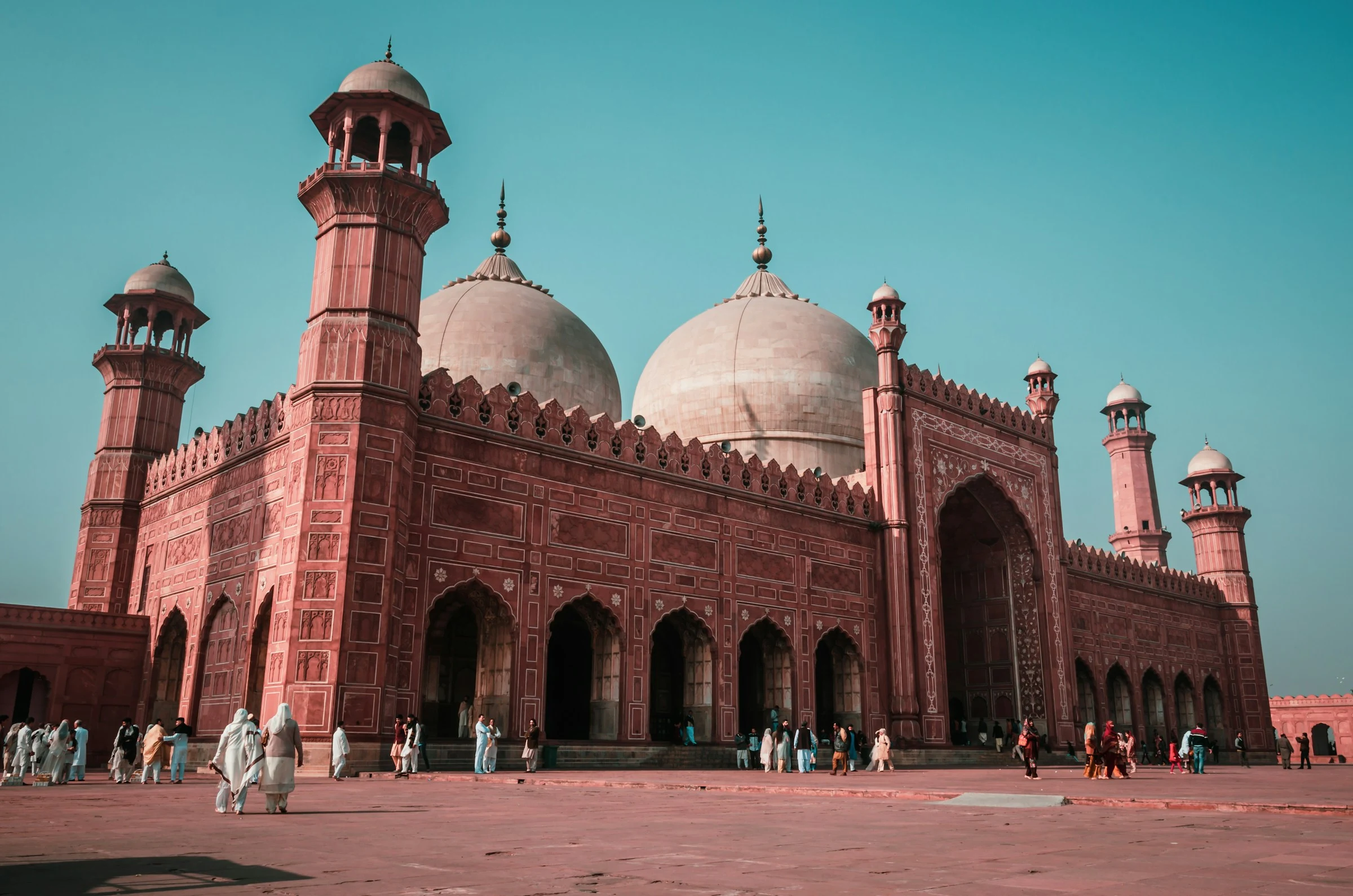
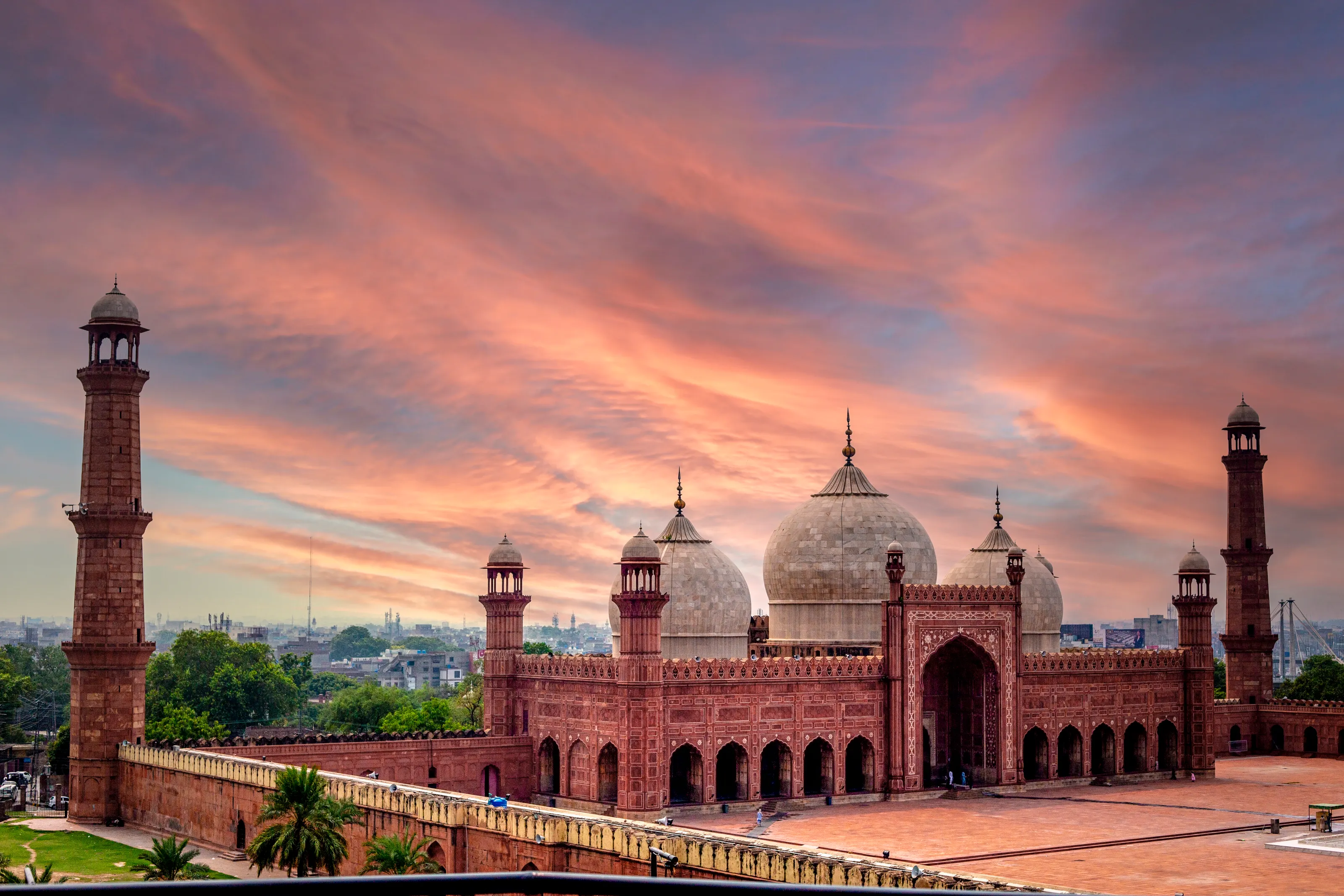
Lahore is the city of the Mughals: the Badshahi Mosque, the fort, Wazir Khan Mosque, an old city with historic gates and food streets where tables fill late. It is also home to Pakistani cinema and an Orange Line metro opened in 2020. Allow two or three days.
Khyber Pakhtunkhwa, lakes and valleys
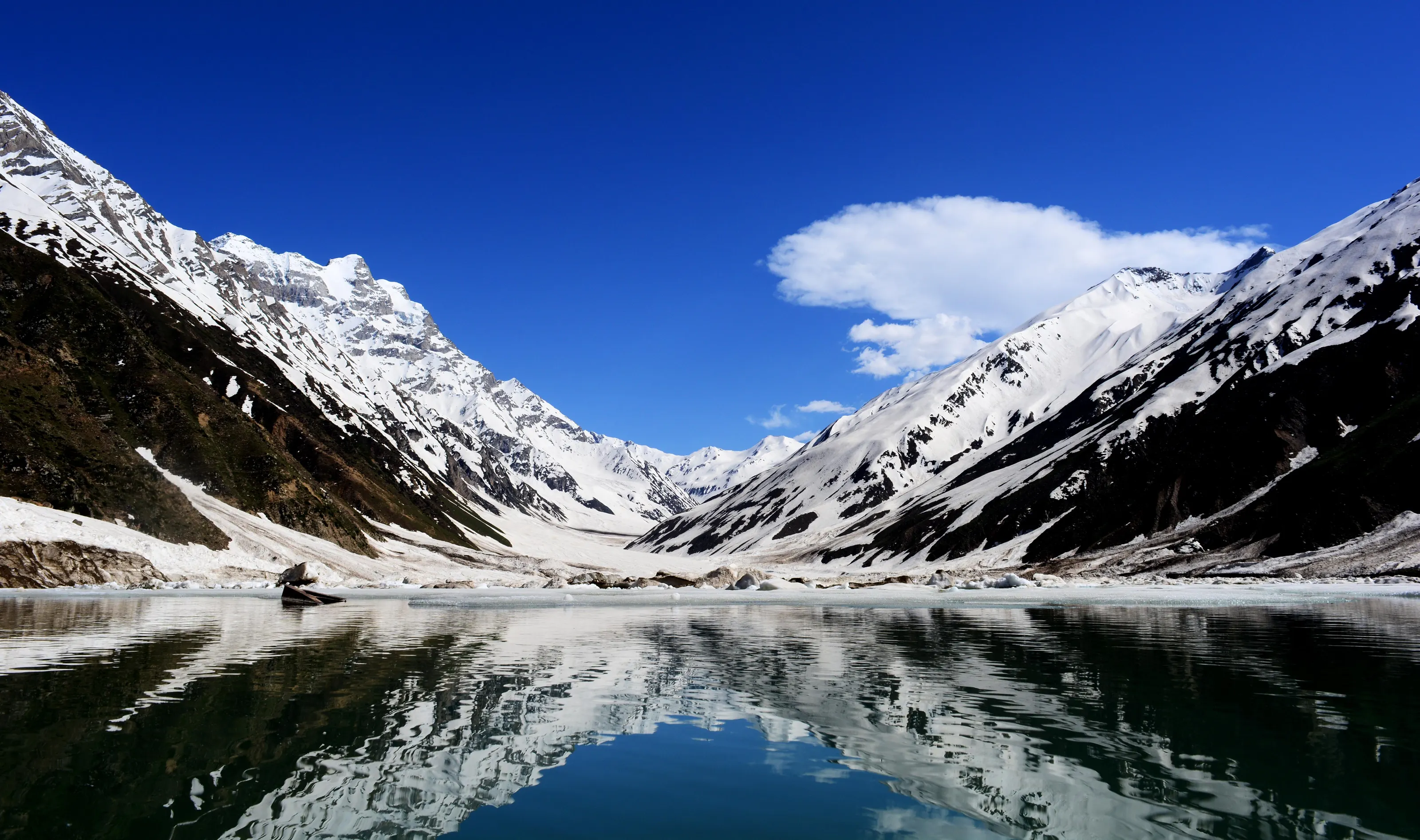
In the northwest, valleys such as Swat, alpine lakes and the bazaars of Peshawar show a greener, less visited side of the country. Roads can be long, so keep the schedule flexible.
Before you go
April to October for the north, October to March for the cities
| Area | Climate | Best time |
|---|---|---|
| Hunza, Passu and Skardu | Cool high valleys, snow in winter, apricot blossom in spring. | April to October; autumn for colour |
| Lahore and Islamabad | Very hot summers, mild sunny winters. | October to March |
| Karachi and the coast | Warm all year, tempered by the sea. | November to February |
| Peshawar and Swat | Green valleys in summer, cool winters. | April to October |
Road and flight conditions in the north depend on the weather, so build in spare days. Entry rules vary by nationality; check your own government's official travel information before fixing your dates. Watch fares so you can match the trip to the good season.
Getting around
Motorways, the Karakoram Highway, trains and domestic flights
A motorway links Lahore, Islamabad and Peshawar, and ride-hailing apps make city trips easy. Northward, the Karakoram Highway leads to the Gilgit and Hunza valleys; a local driver knows the passes and the timings that matter.
Pakistan Railways covers much of the country, and domestic flights serve Gilgit and Skardu when the weather allows. Keep your calendar flexible: distances are long and mountain roads slow.
Food and culture
Biryani, nihari, milk tea and painted trucks
Pakistani cooking is generous: fragrant biryani, slow-cooked nihari, karahi, seekh kebabs, naan fresh from the oven and cold lassi. At breakfast halwa puri comes with spiced milk tea; for dessert, frozen kulfi.
Culture shows in painted truck art, qawwali music and cricket, the most followed sport. Modest dress is expected in places of worship and outside big cities.
Travel to Pakistan
The Pakistani airports tracked by SniperAir
Jinnah International
Karachi's airport, about fifteen kilometres from the centre: allow thirty to forty-five minutes by road. Gateway to the south and the Arabian Sea.
Islamabad International
Islamabad's airport, about twenty-five kilometres from the capital: thirty-five to forty-five minutes by road. The most practical for the north and Gilgit-Baltistan.
Allama Iqbal International
Lahore's airport, around twelve kilometres from the centre: about twenty-five to thirty-five minutes. Ideal for the old city and Punjab.
Multan International
Multan's airport, about ten kilometres from the city of saints: twenty to thirty minutes by road.
Bacha Khan International
Peshawar's airport, around ten kilometres from the centre: twenty to thirty minutes. For Khyber Pakhtunkhwa and the Swat valley.
SniperAir destinations
Discover our destination pages
Pakistan
Lahore
Lahore: Badshahi Mosque, Wazir Khan Mosque and the Walled City, with SniperAir price alerts on flights to LHE airport.
Discover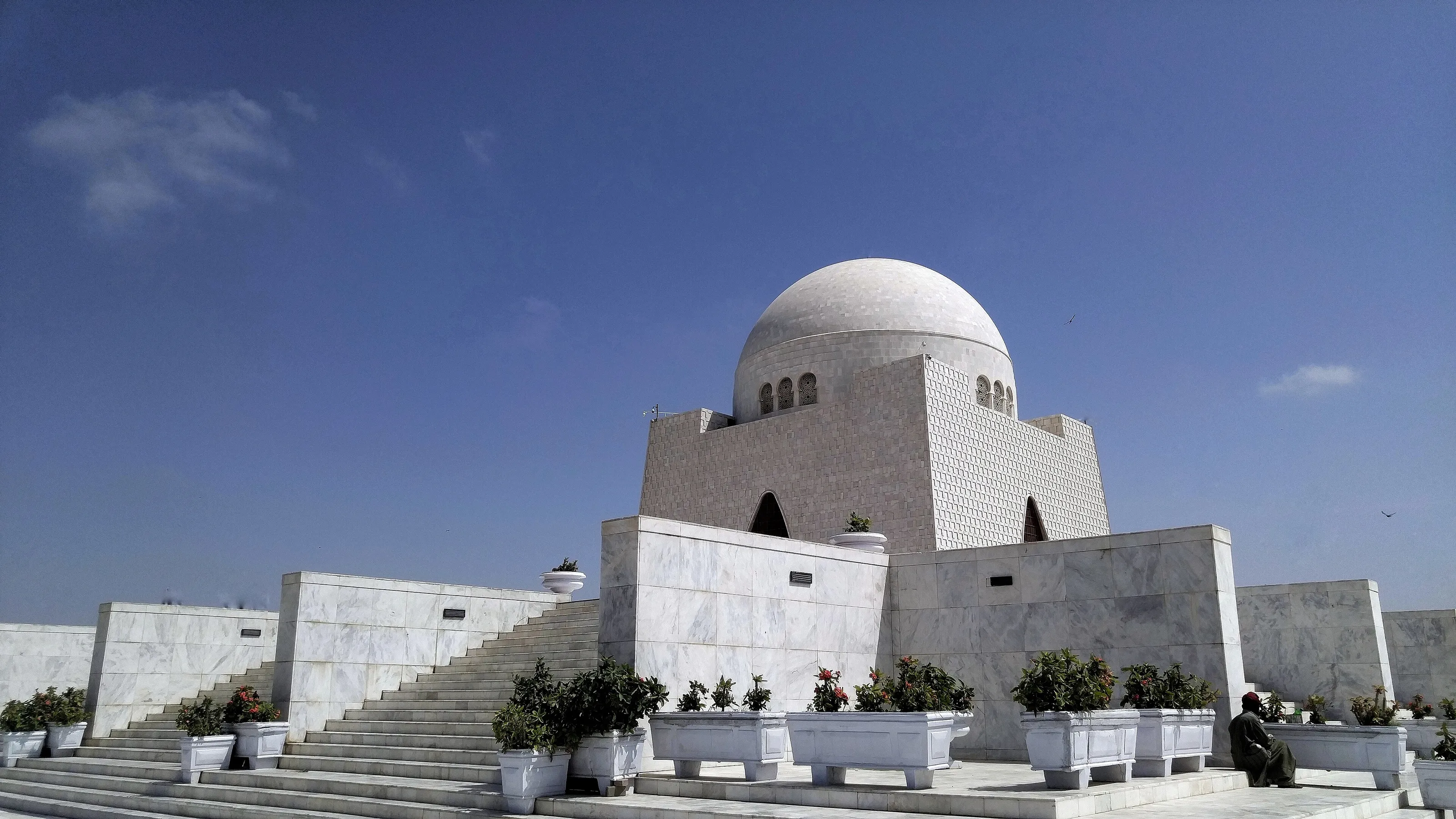
Pakistan
Karachi
Karachi: Jinnah's mausoleum, Frere Hall and the seafront, with SniperAir price alerts on flights to KHI airport.
Discover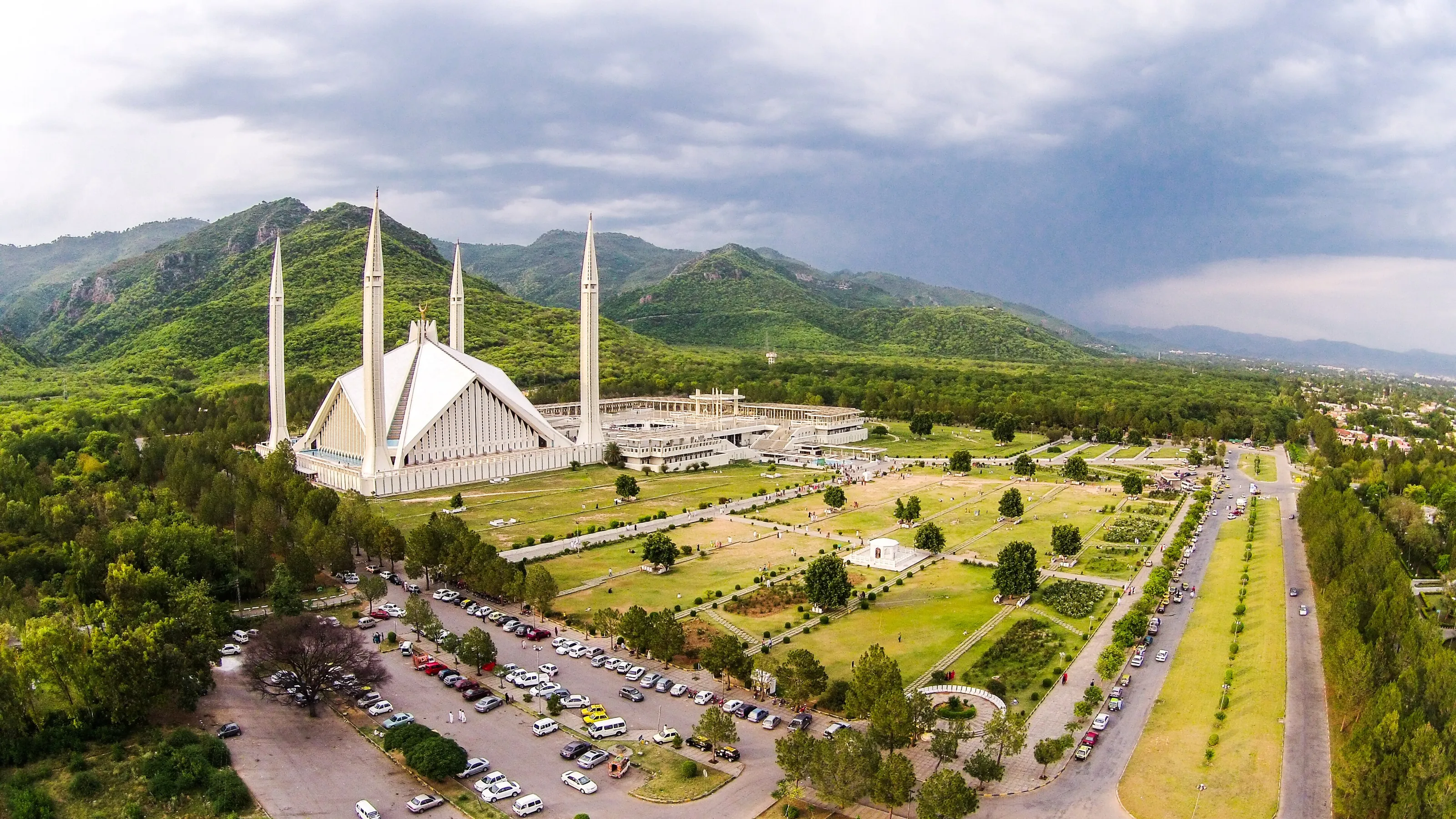
Pakistan
Islamabad
Islamabad: the Faisal Mosque, the Margalla Hills and a green capital, with SniperAir price alerts on flights to ISB airport.
DiscoverFAQ
Frequently asked questions about Pakistan
Which airport should I choose to travel to Pakistan?
Islamabad (ISB) suits the north, Lahore (LHE) the Mughal heritage and Punjab, Karachi (KHI) the south. Multan (MUX) and Peshawar (PEW) complete the picture. SniperAir tracks all five.
What is the best time to travel to Pakistan?
April to October for Hunza, Skardu and the mountains, with autumn colour in October and November. October to March for Lahore, Islamabad and Karachi, where summers are very hot.
Is Pakistan expensive to visit?
Daily costs are generally moderate, with affordable meals and lodging; transport to the north and vehicle excursions weigh more. The flight is often the biggest single item.
Do I need a visa for Pakistan?
It depends on your nationality and the length of stay. Check the entry conditions with the Pakistani authorities and read your own government's official travel information.
How long should I plan for a trip to Pakistan?
Ten to fifteen days lets you combine Lahore, Islamabad and a northern valley such as Hunza. Allow more for a trek or a journey along the Karakoram Highway.
What travel precautions should I take?
Read your foreign ministry's travel advice regularly, dress modestly, respect places of worship and acclimatise gradually at altitude.
How do I get alerted when a flight to Pakistan gets cheaper?
Create a SniperAir alert profile with your departure airport and Islamabad, Lahore or Karachi as the destination: we watch fares and notify you when a good offer appears. See how it works.
Ready to watch fares to Pakistan?
Create an alert and let SniperAir do the rest.
Create my alert