Travel to Montenegro
A 295 km Adriatic coastline, walled towns shaped by Venice and mountains among the most rugged in Europe: Montenegro packs a great deal into a small country. Here is what to know before you go.
Montenegro in numbers
Capital
Podgorica
Population
~633,000
Area
13,883 km²
Currency
Euro
Language
Montenegrin
UNESCO sites
4
Continent
Europe
Time zone
UTC+1
Airports covered
2
Why visit Montenegro
The Black Mountain meets the Adriatic
Walled towns of the Adriatic
Herceg Novi, Perast, Kotor, Budva and Ulcinj are among the most popular ancient towns on a coast that has 72 km of beaches.
Deep canyons and last forests
Tara Canyon is billed as the deepest canyon in Europe, with rafting on a 100 km route, and Biogradska Gora holds some of the last untouched forests in the continent.
A top-ranked small country
National Geographic Traveler lists Montenegro among its 50 Places of a Lifetime, and Sveti Stefan once made its cover.
Pilgrimage on a cliff
Ostrog Monastery, founded in the 17th century, clings to an almost vertical rock face and is one of the most visited pilgrimage sites in the Balkans.
Places to see
The Bay of Kotor, the coast and the interior
The Bay of Kotor
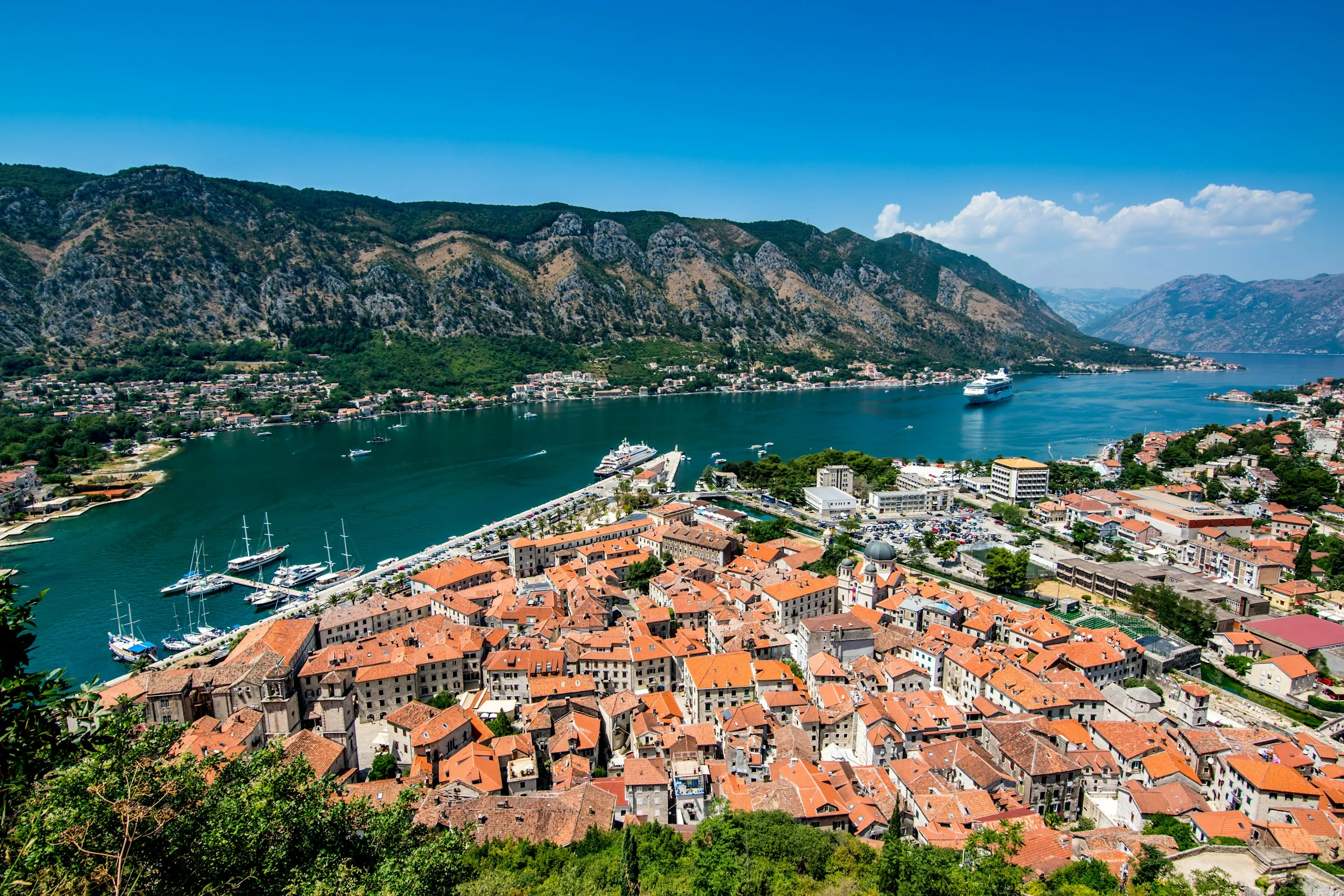
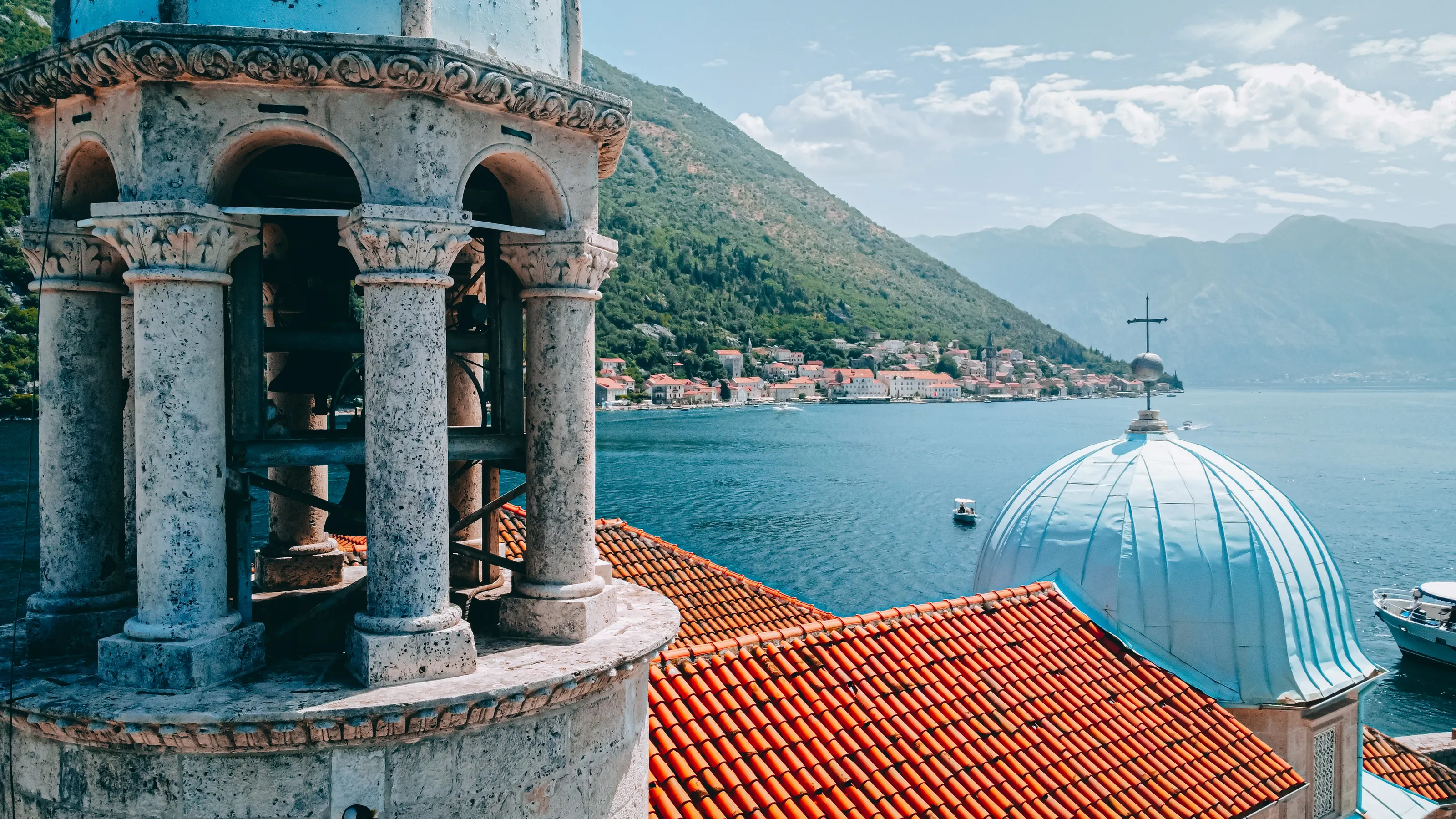
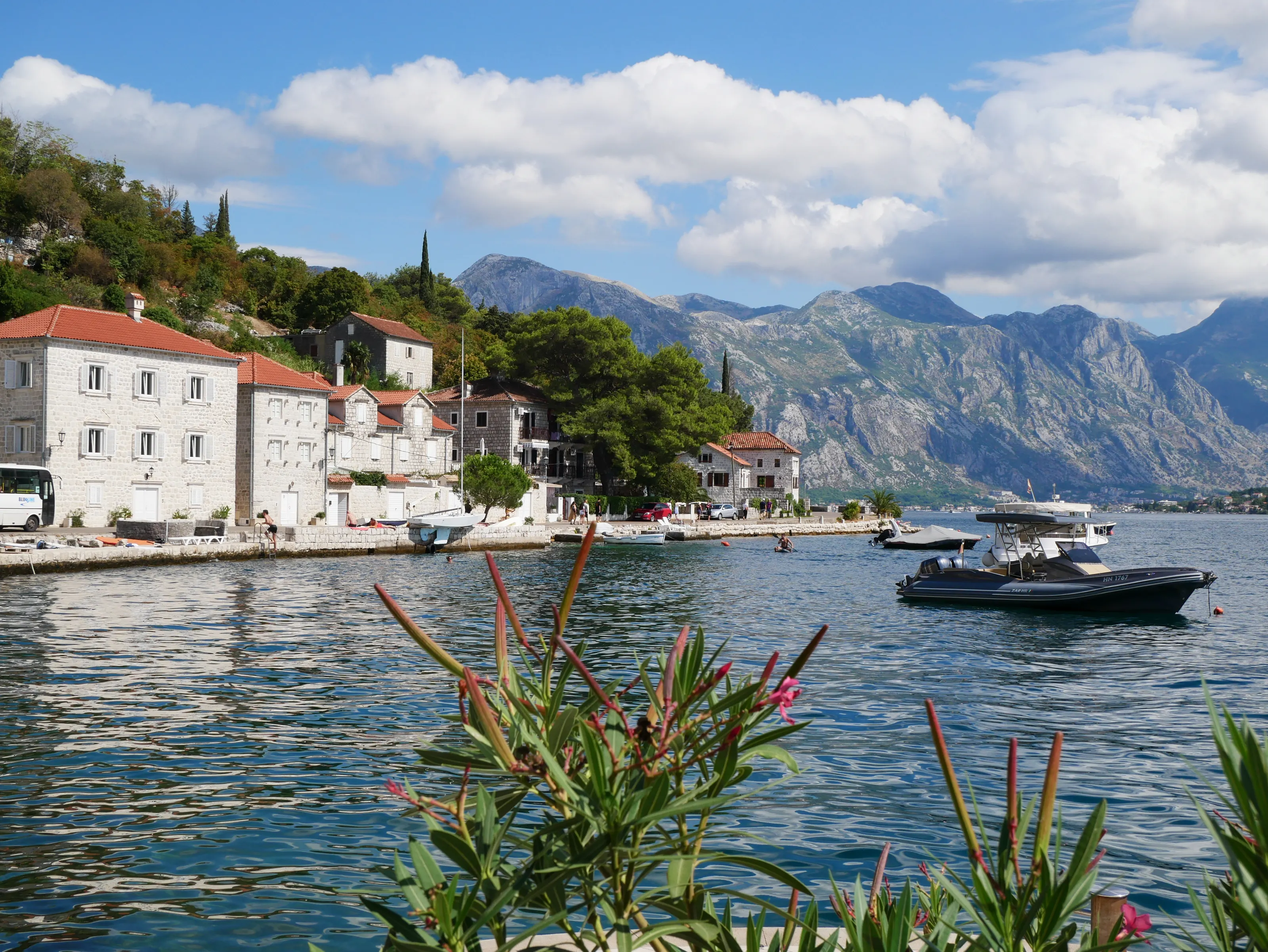
Kotor is an ancient fortified town deep in the Boka Kotorska bay and a regular stop for cruise ships. The scenery is best appreciated from sea level, on a cruise or a dive around the Luštica peninsula, and the small village of Perast is a UNESCO-recognised gem. If you can, get up early and do your sightseeing before the crowds arrive.
Budva, Sveti Stefan and the south
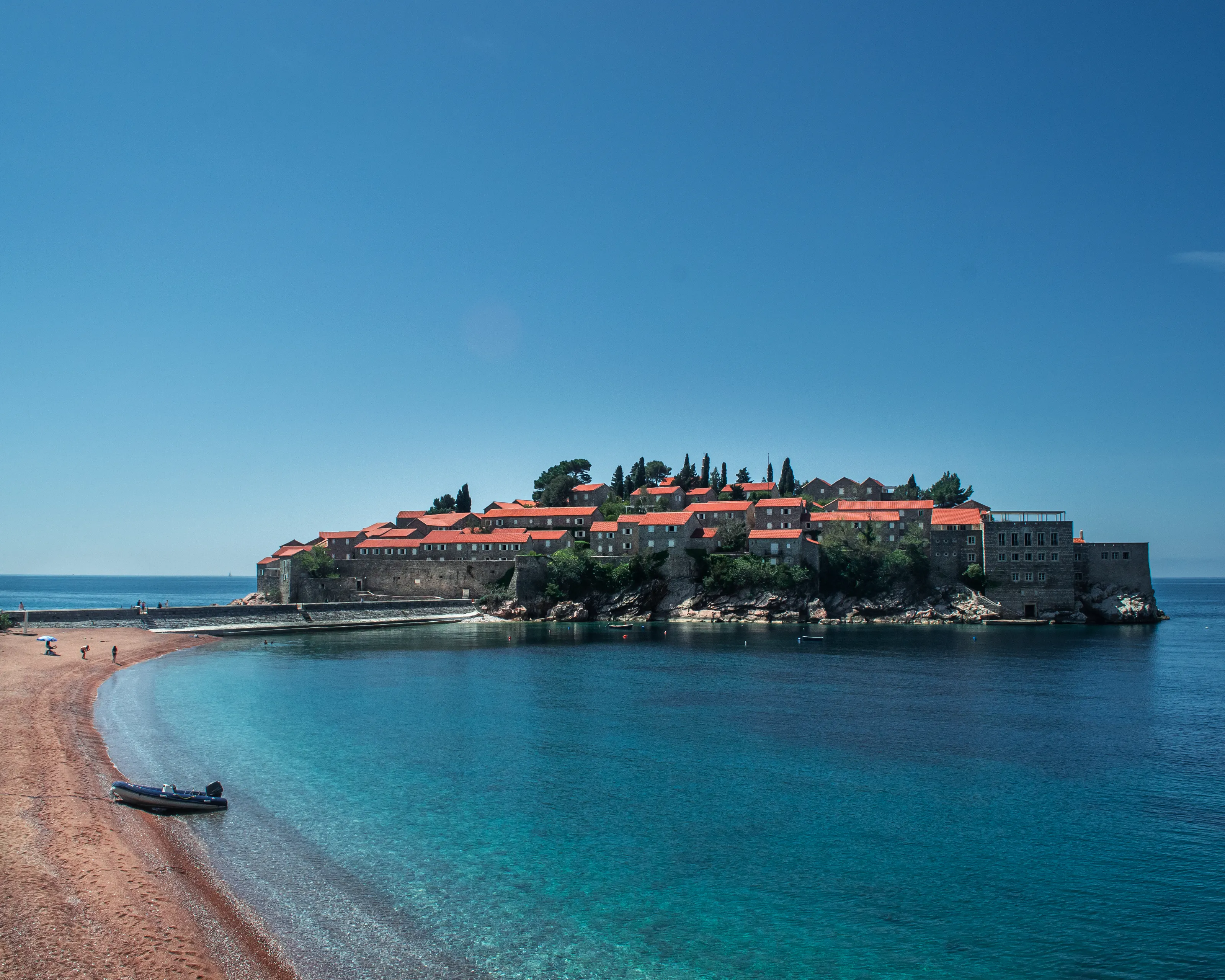
Budva has a fortified old town surrounded by resorts and the liveliest nightlife; Sveti Stefan is a picturesque town-hotel on a small peninsula. Ulcinj, once a pirate haven, sits behind a 12 km sandy beach and is a kite-surfing hotspot at Ada Bojana, while Bečići has a 2 km sandy beach.
Cetinje, Podgorica and Skadar Lake
Cetinje, the old royal capital beneath Lovćen, offers museums, monasteries and former embassies, while Podgorica is the capital and biggest city. Skadar Lake National Park protects the largest lake in the Balkans and its wildlife.
Durmitor and the mountains
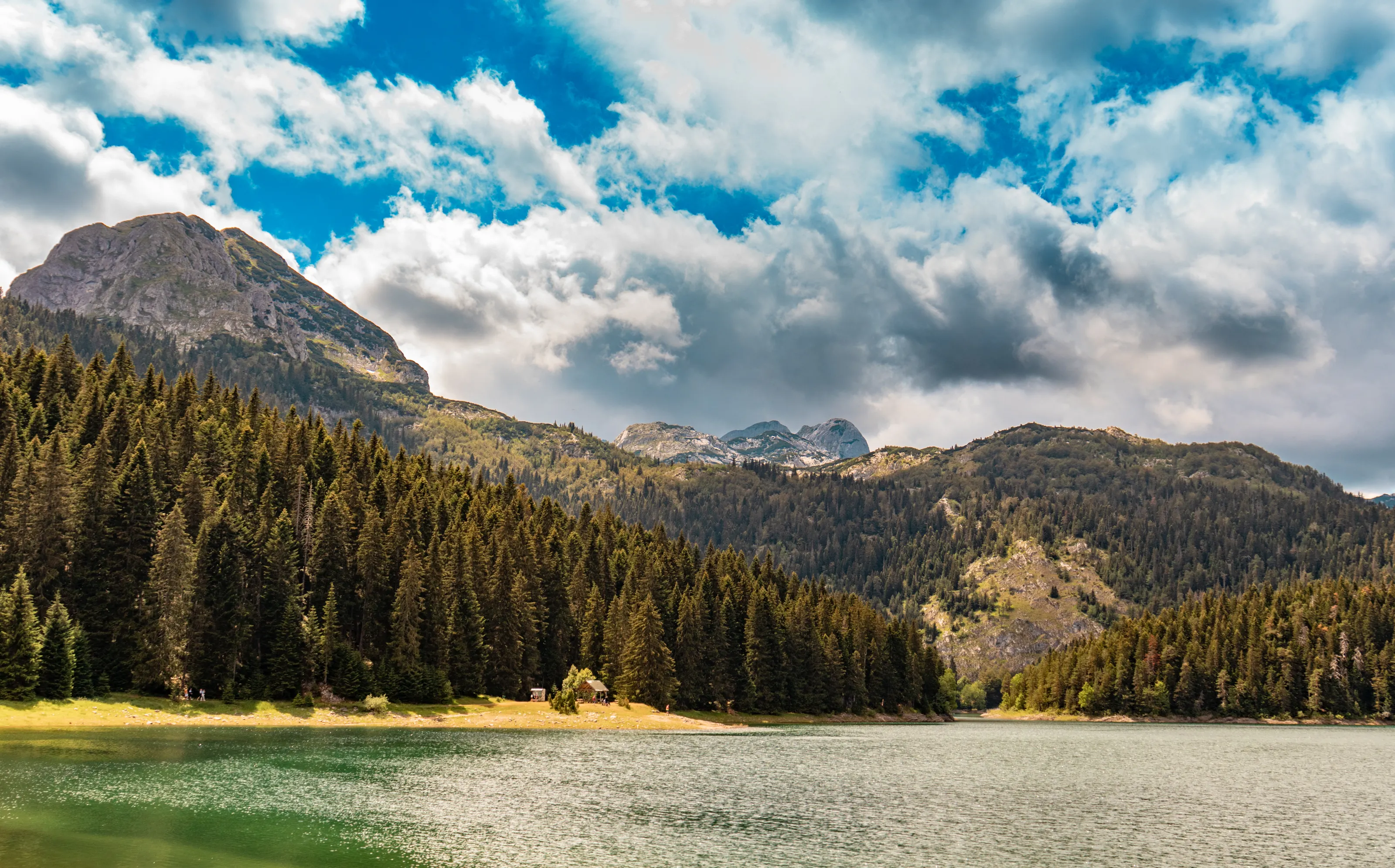
Durmitor National Park, around Žabljak, is famous for the Tara Canyon rafting and winter skiing. Lovćen and Prokletije offer hiking and climbing, and Montenegro's mountains receive some of the highest rainfall in Europe.
Food and drink
Smoked ham, lamb and Adriatic seafood
Montenegrin cuisine mixes Levantine and Turkish dishes such as sarma, burek and ćevapi with Hungarian stews, Central European pastries and, on the coast, seafood shaped by Italian cooking.
Look for njeguški pršut (smoked ham) and njeguški cheese as starters, kastradina (dried mutton), carp from Skadar Lake in the central region, and donuts with honey and dried figs for dessert. The north favours lamb and cicvara, a buttered corn porridge.
Getting around
By air, sea and a few winding roads
Most foreign tourists arrive by air, by road from Croatia or occasionally by sea from Italy. Podgorica Airport is the main international airport with budget flights, while Tivat has regular flights from Belgrade and charters from major European cities in summer. Dubrovnik Airport in Croatia is a half-hour drive from Herceg Novi.
Within the country, buses link the main towns; a car is useful for the mountains, though drivers are known for being aggressive. Near the Kosovo border, stay on main roads.
Before you go
Three zones, three seasons
| Region | Climate | Best time |
|---|---|---|
| Adriatic coast (Kotor, Budva) | Mediterranean, dry summers and mild, rainy winters | May to June and September |
| Podgorica and the central region | Continental influence, the warmest July temperatures in the country | April to June and September to October |
| Northern mountains (Durmitor) | Cold and wet, snow throughout spring | June to September for hiking, December to March for skiing |
Montenegro uses the euro but is not part of the eurozone or the Schengen area, so check entry rules for your passport before you book. The country is generally safe; watch for pickpockets in resorts such as Kotor and Budva.
To extend your trip, see also Croatia, whose coast Montenegro shares, and Italy across the Adriatic. Serbia, Albania and Bosnia and Herzegovina are coming soon.
Flying to Montenegro
The Montenegrin airports tracked by SniperAir
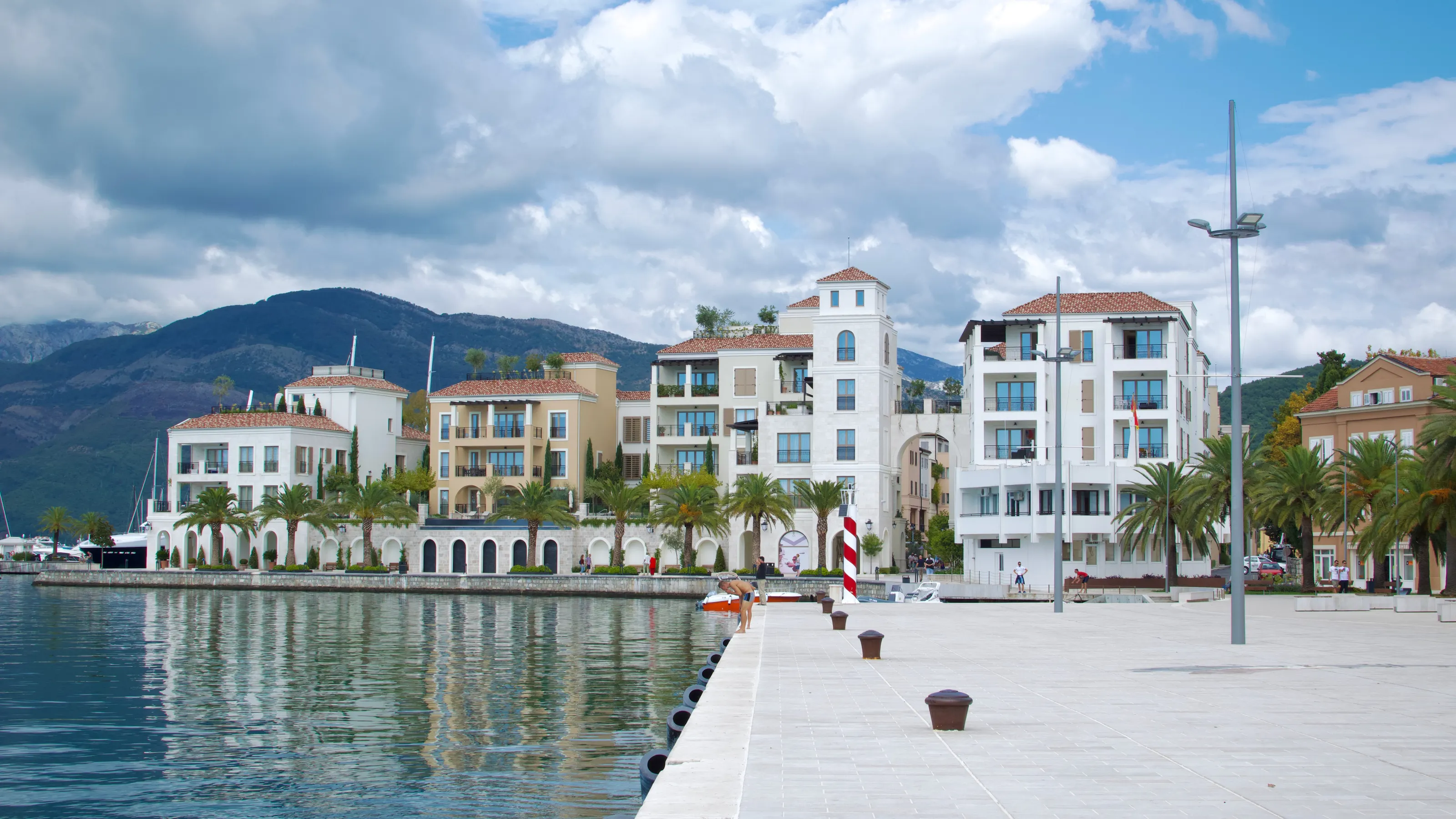
Tivat (Adriatic coast)
Montenegro's second international airport, convenient for Kotor and Budva, with regular flights from Belgrade all year.
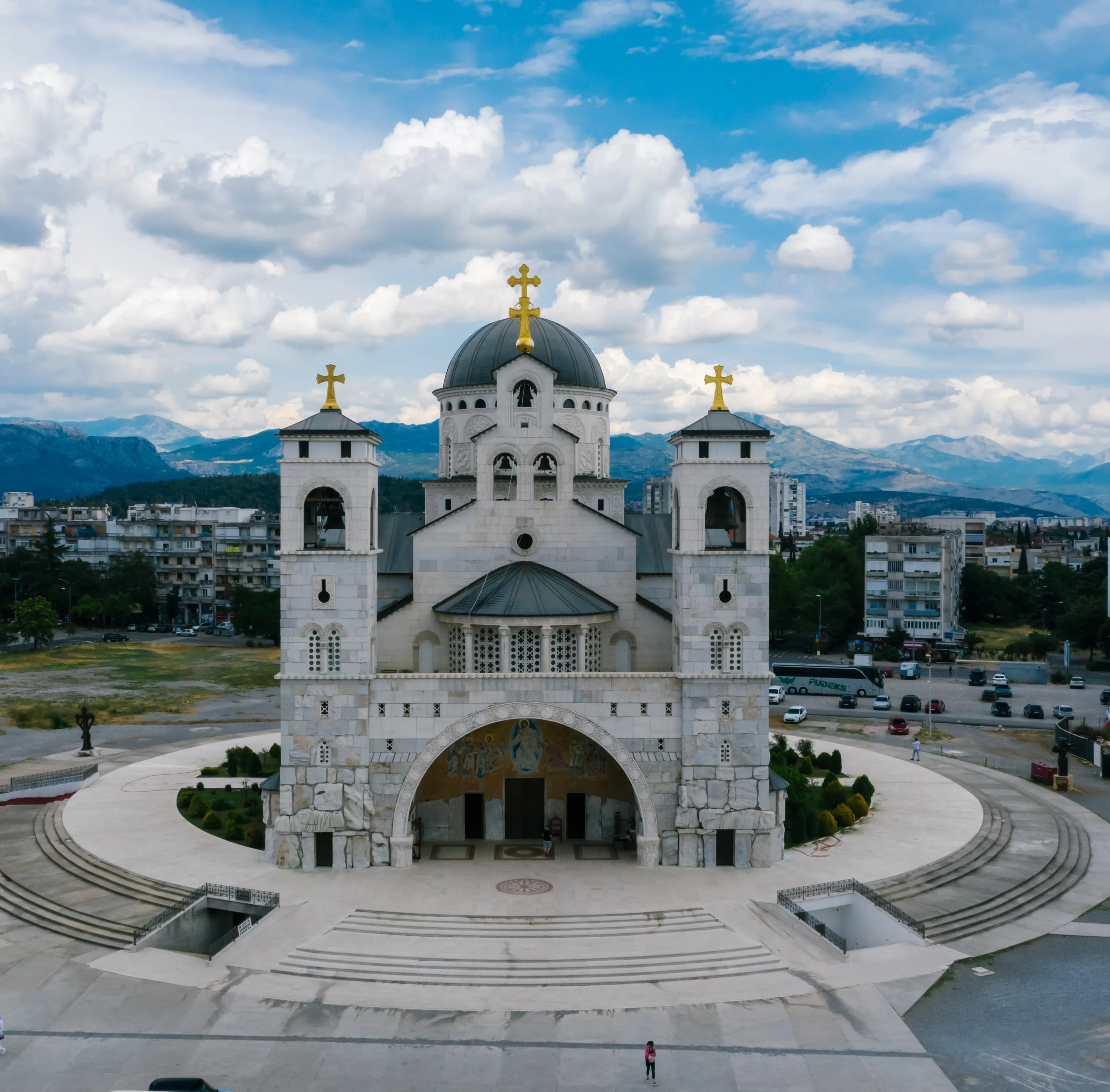
Podgorica
The country's main international airport and the best entry point for the capital and the interior.
SniperAir destinations
Discover our destination pages
FAQ
Frequently asked questions about Montenegro
Which airport should I fly into for Montenegro?
Podgorica (TGD) is the main international airport and has budget flights, while Tivat (TIV) is closer to Kotor and the coast. SniperAir tracks both.
When is the best time to visit Montenegro?
Late spring and early autumn are comfortable on the coast and less crowded than midsummer. December to March is ski season in the north.
How many days do I need in Montenegro?
Four or five days cover the Bay of Kotor and the coast. Allow a week or more if you add Cetinje, Skadar Lake and Durmitor.
Is Montenegro expensive?
It is not a cheap country by Balkan standards, especially in summer on the coast. Your budget depends mostly on the season and where you stay.
Do I need a visa for Montenegro?
Montenegro uses the euro but is not in the Schengen area. Entry rules depend on your nationality, so check official government advice before you book.
Can I combine Montenegro with Croatia?
Yes: Dubrovnik Airport is a half-hour drive from Herceg Novi, and the coast is well connected to Croatia by road.
How do I get an alert when a flight to Montenegro drops below my budget?
Create a SniperAir alert profile with your departure airport and Tivat or Podgorica as destination. We track prices for you and notify you as soon as an opportunity matching your criteria is detected.
Ready to track prices to Montenegro?
Create an alert and let SniperAir do the rest.
Create my alert