Travel to Eritrea
A UNESCO-listed modernist capital perched above 2,300 metres, Italian-style cafes, a Red Sea port of white arcades, coral islands and ancient columns on the rim of the Great Rift. Eritrea surprises with its architecture and its contrasts of climate. Here is what to know before you look for cheap flights to Eritrea.
Eritrea at a glance
Capital
Asmara
Area
~117,600 km²
Languages
Tigrinya, Arabic, English
Currency
Nakfa
UNESCO
Asmara, 2017
Highest point
Close to 3,000 m
Continent
Africa
Time zone
UTC+3
Airports covered
1
Why visit Eritrea
Modernist architecture, the Red Sea and ancient sites on the highlands
Asmara, the little Rome
Inscribed by UNESCO in July 2017, Asmara keeps more than 400 buildings from the 1890s to 1941: Art Deco cinemas, a futurist service station and cathedrals. Its nickname: Piccola Roma.
The charm of Italian-style cafes
In Asmara's cafes, vintage espresso machines serve cappuccinos and strong coffee. The evening stroll along the main avenue is a ritual, among terraces and old shop windows.
Massawa and the Dahlak Islands
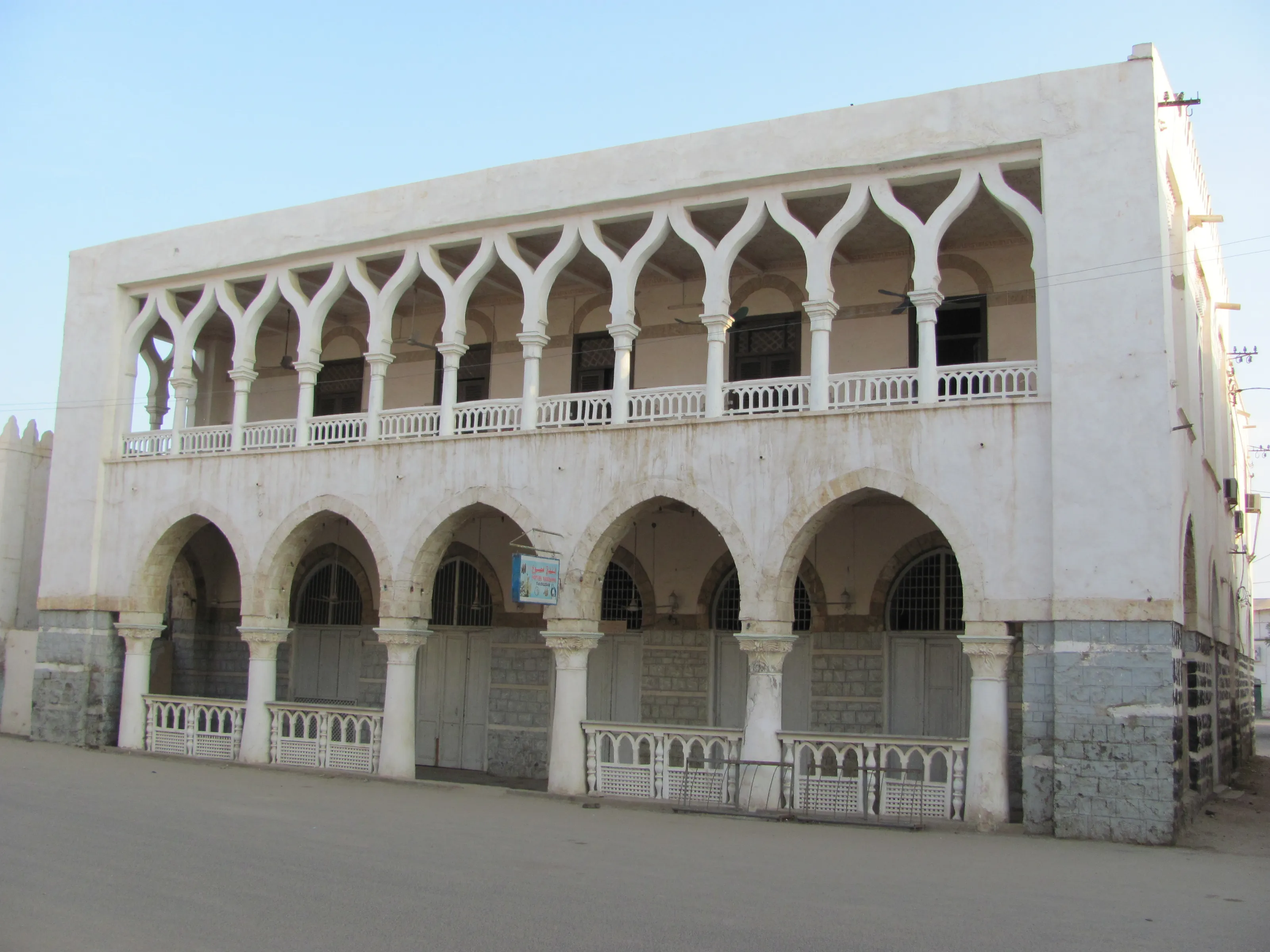
On the Red Sea, Massawa blends Ottoman, Egyptian and Italian buildings. Offshore, the Dahlak archipelago has more than 120 islands and draws divers and snorkellers.
Qohaito and the ancient ruins
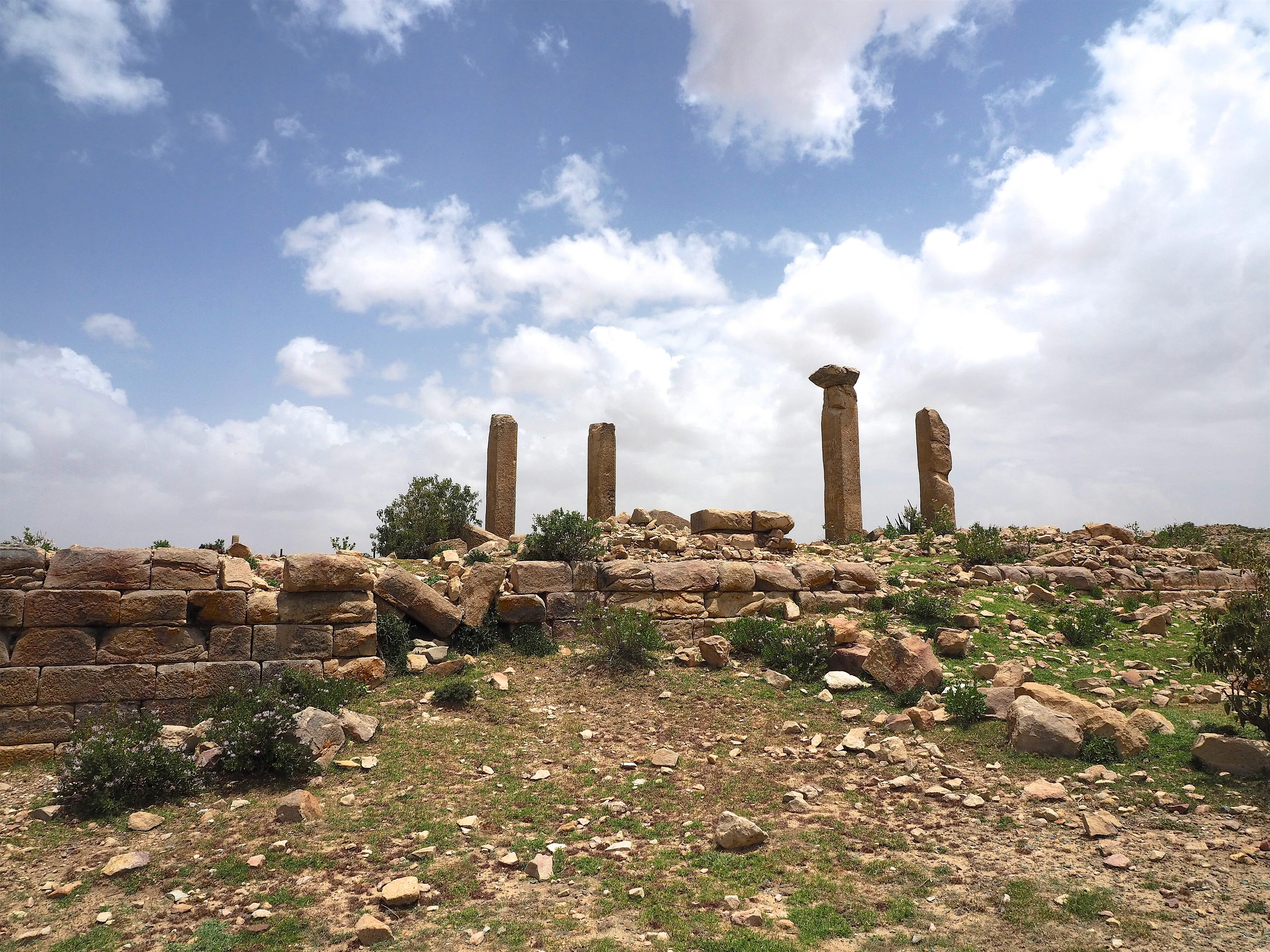
Above 2,500 m, on the rim of the Great Rift escarpment, Qohaito once held a pre-Aksumite town. You can see monolithic columns, an ancient dam and caves with rock paintings.
Highlights
Asmara, Massawa, the Dahlak Islands, Keren and Qohaito
Eritrea is best seen from top to bottom: you start on the cool highlands around Asmara, then drop down to the heat of the Red Sea. The road and railway between the two climb more than 2,500 metres, with three climates in two hours.
Asmara and its modernist architecture
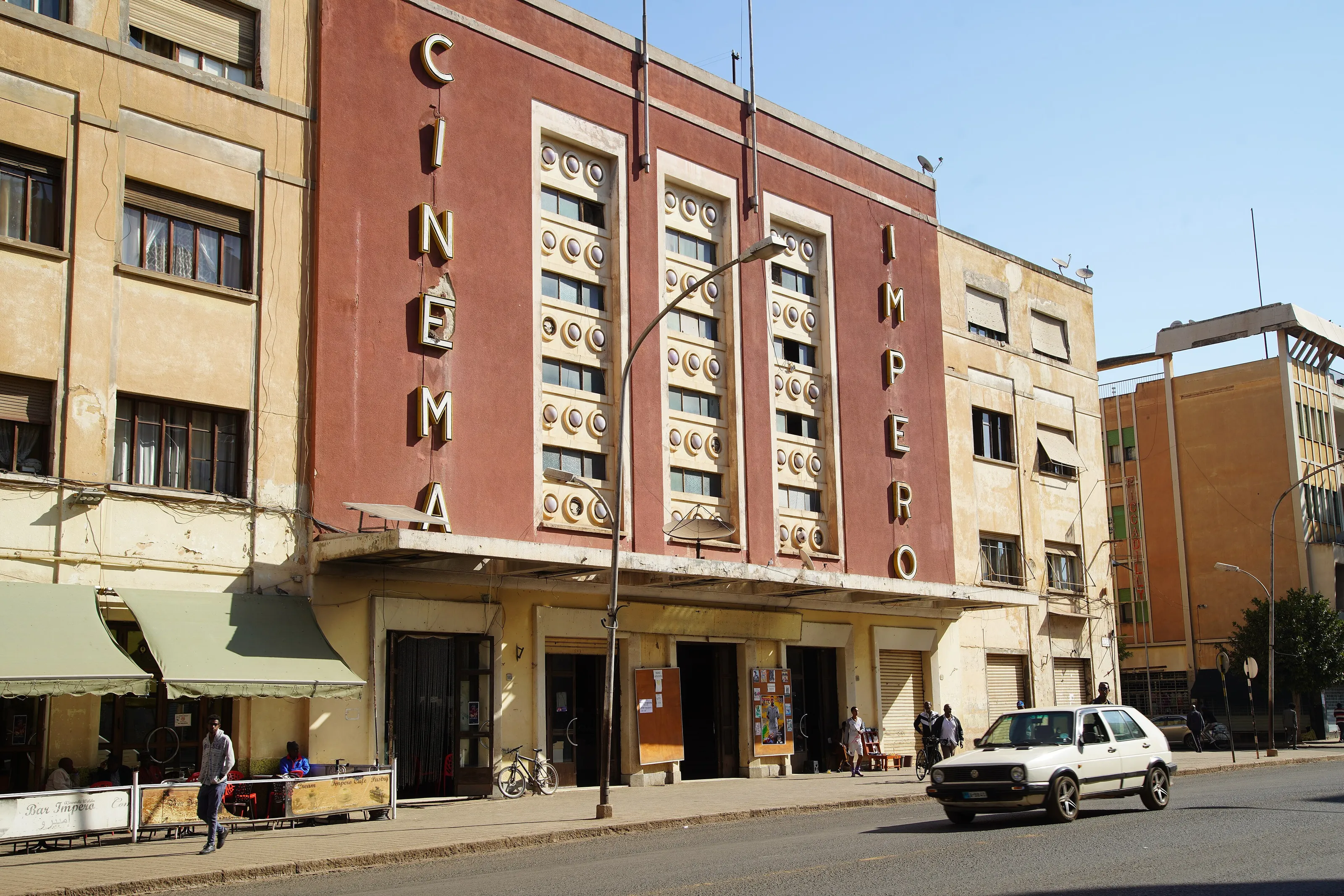
Asmara is best explored on foot: the centre is compact, the streets are wide and the facades tell half a century of Italian urban planning. The Art Deco Cinema Impero, opened in 1937, the Fiat Tagliero station with its concrete wings, the markets and the cafes make an open-air museum. The city is ringed by hills and nights are cool.
Cathedrals and churches of Asmara
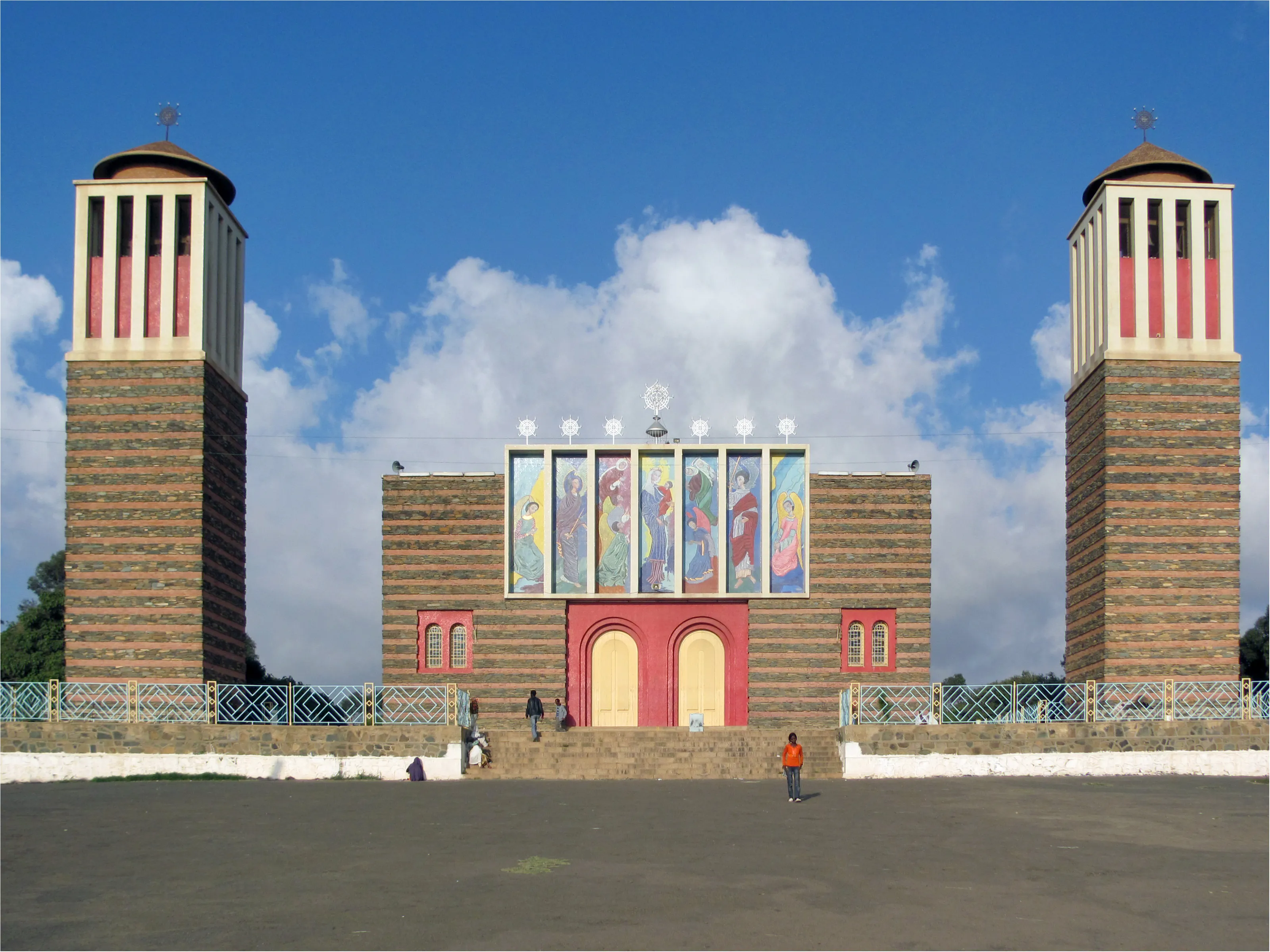
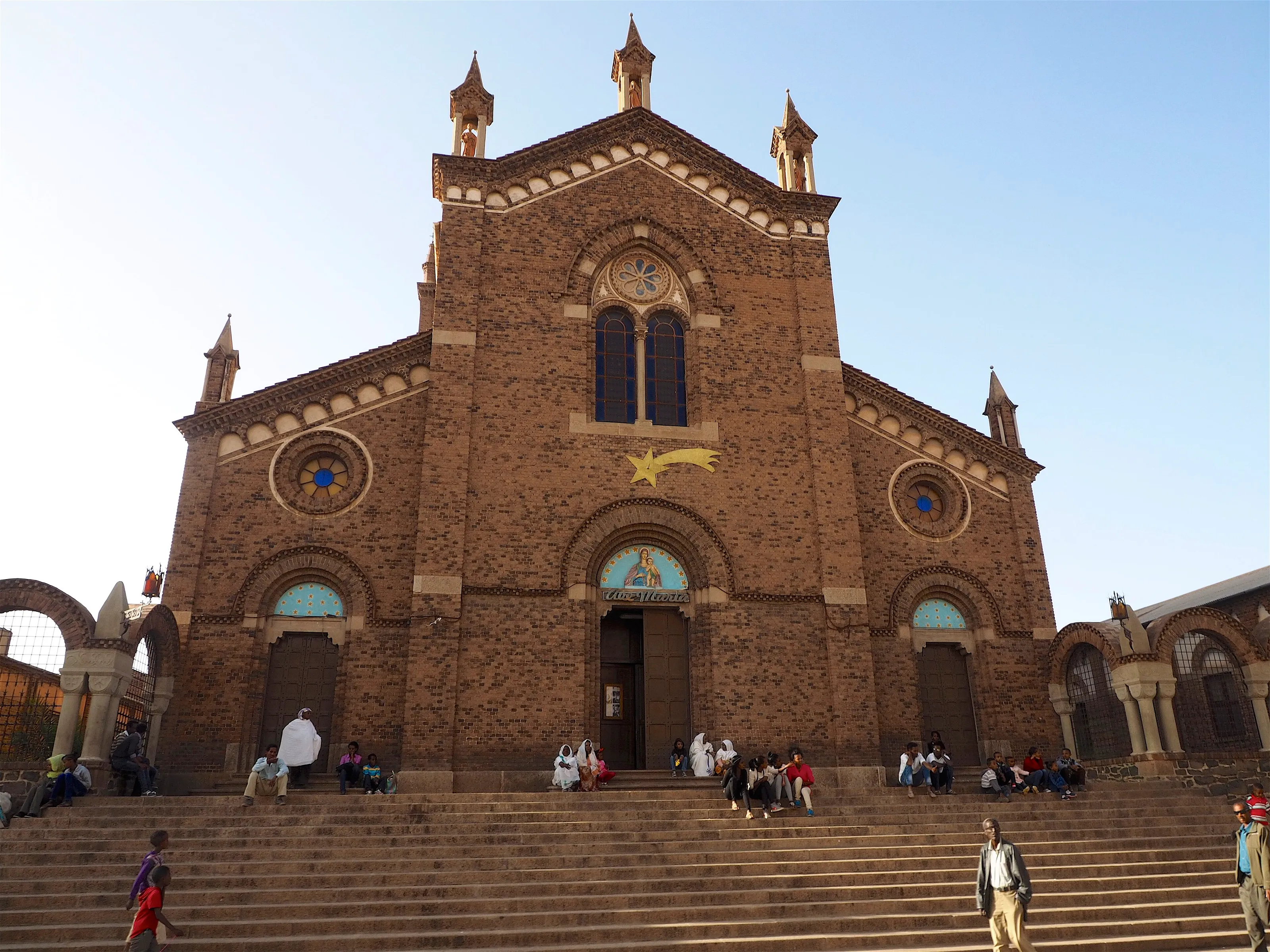
Several religious buildings stand side by side: the Orthodox Enda Mariam Cathedral with its striped towers, the Catholic Church of Our Lady of the Rosary, finished in 1923 in a neo-Romanesque style, and the Grand Mosque. They are open to respectful visitors: dress modestly and ask before taking photographs.
Massawa and the Dahlak Islands
Massawa, on the Red Sea, spreads across the islands of Batse and Taulud, linked by causeways. It has white galleried houses, Ottoman, Egyptian and Italian buildings, and the Mosque of the Companions, which some regard as the oldest in Africa. Boats serve the Dahlak archipelago, with its reefs, dolphins and seabirds, if the trip is arranged in advance.
Qohaito, Keren and the highlands
Qohaito, an ancient town identified with Koloe, stands on the edge of the Great Rift escarpment. The Temple of Mariam Wakiro, Safra's Dam and the painted caves of Adi Alauti are visited with a guide. Further north-west, Keren, above 1,300 m, is known for its market and metalworkers. In the nearby lowlands you can also reach the sea and the Danakil desert.
Before you go
Mild plateaus and a scorching coast: October to March
| Area | Climate | Best time |
|---|---|---|
| Asmara and highlands | Mild all year: about 15 C in December and 20 C in June, cool nights. Rain mostly from June to September. | October to March |
| Red Sea coast (Massawa) | Desert and very hot, humid in summer; annual mean close to 30 C. | November to March |
| Dahlak Islands | Marked heat; warm sea suited to snorkelling and diving. | October to April |
| Qohaito and Keren | Cool at altitude, strong sun, summer showers. | October to March |
Pack warm clothes for Asmara's nights and light clothing for the coast. The altitude calls for a day of acclimatisation. Watch flight prices before fixing your dates, and check your government's official travel advice before you leave.
Getting around
Taxis, buses, a tourist railway and guides
Asmara is explored on foot and by taxi. For Massawa, Keren or Qohaito you travel by car with a driver, by bus or with an agency. The railway linking Asmara and Massawa, rebuilt on that section, runs as a special tourist service: ask about departures before you come.
For some trips outside the capital, a travel permit may be required: find out in advance from the embassy or an agency. A visa is generally needed. Check current entry conditions before booking.
Culture and food
Injera, the coffee ceremony and an Italian legacy
The country has nine national languages, of which Tigrinya is the most spoken. The Italian legacy shows in Asmara's signs, in its cafes and in the pasta and pizza found on every menu.
The traditional table rests on injera, a soft flatbread served with spicy stews, often zigni or vegetables. The coffee ceremony, with incense and three rounds of cups, is a moment of hospitality. On the coast, grilled fish is the speciality.
Travelling to Eritrea
The Eritrean airport covered by SniperAir
Asmara International
Asmara's international airport, a few kilometres from the centre. It is the country's air gateway and the starting point for visits to Asmara, the plateau and the road to Massawa.
FAQ
Frequently asked questions about Eritrea
Which airport should I use to travel to Eritrea?
Asmara International (ASM) is the airport SniperAir tracks. It lies near the centre of the capital, the starting point for the plateau and the coast.
What is the best time to travel to Eritrea?
October to March, when temperatures are pleasant on the highlands and bearable on the coast. From June to September, rain falls on the plateau and the coast is oppressively hot.
Is travelling to Eritrea expensive?
The country gets few tourists, infrastructure is limited and organised excursions cost a lot. The budget depends mainly on the flight and guided travel. Choosing your season and tracking flight prices helps keep costs down.
Do I need a visa for Eritrea?
A visa is generally required, depending on nationality. Conditions change, so check with the embassy and consult your government's official travel advice before booking.
How long should I spend in Eritrea?
Allow seven to ten days: three in Asmara, one in Keren, two in Massawa and the Dahlak Islands, and one at Qohaito.
What language is spoken in Eritrea?
Tigrinya is the most spoken language; Arabic and English serve as working languages. Italian is still understood by older generations.
How do I get alerted when a flight to Eritrea drops in price?
Create a SniperAir alert profile with your departure airport and Asmara as the destination: we track prices and notify you as soon as an opportunity matches. See how it works.
Ready to track prices to Eritrea?
Create an alert and let SniperAir do the rest.
Create my alert