
Travel to Malta
Malta is the smallest member of the European Union, with fortified towns, temples older than the Egyptian pyramids and a sunny Mediterranean climate, all on three islands you can cross by bus. Here is what to know before you travel to Malta and how to catch cheap flights to Malta.
Malta in numbers
Capital
Valletta
Population
~540,000
Area
316 km²
Currency
Euro
Languages
Maltese, English
UNESCO sites
3
Continent
Europe
Time zone
UTC+1
Airports covered
1
Why visit Malta
Compact, sunny and packed with history
Older than the pyramids
The Ġgantija temples on Gozo were built around 3500 BC, among the oldest free-standing megalithic structures in the world, constructed even before the Egyptian pyramids.
A city named after a Grand Master
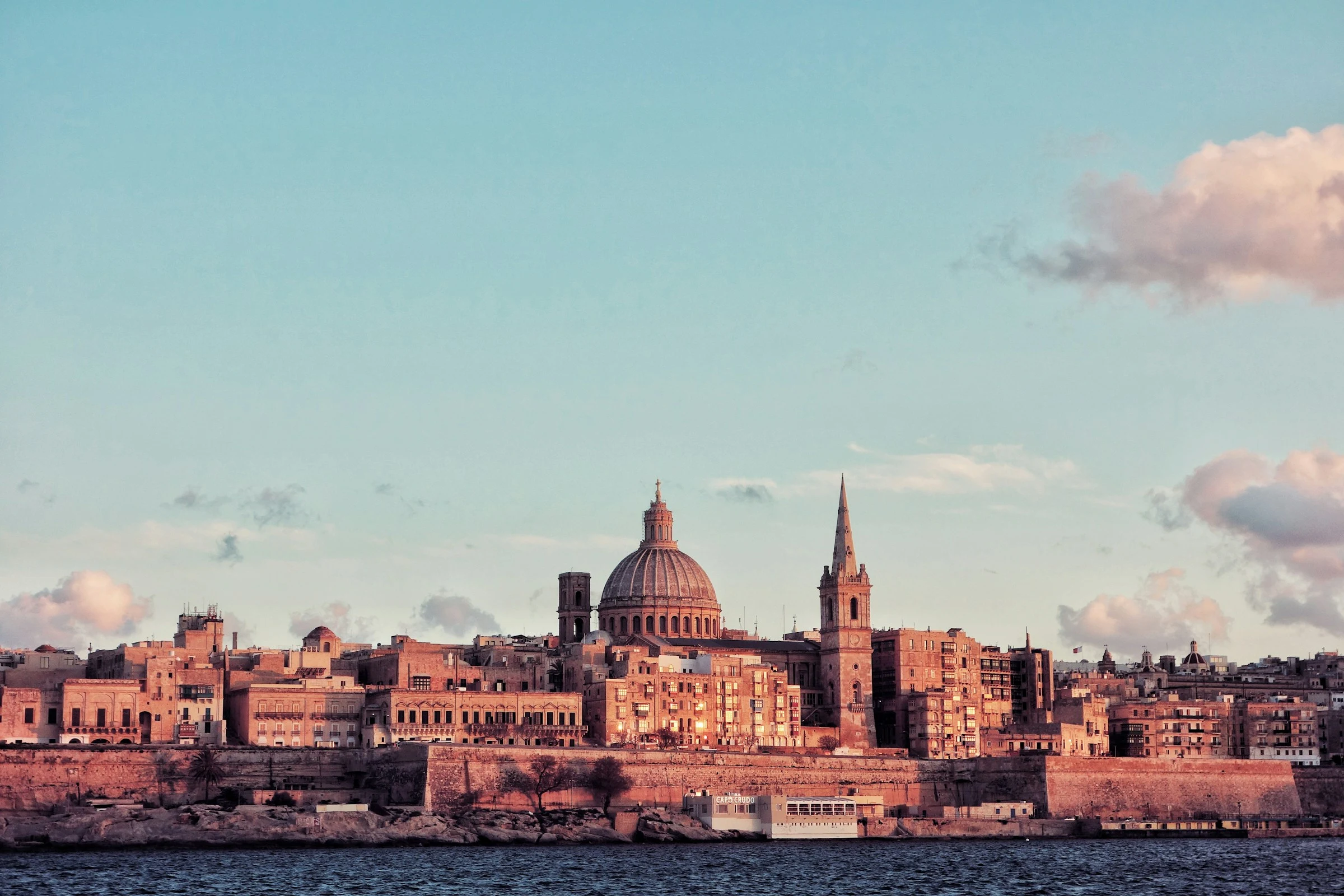
Valletta takes its name from Jean Parisot de la Valette, leader of the defenders in the 1565 Ottoman siege. St John's Co-Cathedral holds paintings by Caravaggio.
Sunshine and mild winters
Around 3,000 hours of sunshine a year, dry summers and mild, windy winters mean you can visit for most of the year.
Three UNESCO sites, one small country
Valletta, the Ħal Saflieni Hypogeum and the Megalithic Temples are all World Heritage sites, within a short ride of each other.
Signature places
Valletta, Mdina, the coast and Gozo
Most visitors base themselves near Valletta or in Sliema and St. Julian's, then use buses and boats for day trips. Distances are short, so the hard part is choosing.
Valletta and the Three Cities
Valletta is a UNESCO site because of the massive number of historical buildings packed into a tiny space. It works as a shopping area by day and a museum city, and the ferry across the harbour reaches Birgu, one of the Three Cities.
Mdina, the Silent City
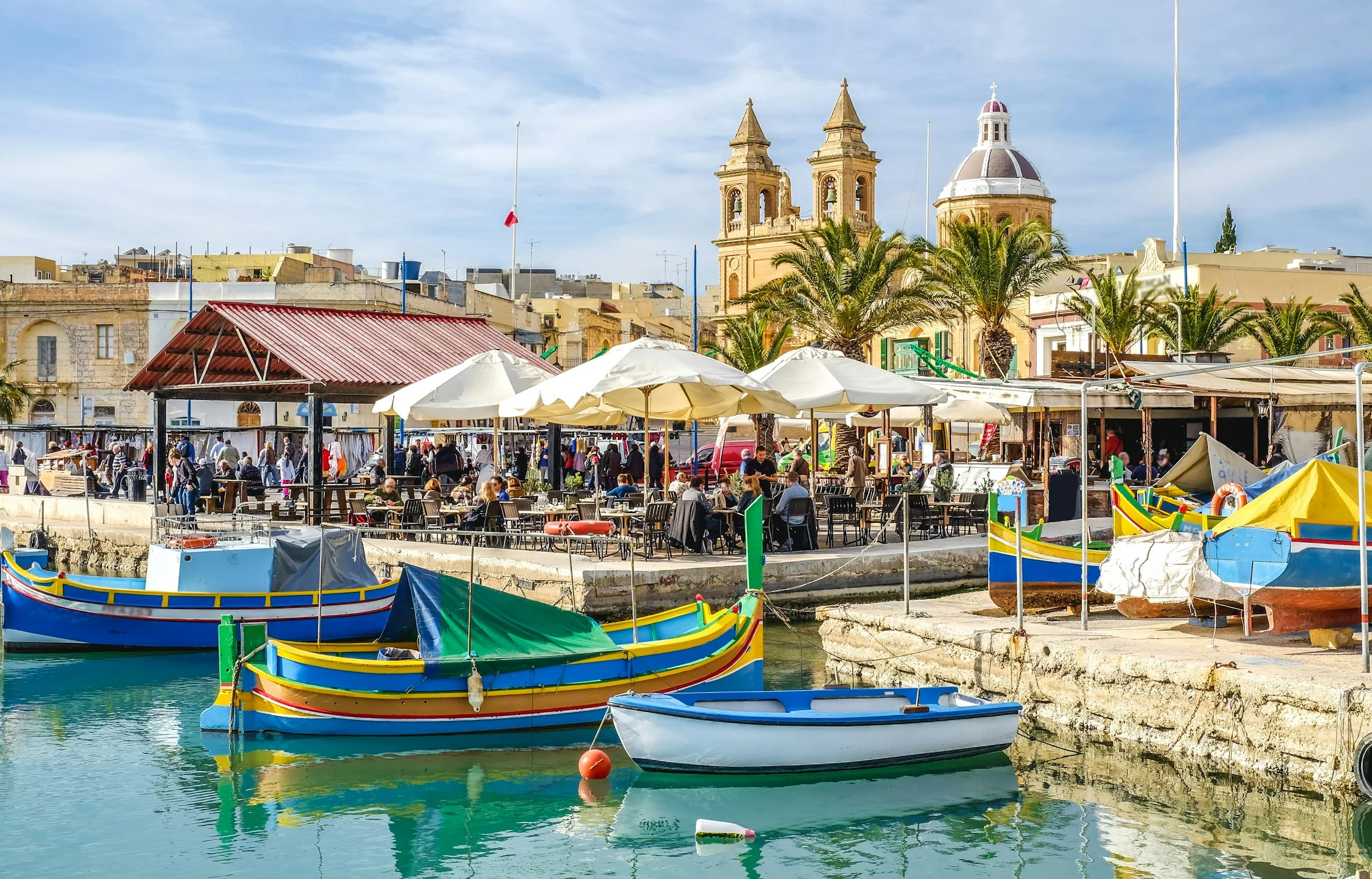
Mdina, the old capital, becomes especially peaceful in the evening once the day trippers leave. Next to it, Rabat has the St. Paul's catacombs and the Domus Romana.
Coast, caves and beaches
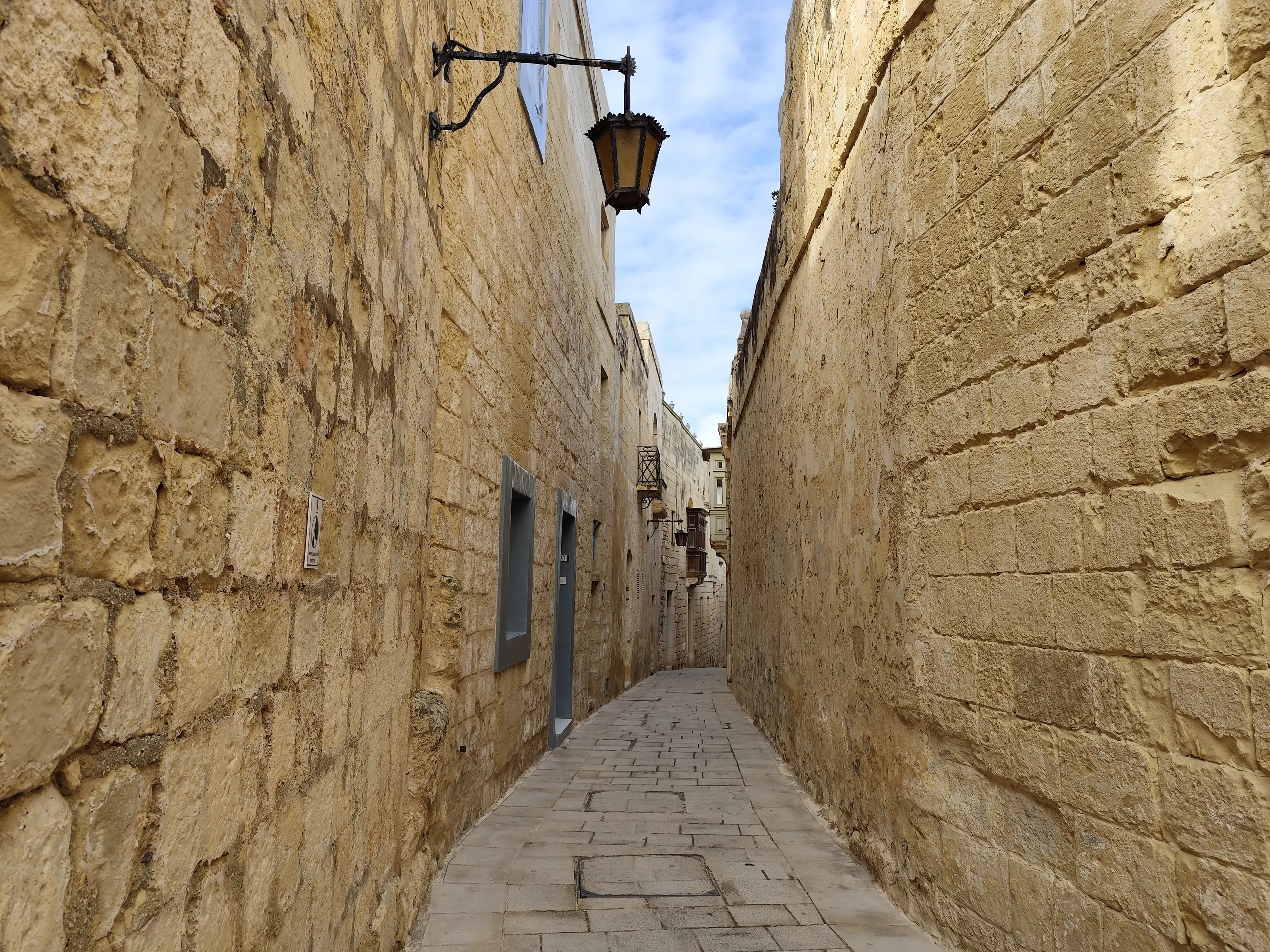
Marsaxlokk is a fishing village with a big Sunday market, and the Blue Grotto is a series of seven caves and inlets on the south coast, reached by small traditional boats. For sand, try Golden Bay, Għajn Tuffieħa and Mellieħa.
Gozo, Comino and prehistory
Gozo has the Ġgantija temples and the town of Victoria, and Comino is a tiny islet. On the main island, Ħaġar Qim, Mnajdra, Tarxien and the Ħal Saflieni Hypogeum, which needs advance booking, tell the Neolithic story.
Getting around
No railway, but plenty of buses and ferries
Malta has no rail transport of any kind: its only line, from Valletta to Mdina, ran from 1883 to 1931. Distances are short and bus fares are low compared with Western Europe, but the streets are crowded, so allow time. Traffic drives on the left.
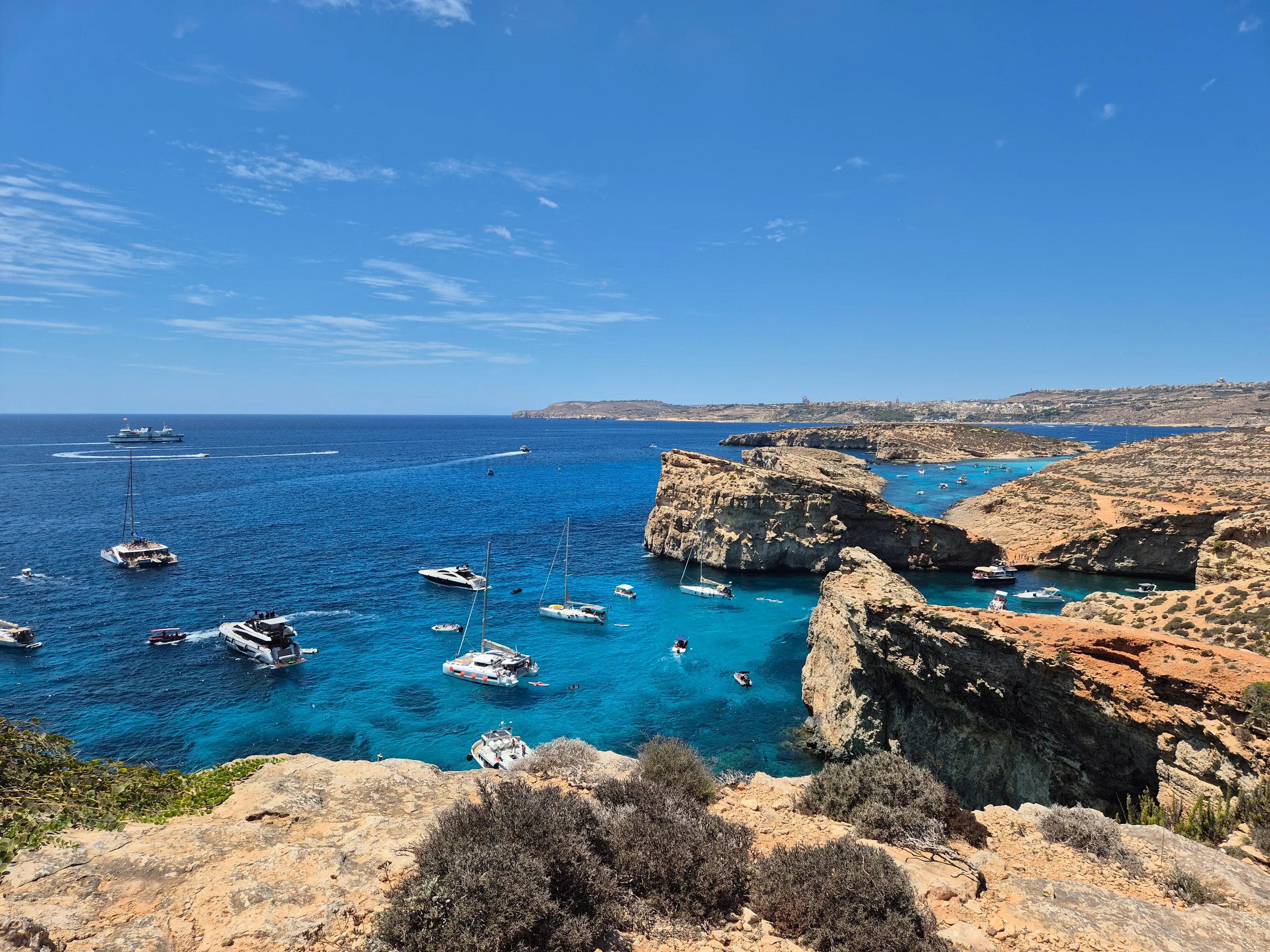
The Ċirkewwa to Mġarr ferry to Gozo runs about every 45 minutes in summer, and a fast ferry from Valletta takes 45 minutes. Ferries to Sicily leave from the Grand Harbour.
Before you go
A Mediterranean climate all year
| Period | Climate | Good for |
|---|---|---|
| April to June | Warm and mostly dry, sea still cool | Sightseeing and walking with fewer crowds |
| July and August | Hot, dry summers with highs around 28 to 34 C | Beaches and boat trips |
| September and October | Warm sea, pleasant temperatures | Swimming and sightseeing |
| November to March | Mild, wet and windy, around 15 C | Culture and archaeology, lower prices |
Malta is in the Schengen area and the eurozone. For a Mediterranean trip that adds mainland culture, look at Italy.
Malta is generally safe, but take care at night in Paceville. Parking attendants may ask for tips; you do not have to give them.
Food
Rabbit, pastizzi and Italian influences
Maltese cuisine draws on Italian cooking, with African and Arab influences. The celebratory meal is the fenkata, a feast of rabbit, and small savoury pastries called pastizzi are sold everywhere. Real Maltese food is humble and fish and vegetable based, such as soppa ta' l-armla, widow's soup.
Wines from the local Girgentina and Ġellewża grapes carry the DOK label, and the local beer is Cisk. Plan four to five days for the main island and about a week with Gozo and Comino.
Flying to Malta
The Maltese airport SniperAir covers
Malta International (Valletta)
The country's only airport, in Luqa, 5 km southwest of Valletta. Buses to Valletta or Sliema take 30 to 70 minutes depending on traffic, and official taxis have fixed rates.
FAQ
Frequently asked questions about Malta
Which airport do I fly into for Malta?
Malta International Airport (MLA) in Luqa is the country's only airport and serves all the Maltese islands.
When is the best time to travel to Malta?
May to October for swimming; April to June and September to October for sightseeing without the crowds or the peak heat. Winters are mild and good for culture.
Can I get around Malta without a car?
Yes: buses cover the main island and Gozo, and ferries link Malta with Gozo. Traffic drives on the left.
Do I need a visa for Malta?
Malta is part of the Schengen area. EU, EEA and Swiss citizens need only an ID card or passport, and visa-exempt visitors can stay up to 90 days in any 180. The currency is the euro.
How many days should I spend in Malta?
Four to five days cover the main island; allow about a week to add Gozo and Comino.
Is Malta safe?
Generally yes. Take care at night in Paceville and watch your belongings in busy areas.
How do I get alerted when a flight to Malta drops below my budget?
Create a SniperAir alert profile with your departure airport and your Maltese destination: we track prices for you and notify you the moment a deal matching your criteria appears.
Ready to track prices to Malta?
Create an alert and let SniperAir do the rest.
Create my alert