
Travel to Uruguay
An art deco capital on the Río de la Plata, a Portuguese-founded town on the UNESCO list, wild dune beaches and the longest carnival in the world: Uruguay is a small, temperate country that is easy to get around. This guide covers what to know before you travel to Uruguay and how to find cheap flights to Montevideo.
Uruguay in numbers
Capital
Montevideo
Population
~3.5 M
Area
176,215 km²
Currency
Uruguayan peso
Language
Spanish
UNESCO sites
3
Continent
South America
Time zone
UTC-3
Airports covered
1
Why visit Uruguay
A temperate, cultured and easy country
Montevideo, an art deco capital by the river
Founded in the 18th century around a natural bay, Montevideo has one of the strongest art deco influences of any city in Latin America. It was rated first in Latin America for quality of life in the 2019 Mercer report.
Colonia del Sacramento, a Portuguese town from 1680
Founded by the Portuguese in 1680, the oldest town in Uruguay keeps its cobbled lanes and compact colonial plan. Its historic quarter has been a UNESCO site since 1995.
From glamorous beaches to wild dunes
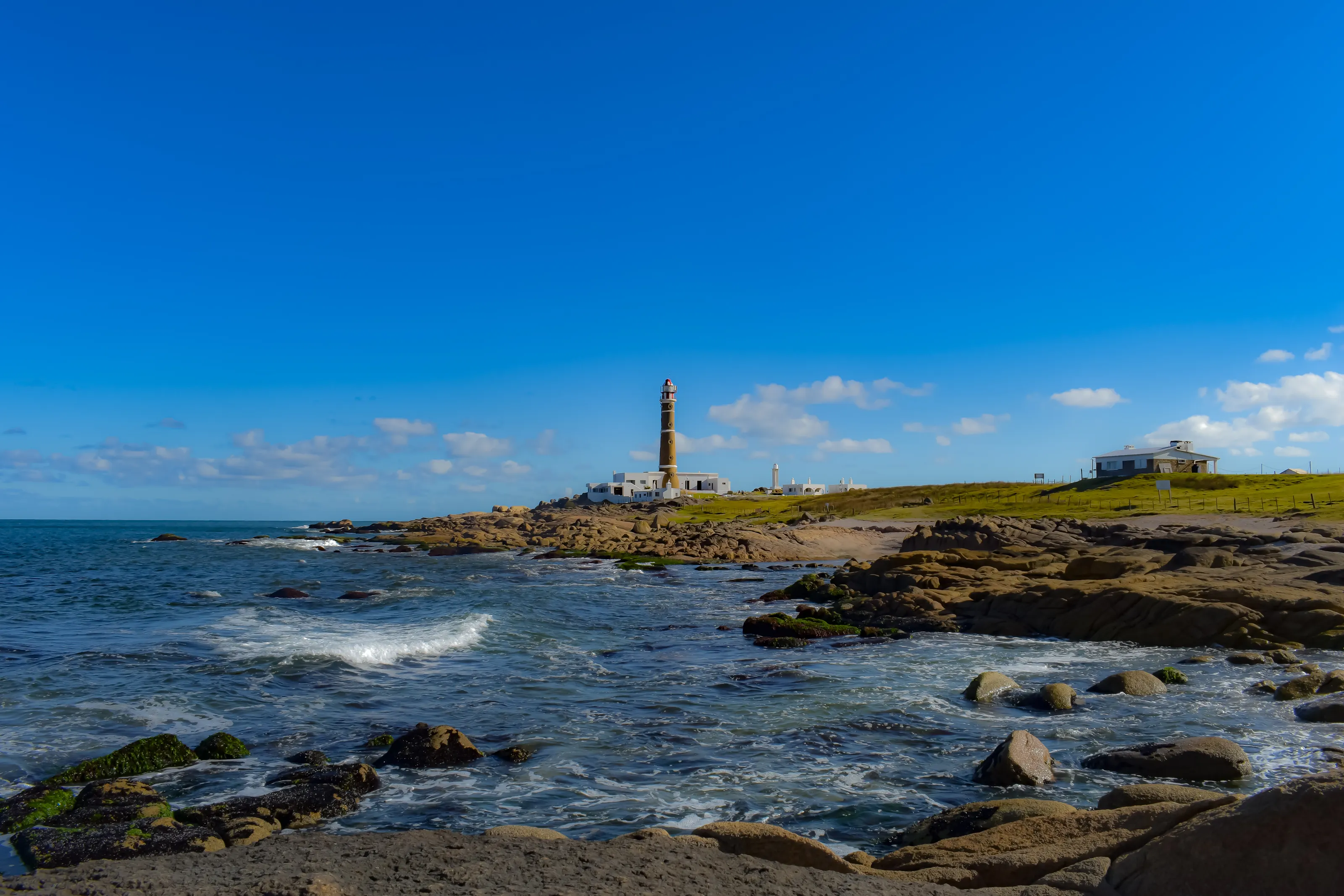
Punta del Este, nicknamed the Hamptons of South America, is the country's big resort; further up the coast in Rocha, Cabo Polonio mixes dunes, a lighthouse and sea lions.
Carnival, candombe and tango
Uruguay's carnival is billed as the longest in the world, Montevideo's candombe drumming is on UNESCO's intangible heritage list, and the city claims a share of tango, too.
Signature places
Montevideo, Colonia, Punta del Este and Cabo Polonio
A first trip fits into a few days: the capital, a day trip to Colonia and some time on the Atlantic coast, with Rocha for the more adventurous.
Montevideo, capital of the River Plate
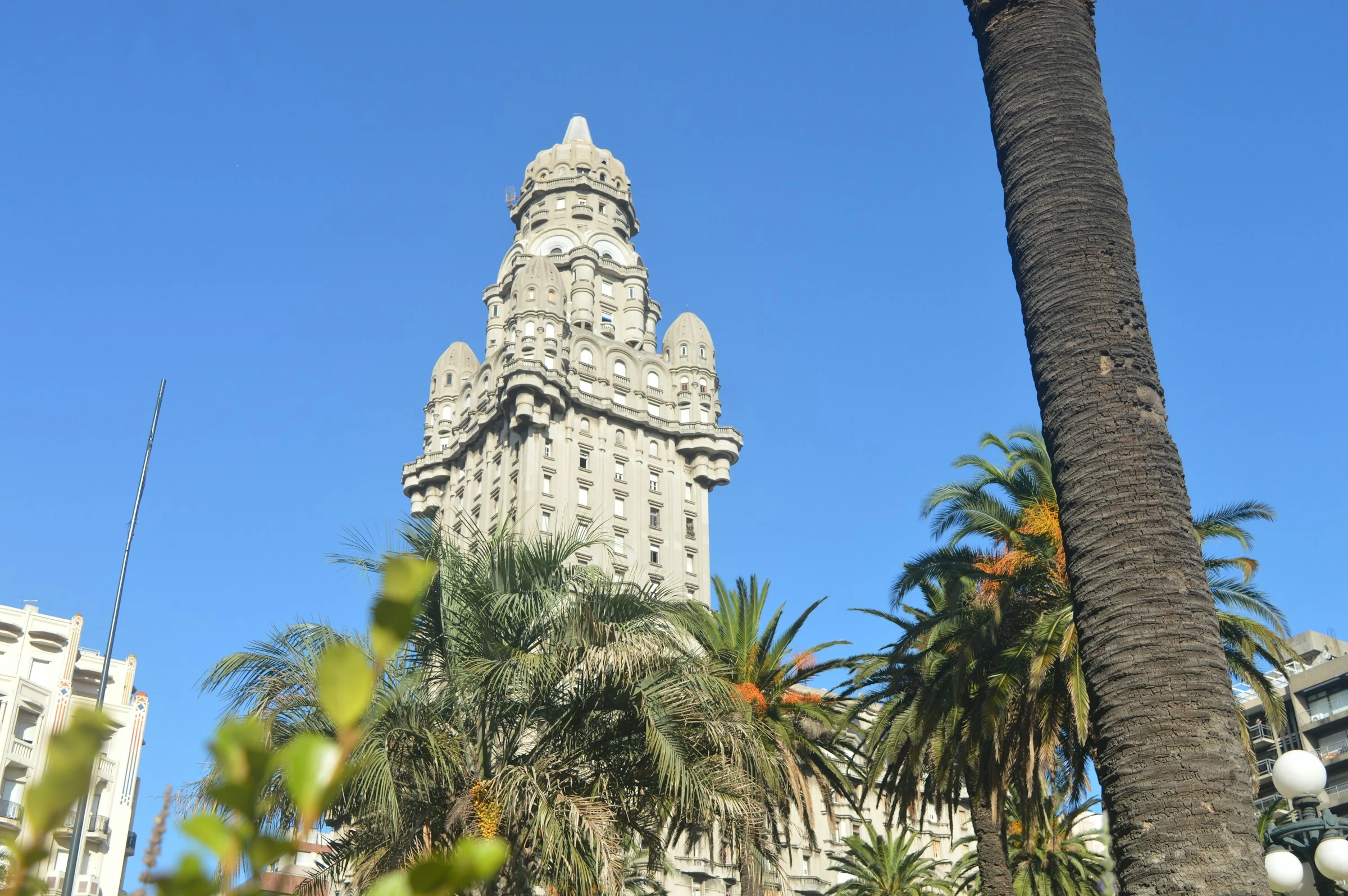
The Old Town, on its peninsula, mixes art deco, art nouveau and neoclassical buildings with theatres and museums, and the Mercado del Puerto serves asado cooked on open grills. The Palacio Salvo, finished in 1928, stands at Plaza Independencia and was at completion the tallest reinforced-concrete structure in the world. The city then runs along beaches such as Pocitos and Carrasco, and Estadio Centenario recalls the first FIFA World Cup in 1930.
Colonia del Sacramento
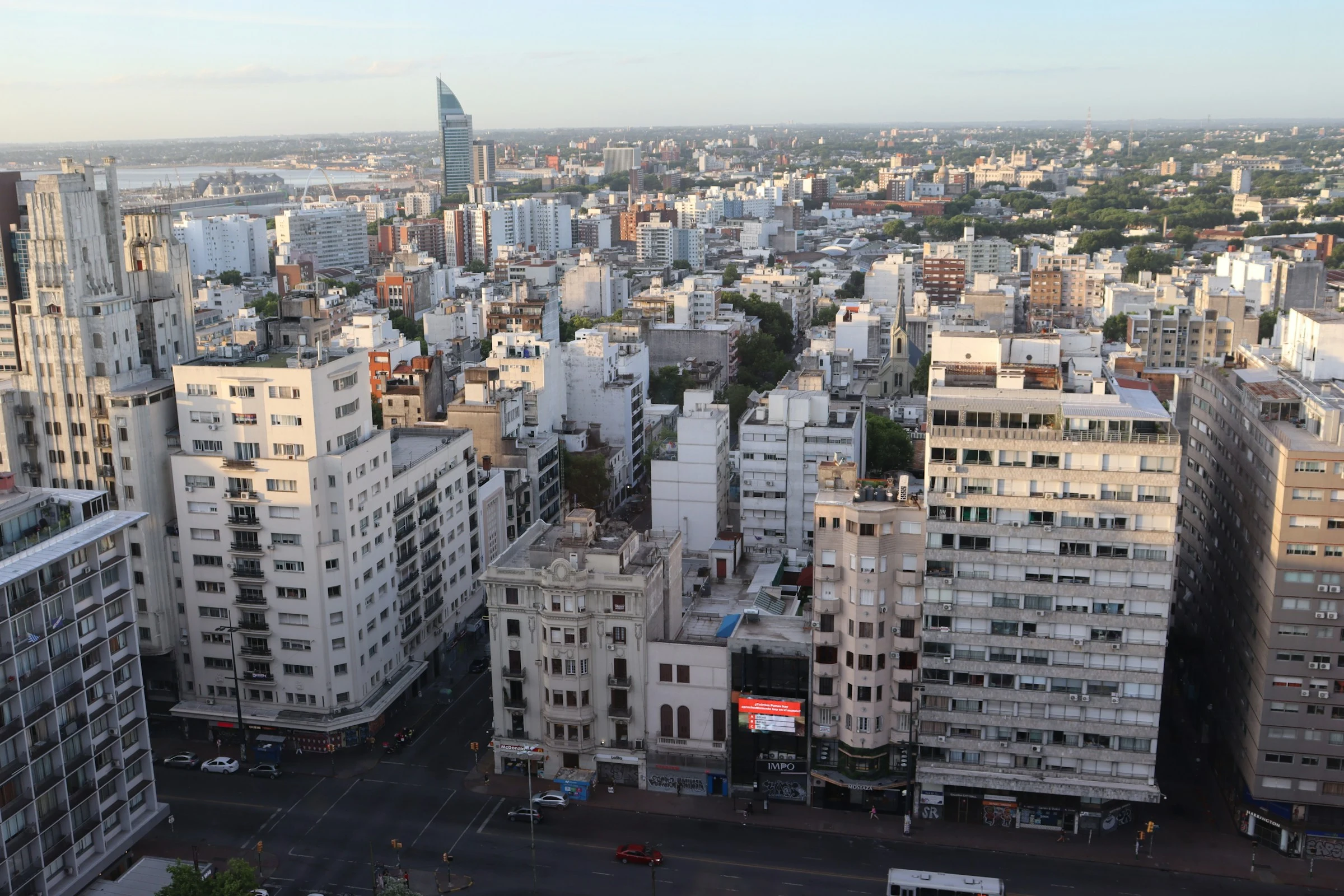
Colonia is 177 km from Montevideo and 50 km by boat from Buenos Aires, which makes it a classic day trip. Its historic quarter blends Portuguese, Spanish and post-colonial styles on a very compact plan.
Punta del Este and the east coast
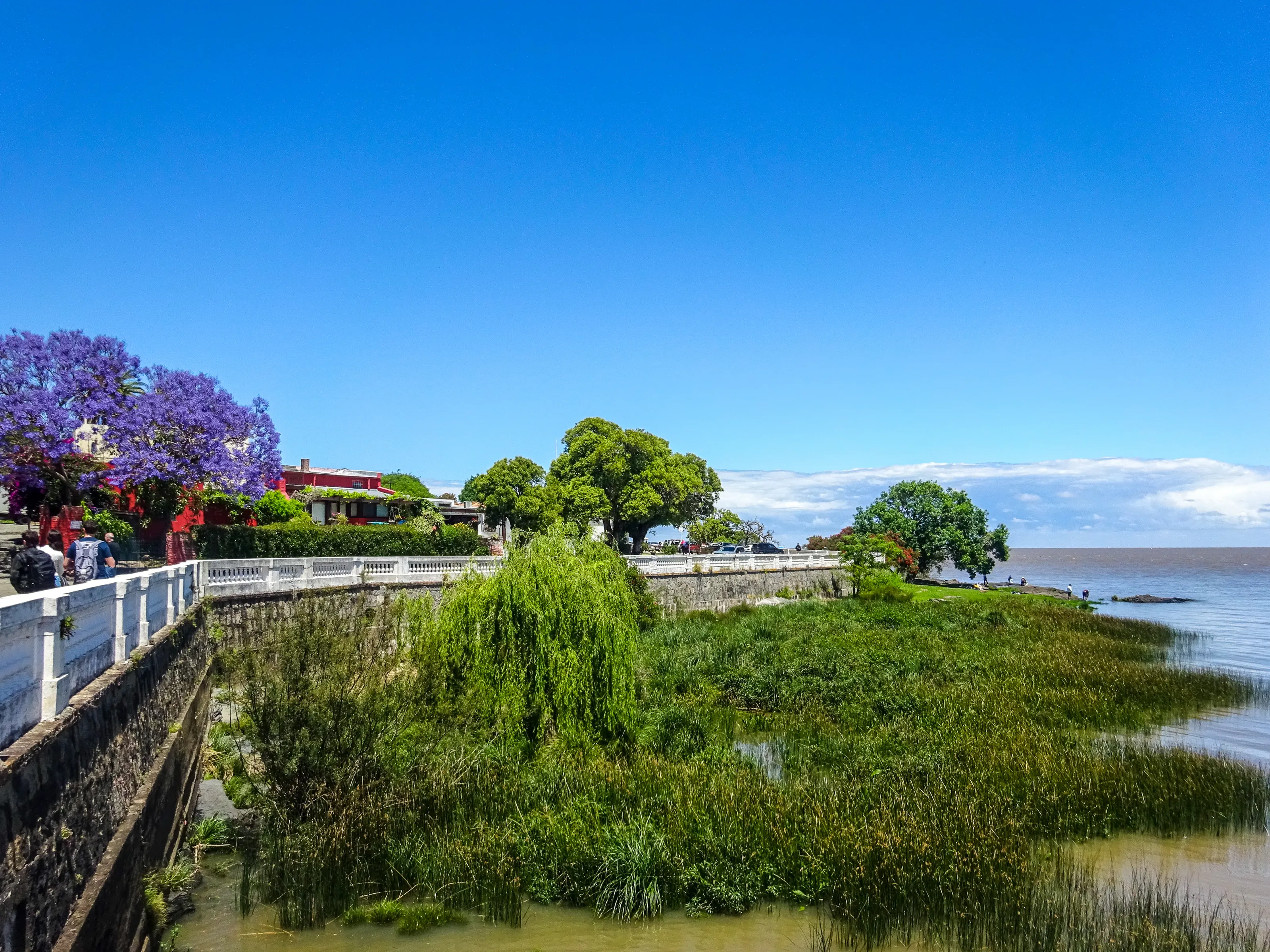
Around 140 km east of the capital, Punta del Este has two beaches: the calm Mansa on the river side and the rougher Brava on the ocean side. La Barra and José Ignacio, further northeast, are quieter resorts.
Cabo Polonio and Rocha
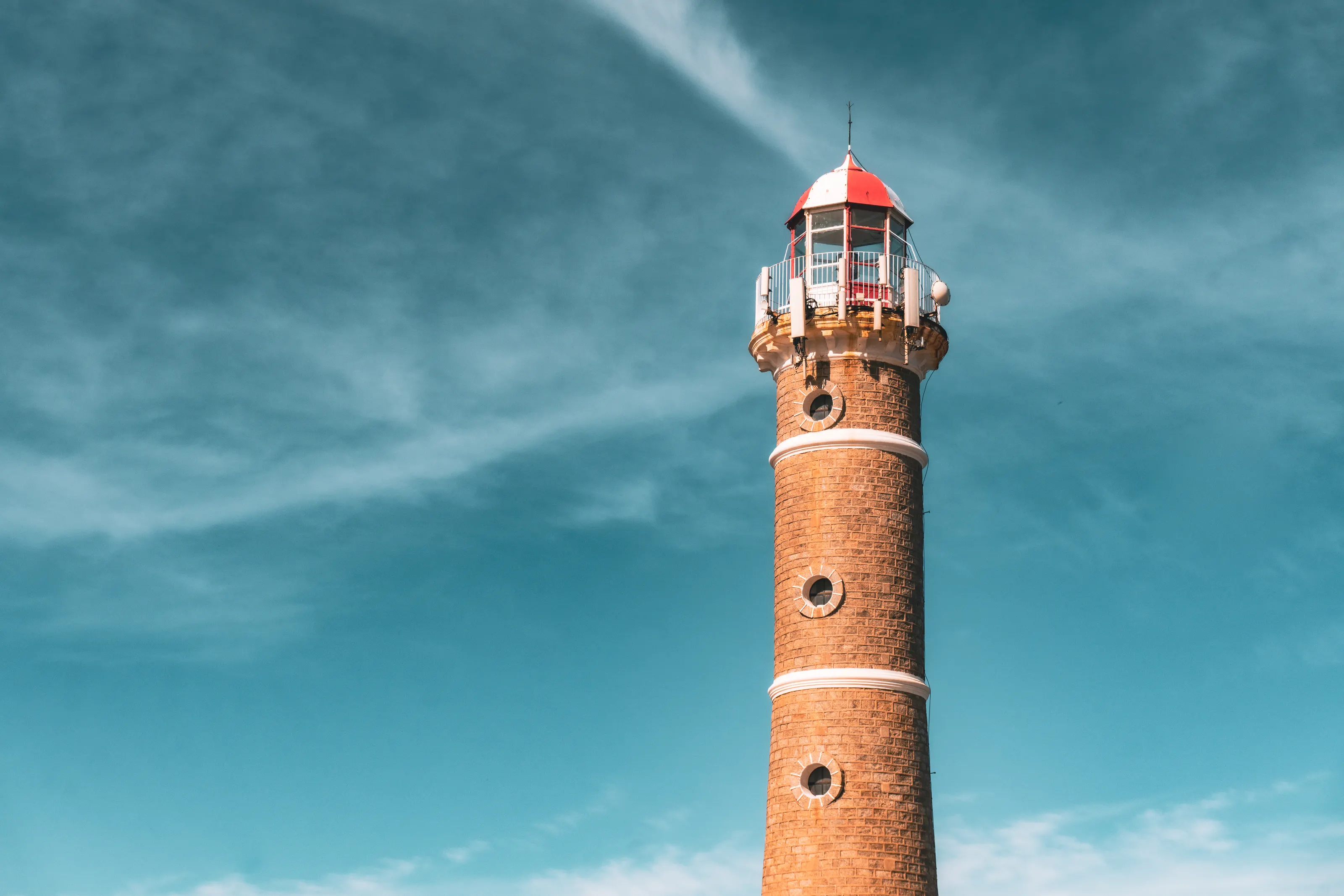
A carless hamlet of dunes inside a protected area, Cabo Polonio lies about 260 km from Montevideo and is known for its lighthouse and the largest sea lion colony in Uruguay.
Fray Bentos and the campo
Fray Bentos, on the Uruguay River, preserves the Anglo industrial complex, a World Heritage Site and the source of the name of a famous corned beef. Inland, gaucho culture and historic estancias show another side of the country.
Getting around
Buses, boats and easy roads
Uruguay is small and gently rolling, so intercity buses serve most towns, urban and rural, and metered taxis run in the main cities. A car helps on the Rocha coast and for visiting estancias.
Boats cross the River Plate to Colonia from Buenos Aires, and there are direct flights between Montevideo and Madrid, which helps with arrivals from Europe.
Before you go
Four regions, one mild climate
| Region | Climate | Best time to visit |
|---|---|---|
| Montevideo | Humid subtropical; summers around 21 to 25 C, mild winters, rain spread through the year | December to March for beaches; spring and autumn for the city |
| Colonia and the west | Same temperate pattern as the capital | December to March, or spring and autumn |
| Punta del Este and Atlantic coast | Cooler in spring when the ocean is cold; summer is the beach season | December to March |
| Interior and Rocha | Frosts most winters, snow very rare | Spring and autumn |
Uruguay has four seasons, with summer from December to March and winter from June to September. With no mountains to stop them, fronts and the cold pampero wind can change the weather quickly, so pack a warm layer in any season.
Many visitors, including UK passport holders, can stay up to 90 days without a visa, and no vaccines are mandatory; check your own nationality. The country is considered reasonably safe, though bag snatching and theft occur, mostly in Montevideo. Before booking, consult your government's official travel advice.
Food
Asado, chivito and mate
Uruguayan cooking reflects Spanish and Italian immigration, with beef at the centre of meals. Asado, meat grilled over fire, is a social tradition; the chivito, a sandwich of thin beef with lettuce, tomato, fried egg, ham and olives, is often called the national dish.
For something sweet, try alfajores filled with dulce de leche, pastafrola or chajá, a dessert of meringue, sponge, cream and fruit. Mate, an herbal drink, is the most typical beverage.
Flying to Uruguay
The Uruguayan airport SniperAir covers
Carrasco International (Montevideo)
The country's main international airport, in the Carrasco neighbourhood of Montevideo, regarded as one of the most efficient in Latin America. Direct flights link Montevideo and Madrid.
FAQ
Frequently asked questions about Uruguay
What is the best airport to fly into for Uruguay?
Carrasco (MVD) in Montevideo is the country's principal airport and the one SniperAir tracks. Colonia and Punta del Este are reached by road, or by boat from Buenos Aires.
When is the best time to travel to Uruguay?
December to March for the beaches of Punta del Este and Rocha; spring and autumn suit the cities better. Winter, from June to September, is mild but damp.
Is Uruguay expensive?
Prices are medium to high for South America, especially on the coast in peak season; asado restaurants and bus travel are ways to keep costs reasonable.
Do I need a visa for Uruguay?
Many visitors do not need a visa for stays of up to 90 days, and no vaccines are mandatory; check the rules for your nationality before you go.
How long should I spend in Uruguay?
Four to seven days cover Montevideo, Colonia and Punta del Este; add two or three days for Cabo Polonio and the Rocha coast.
Can I visit Colonia del Sacramento from Montevideo?
Yes: the town is 177 km from the capital and reachable by bus, and about 50 km by boat from Buenos Aires.
How do I get alerted when a flight to Uruguay drops below my budget?
Create a SniperAir alert profile with your departure airport and Montevideo as your destination: we track prices for you and notify you as soon as an opportunity matching your criteria is found.
Ready to track prices to Uruguay?
Create an alert and let SniperAir do the rest.
Create my alert