Travel to Mozambique
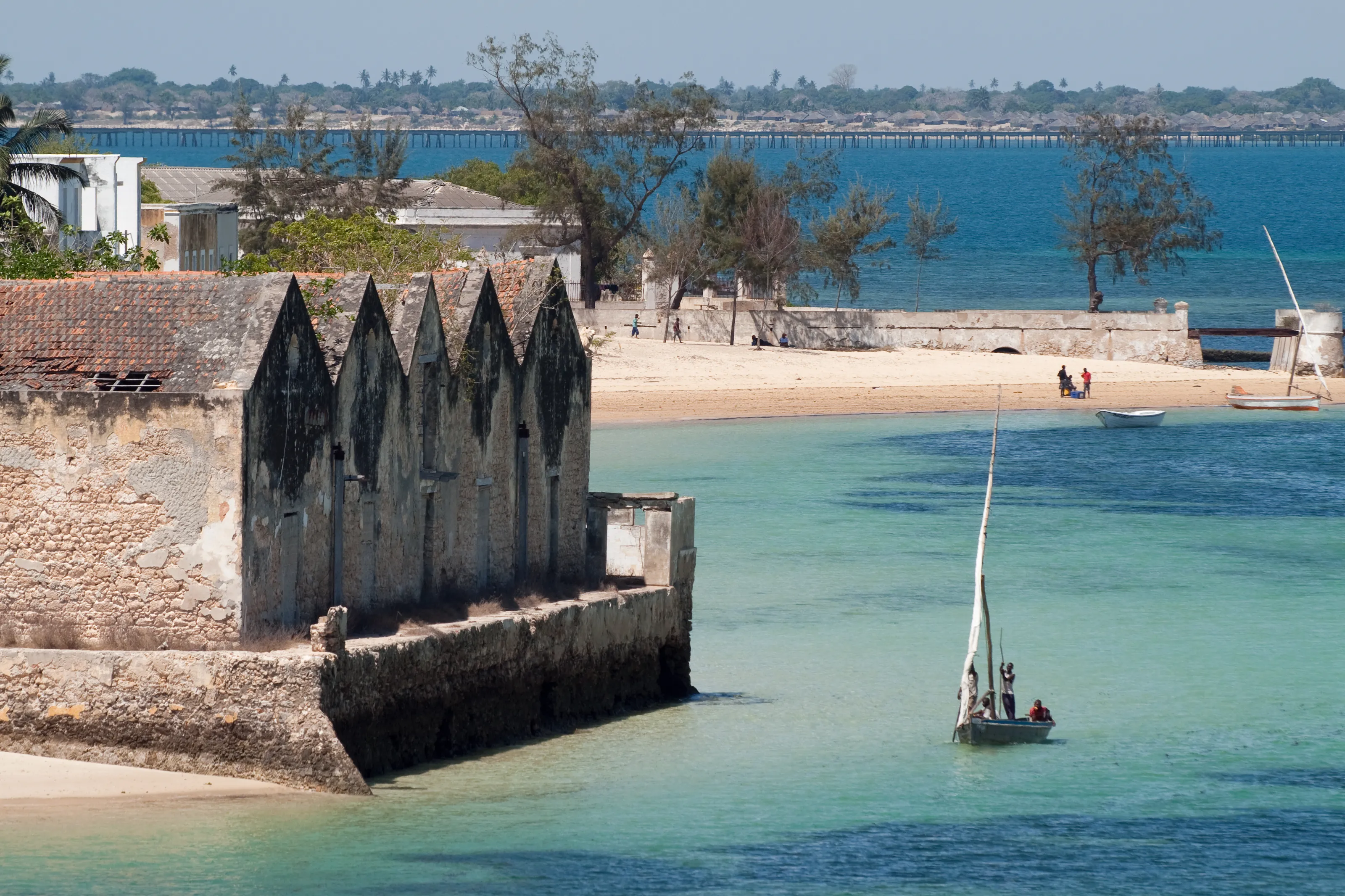
A coastline that runs for thousands of kilometres along the Indian Ocean, dhows that settle on the sand at low tide, a colonial capital on a tiny island, white dunes above turquoise water and whale sharks offshore: Mozambique is a country of contrasts, mixing Portuguese heritage, African culture and wild nature. Here is what to know before you look for cheap flights to Mozambique.
Mozambique in numbers
Capital
Maputo
Population
Over 30M
Area
~800,000 km²
Currency
Metical
Language
Portuguese
UNESCO sites
1
Continent
Africa
Time zone
UTC+2
Airports covered
1
Why visit Mozambique
Beaches, islands, Portuguese history and wild nature
A huge coastline
White-sand beaches, dunes, coral reefs and warm water: the coast draws divers, surfers, anglers and sun-seekers. Between Maputo in the south and Pemba in the north, every region has its own mood.
Portuguese and Swahili heritage
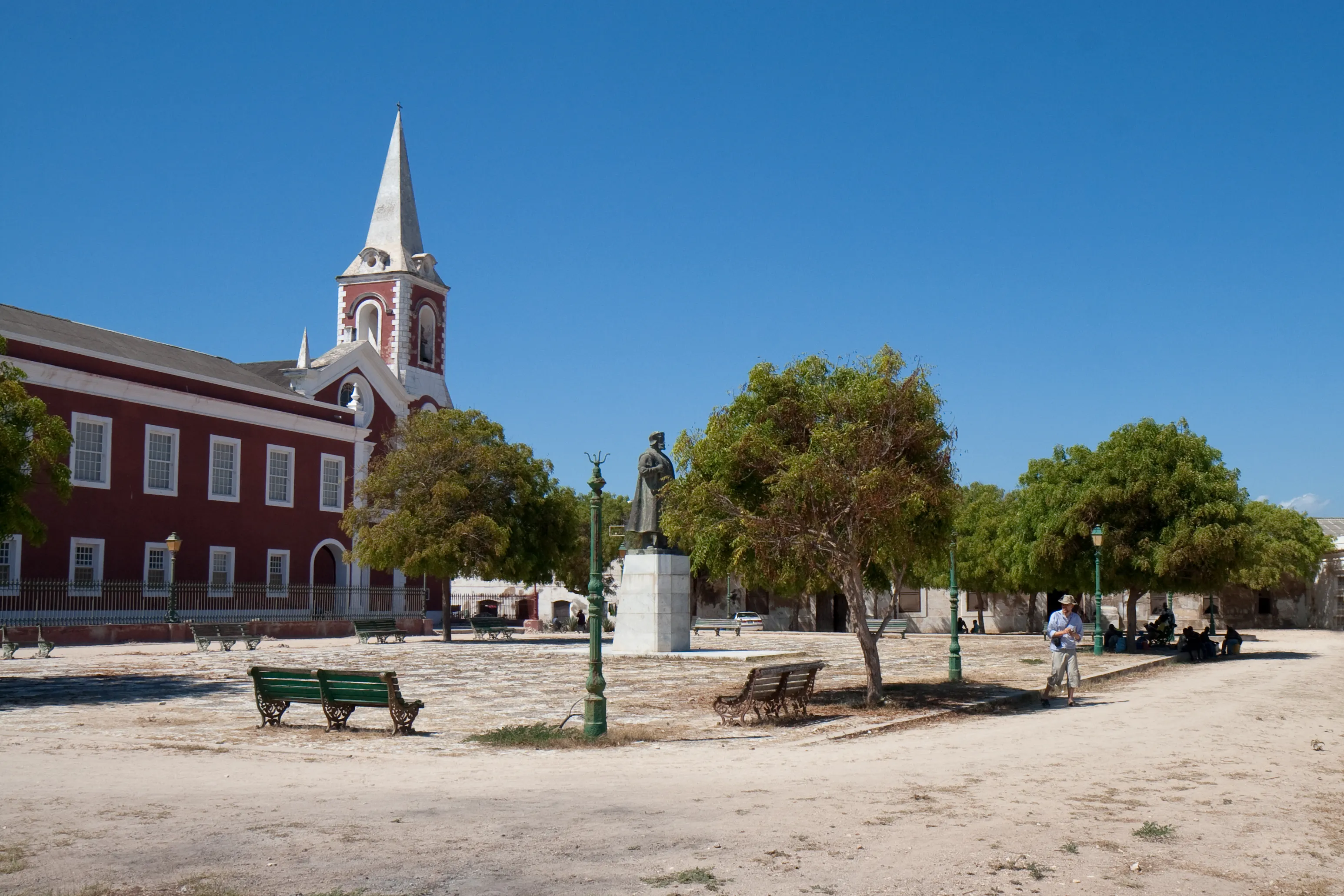
The Island of Mozambique, the former colonial capital, is the country's only UNESCO site. Forts, churches and old stone houses record five centuries of contact between Africa, Arabia, India and Portugal.
Marine life
In Inhambane Province you can dive with whale sharks and manta rays. The Bazaruto Archipelago is a marine park with dugongs, turtles and plenty of reef fish.
Gorongosa and nature making a comeback
Gorongosa National Park, at the southern end of the Great Rift, lost most of its large animals during the civil war and is the subject of a restoration programme. Further north, the Niassa reserve is one of Africa's largest and most remote.
Where to go
Island of Mozambique, Bazaruto, Tofo, Maputo and the north
Mozambique is long and roads are slow, so it rewards choosing one or two regions. The south, around Maputo, Inhambane, Tofo and Vilankulo, combines well; the Island of Mozambique and the Quirimbas in the north call for a domestic flight.
The Island of Mozambique
This small island, linked to the mainland by a bridge, was the capital of Portuguese East Africa until the late nineteenth century and gave the country its name. You wander a stone-and-thatch old town of forts, churches, alleys and beaches to the rhythm of passing dhows. Visitors arrive via Nampula or Lumbo airport on the mainland.
Vilankulo and the Bazaruto Archipelago
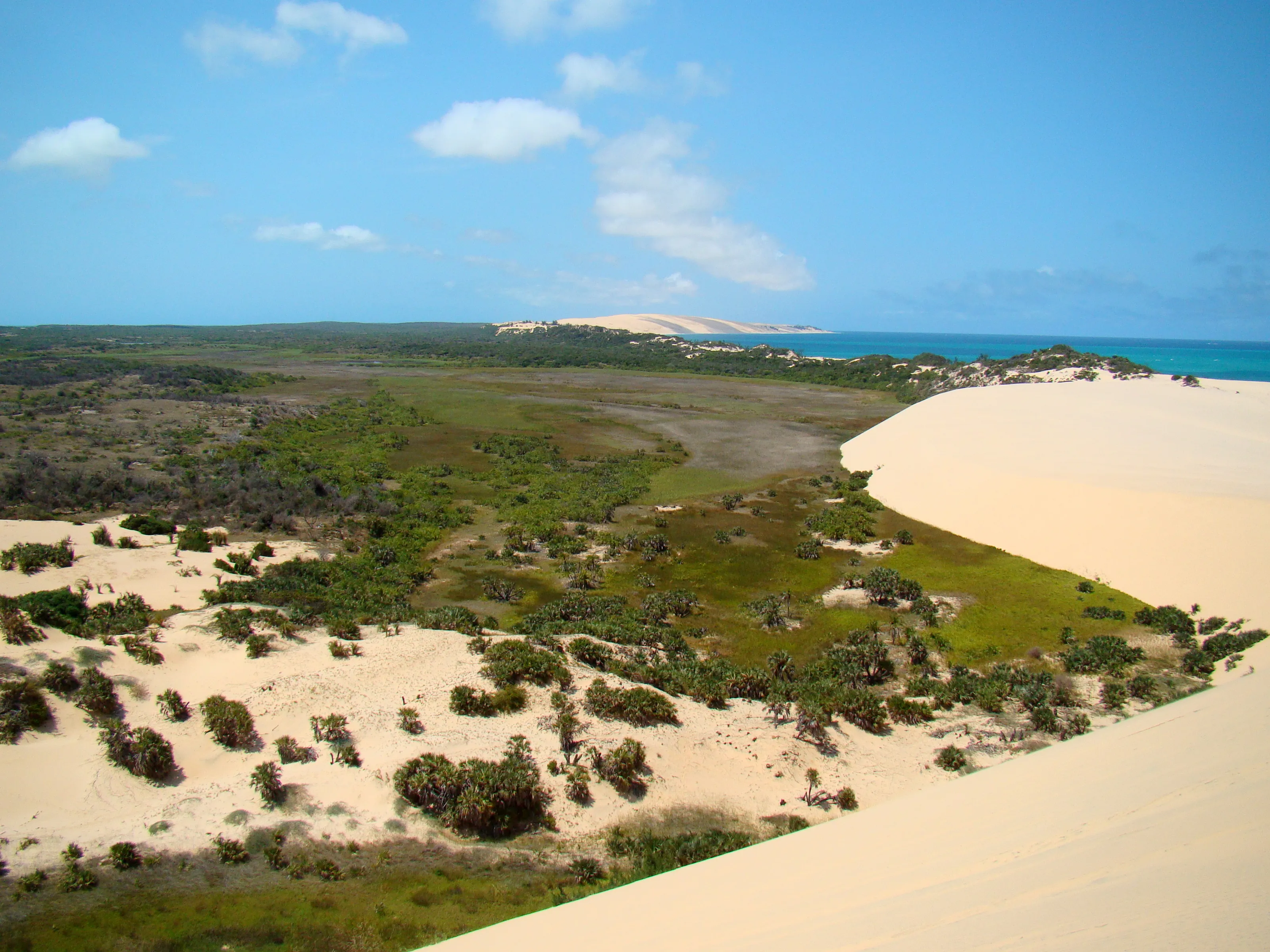
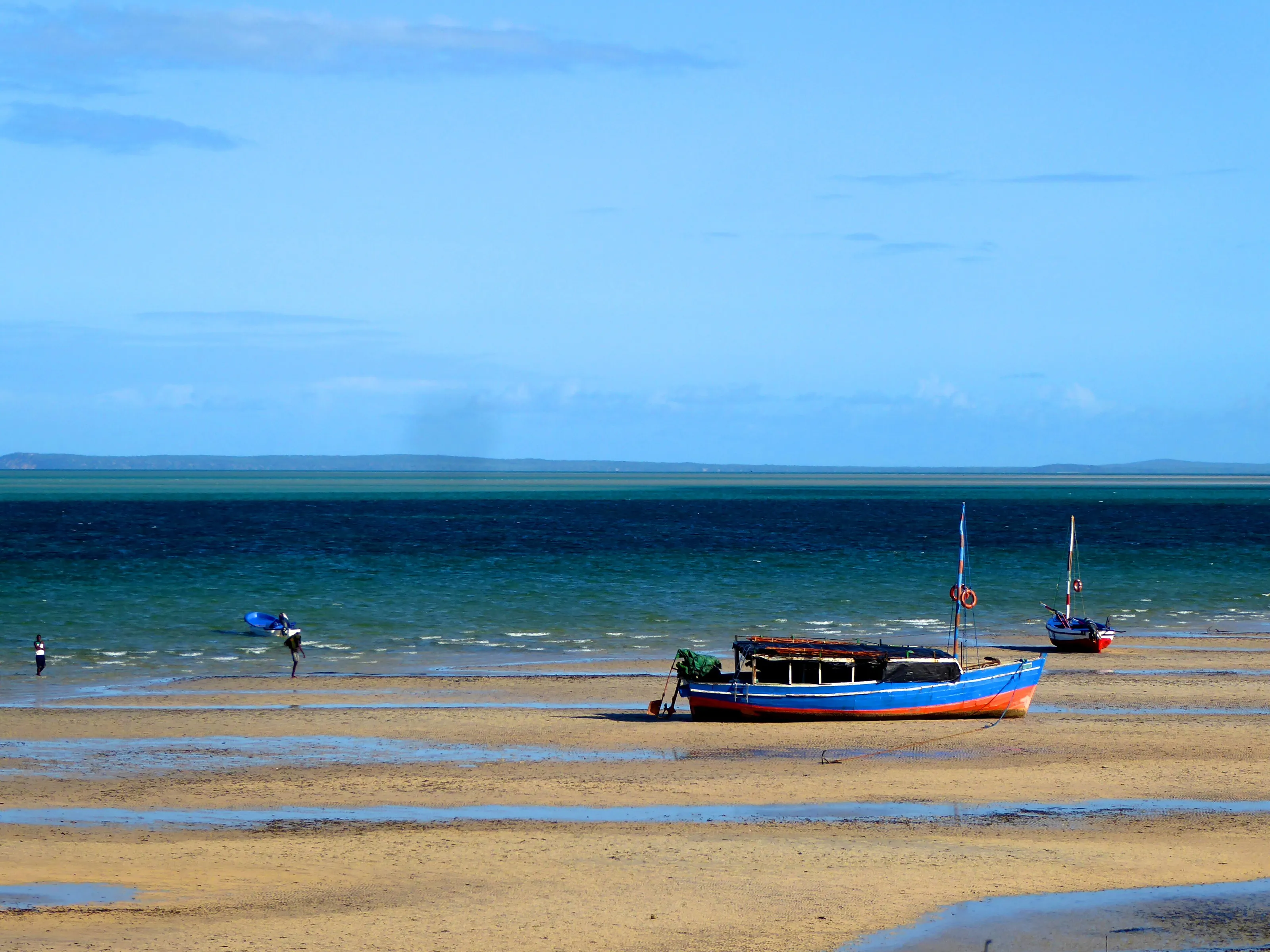
Vilankulo is the gateway to the Bazaruto Archipelago, made up of Bazaruto, Benguerra, Magaruque and other islands. Offshore you sail by dhow, dive the reefs and climb large white sand dunes; on land, low tide leaves boats stranded on the sand. Tourism here leans upmarket, with a few simple stays on the mainland.
Inhambane and Tofo beach
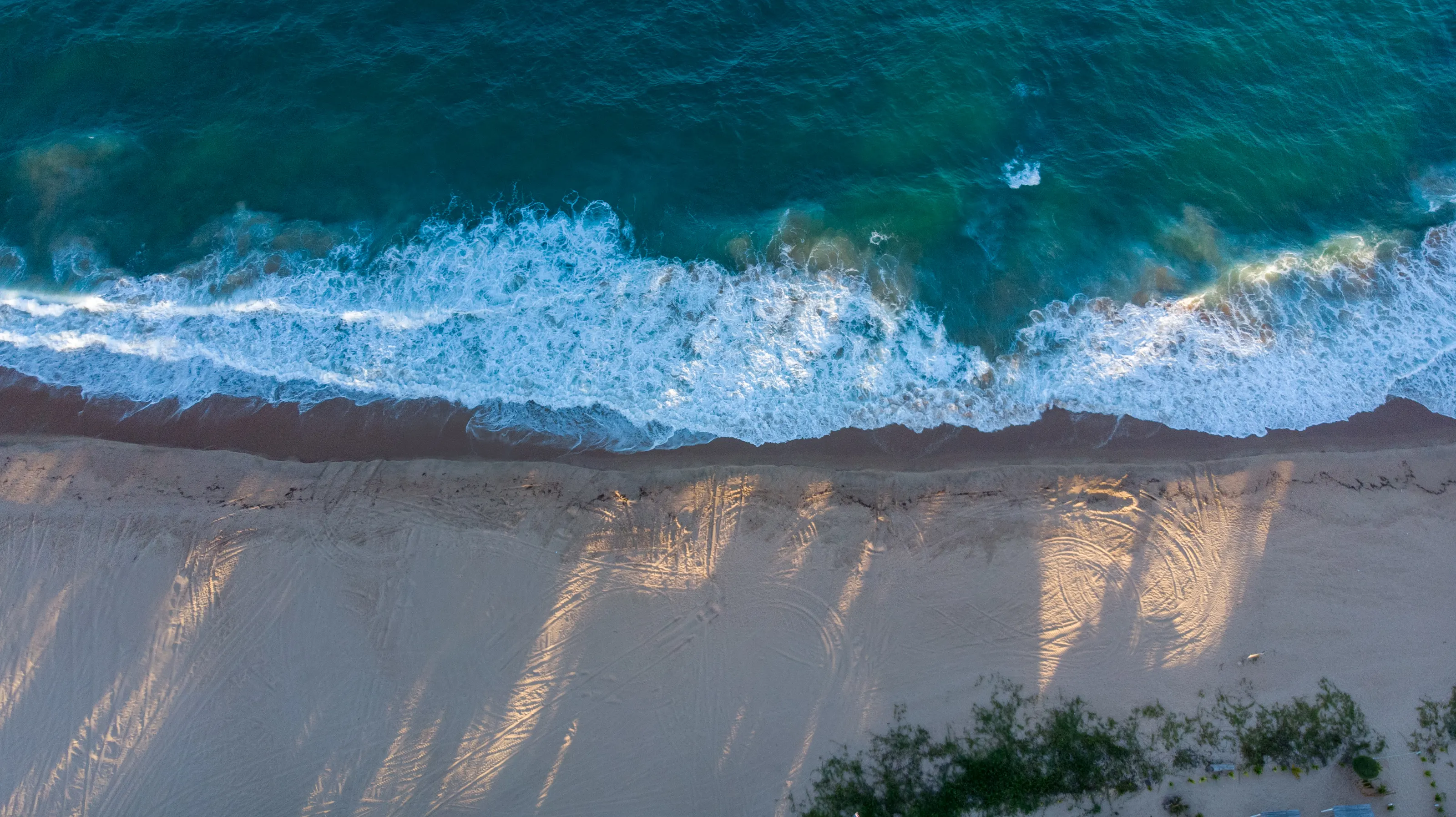
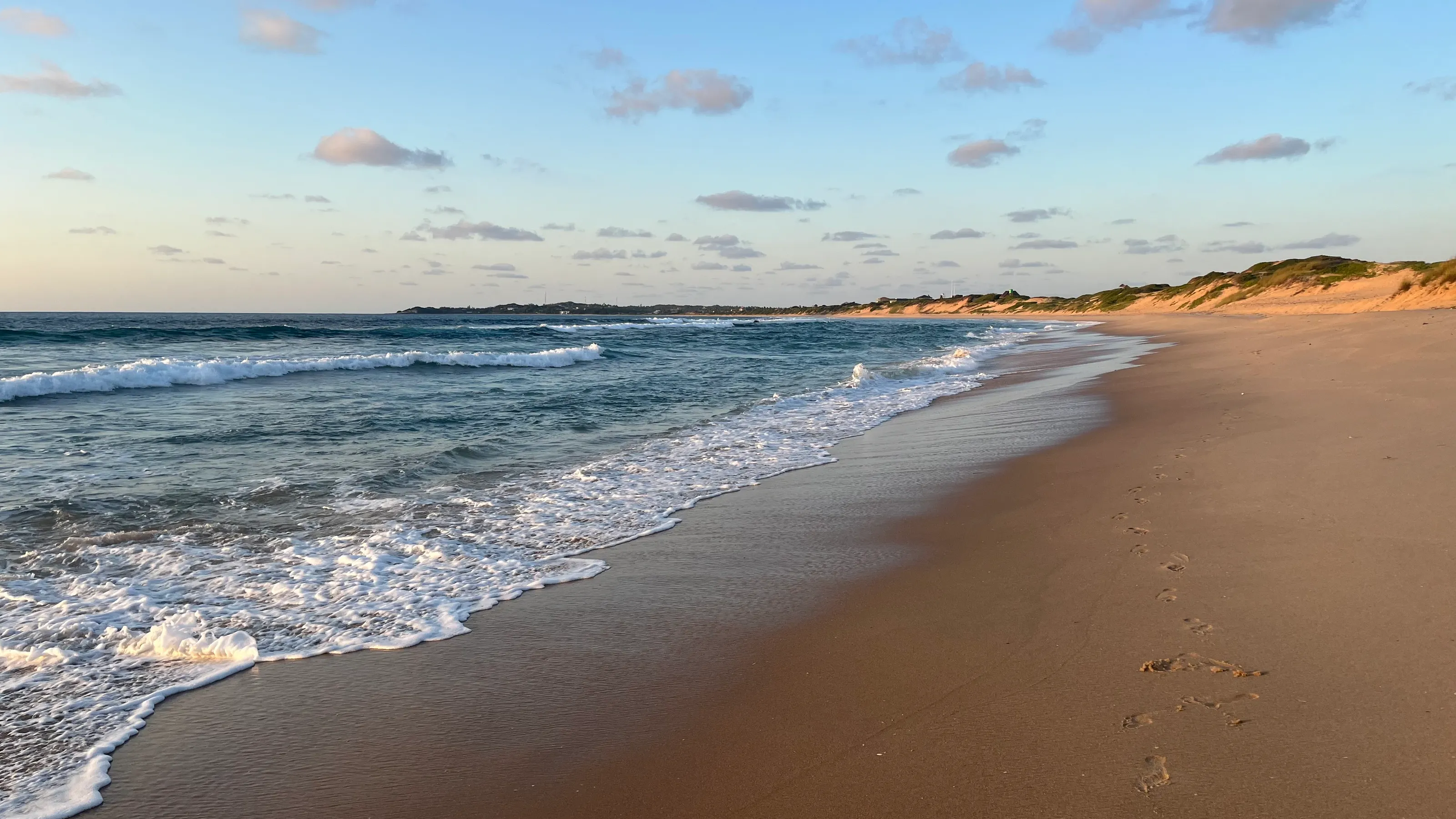
Inhambane is a pretty historic town on a bay, and Praia do Tofo, a short drive away, is the home of divers and surfers: whale sharks, manta rays, humpback whales in season, dunes and long beaches. You will find budget hostels as well as more comfortable lodges.
Maputo, Gorongosa and the north
Maputo, the capital, mixes colonial architecture, markets, museums, a monumental railway station and marrabenta music; a bridge links it to Catembe. Gorongosa National Park, in the centre, is a safari and ecological restoration site. In the north, the Quirimbas archipelago, reached from Pemba, offers beaches and diving: check travel advice before choosing this region. To round off a southern Africa trip, see also our South Africa page or Tanzania page.
Before you go
A tropical climate with an ideal dry season
| Region | Climate | Best time to visit |
|---|---|---|
| Maputo and the south | Hot and humid in summer, mild in winter: 13 to 24 C in July and 22 to 31 C in February in Maputo. Rain mainly November to March. | May to October |
| Inhambane, Tofo and Vilankulo | Tropical, with warm seawater almost all year. Cyclones are possible in the wet season. | May to October |
| Centre and Gorongosa | Hotter and more humid, with heavy wet-season rain that can flood the plain and cut tracks. | May to October |
| North (Pemba, Quirimbas, Island of Mozambique) | Hotter, sea at 26 to 29 C around Pemba, winter only slightly cooler. Dry season April to September. | May to November |
Mozambique has a wet season from October to March, with possible cyclones, and a dry season from April to September, the best for the sea, roads and safaris. Keep an eye on flight prices before fixing your dates.
Getting around
Long distances, domestic flights and slow roads
The country stretches for roughly two thousand five hundred kilometres along the coast. The EN1 highway follows the shoreline, with good stretches and badly damaged ones; traffic drives on the left and night driving is discouraged. Chapas, shared minibuses, are very cheap but often overloaded and unsafe.
To save time, domestic flights link Maputo, Vilankulo, Beira, Nampula and Pemba. Taxis have no meters, so agree the price first. For parks and islands, a transfer arranged by your accommodation is often the simplest solution.
Food and culture
Piri-piri, prawns and matapa
Portugal left piri-piri, the hot chilli served as a sauce, pãozinho rolls served with meat, and many seafood recipes. Matapa, a stew of cassava leaves with prawns or crab served over rice, is one of the staples.
On the coast you eat crayfish and prawns grilled with piri-piri, garlic and lemon. Local beers 2M, Laurentina and Manica go with everything, and cashu is a spirit made from the cashew apple.
Flying to Mozambique
The Mozambican airport tracked by SniperAir
Maputo International
The capital's international airport, in the far south of the country and a few kilometres from the centre: allow 10 to 20 minutes by road depending on traffic. Most flights arrive via Johannesburg, with connections on to Vilankulo, Beira, Nampula or Pemba.
FAQ
Frequently asked questions about Mozambique
Which airport should I fly into for Mozambique?
Maputo (MPM) is the capital's international airport and the usual entry point. Other cities, such as Vilankulo, Beira, Nampula or Pemba, are reached afterwards by domestic flight.
When is the best time to visit Mozambique?
The dry season, April or May to October, is best: pleasant sea, passable roads and good dive visibility. The wet season, October to March, brings heat, rain and a risk of cyclones.
Is Mozambique expensive to visit?
Prices vary a lot: you can sleep in simple guesthouses or in very expensive island resorts. Domestic flights and transfers weigh on the budget. Choosing your season and tracking flight prices helps keep the total down.
Do I need a visa for Mozambique?
Entry rules depend on your nationality and have changed in recent years: partial exemption, visa on arrival or an online process depending on the case. Check official websites and your government's travel advice before booking.
How long should I spend in Mozambique?
Plan ten to fourteen days for the south: Maputo, Inhambane, Tofo and Vilankulo. To add the Island of Mozambique or the north, allow a few more days and a domestic flight.
Can I see whale sharks in Mozambique?
They are mostly seen off Inhambane and Tofo, where dive centres run boat trips. Encounters depend on the season and are never guaranteed: ask local operators.
How do I get alerted when flights to Mozambique drop in price?
Create a SniperAir alert profile with your departure airport and Maputo as the destination. We track prices and notify you when an opportunity matches. See how it works.
Ready to track prices to Mozambique?
Create an alert and let SniperAir do the rest.
Create my alert