
Travel to Mauritius
Dive on a reef, hike through forest to a waterfall, watch kitesurfers off a UNESCO mountain and eat Indian, Chinese and French food on the same street: Mauritius packs more variety into 65 by 45 kilometres than most beach islands. Here is what to know before you go.
Why visit Mauritius
A beach island with real depth
Lagoons and reefs
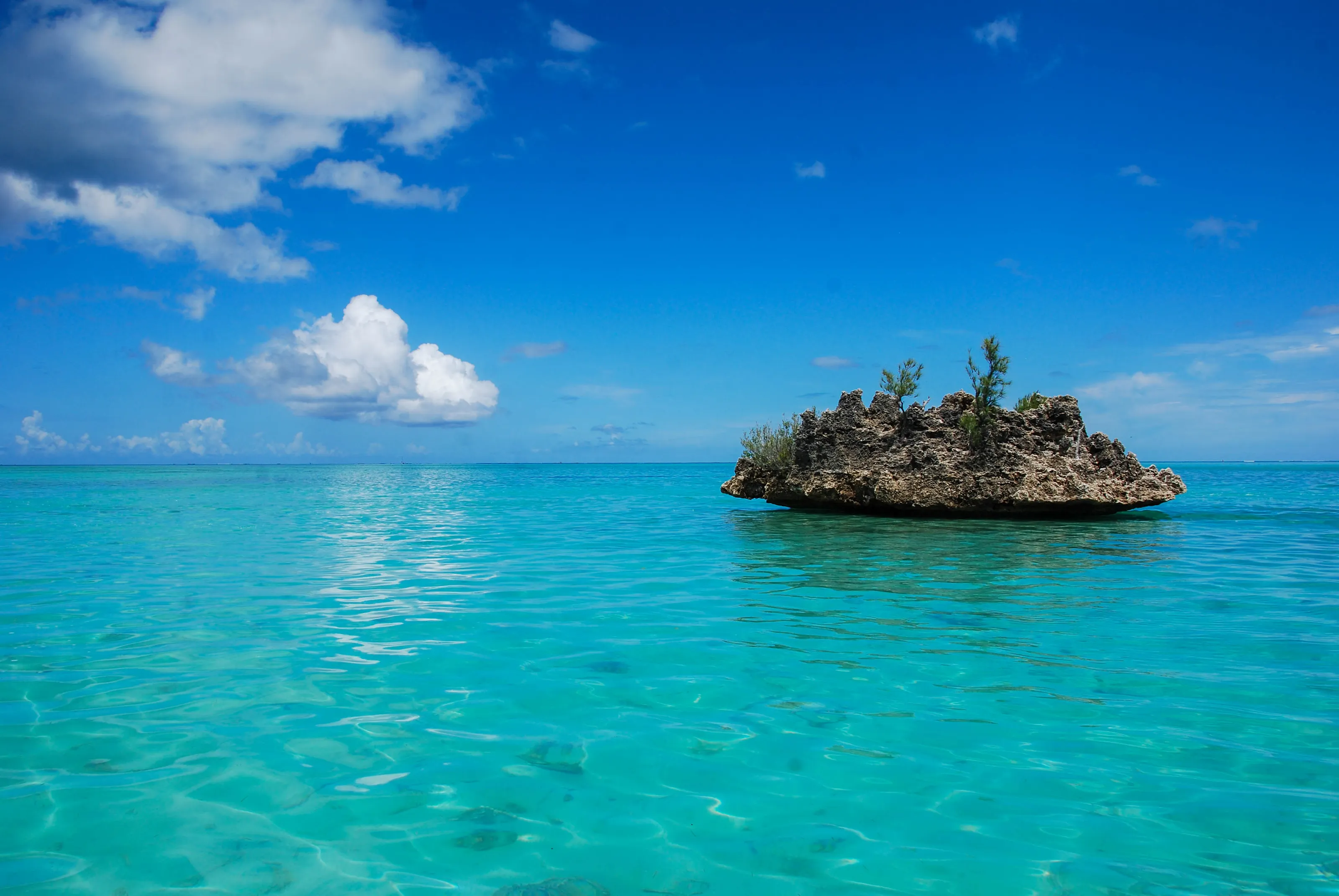
More than 150 km of white-sand beaches sit behind one of the world's largest barrier reefs. Lagoon water stays between 22 and 27°C, so swimming, snorkelling and diving work all year.
Home of the dodo
The dodo vanished within about 100 years of the first humans arriving, and more than 100 plant and animal species have been lost since. Mauritius still has rare endemic life, mainly in Black River Gorges National Park.
A mix of cultures
People of Indian, African, Chinese and European descent share the island, and Mauritius is the only African country where Hinduism is the main religion. Festivals from four traditions fill the calendar.
Two UNESCO sites
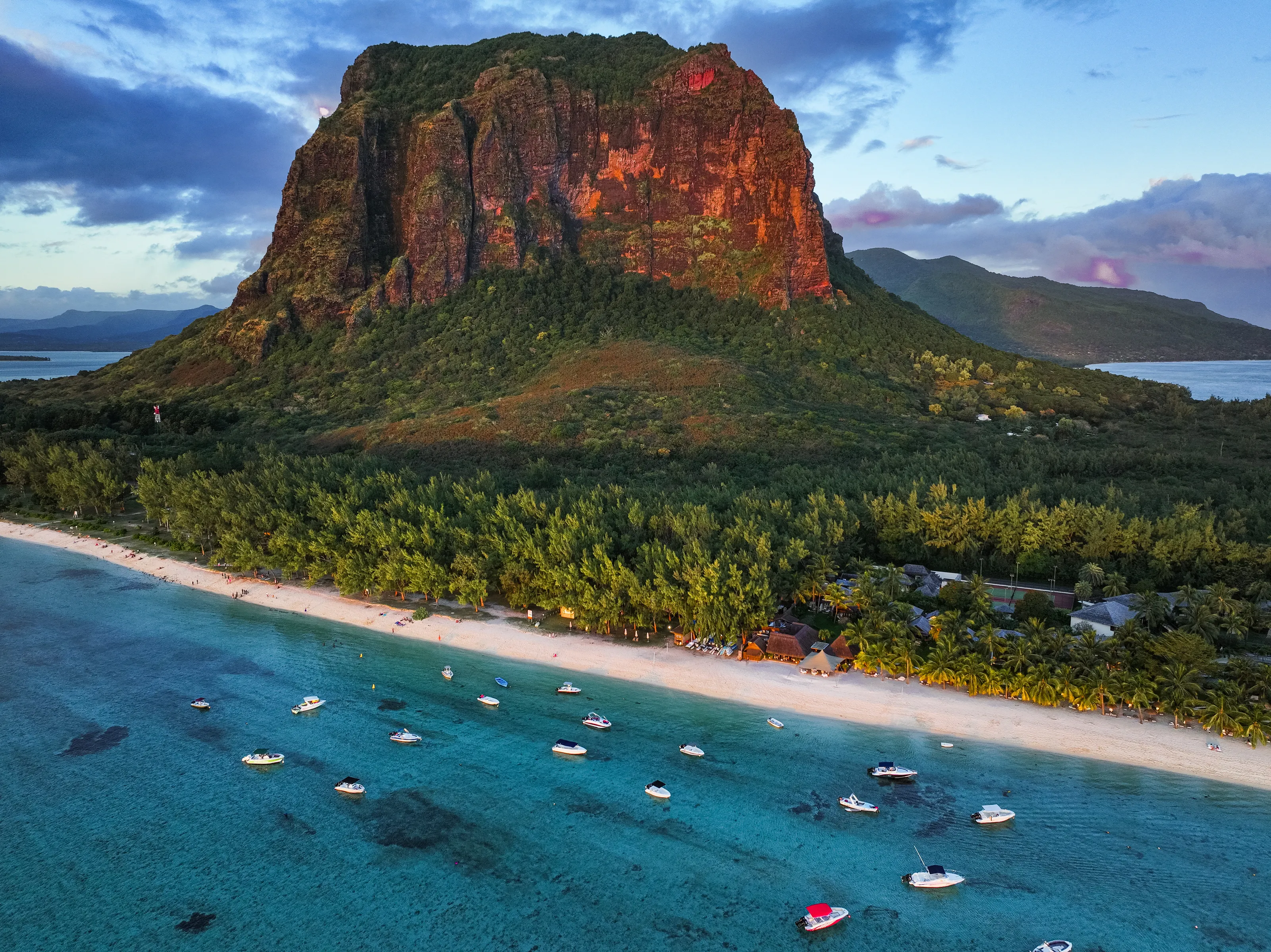
Aapravasi Ghat and the Le Morne Cultural Landscape are both World Heritage sites, linked to the island's history of slavery and indentured labour.
Mauritius in numbers
Capital
Port Louis
Population
~1.26M
Area
2,040 km²
Currency
Mauritian rupee
Language
English, French, Creole
UNESCO sites
2
Continent
Africa
Time zone
UTC+4
Airports covered
1
Where to go
North, west, south-east and the green interior
The island is small enough to cross in an hour or two but every coast feels different: the north is lively, the west is sunniest, the east is windier and the south-east quieter.
The north: Grand Bay, Trou aux Biches and Pamplemousses
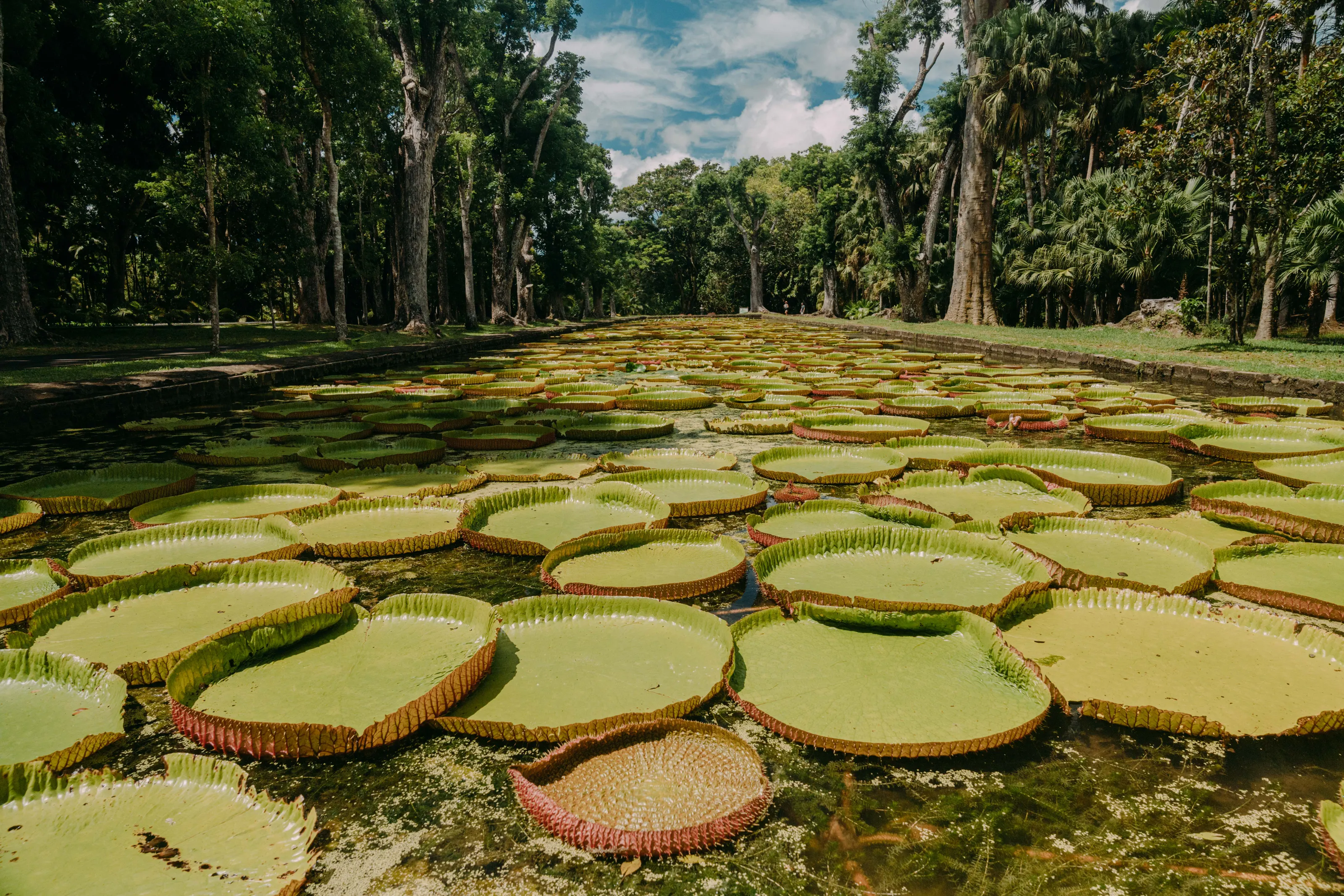
Grand Bay was the first area to feel the tourist boom and is where Mauritians go for a night out. Trou aux Biches won World's Best Beach at the 2011 World Travel Awards, Mont Choisy is a 2 km stretch of white sand and Pereybere is a small cove with shops and restaurants. The Pamplemousses botanical garden, founded in 1770 by Pierre Poivre, is the oldest in the Southern Hemisphere.
The west: Flic en Flac, Tamarin and Le Morne
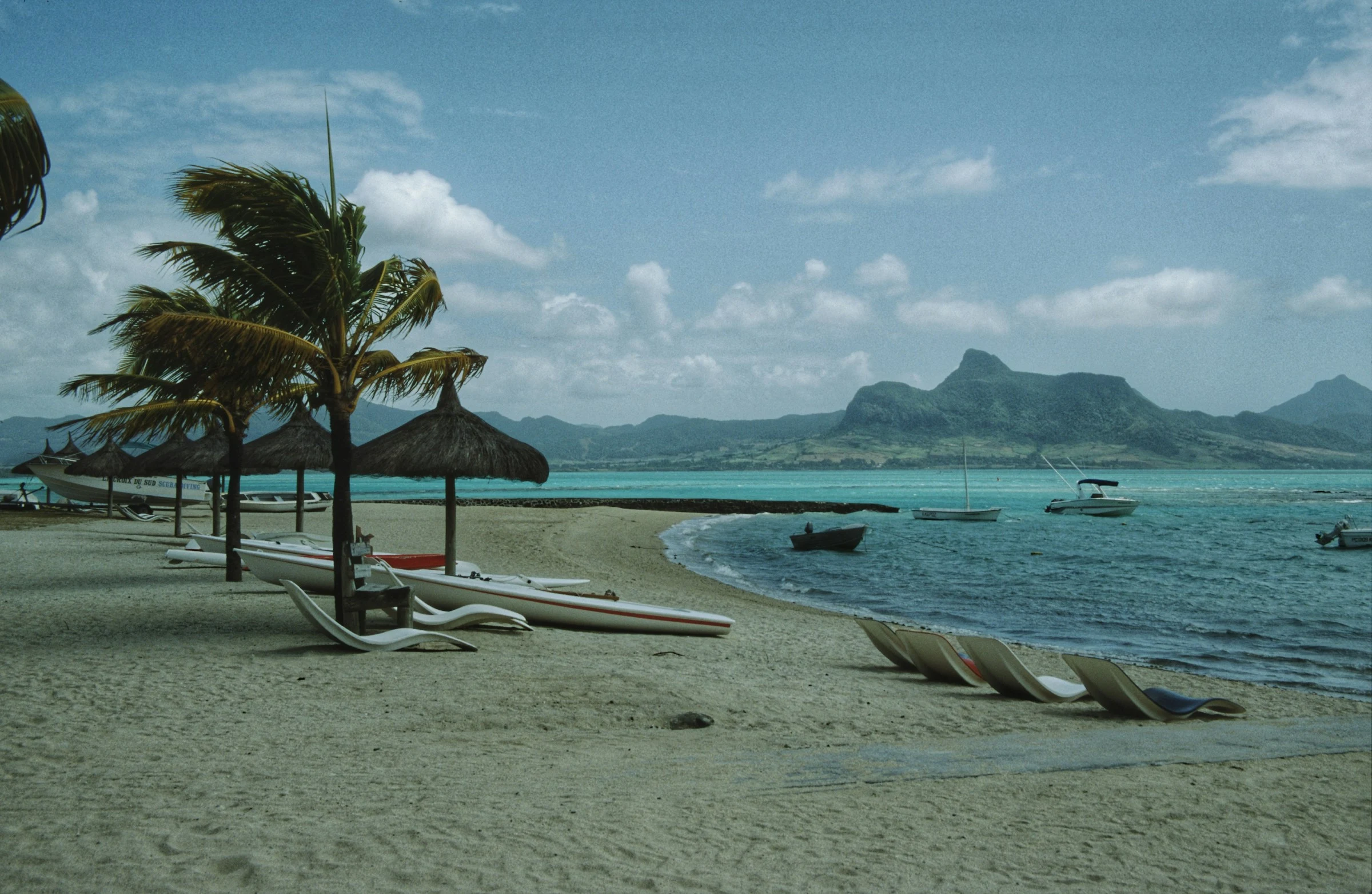
Flic en Flac has a very long beach and diving close to shore. Tamarin has surf and a resident pod of dolphins. Le Morne, the UNESCO-listed peninsula, is Mauritius's kitesurfing capital on its lagoon.
Chamarel and Black River Gorges
The Seven Coloured Earths near Chamarel are dunes of contrasting shades produced by eroded volcanic ash, next to a waterfall of roughly 100 m. The Black River Gorges National Park covers 6,794 ha of forest and holds the island's highest peak, with trails to viewpoints and endemic birds.
South-east and the islets
Mahebourg is a fishing village with a big Monday market, and Blue Bay has a marine park and some of the island's bluest water. Boats leave Trou d'Eau Douce for Ile aux Cerfs on the east coast, and catamarans run to Flat Island and Gabriel Island in the north.
Port Louis and the sacred lake
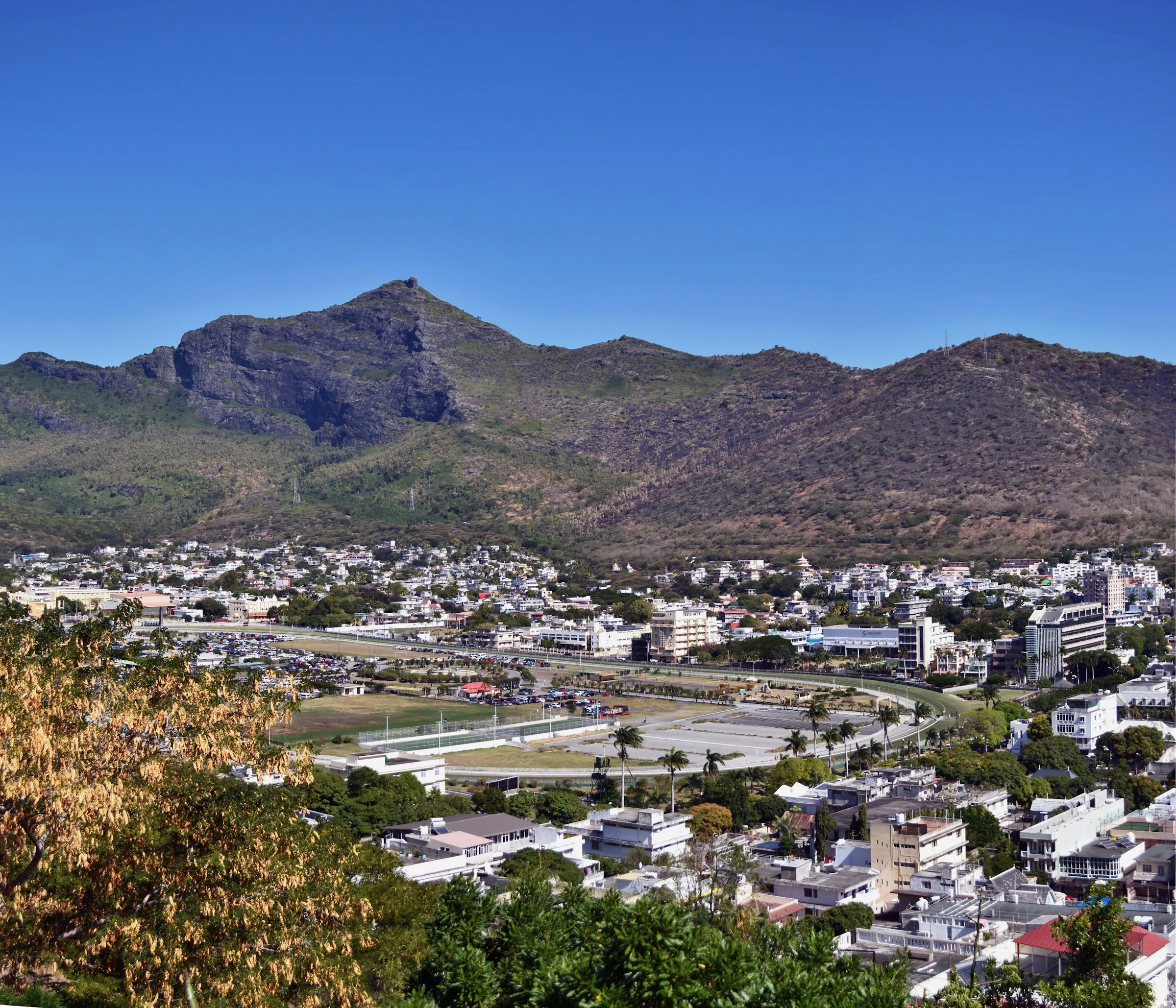
Port Louis combines markets, museums and the Champ de Mars, the oldest racecourse in the Southern Hemisphere (founded 1812). Inland, Grand Bassin (Ganga Talao) in a crater is the most important Hindu pilgrimage site.
Before you go
When to visit Mauritius
| Region | Climate | Best time to visit |
|---|---|---|
| West coast | Hottest and driest part of the island. | April to June, September to November |
| East coast | Windiest and wettest, with the trade winds. | September to November |
| North (Grand Bay) | Warm, with a calm lagoon and lively evenings. | April to June, September to November |
| Central plateau | Much cooler and wetter than the coast. | Outside the wetter summer months |
Shoulder months are the most comfortable. December to February are hottest, June to August coolest and October driest. Cyclones are uncommon and most likely between late December and March.
Food and drink
Dholl puri, briani and smoked marlin
Mauritian food is Creole: Indian, Chinese, African and French influences on one plate. Dholl puri, briani, mine frites (fried noodles), rougaille and chicken curry are everyday staples, and the island is proud of its fish, from smoked marlin to lobster.
Local drinks include rum, with distilleries to visit at Chamarel and L'Aventure du Sucre, and the milk-based alouda. Sega music sung in Creole to the beat of the ravanne drum is the traditional sound.
Getting around
Buses, express routes and driving on the left
Buses cover most routes, an express bus links Grand Baie to Port Louis every 30 minutes, and a metro line has run since 2019. Renting a car is convenient for the interior, with driving on the left. Ferries link Mauritius with La Reunion and Madagascar, and cruise ships call regularly.
Flying to Mauritius
The Mauritian airport covered by SniperAir
Sir Seewoosagur Ramgoolam (Mauritius)
The island's only international airport, at Plaine Magnien in the south-east, between 35 and 48 km from Port Louis depending on the source. Home base of Air Mauritius, it serves Africa, Asia, Australia and Europe.
FAQ
Frequently asked questions about Mauritius
Which airport do I fly into for Mauritius?
Sir Seewoosagur Ramgoolam International (MRU) at Plaine Magnien is the only international airport. Allow for a transfer afterwards, since the north coast is at the opposite end of the island.
When is the best time to visit Mauritius?
April to June and September to November are the most comfortable. December and January are hot, humid and busy, and the cyclone risk is greatest from late December to March.
Is Mauritius expensive?
It is a resort destination with plenty of luxury hotels, but guesthouses, bungalows and apartments are growing in number. Well-timed flights make the biggest difference to the budget.
Do I need a visa for Mauritius?
Many nationalities can enter without a visa in advance for a short stay. An online arrival form has been required in recent years, so check the current rules and your government's official travel advice before booking.
How long should I stay in Mauritius?
A week to ten days lets you combine beaches, the interior and an islet or two. The island is small, so changing coast during the stay pays off.
What health precautions should I take?
Ask your doctor or a travel clinic before departure, and keep valuables close in Port Louis, where pickpockets operate.
How do I get alerted when flights to Mauritius drop in price?
Create a SniperAir alert profile with your departure airport and Mauritius (MRU) as the destination. We track prices and notify you when an opportunity matches. See how it works.
Ready to track prices to Mauritius?
Create an alert and let SniperAir do the rest.
Create my alert