Travel to the Comoros
Three volcanic islands between Madagascar and Mozambique: the Comoros, the archipelago of the Moon and of perfumes, hold an active volcano, crater lakes, old medinas and beaches with almost no tourists. This is a simple, authentic trip rather than a resort stay. Here is what to know before you look for cheap flights to the Comoros.
The Comoros in numbers
Capital
Moroni
Population
About 900,000
Area
~1,660 km²
Currency
Comorian franc
Language
Comorian, French, Arabic
UNESCO sites
1
Continent
Africa
Time zone
UTC+3
Airports covered
1
Why visit the Comoros
Volcano, perfumes and turquoise water across three islands
An active volcano to climb
Mount Karthala, on Grande Comore, rises to about 2,360 metres and is visited with a guide: the trek leads to a large crater and takes several hours. It is one of the most active volcanoes in the world, and its last lava flow dates from 2005.
The perfume islands
Vanilla, cloves and ylang-ylang made the archipelago's name; Omani sailors called them the Perfume Islands a thousand years ago. On Anjouan, plantations and markets spread their scents.
A preserved sea and marine life
White sand beaches, reefs, dolphins, green turtles and manta rays make a fine setting for snorkelling and diving, especially around Mohéli. The coelacanth, a fish thought extinct and rediscovered here in 1952, gave its name to a marine park.
Swahili and Arab culture
Medinas with narrow lanes, white mosques, arcaded architecture and cooking built on fish, cassava and spices: the Comoros blend Africa, the Arab world and the Indian Ocean. The welcome and the pace of life are another asset of the trip.
Where to go
Grande Comore, Anjouan, Mohéli and their beaches
Most trips begin in Moroni, on Grande Comore, then add Mohéli for nature or Anjouan for its landscapes and medinas. Islands are linked by air or by boat, so leave flexibility in your schedule. To extend south, see also our Madagascar page, a neighbour of the archipelago.
Grande Comore: Moroni, Karthala and Lac Salé
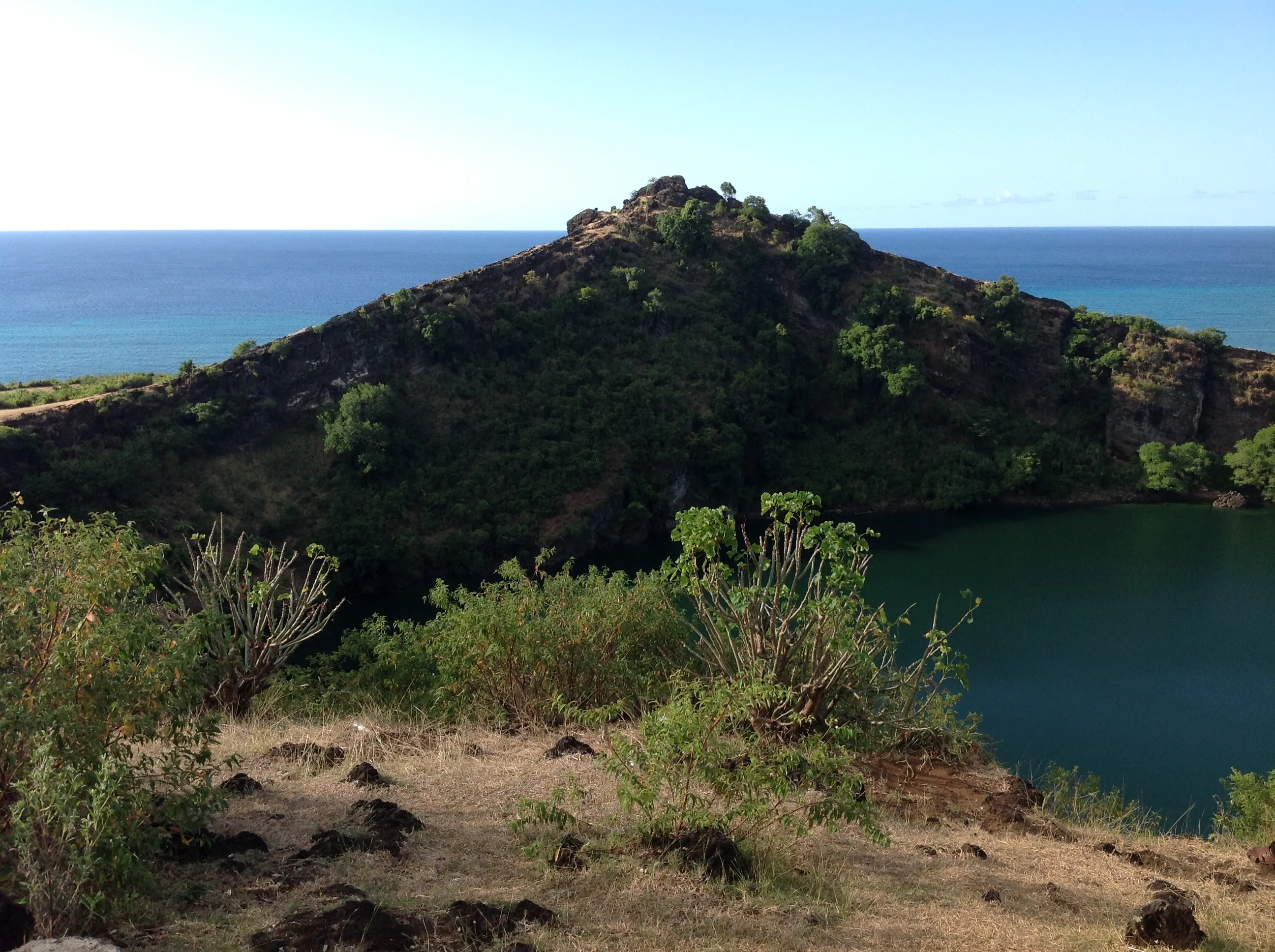
Moroni, the capital, has a medina, an old Friday mosque, the Volo Volo market and a lively waterfront. In the north, near Mitsamiouli, Lac Salé fills a crater beside the beach, with a trail to the rocks above it; nearby Maloudja beach is cited among the loveliest. In the south, Karthala draws hikers.
Anjouan, the perfume island
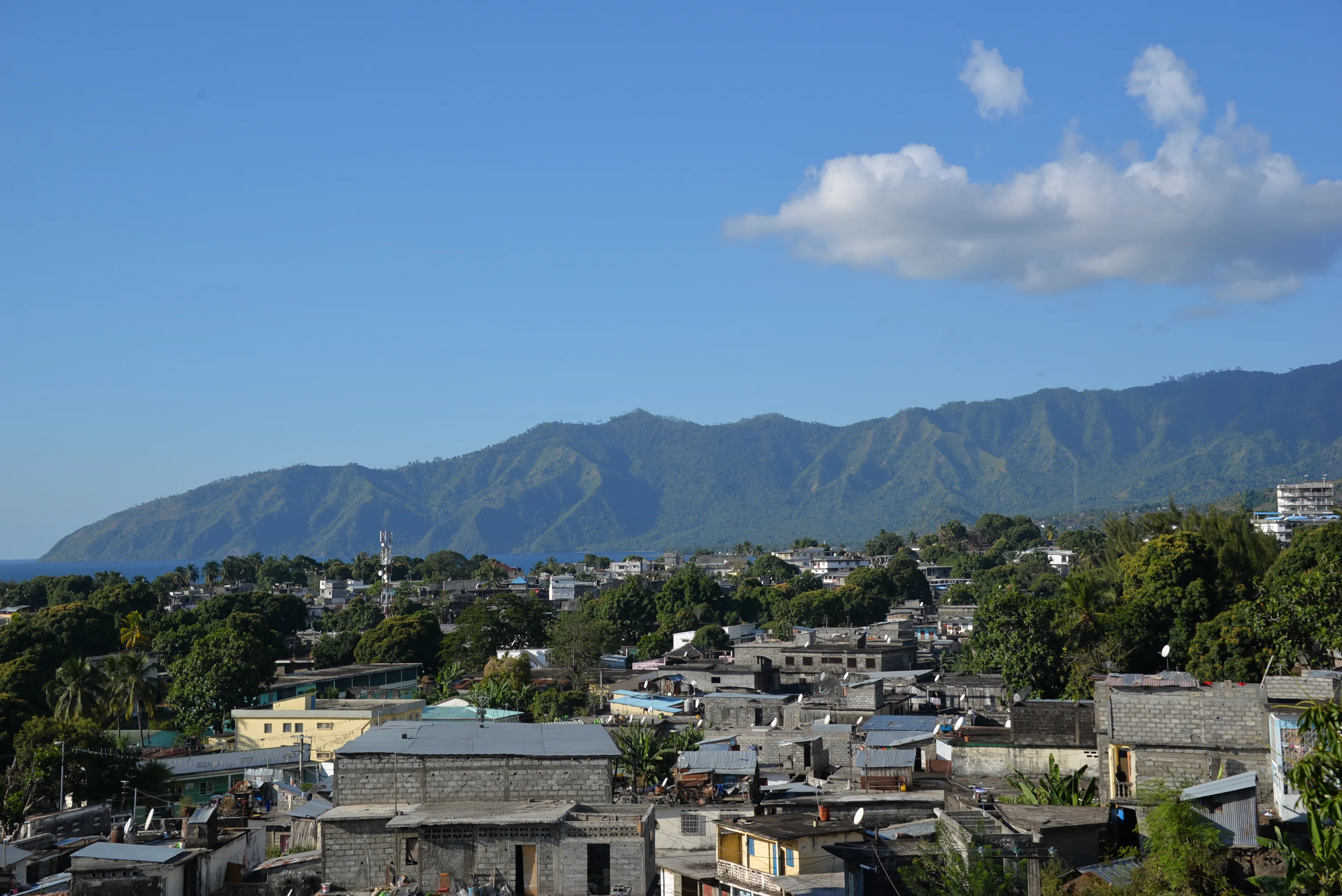
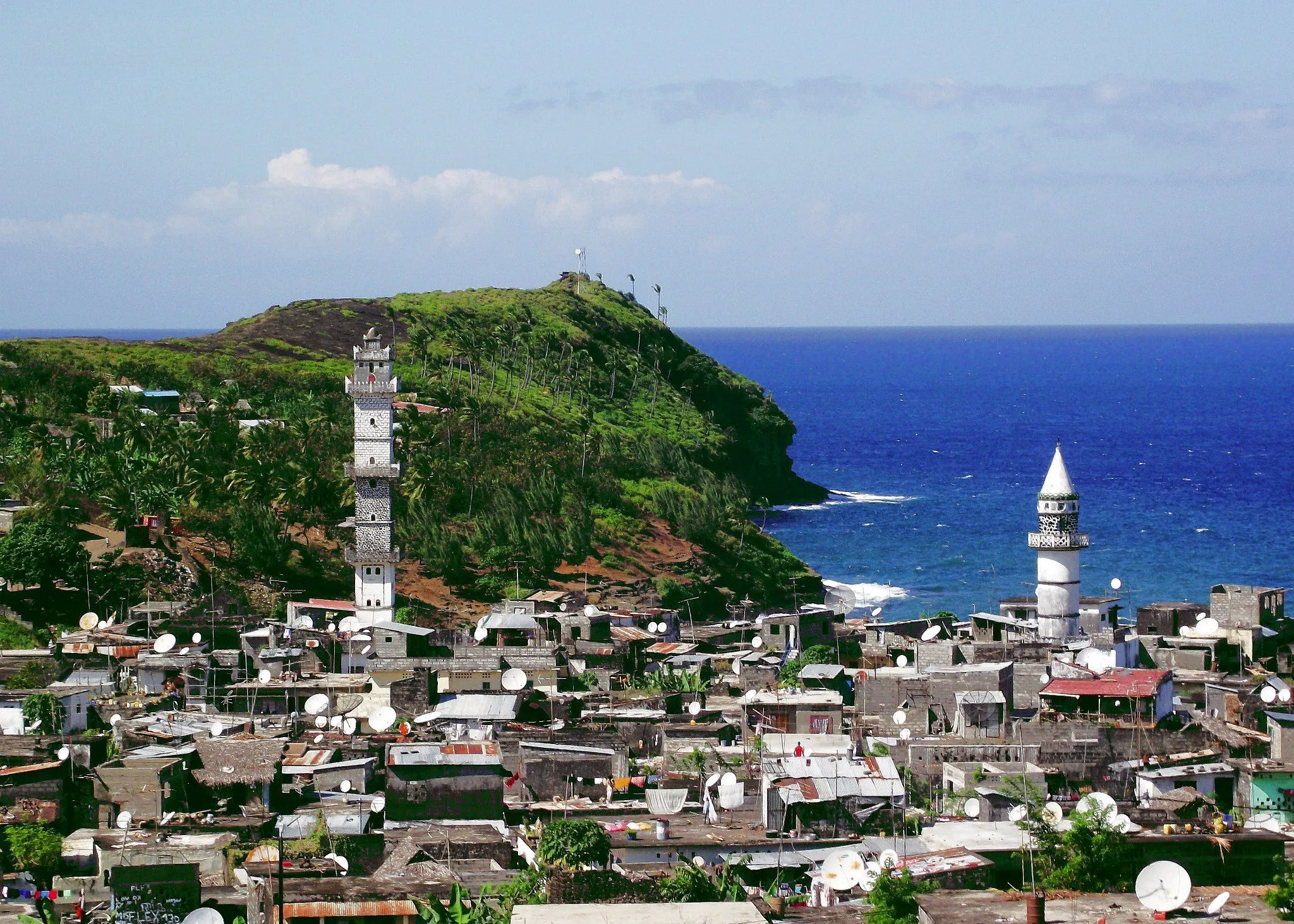
Anjouan is the most mountainous island: green ridges, waterfalls, ylang-ylang and vanilla plantations. Mutsamudu, its main port, is overlooked by its citadel and old town, where white minarets stand out against the ocean. You get around by shared taxi or with a driver, and village markets show daily life.
Mohéli, nature and turtles
Mohéli is the smallest and wildest of the three islands. Its marine park, created in 1999, protects green turtles that come to nest on the beaches, and Livingstone's fruit bats, large frugivorous bats, still live there. At Nioumachoua you can look for manta rays and explore small islets.
Beaches, islets and marine life
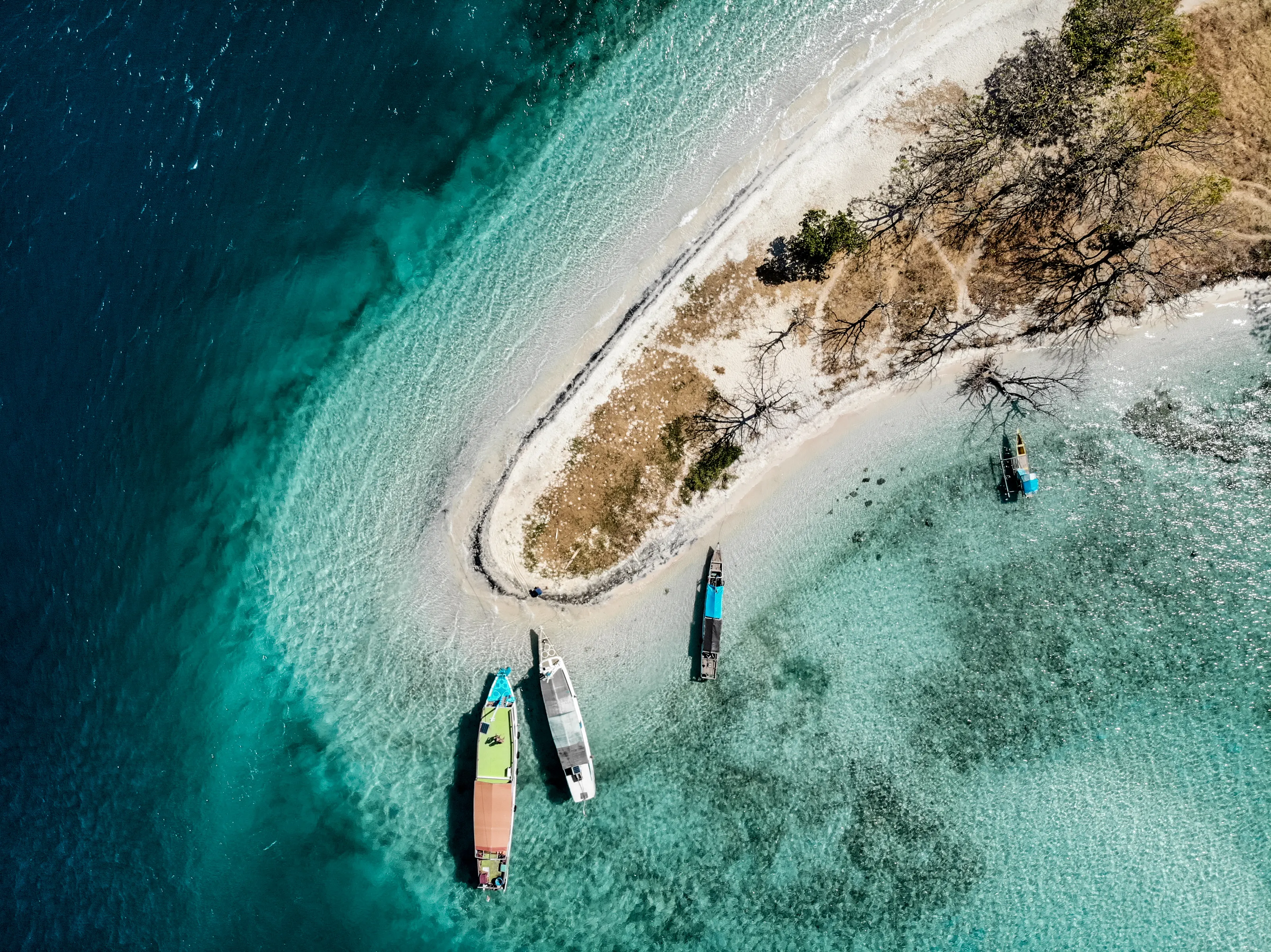
On the north coast of Grande Comore, Maloudja, Ndroude and Chomoni offer pale sand and turquoise water, sometimes with nobody around. Turtle Island, reachable at low tide depending on the period, and the Dragon's Tail peninsula near Ivoini complete the scene. Off Itsandra and Hahaya you can swim with dolphins.
Before you go
A cooler dry season from May to November
| Region | Climate | Best time to visit |
|---|---|---|
| Grande Comore and Moroni | Hot all year, about 27 to 31 C by day. Humid season November to April, cooler at altitude. | May to November |
| Karthala and the mountains | Cool and misty at altitude, paths slippery after rain. Start very early for hikes. | May to October |
| Anjouan | Wetter and greener, with waterfalls full in the rainy season. Roads can be slippery. | May to November |
| Mohéli and diving | Warm sea, good visibility in the dry season. Turtle nesting periods vary by year, check locally. | May to November |
Temperatures vary little, with days around 27 to 31 C. The cooler dry season runs from May to November, and the hot, humid season from November or December to April, with a cyclone risk. Flight connections are limited, so keep an eye on flight prices before fixing your dates.
Getting around
Shared taxis, inter-island flights and boats
On Grande Comore, cheap shared taxis and bush taxis link the villages, and a road runs around the coast. You can circle the island in a day. On Mohéli, roads are narrow and rough and taxis rare: plan for a driver or a guesthouse that arranges transfers.
Between islands, short flights link Moroni, Anjouan and Mohéli; boats also exist, slower and of very uneven quality. French is widely understood, English much less. Tourist infrastructure is simple, so this is a trip to organise with a margin of flexibility.
Food and culture
Fish, cassava, grilled chicken and fruit juices
Cooking rests on fish and seafood, cassava, banana, breadfruit and rice. After dark, mabawa vendors, selling marinated grilled chicken wings, set up around Volo Volo market. You can also try pounded cassava leaves, fish sambusas and grilled corn.
Tamarind, guava and pineapple juices are very popular. Tap water is not safe to drink, so choose bottled water. Vanilla, cloves and ylang-ylang oil are the usual souvenirs, and as the country is mostly Muslim, alcohol is discreet.
Flying to the Comoros
The Comoros airport tracked by SniperAir
Prince Said Ibrahim International
The country's international airport, at Hahaya, north of Moroni. It is the gateway to Grande Comore, with connections via African hubs or Réunion that change with the seasons.
FAQ
Frequently asked questions about the Comoros
Which airport should I fly into for the Comoros?
Prince Said Ibrahim International (HAH), at Hahaya north of Moroni, is the main entry point. The other islands are then reached by domestic flight or by boat.
When is the best time to visit the Comoros?
The cooler dry season, May to November, is the most pleasant for beaches, hiking and diving. From November to April it is hot and humid, with a cyclone risk.
Is it expensive to travel to the Comoros?
The archipelago is isolated and prices tend to be higher than elsewhere in East Africa, especially for the flight and quality accommodation. Local meals and shared transport stay modest. Watching flight prices helps keep the total down.
Do I need a visa for the Comoros?
Entry rules depend on your nationality and change over time: a visa on arrival is often possible, and a passport valid for several months is generally required. Check official sources and your government's travel advice before booking.
How long should I spend in the Comoros?
Plan a week for Grande Comore and one other island, and ten days if you add Mohéli and Anjouan. As connections are limited, leave a margin between stages.
Can I travel with confidence in the Comoros?
Check your government's travel advice before leaving and stay flexible. Malaria is present, so talk to a doctor, and take insurance that covers medical evacuation. The country is mostly Muslim, so dress and behave discreetly.
How do I get alerted when flights to the Comoros drop in price?
Create a SniperAir alert profile with your departure airport and Moroni as the destination. We track prices and notify you as soon as a matching opportunity appears. See how it works.
Ready to track prices to the Comoros?
Create an alert and let SniperAir do the rest.
Create my alert