
Travel to Lebanon
Giant Roman columns, a Phoenician port town thousands of years old, cedar forests, a cave with an underground river and tables laden with mezze, all in a small country where the mountains drop into the Mediterranean: plenty to dream about before you look for cheap flights to Lebanon.
Lebanon at a glance
Capital
Beirut
Area
About 10,450 km²
Currency
Lebanese pound
Languages
Arabic
Highest point
Over 3,000 m
Heritage
UNESCO sites
Continent
Asia
Time zone
UTC+2
Airports covered
1
Why visit Lebanon
Phoenician ports, Roman temples, cedars and a famous table
Land of the Phoenicians
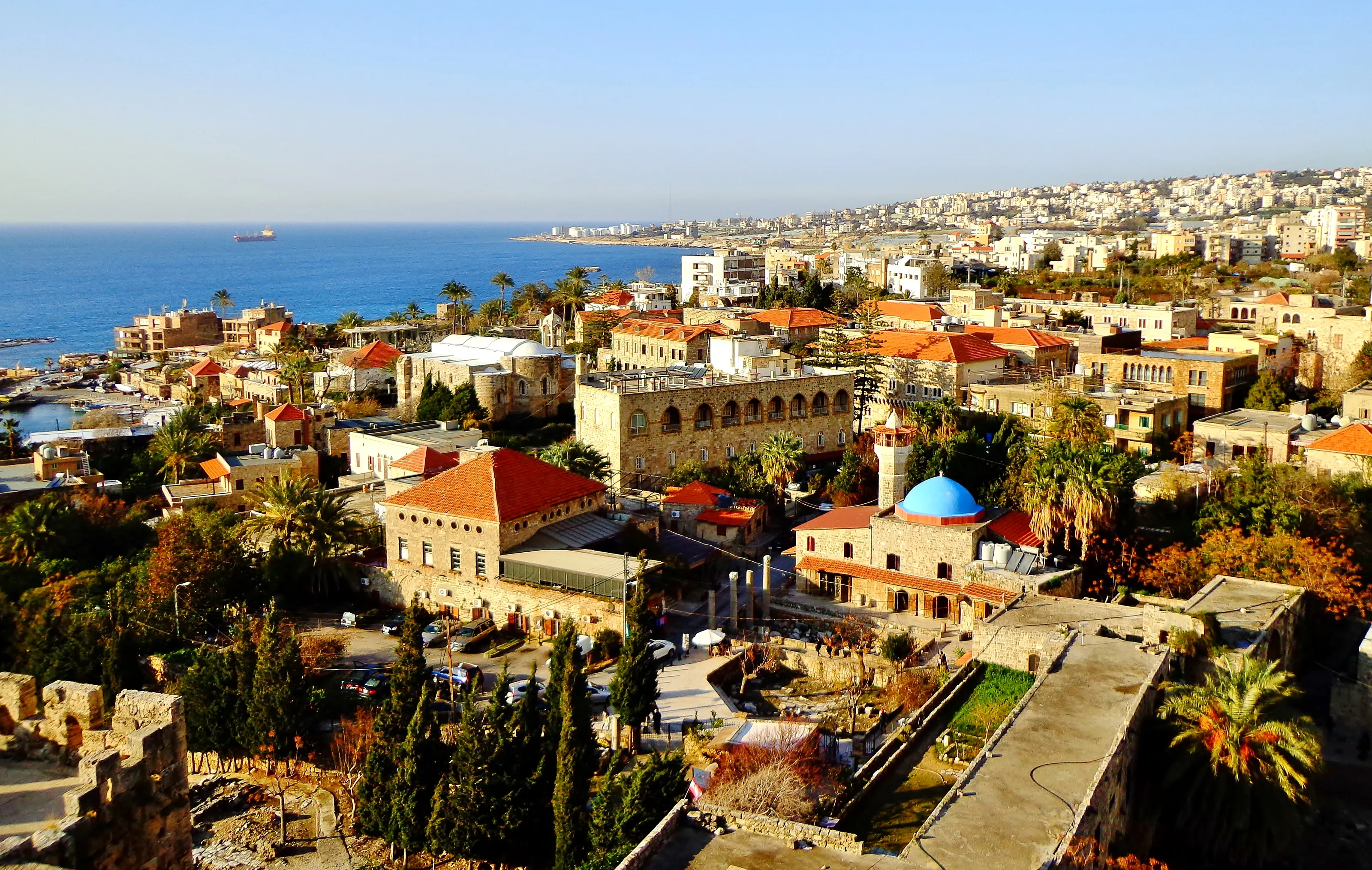
Byblos, Sidon and Tyre were the great ports of this seafaring people. Byblos, inhabited for thousands of years, gave the book its name: the Greek word byblos meant papyrus, and from it we get Bible.
Ruins that stop you in your tracks
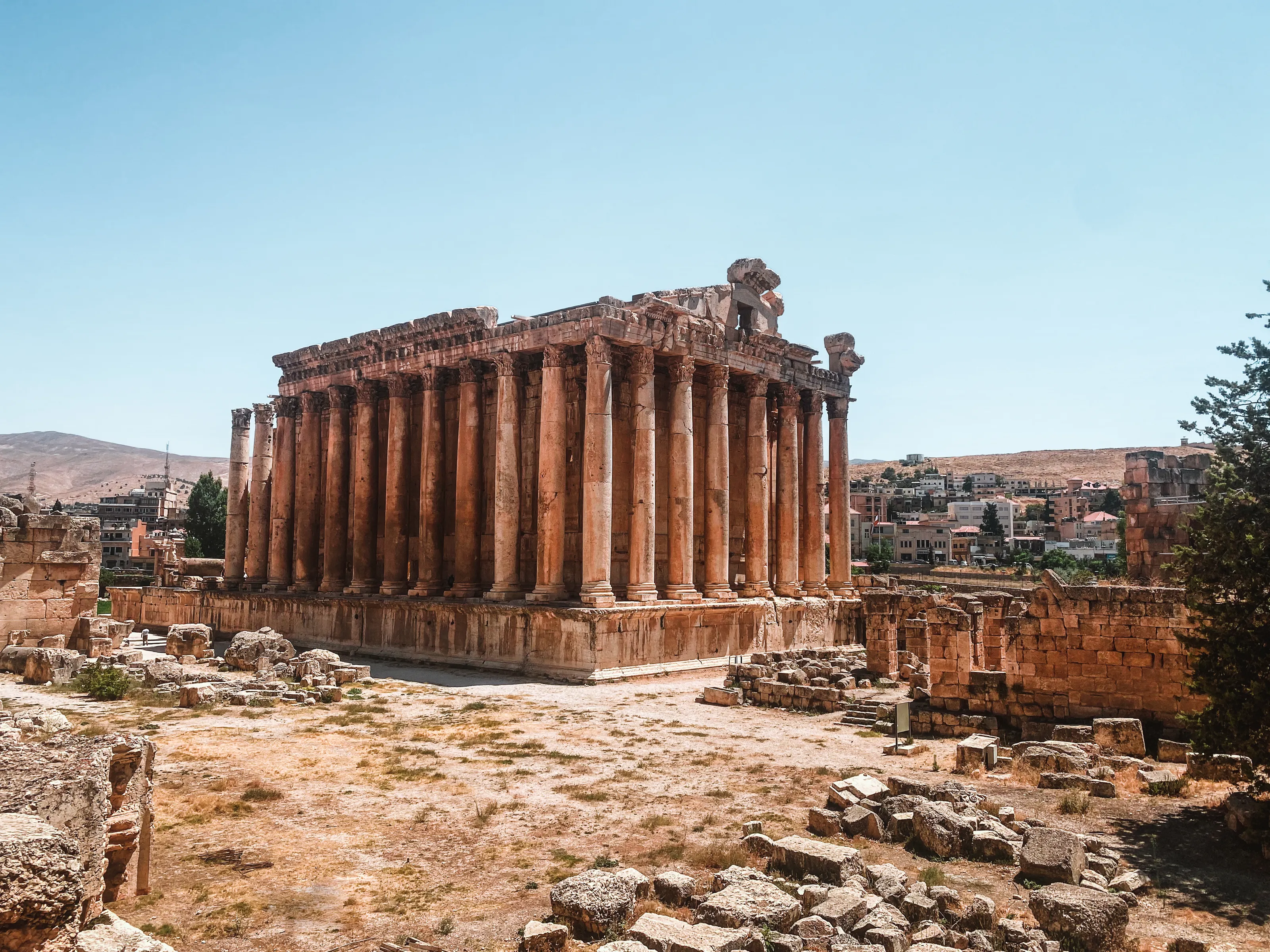
At Baalbek the six giant columns of the Temple of Jupiter stand beside the Temple of Bacchus, among the best preserved Roman temples anywhere. Anjar, Tyre and Byblos add to an unusually rich UNESCO list.
From the sea to the cedars
Within a few hours' drive you can go from the Beirut seafront to mountain villages, from the caves of Jeita to the cedar grove of Bsharri and the monastery-studded Qadisha Valley.
A cuisine worth the flight
Hummus, fattoush, kibbeh, grills, hot flatbread, arak and wines from the Beqaa: mezze is a way of life and the reason many people travel here.
Highlights
Byblos, Baalbek, Raouche, Jounieh and the cedars
Lebanon is best explored as a star: many travellers base themselves on the coast around Beirut, then fan out to the sea, the mountains and the Beqaa valley. Here are the stops that fill a week or two.
Byblos, the town that gave the Bible its name
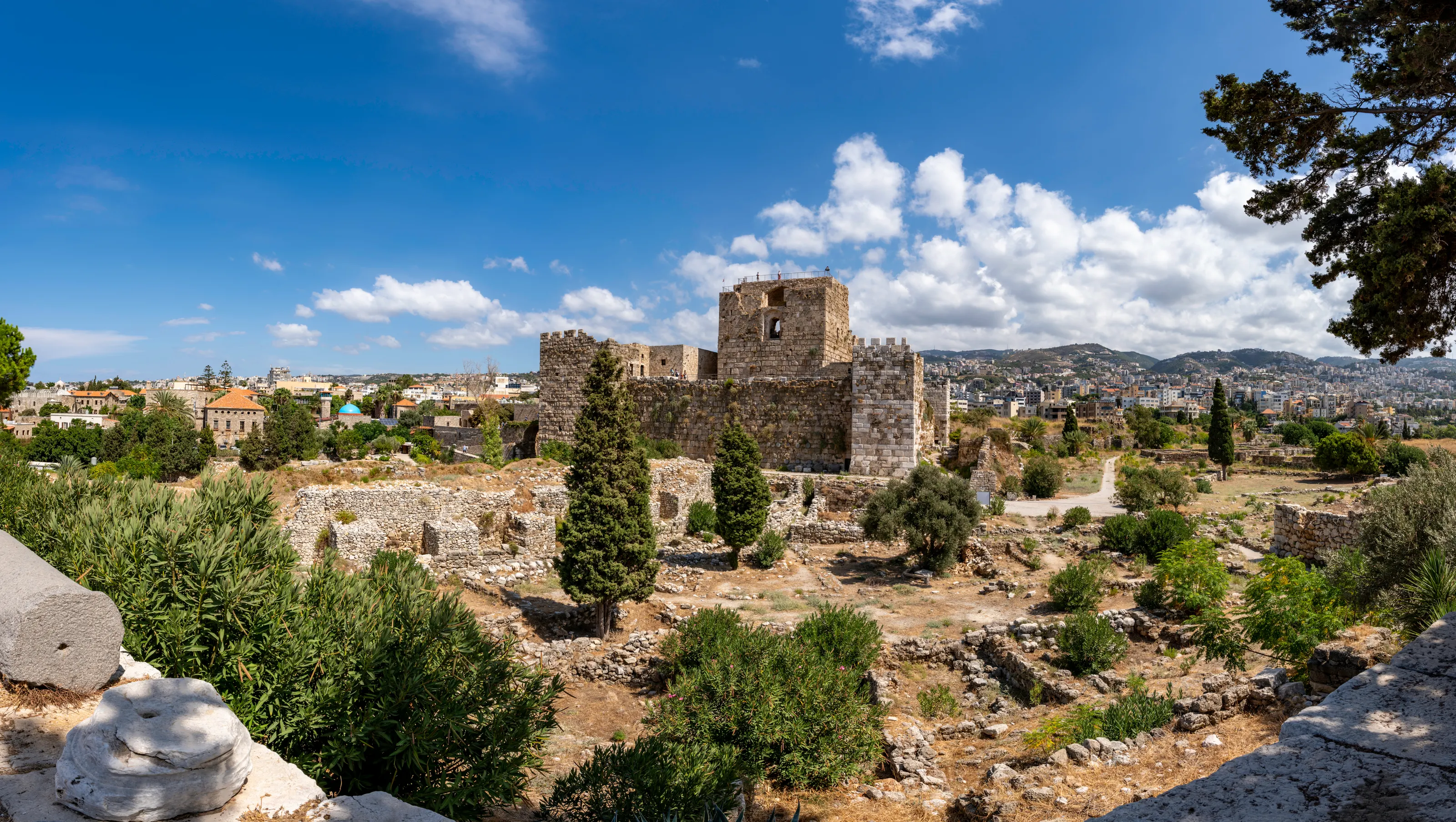
Perched above a small fishing harbour, Byblos combines a 12th-century Crusader castle, Roman and Phoenician remains and stone lanes lined with shops. People come for the archaeological site, a stroll along the waterfront and a seafood lunch with the sunset in front of them.
Baalbek, the Roman temples of the Beqaa
At the foot of Mount Lebanon, in the Beqaa valley, Baalbek holds one of the largest Roman sanctuaries ever built: the six columns of the Temple of Jupiter, plus the temples of Bacchus and Venus, all UNESCO-listed since 1984. Further south, Anjar shows another side of the region, with the arcades of an Umayyad-era town and a lively Armenian community. Allow a full day from Beirut.
Beirut and the Raouche Rocks
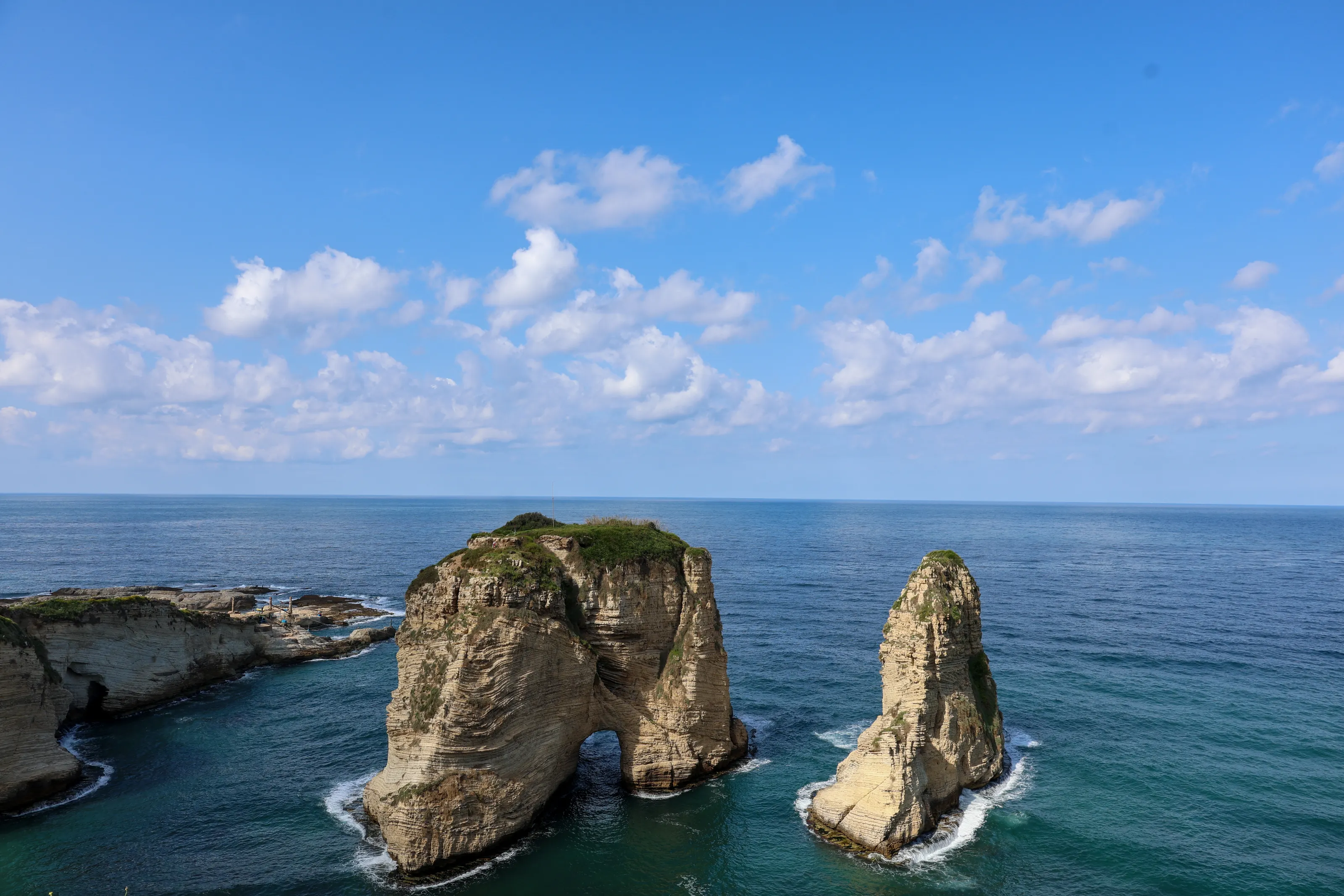
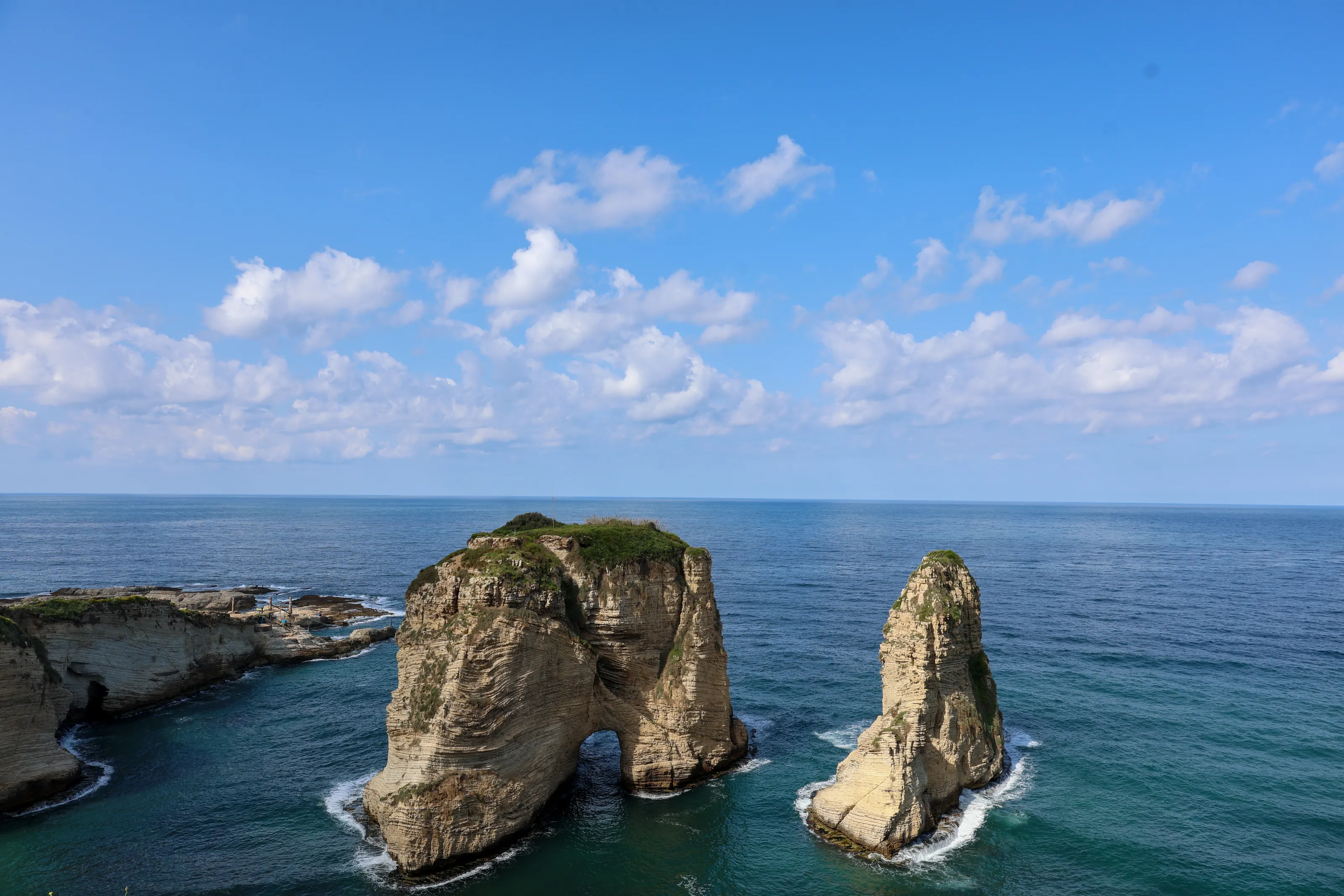
Along the Beirut corniche, the Raouche Rocks rise out of the sea, one of them pierced by a natural arch. It is where locals walk at sunset. The capital itself offers museums, galleries, cafes, old quarters and nightlife; give it at least two days to feel its mood.
Jounieh and Harissa: a bay, a cable car and a view
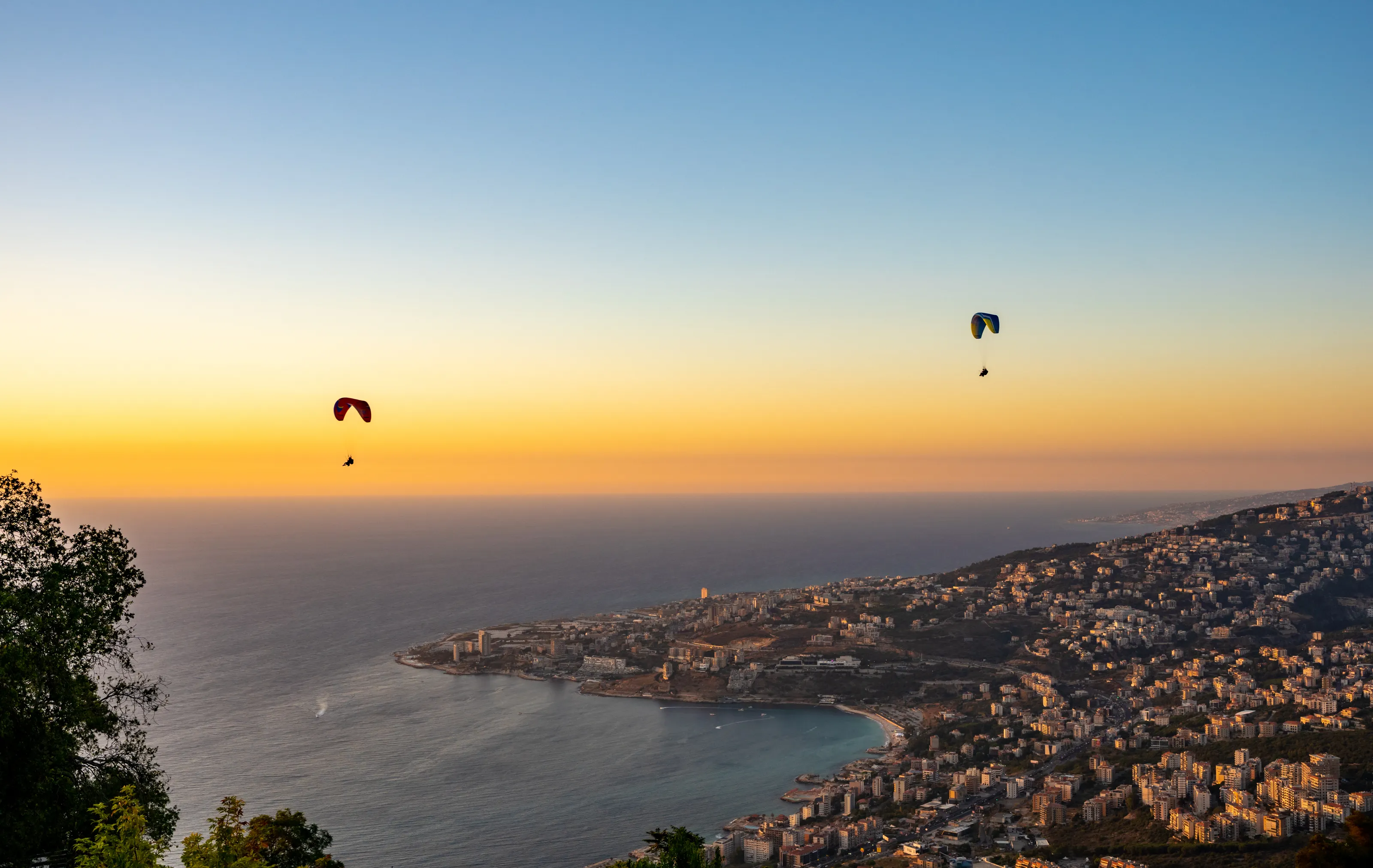
About twenty kilometres north of Beirut, Jounieh curves around a four-kilometre bay. A cable car climbs to Harissa, where the statue of Our Lady of Lebanon overlooks the coast. The view, especially late in the day, is among the finest in the country, and paragliders trace slow arcs above the water.
The Cedars, Qadisha, Jeita, Tripoli and Sidon
In the north, the Cedars of God grove near Bsharri and the Qadisha Valley, the holy valley with monasteries clinging to its cliffs, make a rare mountain landscape. Closer to Beirut, Jeita Grotto is explored by boat on an underground river, then on walkways through the upper galleries. On the coast, Tripoli and Sidon have kept their souks and citadels, and are good places for sweets and pastries.
Before you go
Spring and autumn for a bit of everything, winter for skiing
| Area | Climate | Best time |
|---|---|---|
| Coast (Beirut, Byblos, Jounieh) | Hot, humid summers and cool, rainy winters. | April to June, September to November |
| Mountains (cedars, Qadisha) | Cool in summer, snow on the summits in winter. | June to October for walking; December to March for snow |
| Beqaa (Baalbek, Anjar) | High plain: dry summers, cold winters. | April to June, September to October |
| Northern and southern coast (Tripoli, Sidon) | Mild Mediterranean climate in spring. | April to June, October to November |
Distances are short, but traffic and mountain roads slow journeys down, so keep some slack in your schedule. Entry requirements vary by nationality; check them before you book. Situations can change: consult your home country's official travel advice before any trip and follow it.
Getting around
Taxis, private drivers and day excursions
In Lebanon most visitors get around by taxi, by car with a driver or on organised day excursions. Distances are modest: Byblos, Jeita and Jounieh can be combined from Beirut in half a day, while Baalbek and Anjar need a full day.
Renting a car is possible, but driving is lively and mountain roads wind; a local driver also knows opening hours at the sites. In winter, ask about road conditions before heading up to the cedars.
Food and culture
Mezze, warm bread, arak and Beqaa wines
A Lebanese meal starts with mezze: hummus, moutabbal, tabbouleh, fattoush, stuffed vine leaves, kibbeh and fatayer, followed by grills. It is shared with flatbread, a glass of aniseed arak or a Beqaa wine, then syrupy pastries and coffee.
Lebanese culture lives in summer festivals, mountain villages, music and a strong sense of hospitality. Modest clothing is advised at places of worship.
Travel to Lebanon
The Lebanese airport covered by SniperAir
Beirut-Rafic Hariri
The country's only commercial airport, south of the capital and roughly ten kilometres from the centre: allow twenty to forty minutes by road depending on traffic. It is the gateway to all of Lebanon, from Byblos to Baalbek.
SniperAir destinations
Discover our destination pages
FAQ
Frequently asked questions about Lebanon
Which airport should I choose for Lebanon?
Beirut-Rafic Hariri (BEY) is the country's only commercial airport, and SniperAir tracks it. From there, Byblos, Jounieh and Jeita are half a day away, and Baalbek a day.
When is the best time to travel to Lebanon?
Spring (April to June) and early autumn (September to November) let you combine coast, ruins and walks. Summer is hot on the coast but pleasant in the mountains; winter suits skiing and snowy scenery.
Is travelling to Lebanon expensive?
The budget depends mostly on travel style: accommodation, restaurants and a driver can vary a lot. The flight is often the biggest cost, which is why following prices pays off.
Do I need a visa for Lebanon?
It depends on your nationality and the length of stay. Check entry requirements with the Lebanese authorities and on your home country's official website.
How long should I spend in Lebanon?
A week covers Beirut, Byblos, Jeita and Baalbek; ten days to two weeks add the cedars, the Qadisha Valley, Tripoli and the southern coast.
What should I know before I go?
Situations can change: consult your home country's official travel advice before any trip and follow it. Some areas may be advised against, so do not assume the whole country is equally accessible.
How do I get alerted when flights to Lebanon get cheaper?
Create a SniperAir alert profile with your departure airport and Beirut as your destination: we monitor prices and notify you as soon as an interesting deal appears. See how it works.
Ready to track prices to Lebanon?
Create an alert and let SniperAir do the rest.
Create my alert