
Travel to Zimbabwe
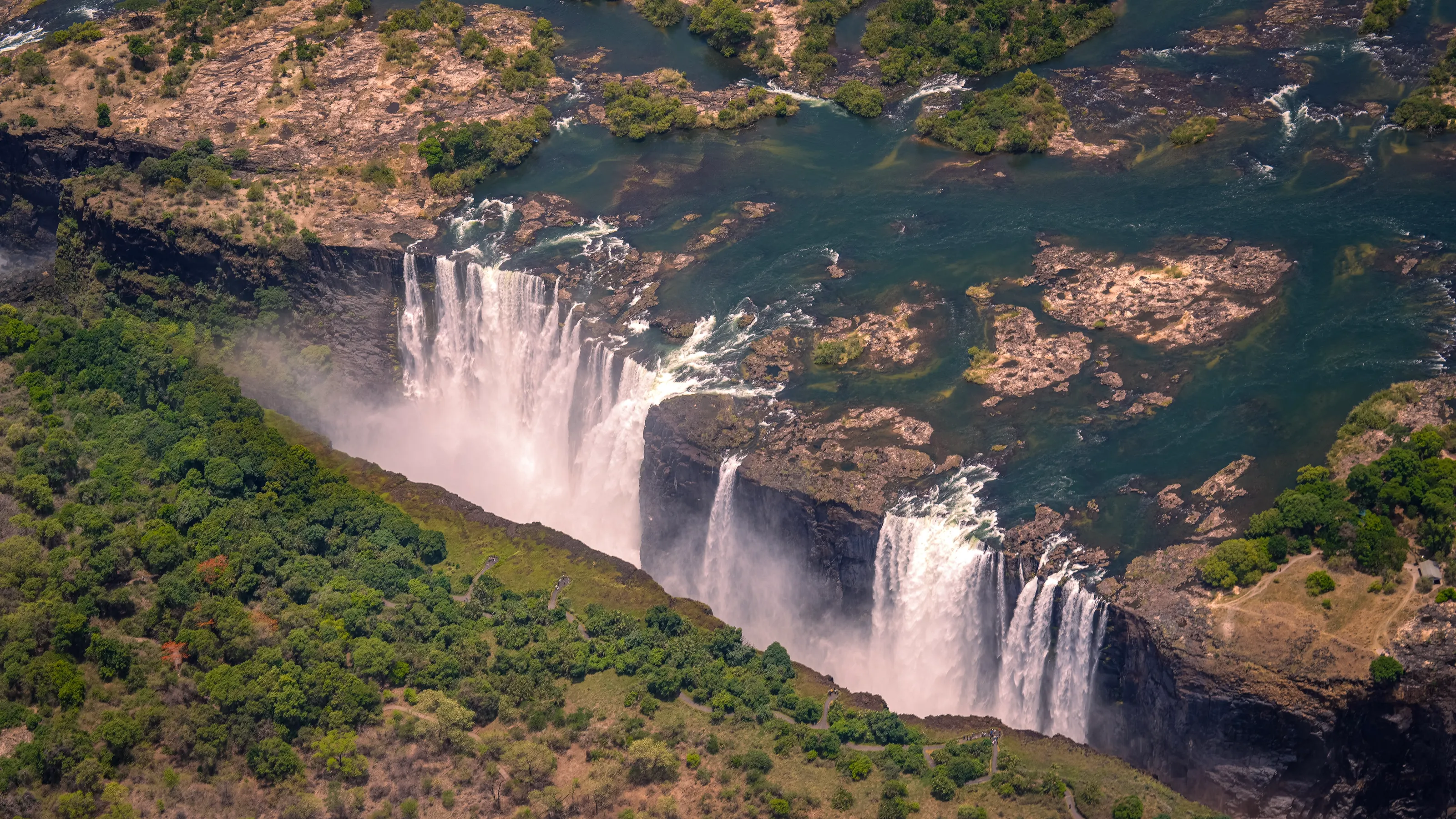
A curtain of water more than a kilometre wide dropping into a gorge, elephants wading across the Zambezi, balancing granite rocks and the ruins of a stone city that gave the country its name: Zimbabwe brings together unique places, from the Africa of safaris to the Africa of history. Here is what to know before you look for cheap flights to Zimbabwe.
Zimbabwe in numbers
Capital
Harare
Population
Over 14M
Area
~391,000 km²
Currency
Multi-currency
Language
English, Shona, Ndebele
UNESCO sites
5
Continent
Africa
Time zone
UTC+2
Airports covered
2
Why visit Zimbabwe
Giant falls, elephant parks and a stone city
Victoria Falls
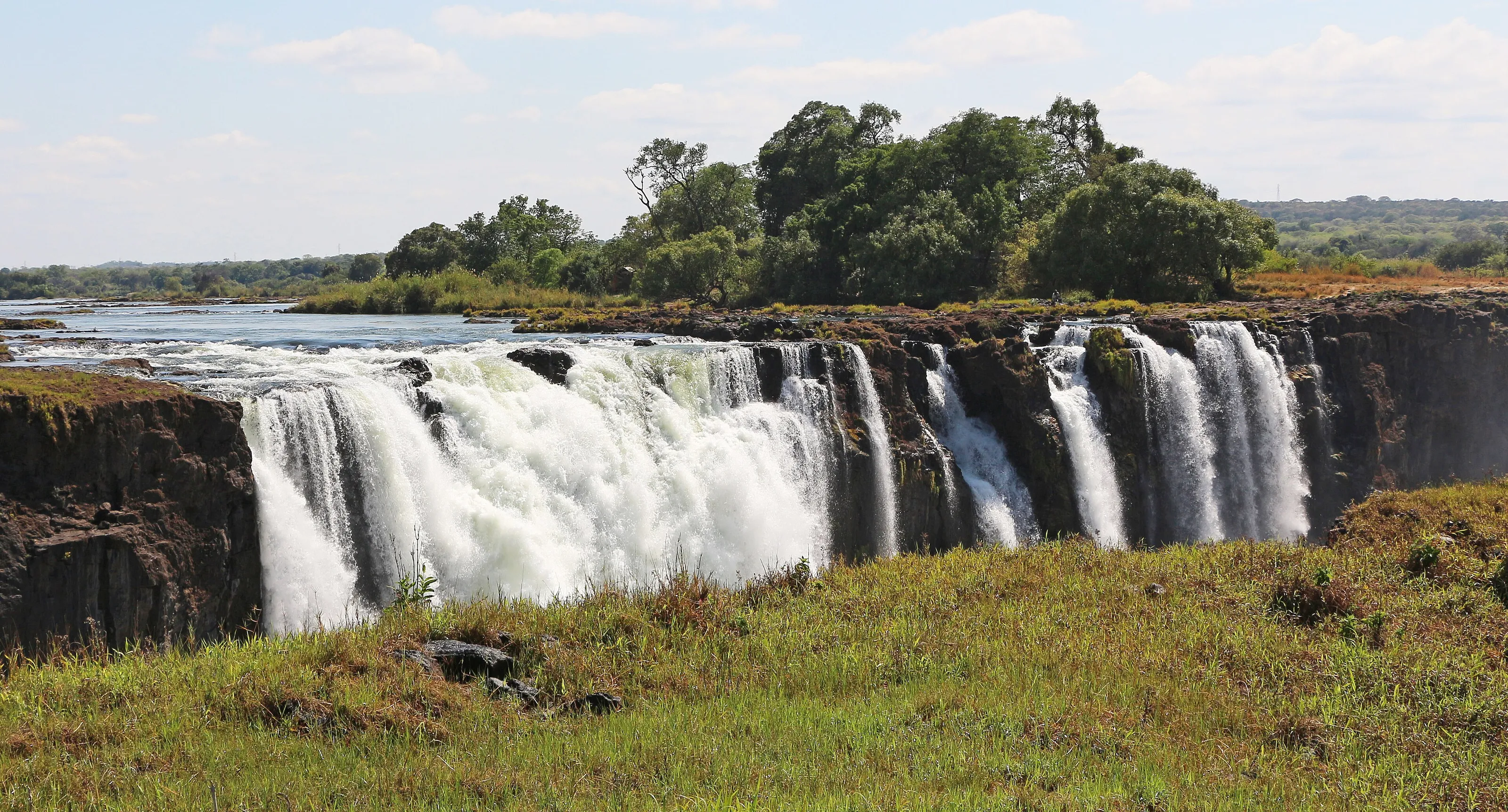
About 1.7 kilometres wide and roughly 108 metres high, the Zambezi's curtain of water can be seen head-on from the Zimbabwean side. You can walk along it, bungee off the bridge, raft the river below or fly over the gorge.
Walking and canoe safaris
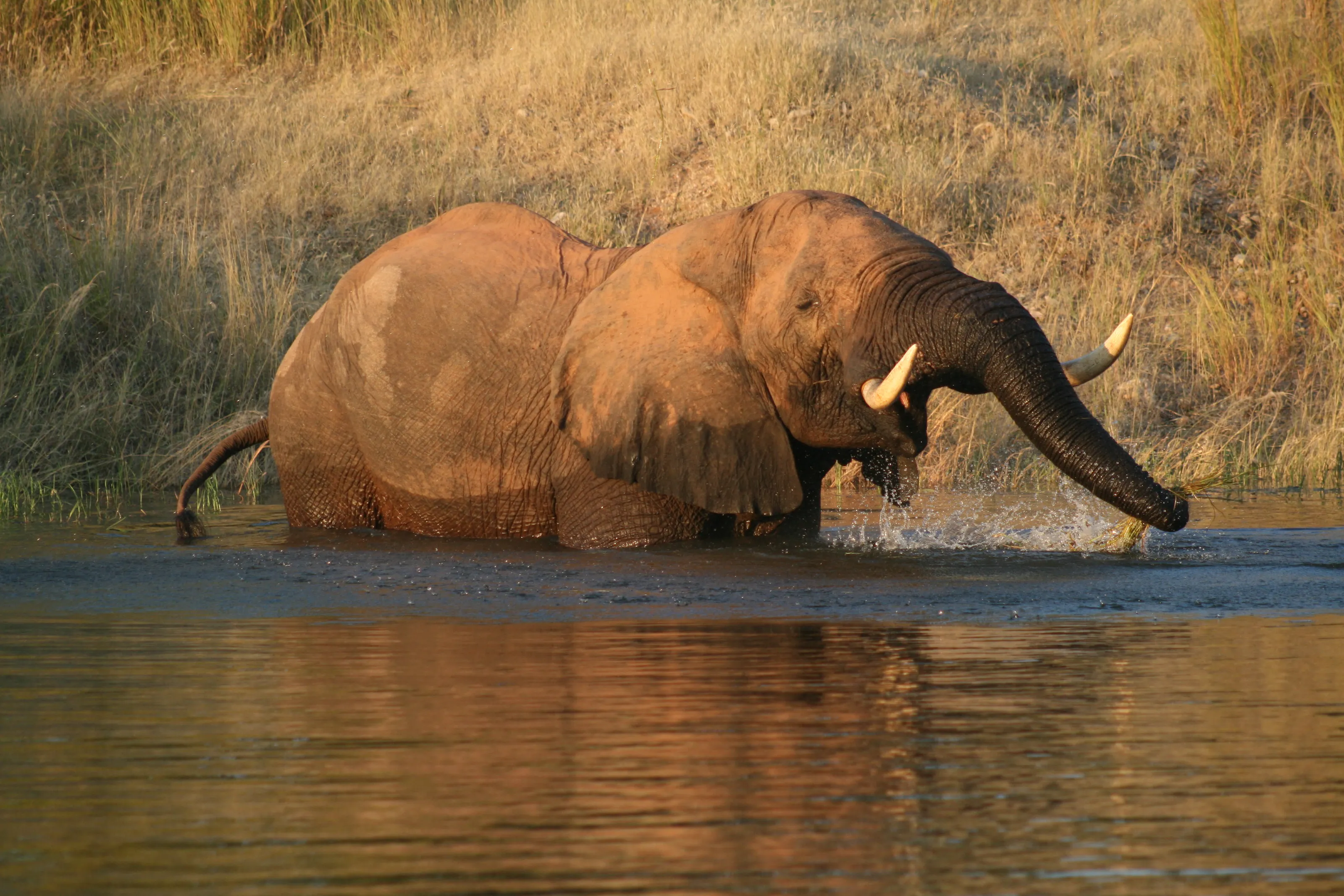
At UNESCO-listed Mana Pools you walk and paddle among elephants, hippos and lions on the Zambezi floodplain. Hwange, the country's largest park, is one of Africa's great elephant refuges.
Granite landscapes
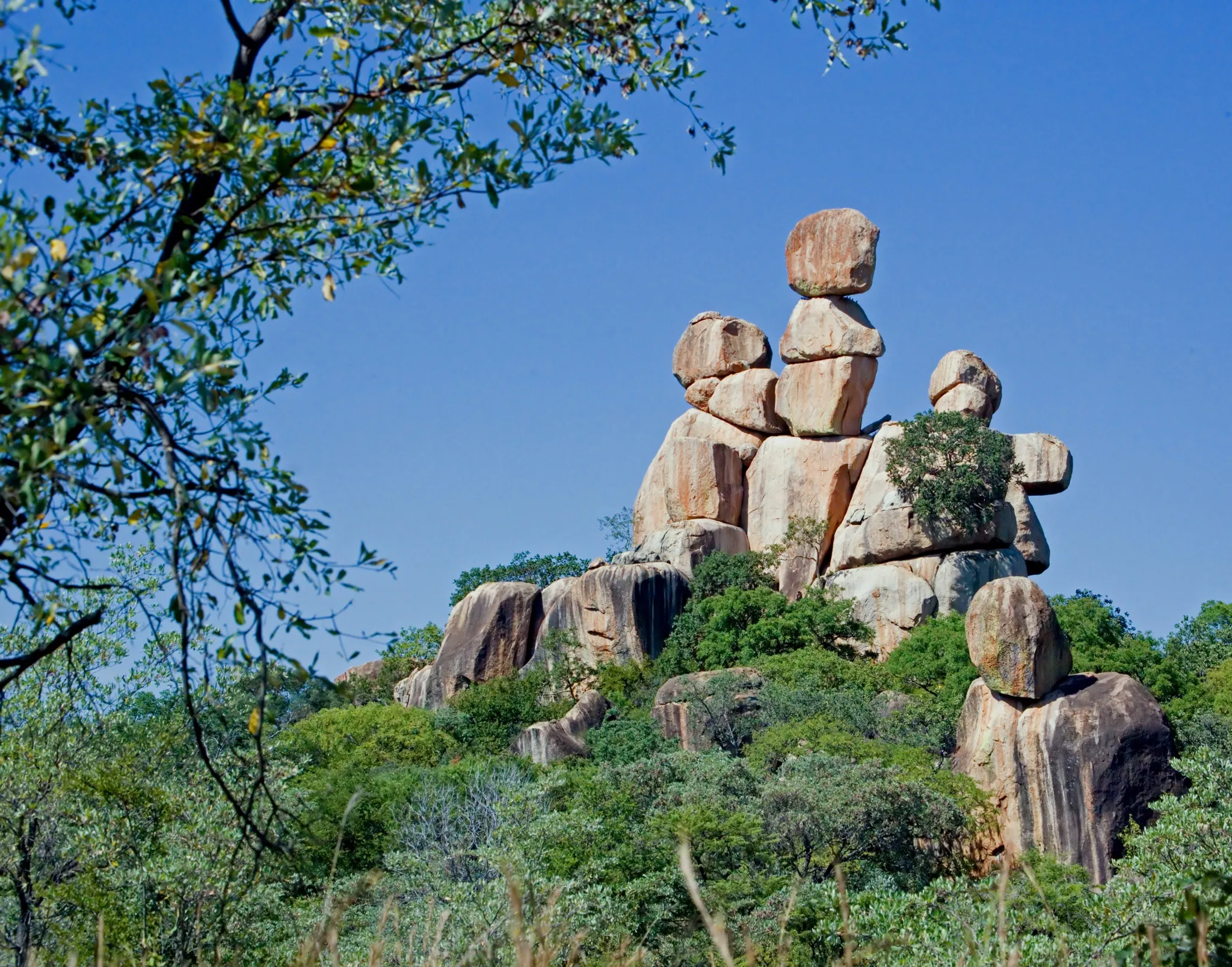
In the Matobo Hills, south of Bulawayo, granite rocks more than two billion years old stand balanced on one another, and caves hold San rock paintings.
Great Zimbabwe
Near Masvingo, this stone city built between the 11th and 15th centuries is the largest stone structure in precolonial sub-Saharan Africa. Its Shona name means "great house of stone" and gave the country its name.
Where to go
Victoria Falls, Hwange, Mana Pools, Matobo and Great Zimbabwe
The classic route, nicknamed the Milk Run, links Harare, Kariba, Victoria Falls, Hwange and Bulawayo. You can also focus on the northwest, between the falls, Hwange and Matobo, reached from Victoria Falls or Bulawayo airport.
Victoria Falls, the falls town
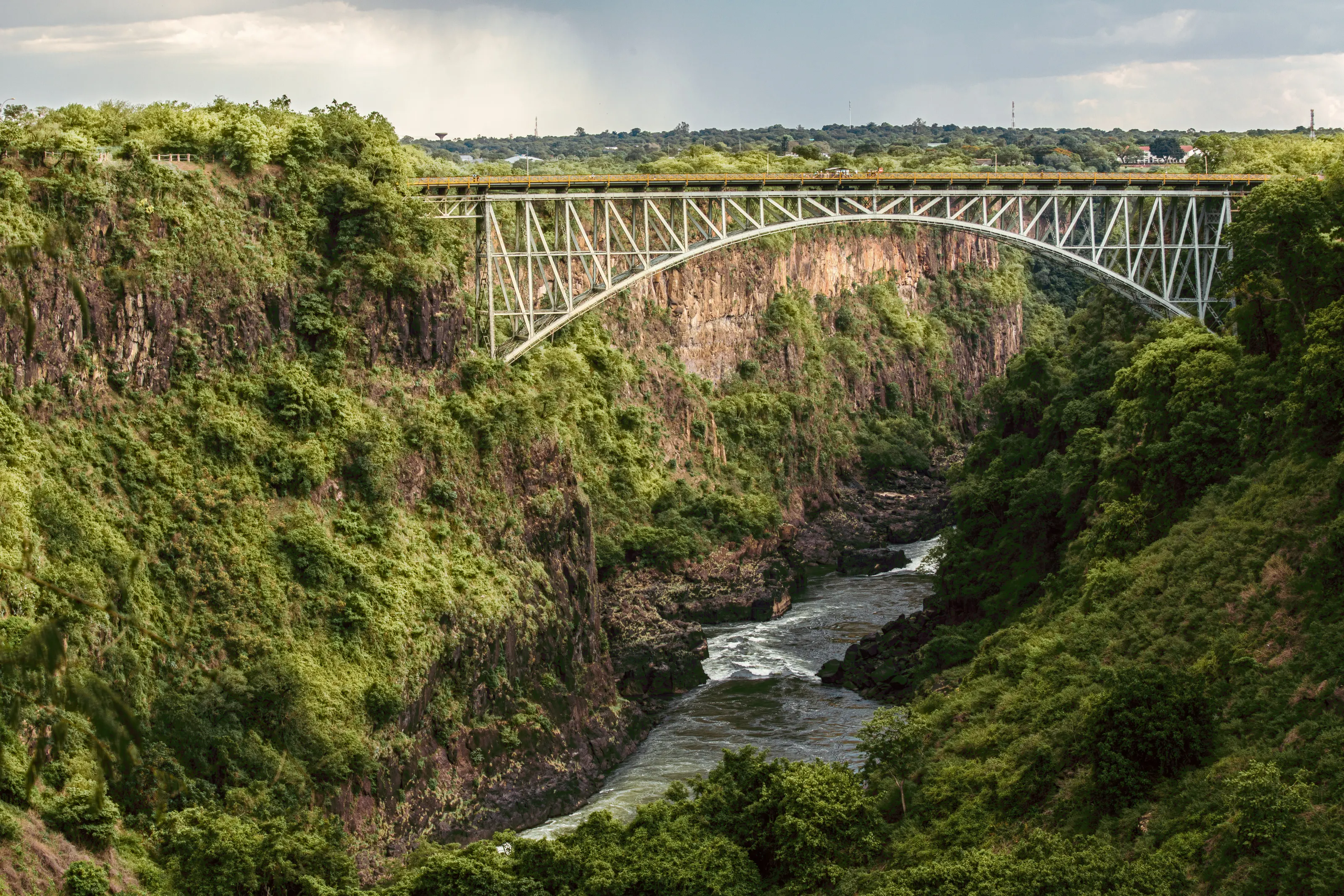
The small town of Victoria Falls is the base for the falls, which Zimbabwe shares with Zambia. Trails run along the gorge edge facing the curtain of water, and the bridge across the Zambezi is the launch point for bungee jumping. Rafting, helicopter flights, sunset cruises: adrenaline is everywhere. At low water late in the year the rocks show more; after the rains, spray dominates. To round off your trip, see also our Botswana page.
Hwange, Mana Pools and Lake Kariba
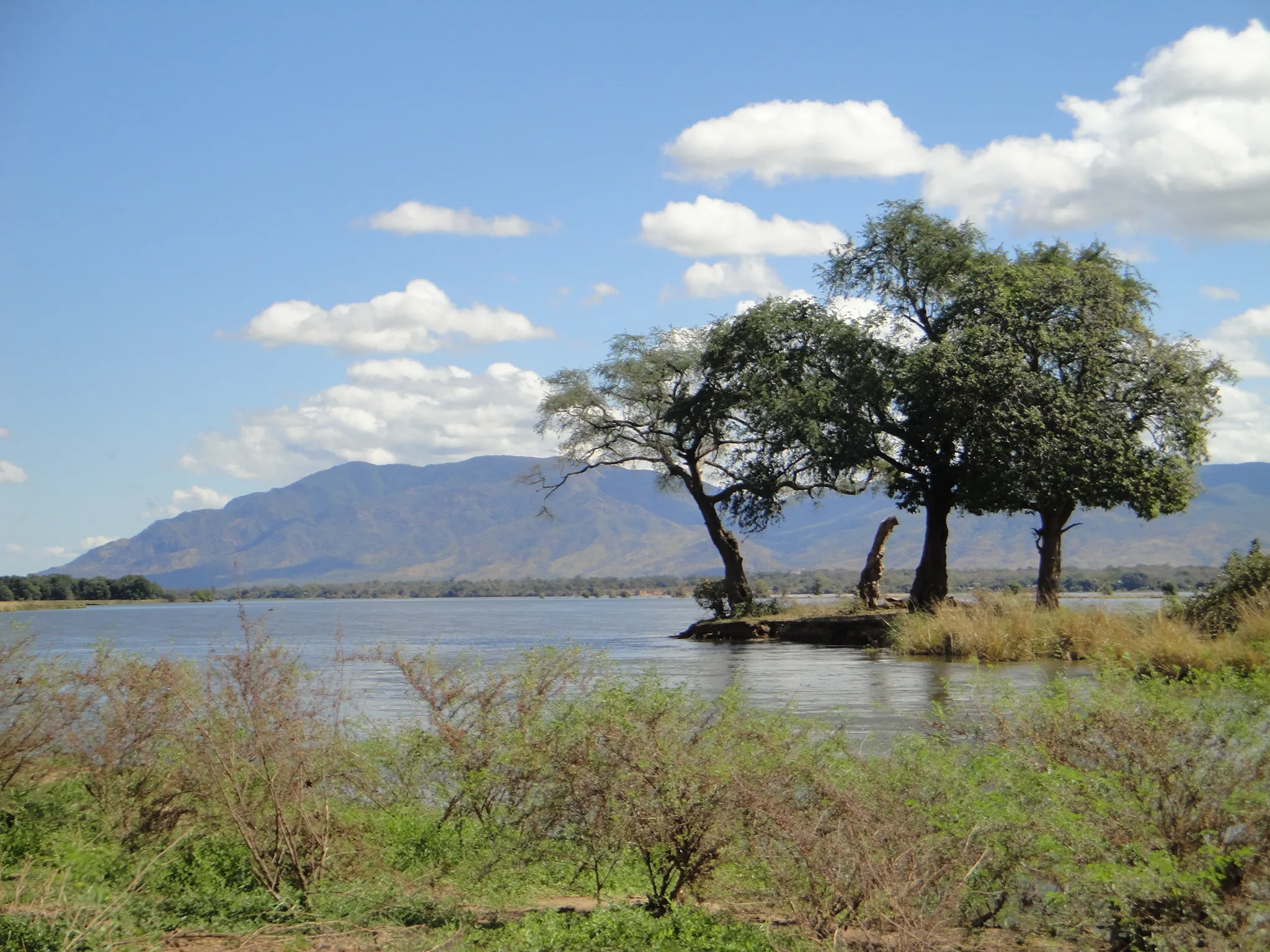
Hwange, between Bulawayo and the falls, is the country's largest park, with more than a hundred mammal species and four hundred bird species. In the north, Mana Pools is a lower Zambezi floodplain that turns into lakes each rainy season; in the dry season, wildlife comes to drink. Lake Kariba, the world's largest reservoir by volume, is explored by houseboat.
Matobo and Bulawayo
Thirty-five kilometres south of Bulawayo, the Matobo Hills are a UNESCO-listed landscape of rounded rocks, kopjes and wooded valleys. You walk there, visit caves with rock paintings and look for rhinos and rock hyraxes. Bulawayo, the second city, charms visitors with broad avenues and Victorian architecture.
Great Zimbabwe, Harare and the Eastern Highlands
Great Zimbabwe, south of Masvingo, can be visited in half a day, with its enclosure and stone acropolis. Harare, the capital, has a national gallery, cafes and leafy suburbs; the HIFA arts festival takes place there in late April. In the east, the Nyanga and Chimanimani highlands invite hiking in a cooler climate.
Before you go
A highland climate, with a dry season ideal for safaris
| Region | Climate | Best time to visit |
|---|---|---|
| Victoria Falls and the northwest | Hot, very humid in summer. The falls are most powerful after the rains, around March to May; lower late in the year. | May to August for the falls; May to October for safaris |
| Hwange and Matobo | Rainy season from November to March. In the dry season, animals gather at waterholes. | May to October |
| Mana Pools and Kariba | The Zambezi valley is very hot, especially before the rains. The park is hard to reach in the wet season. | May to October |
| Harare and the Eastern Highlands | Altitude-moderated climate, cool winter nights, sometimes below 5 C. Highlands are wetter. | May to September |
Zimbabwe has a subtropical climate moderated by altitude, with a rainy season from November to March. The dry season, May to October, is best for safaris; keep an eye on flight prices before fixing your dates.
Getting around
Coaches, domestic flights and road caution
Luxury coaches run between the main cities; in town you take a minibus or a taxi. The main roads linking the falls, Bulawayo, Masvingo and Mutare are generally fair, but potholes are common. Traffic drives on the left and night driving outside towns is best avoided.
Fuel can sometimes run short and few stations take cards, so carry cash and fill up before setting off. For the parks, a tour with a driver-guide is simplest, and domestic flights link Harare, Victoria Falls and Bulawayo.
Food and culture
Sadza, grilled meats and international dining in Harare
The staple is sadza, a maize porridge served with a meat or vegetable stew. Grilled meats, chicken and fish from Lake Kariba round out menus.
Harare also offers international cuisine and plenty of cafes. In park lodges, meals are usually included in the stay.
Flying to Zimbabwe
The Zimbabwean airports tracked by SniperAir
Robert Gabriel Mugabe International (Harare)
The capital's international airport and the country's largest, about a dozen kilometres from the centre: allow 20 to 30 minutes by road depending on traffic. It serves Harare, Mana Pools and Great Zimbabwe.
Victoria Falls
The falls airport, 18 km south of Victoria Falls town, about 20 to 25 minutes by road. Handy for starting with the falls and then heading to Hwange.
FAQ
Frequently asked questions about Zimbabwe
Which airport should I fly into for Zimbabwe?
Harare (HRE) is the main international airport; Victoria Falls (VFA) serves the falls directly. Depending on your route, you can arrive at one and leave from the other.
When is the best time to visit Zimbabwe?
The dry season, May to October, is best for safaris. Victoria Falls are most powerful just after the rains, around March to May; the rains from November to March complicate some parks.
Is Zimbabwe expensive to visit?
Parks, safari lodges and the falls' activities make up most of the budget. Local meals and simple accommodation stay affordable. Choosing your season and tracking flight prices helps keep the total down.
Do I need a visa for Zimbabwe?
Entry rules depend on your nationality and change over time. A visa on arrival or online is possible for many travellers. Check official websites and your government's travel advice before booking.
How long should I spend in Zimbabwe?
Plan a week for the falls, Hwange and Matobo, and ten to fourteen days if you add Mana Pools, Kariba and Great Zimbabwe. Distances are long, so limit your stops.
Can I see Victoria Falls from Zimbabwe?
Yes: the Zimbabwean side offers a head-on view of the curtain of water, on foot along trails at the gorge edge. Many travellers also visit the Zambian side for a different viewpoint.
How do I get alerted when flights to Zimbabwe drop in price?
Create a SniperAir alert profile with your departure airport and Harare or Victoria Falls as the destination. We track prices and notify you when an opportunity matches. See how it works.
Ready to track prices to Zimbabwe?
Create an alert and let SniperAir do the rest.
Create my alert