
Travel to Saint Lucia: cheap flights to the island of the Pitons
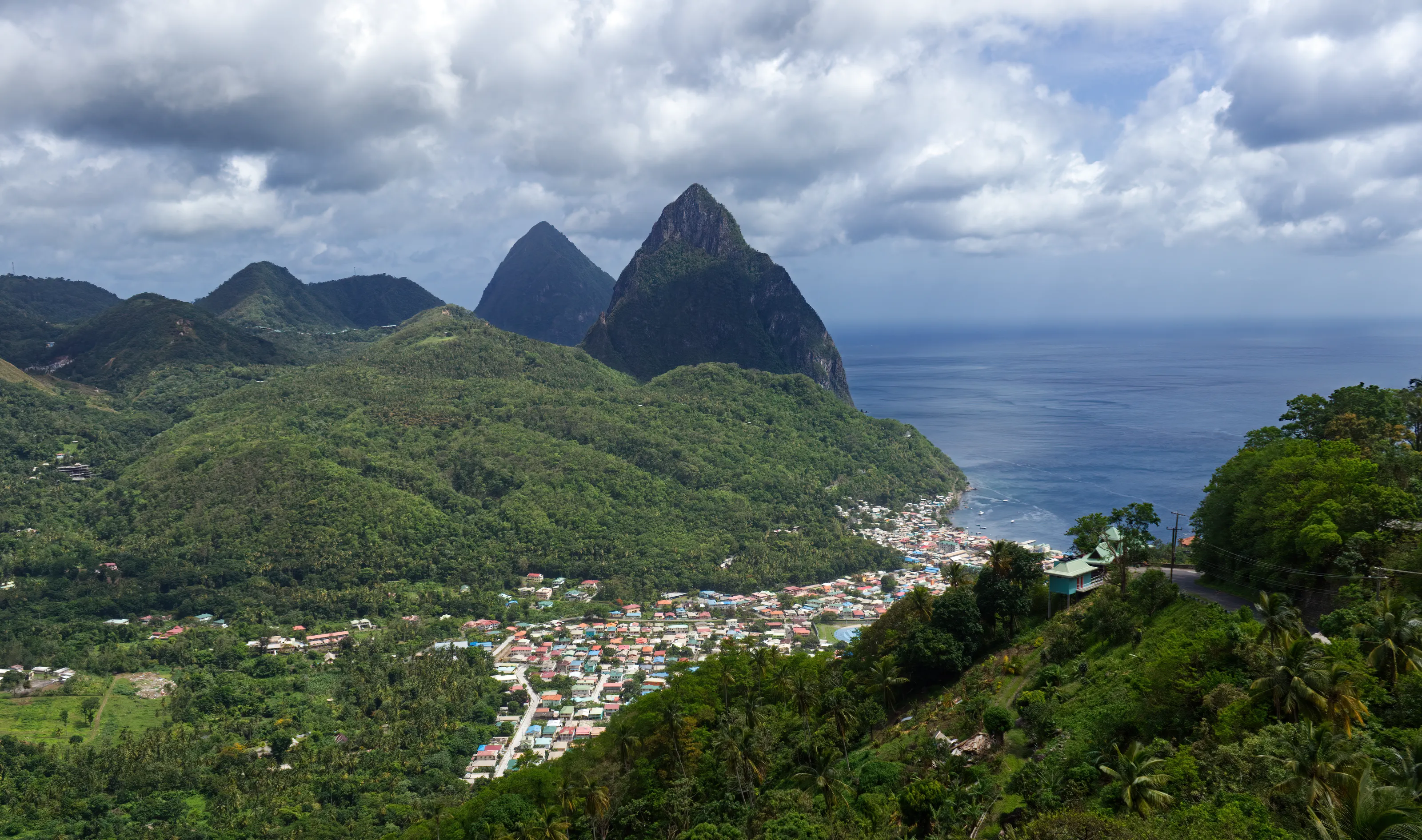
Two volcanic peaks plunging into the sea, dense rainforest, sheltered bays, hot springs and a French-based creole: Saint Lucia, in the Lesser Antilles, is among the most beautiful islands in the Caribbean. Here is how to plan the trip, then follow cheap flights to Saint Lucia.
Saint Lucia in numbers
Capital
Castries
Population
About 180,000
Area
About 620 km²
Currency
East Caribbean dollar
Languages
English, Saint Lucian creole
Highest point
Mount Gimie
Continent
North America
Time zone
UTC-4
Airports covered
1
Why visit Saint Lucia
Pitons, bays, rainforest and a French-British spirit
The Pitons, a one-of-a-kind backdrop
Gros Piton and Petit Piton, two volcanic spires on the UNESCO World Heritage list, rise straight out of the sea at Soufrière: the island's signature image, admired from a boat, a beach or a trail.
A green, living island
Mountains cloaked in rainforest, waterfalls, banana, cocoa and coconut plantations: the interior is explored on foot, by 4x4 or on a zipline.
Varied bays and beaches
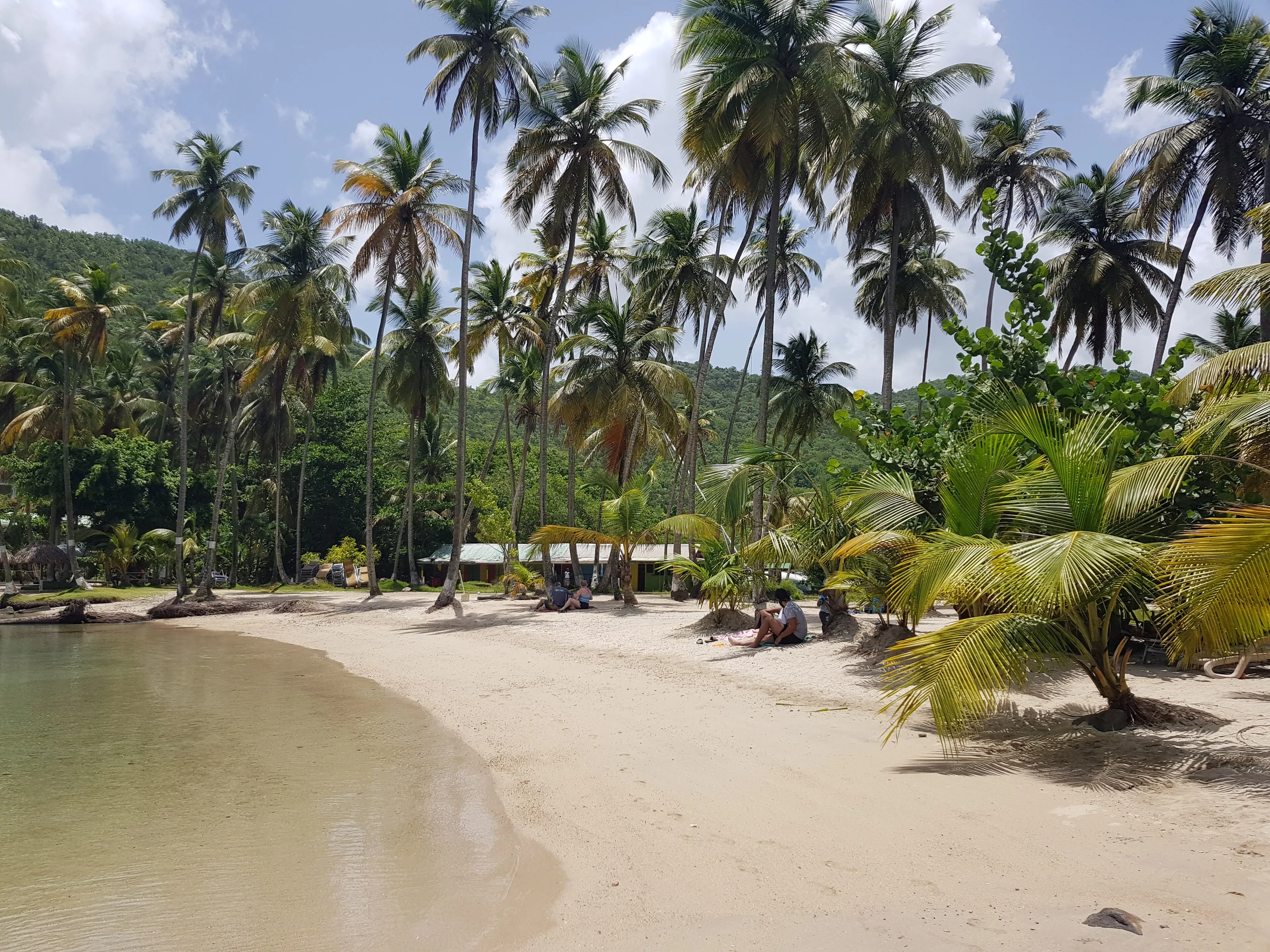
Pale sand at Rodney Bay, sheltered coves at Marigot Bay, darker-sand beaches near the Pitons: the coast offers very different moods, often a few kilometres apart.
A double heritage
France and Britain fought over the island for decades, leaving it a French-based creole, French place names and fluent English. It is also the only country in the world named after a woman.
Landmarks
Soufrière, Marigot Bay, Rodney Bay, Castries and the beaches
Saint Lucia is explored from north to south: the north, around Rodney Bay and Gros Islet, for beaches and evenings out; the centre-west with Castries and Marigot Bay; and the south, around Soufrière and the Pitons, for nature and volcanoes.
Soufrière, the Pitons and the sulphur springs
Soufrière is the wild heart of the island, at the foot of the Pitons. Visit the volcanic Sulphur Springs site with its steaming vents and mud baths, the botanical gardens and the waterfalls. The bold climb Gros Piton, a demanding hike with a mandatory guide.
Marigot Bay: a sheltered bay between palms and hills
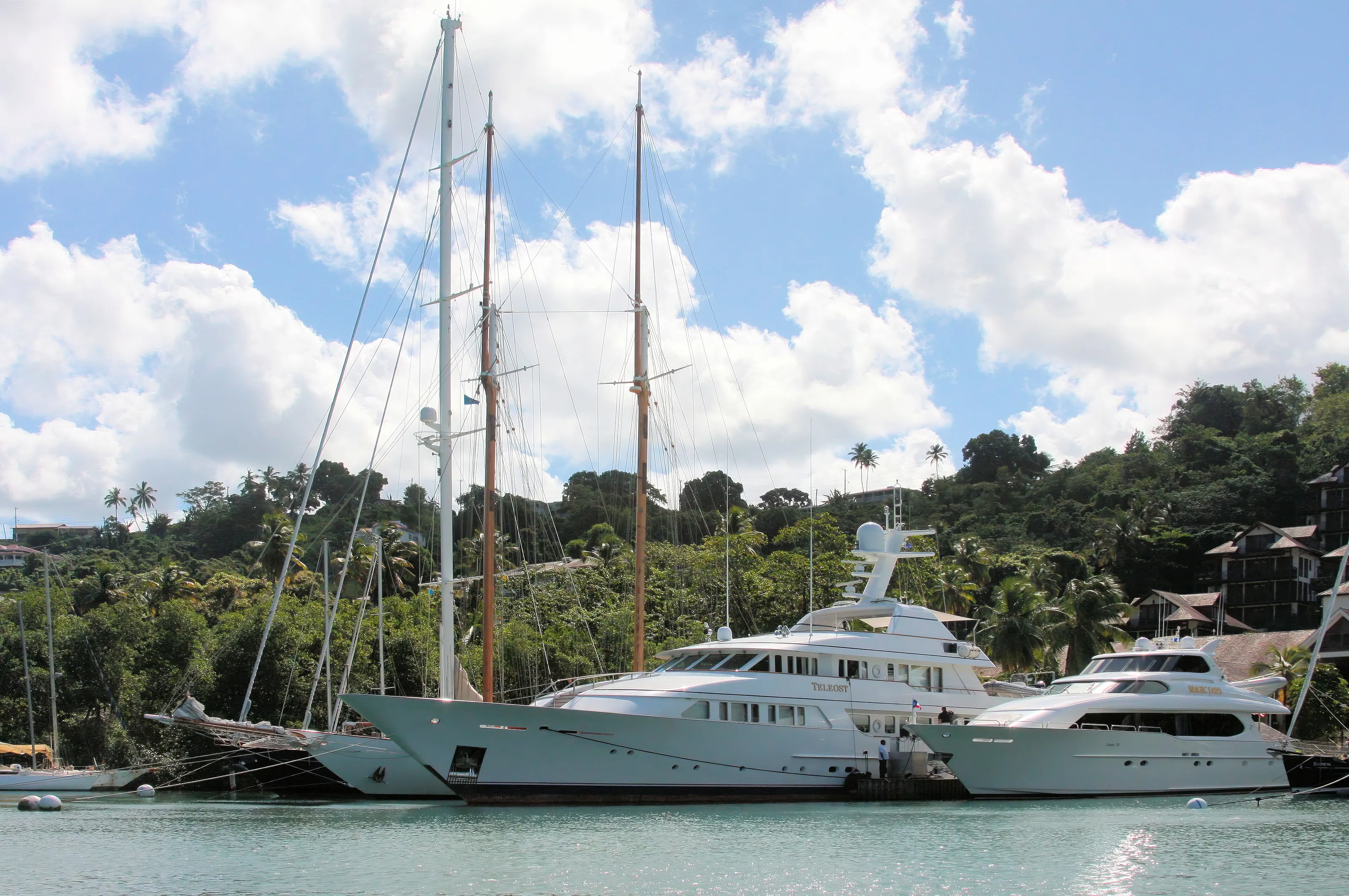
On the centre-west coast Marigot Bay is a narrow, well-protected inlet where sailboats and yachts anchor, ringed by green hills and coconut palms. A small ferry links the two shores; you swim, have lunch at the water's edge and set off on fishing or diving trips.
Rodney Bay, Gros Islet and Pigeon Island
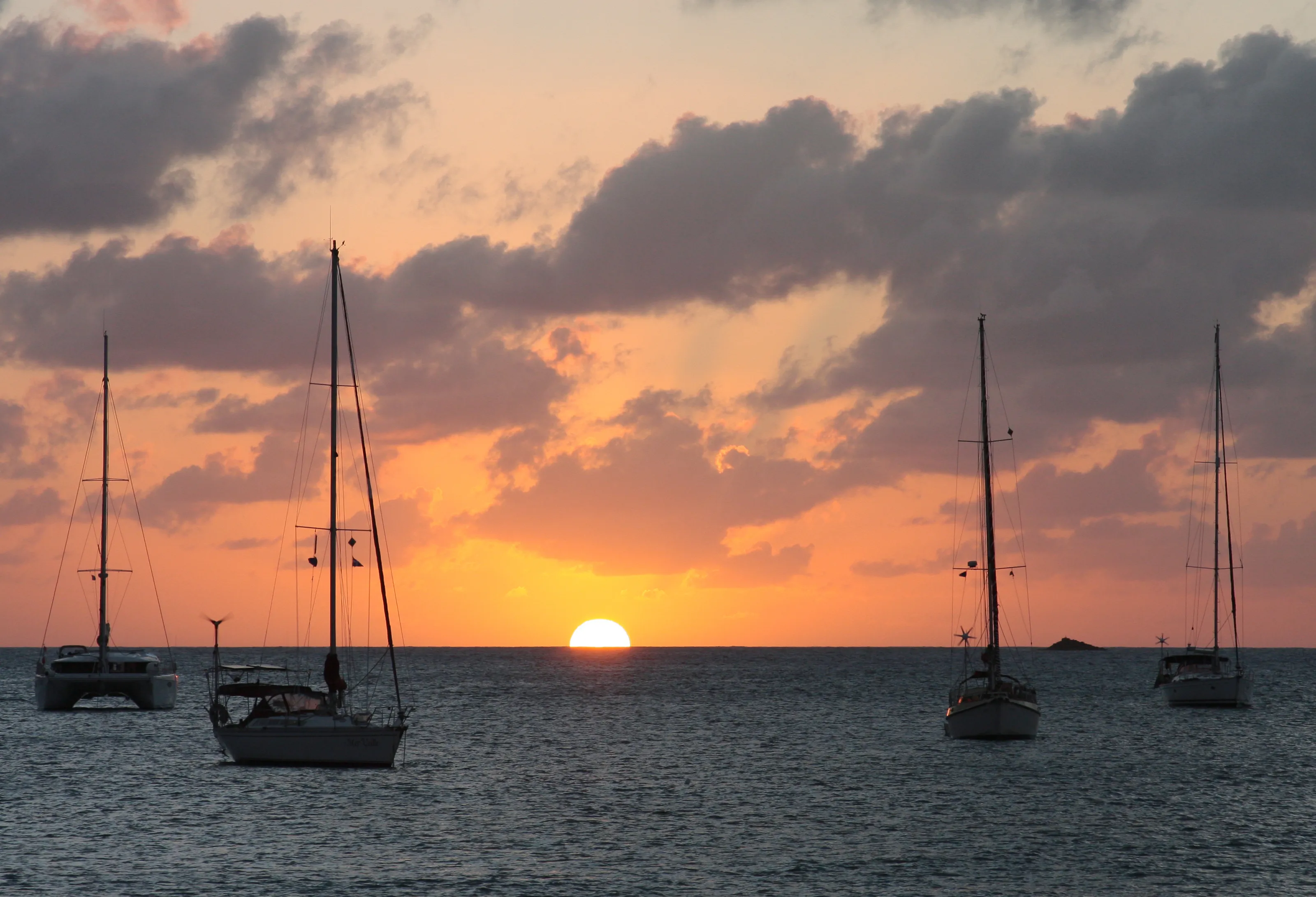
In the north Rodney Bay is the liveliest area: marina, restaurants, beach bars and a long pale-sand beach. Gros Islet holds a hugely popular weekly street party, and the Pigeon Island peninsula, a historic site and viewpoint, is explored on foot.
Castries and the west coast
The capital, around a natural harbour, has a big colourful market where you can try fruit, spices and local food. Further south the west coast strings together fishing villages, bays and winding roads, with a lively fish fry on Friday nights at Anse La Raye.
Beaches, coves and fishermen
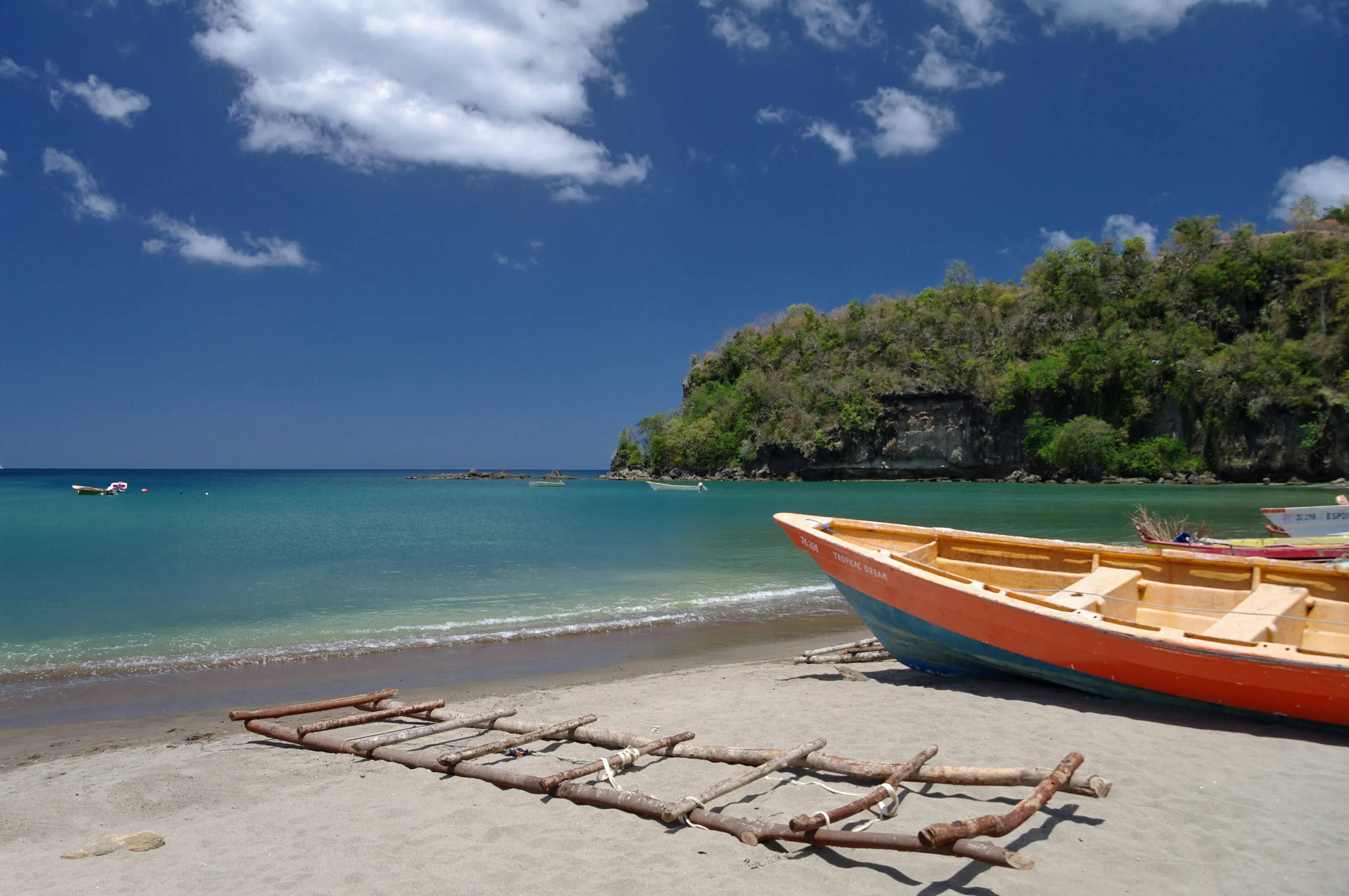
Along the roads, small beaches and coves lined with colourful boats appear. The sand ranges from white to dark grey depending on proximity to the volcanoes, and the sea from turquoise to indigo, shaped by the winds. Snorkelling is rich, especially on the west coast.
Before you go
December to May for the dry season, June to November for hurricanes
| Area | Climate | Best time |
|---|---|---|
| North (Rodney Bay, Gros Islet) | Drier and sunnier; calm sea. | December to May |
| Centre-west (Castries, Marigot Bay) | Hot and humid, brief showers in summer. | December to May |
| South (Soufrière, Pitons) | Wetter, lush forest; excursions easier in the dry season. | December to May |
| East coast and interior | Windier and wetter, very green landscapes. | All year, preferably in the dry season |
The Atlantic hurricane season runs from June to November: the island can feel its effects, so check forecasts before booking and consider travel insurance. Fares climb in winter, so it pays to follow prices ahead of time.
Getting around
Taxis, rental car, minibuses and boats
Traffic drives on the left, on narrow, winding roads with many bends and hills. Many visitors prefer taxis or organised tours; local minibuses link the towns cheaply. A temporary local driving permit is generally required to rent a car: check before you travel.
The journey from the airport in the south to the north of the island takes over an hour, so it helps to pick your base according to your planned outings. Between Soufrière and Marigot Bay you can also save time by sea, by water taxi or on an excursion.
Culture and food
Creole, grilled fish, cocoa and festivals
English is the official language, but Kwéyòl, a French-based creole, is heard everywhere. Two Nobel laureates come from the island, a source of local pride. Music, soca and street festivals set the rhythm of the year, with celebrations in February for independence.
At the table, try freshly grilled fish, the national dish of salt cod with green fig, tropical fruit and local chocolate. Saint Lucia's cocoa is discovered on plantations, with tastings.
Travel to Saint Lucia
The Saint Lucia airport covered by SniperAir
Hewanorra International
Saint Lucia's airport, at Vieux Fort on the southern tip: allow about three quarters of an hour to Soufrière and an hour to an hour and a half to Castries or Rodney Bay. The island's main airline gateway.
FAQ
Frequently asked questions about Saint Lucia
Which airport do I fly into for Saint Lucia?
Hewanorra (UVF), at Vieux Fort in the south of the island, handles most long-haul flights. A second small airport near Castries mainly serves regional links. SniperAir tracks UVF for you.
When is the best time to travel to Saint Lucia?
December to May, the dry season, is the sunniest and busiest. The wet season, June to November, coincides with the Atlantic hurricane season: more rain, sometimes gentler fares, but more uncertainty.
Is travelling to Saint Lucia expensive?
It is a fairly upmarket destination with many boutique hotels, but you can balance the budget with guesthouses, local meals, minibuses and free beaches. Watching flights helps you plan better.
Do I need a visa for Saint Lucia?
Rules depend on your nationality. A valid passport is required, and an onward ticket may be asked for. Always check official rules before you travel.
How long should I spend in Saint Lucia?
A week lets you see the north, centre and south without rushing. Ten days gives time to hike, visit plantations and enjoy the beaches.
Which currency is used in Saint Lucia?
The currency is the East Caribbean dollar, tied to the US dollar, which is widely accepted. Cards work in hotels and restaurants; keep cash for minibuses and markets.
How do I get alerted when a flight to Saint Lucia drops below my budget?
Create a SniperAir alert with your departure airport and UVF, set your maximum price, and we notify you as soon as a fare falls below it. SniperAir tracks prices and sends alerts. See how it works.
Ready to track fares to Saint Lucia?
Create an alert and let SniperAir do the rest.
Create my alert