Travel to Poland
Poland pairs rebuilt old towns and medieval market squares with the Baltic coast, the Masurian lakes and the Tatra Mountains, all at prices that are kind to a Western European budget. This guide covers what to know before you travel to Poland and how to catch cheap flights to Poland.
Poland in numbers
Capital
Warsaw
Population
~38 M
Area
312,696 km²
Currency
Polish złoty
Language
Polish
UNESCO sites
15+
Continent
Europe
Time zone
UTC+1
Airports covered
3
Why visit Poland
A country rebuilt brick by brick, with plenty of nature
Old towns rebuilt after the war
Many old quarters were destroyed in World War II and meticulously rebuilt using original bricks where possible. Warsaw's old town follows the look of Canaletto's paintings.
Largest medieval square, largest castle
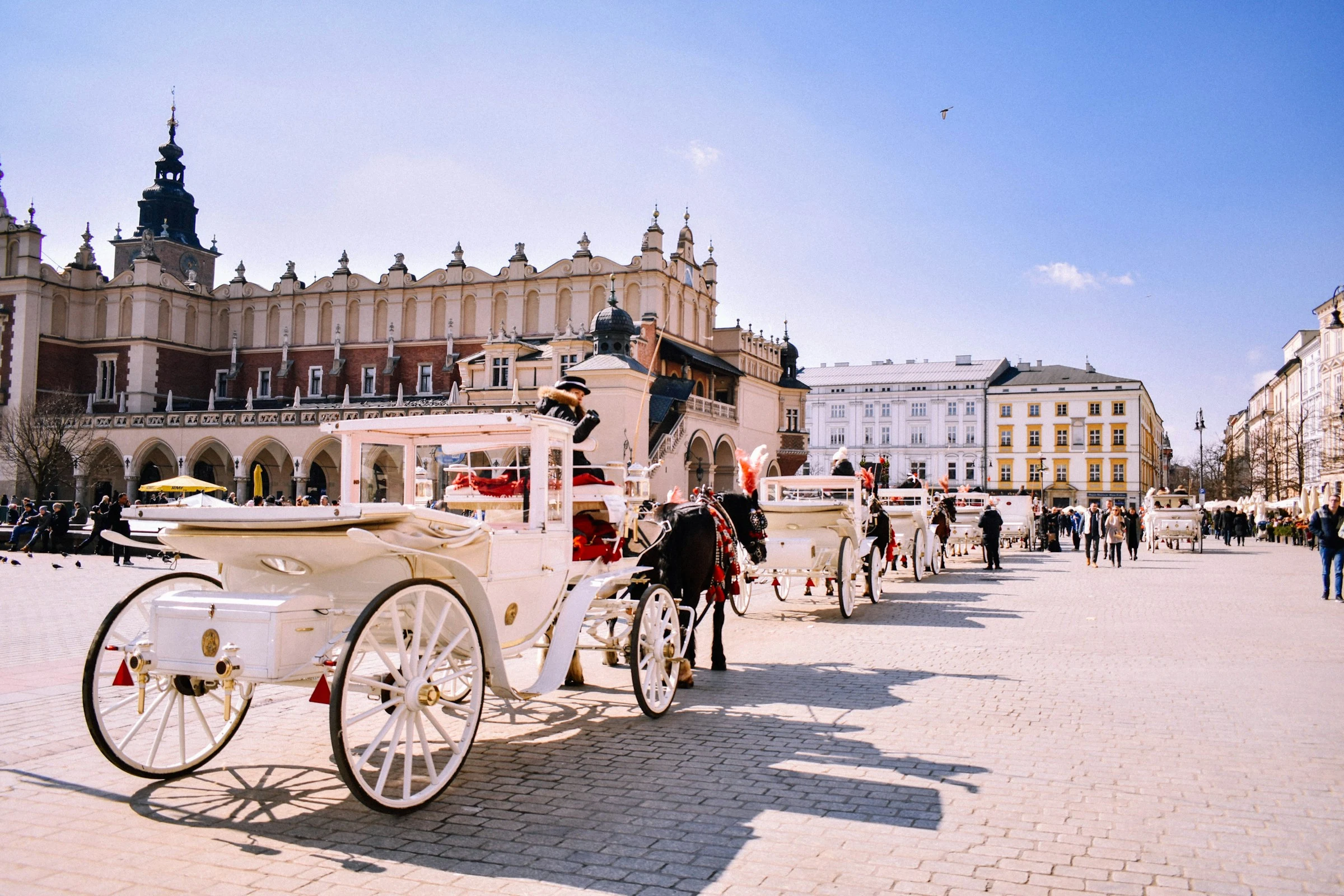
Kraków has what Wikivoyage calls the largest medieval market square in Europe, and Malbork is the world's largest castle by land area.
Beaches, lakes and mountains
From the Baltic sea in the north to the Tatras in the south, with 23 national parks and a forest where the European bison survives.
Good value for Western travellers
Train tickets, meals and public transport are cheap by Western European standards, so a multi-city trip is easy to afford.
Signature places
Kraków, Warsaw, the Baltic coast and the mountains
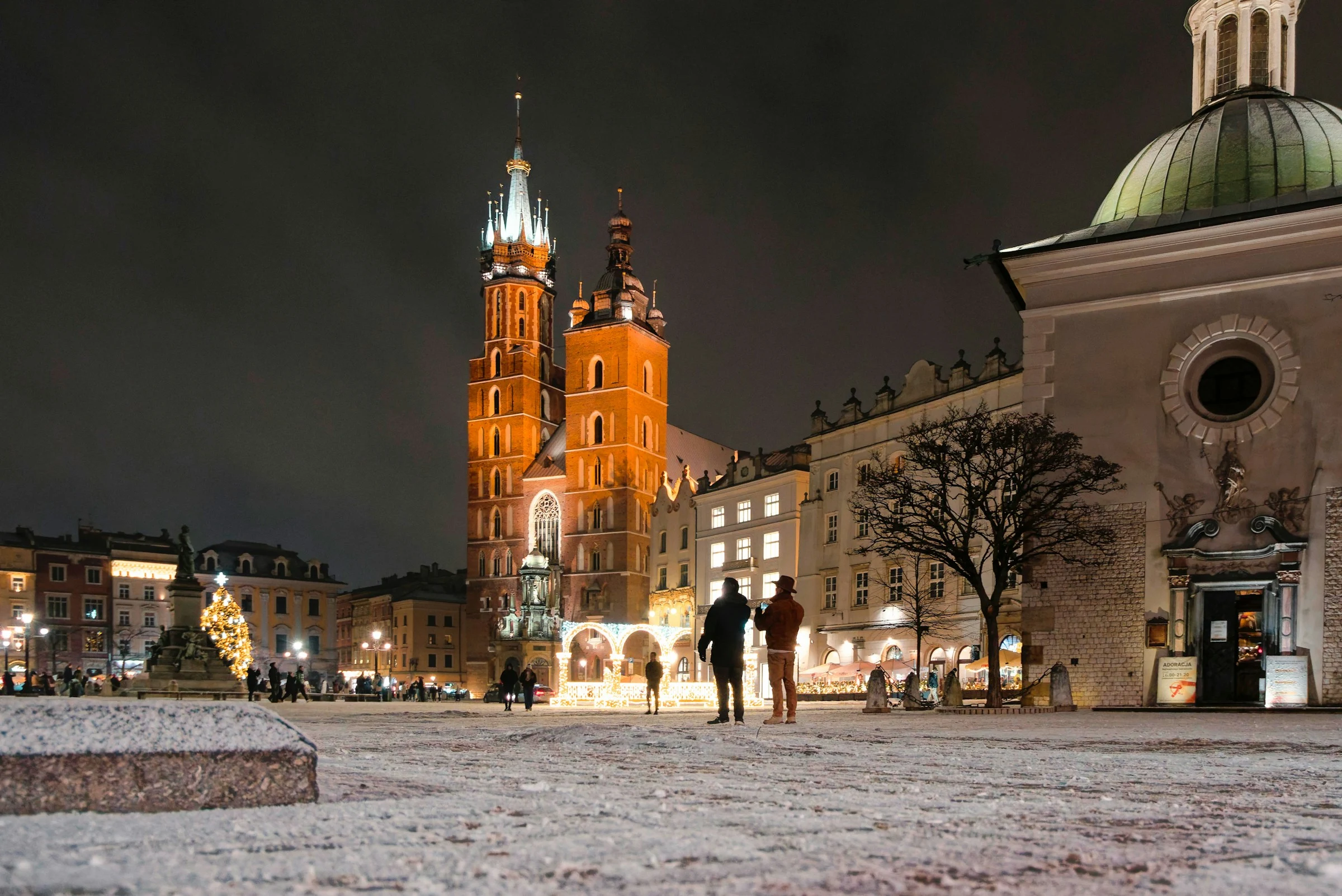
For a first trip, two or three cities are enough. Kraków is the classic start: a UNESCO-listed Old Town, a castle hill and a market square that still anchors city life.
Kraków and day trips
Kraków was the historic capital in the Middle Ages and is the country's cultural capital. Besides the Old Town and Wawel Hill, popular excursions include the Wieliczka salt mine and, about 50 km away, the Auschwitz memorial, which many visitors find deeply moving.
Warsaw, the rebuilt capital
Almost entirely destroyed in the war, Warsaw's old town was rebuilt in a style inspired by Canaletto. The Royal Route links palaces, churches and squares, and the city is also a major business hub.
Gdańsk and the Baltic coast
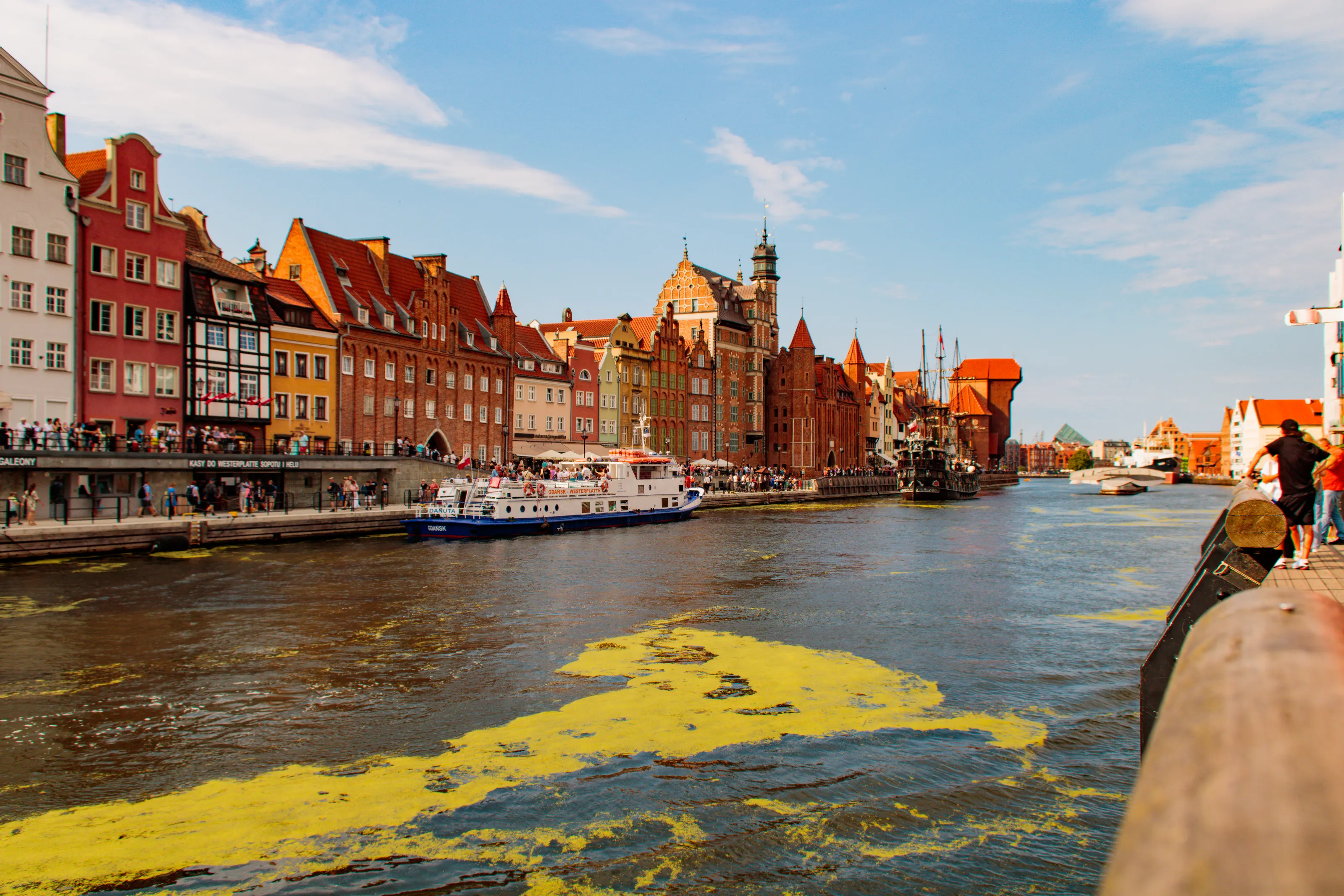
Gdańsk, the former Hanseatic port, was rebuilt after the war and is the departure point for Baltic beach resorts. With Sopot and Gdynia it forms the Tricity of about one million people.
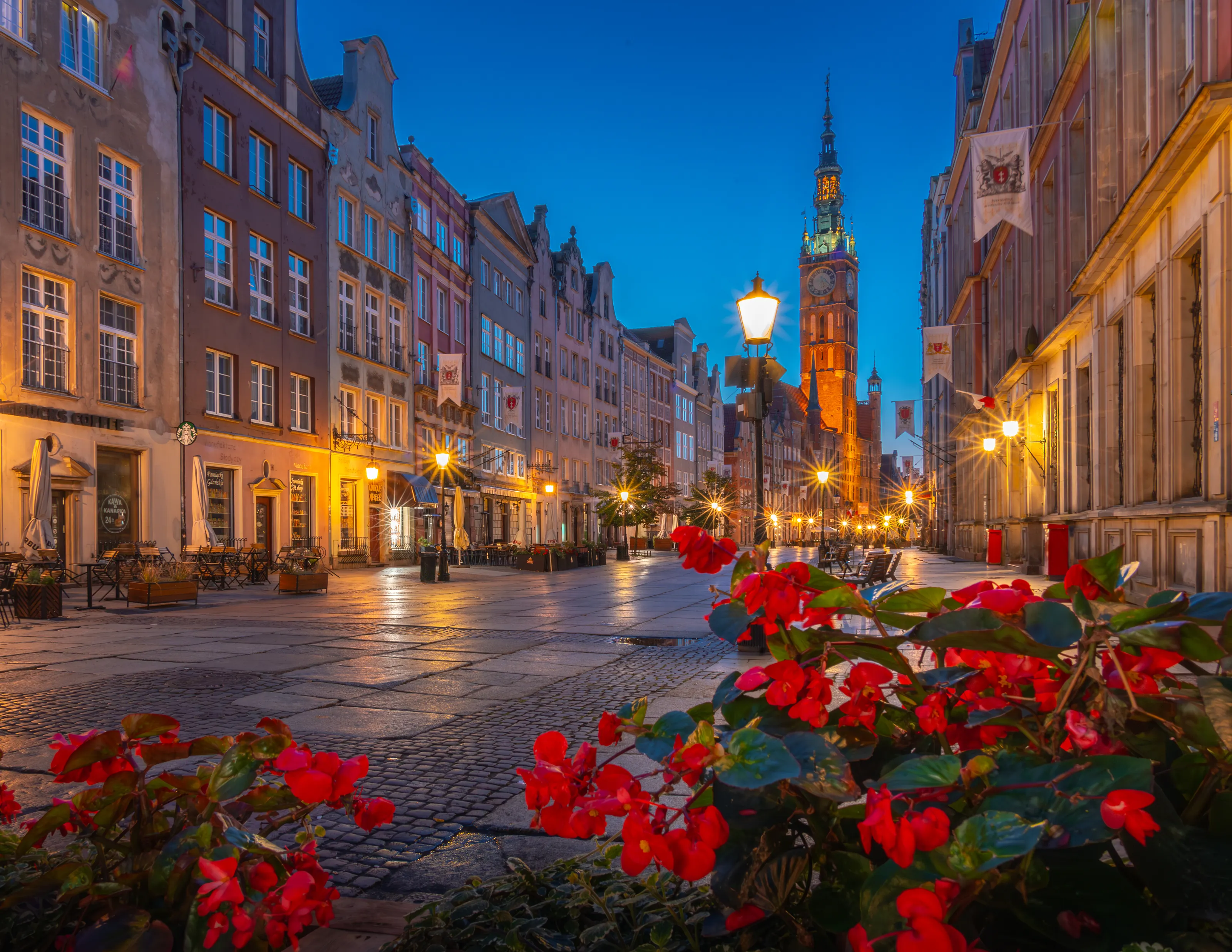
Wrocław, Malbork and the outdoors
Wrocław is known for its dwarf statues hidden around the old town. Beyond the cities, you can hike in the Tatras, paddle on the Masurian lakes or look for bison in Białowieża Forest.
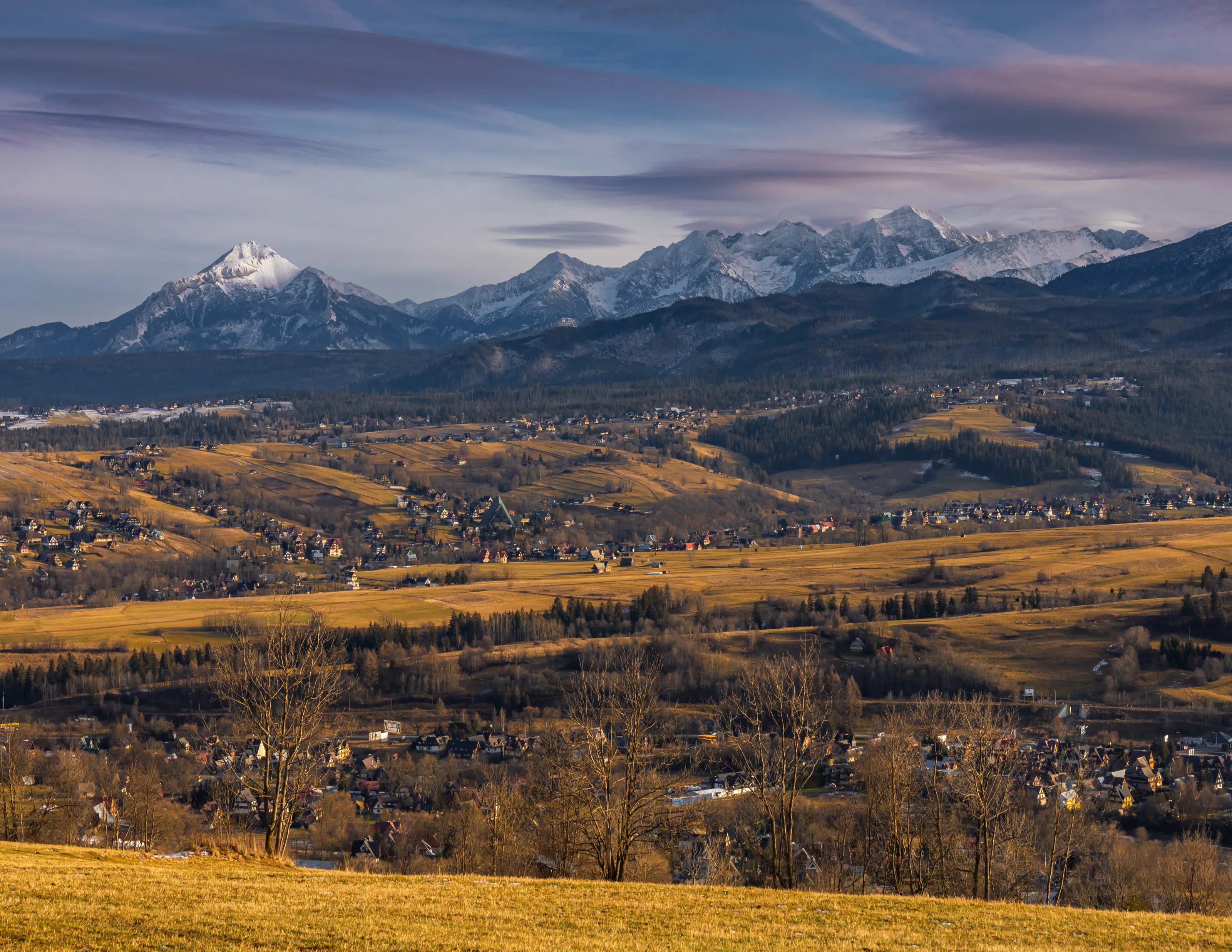
Getting around
Fast, cheap trains between the big cities
Poland has about 19,400 km of railway, the third longest network in the EU. PKP Intercity trains are modern, comfortable and fairly punctual: Warsaw to Kraków runs about every two hours and Warsaw to Gdańsk hourly, both under three hours, at prices cheap by Western European standards.
Motorways and expressways cover most main routes, and there are good bus and tram networks in big cities. If you exchange cash, avoid the orange Interchange kantors, which give poor rates. On night trains, keep your valuables with you.
Before you go
Four regions, four seasons
| Region | Climate | Best time to visit |
|---|---|---|
| Kraków and Lesser Poland | Warm summers, winters around freezing | May to September; December for Christmas markets |
| Baltic coast and Gdańsk | Oceanic climate, milder winters, comfortable summers | June to August for beaches |
| Wrocław and Lower Silesia | The warmest and sunniest part of the country | May to September |
| Tatras and Zakopane | Alpine conditions, winter lows can drop below -30 C | June to September for hiking, December to March for skiing |
Poland is in the EU and Schengen, but still uses the złoty. July is about 20 C on average, and rain is more frequent from June to September.
Combine Poland with Germany or the Czech Republic for a Central European trip.
Food
Pierogi, bigos and a hearty table
Polish cuisine is hearty, with many regional varieties. Staples include pierogi (filled dumplings), kielbasa, bigos (hunter's stew), kotlet schabowy (breaded cutlet), gołąbki (cabbage rolls), barszcz, żurek (soured rye soup) and oscypek, a smoked mountain cheese. Desserts include sernik, makowiec and napoleonka.
Honey mead, beer and vodka are traditional drinks, and the world's first written mention of vodka comes from Poland. Meals in small local restaurants are cheap by Western standards. Plan three days for a single city, or a week to ten days for Kraków, Warsaw and Gdańsk.
Flying to Poland
The Polish airports SniperAir covers
Kraków John Paul II (Kraków)
At Balice, 11 km west of the city centre; trains to Kraków Główny run every 30 minutes and take about 20.
Gdańsk Lech Wałęsa (Gdansk)
12 km from Gdańsk, 10 km from Sopot and 23 km from Gdynia; the direct shuttle takes about 25 to 30 minutes.
Copernicus Wrocław (Wrocław)
10 km west of the city centre, with bus 106 running roughly every twenty minutes in the daytime.
SniperAir destinations
Discover our destination pages
Poland
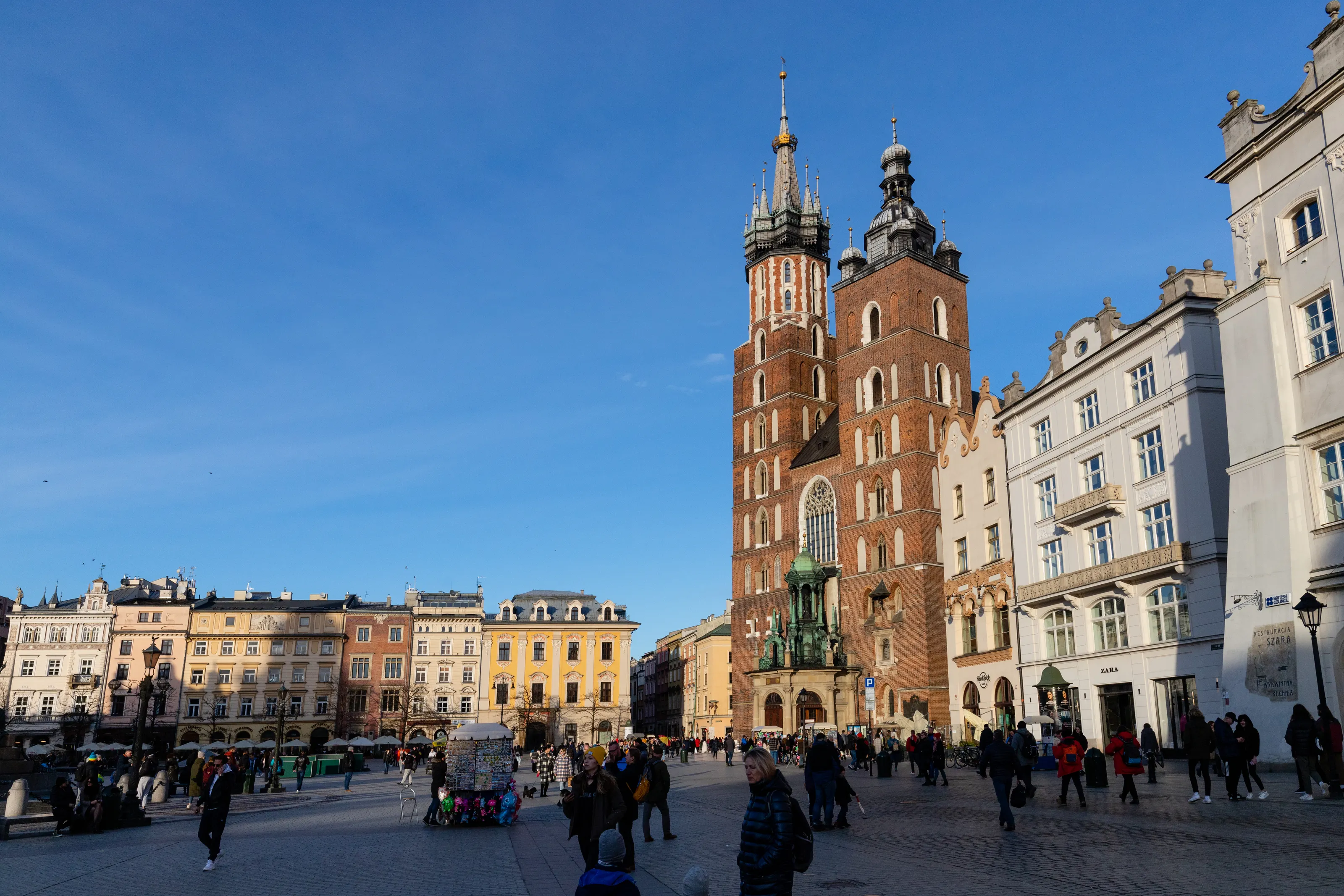
Kraków
Kraków: Wawel Hill, the Main Market Square, the Cloth Hall and Kazimierz, with price alerts on flights to KRK.
Discover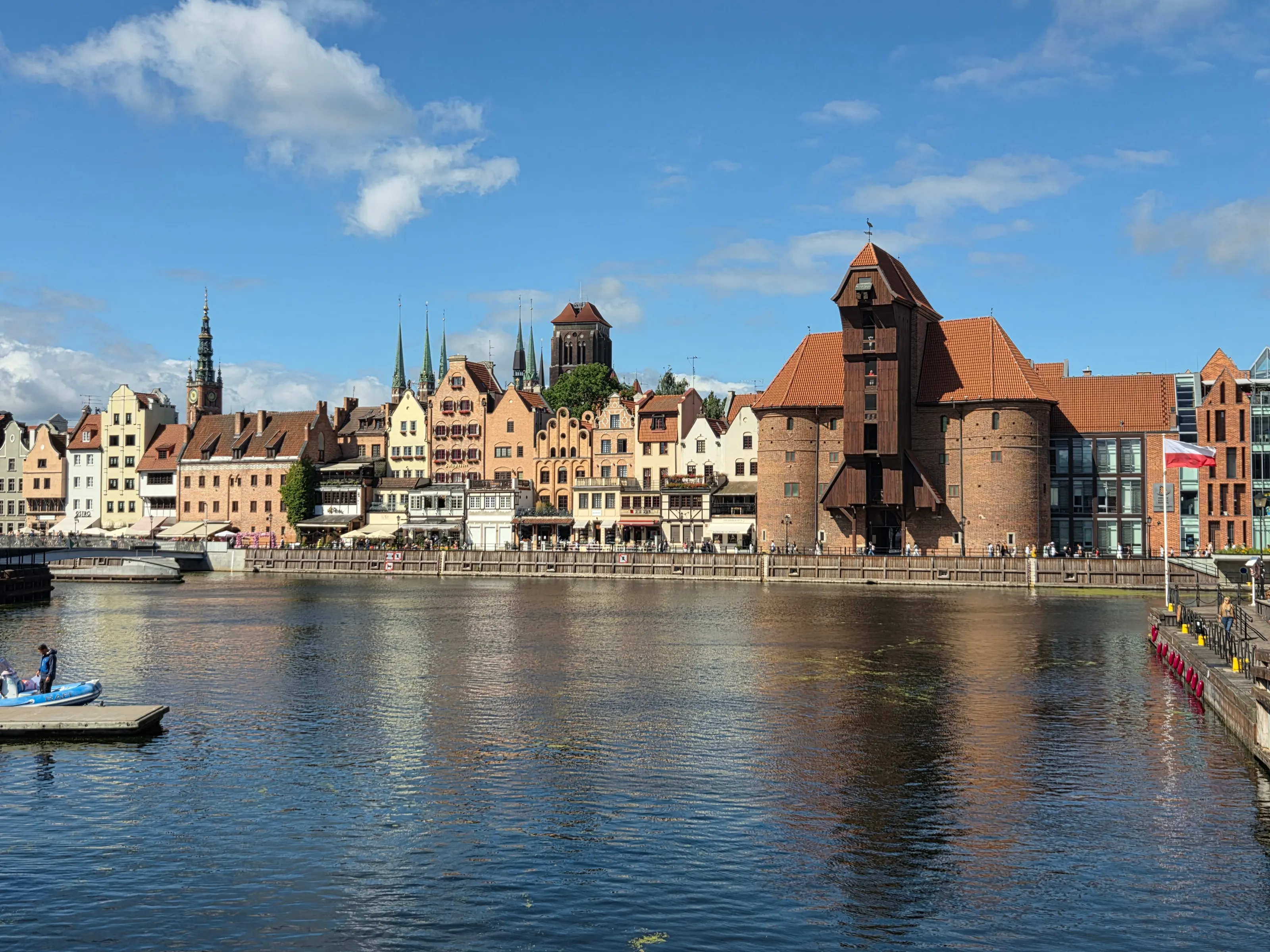
Poland
Gdańsk
Gdańsk: the Long Market, the Motława crane, Mariacka Street and Baltic amber, with price alerts on flights to GDN.
Discover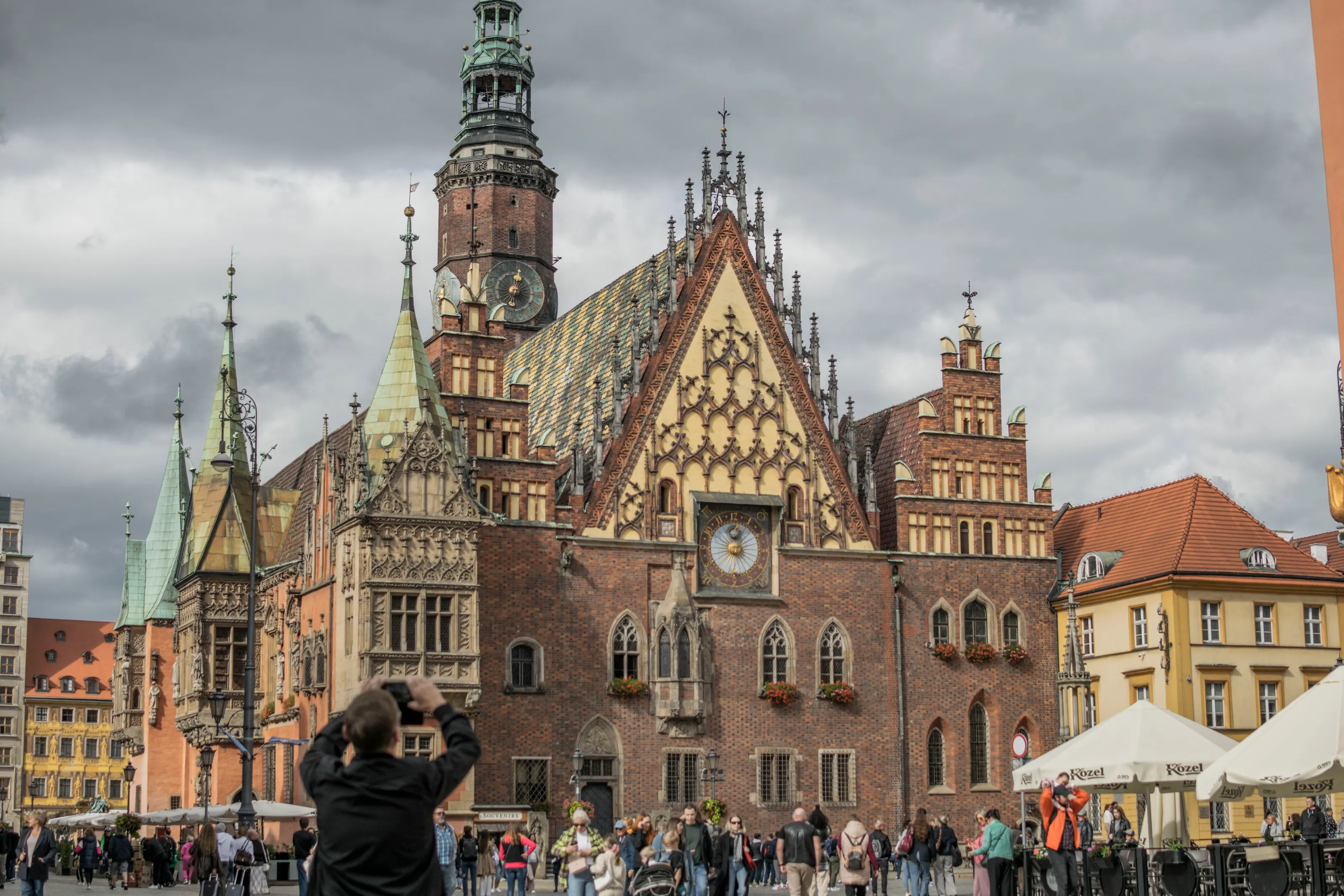
Poland
Wrocław
Wrocław: Market Square, Cathedral Island, the city's dwarfs and Centennial Hall, with price alerts on flights to WRO.
DiscoverFAQ
Frequently asked questions about Poland
Which airport should I fly into for Poland?
It depends on your route: Kraków (KRK) for the south and the Tatras, Gdańsk (GDN) for the Baltic coast and north, Wrocław (WRO) for Lower Silesia. SniperAir tracks all three.
When is the best time to travel to Poland?
May to September for cities, lakes and the coast. December to March for skiing in the Tatras and Christmas markets.
Is Poland expensive?
No, it is good value compared with Western Europe: meals, public transport and train tickets are cheap. Prices rise a little in Kraków and Warsaw in high season.
Do I need a visa for Poland?
Poland is part of Schengen: EU citizens need only an ID card or passport, and visa-exempt visitors can stay up to 90 days in 180. The currency is the złoty, not the euro.
How long should I spend in Poland?
Three days is enough for a single city such as Kraków. Allow a week to ten days for a train trip linking Kraków, Warsaw and Gdańsk.
Can I visit Auschwitz from Kraków?
Yes. The Auschwitz memorial is about 50 km from Kraków and a common excursion from the city.
How do I get alerted when a flight to Poland drops below my budget?
Create a SniperAir alert profile with your departure airport and your Polish destination: we track prices for you and notify you the moment a deal matching your criteria appears.
Ready to track prices to Poland?
Create an alert and let SniperAir do the rest.
Create my alert