
Travel to Ghana
White forts on the Atlantic shore, a rainforest you cross on suspended walkways, elephants in the northern savanna, waterfalls in the Volta hills and a capital that hums with music: Ghana is one of the easiest ways into West Africa. Here is what to know before you search for cheap flights to Ghana.
Ghana in numbers
Capital
Accra
Population
Over 30M
Area
~238,500 km²
Currency
Ghanaian cedi
Language
English
UNESCO sites
2
Continent
Africa
Time zone
UTC+0
Airports covered
1
Why visit Ghana
A country of history, nature and music
Forts and castles on the coast
Elmina, Cape Coast and other forts line the coast and tell four centuries of gold trading and then the slave trade. Listed by UNESCO, they are visited with a guide, and the visit is often moving.
Forest, savanna and waterfalls
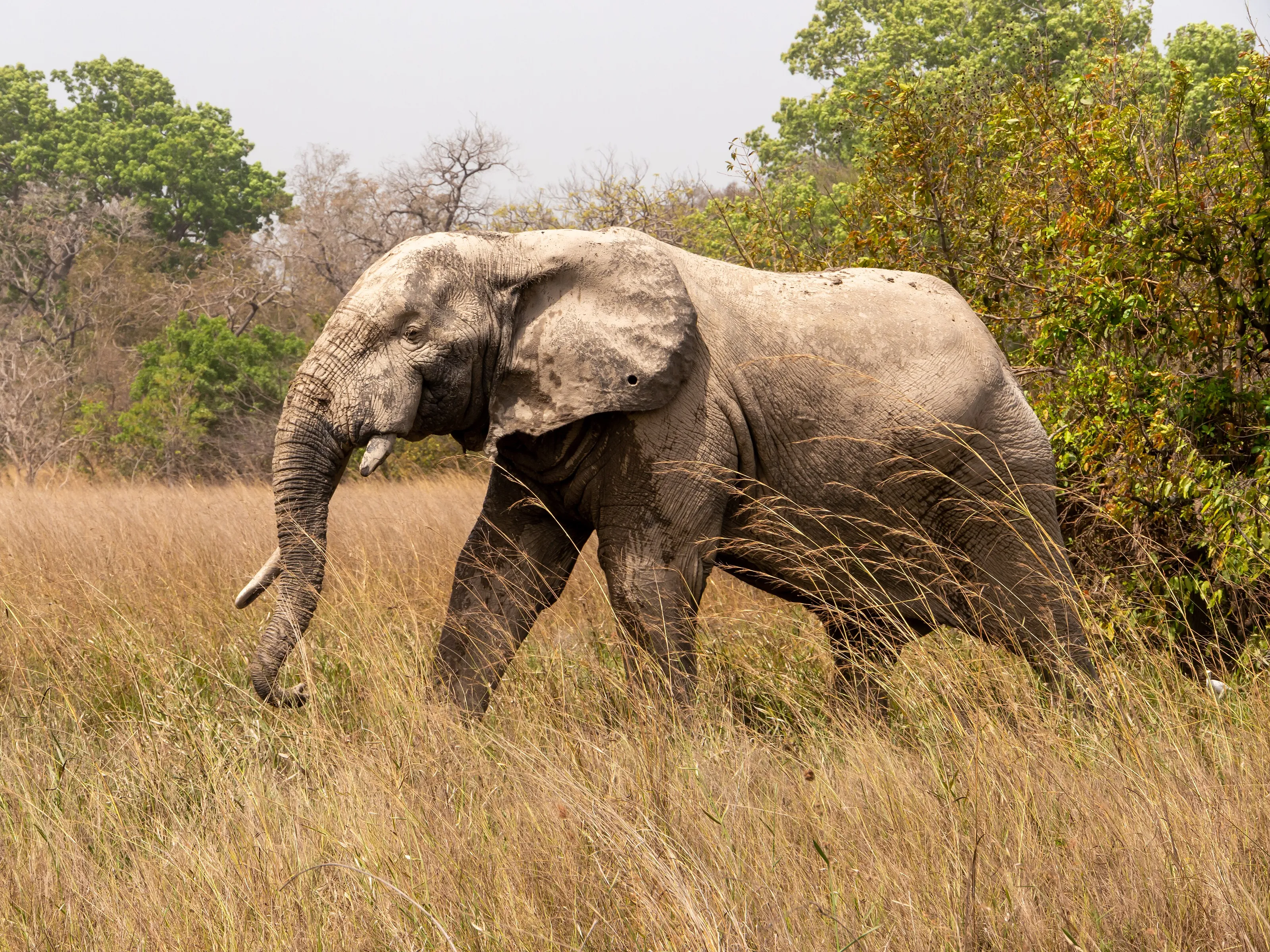
Kakum offers a walk in the canopy, Mole a savanna where elephants roam, and the Volta region waterfalls and green hills. In a few days you move from sea to forest to the dry north.
Asante culture and markets
Kente cloth, adinkra symbols, drums and the Asante palaces of Kumasi make Ghana a country to visit for its craftspeople too. The markets of Accra and Kumasi are among the busiest in the region.
Beaches and nightlife
Along the Gulf of Guinea, beaches on the west coast, from Busua to Axim, and those around Accra let you end a trip by the water. Highlife music and Accra's bars set the tone for the evenings.
Where to go
Accra, Cape Coast, Kakum, Volta and Mole
Most travellers start in Accra, head down the coast to Cape Coast, Elmina and Kakum, then add the Volta region or Mole National Park in the north. Journeys are shorter than elsewhere in West Africa, but traffic slows everything.
Accra, the capital
Accra is a lively city of markets, museums, art galleries and urban beaches such as Labadi. It tells the story of independence, declared in 1957, the first for a sub-Saharan African colony. The airport is close to the centre, but traffic makes transfers long at rush hour.
Cape Coast and Elmina, the coastal forts
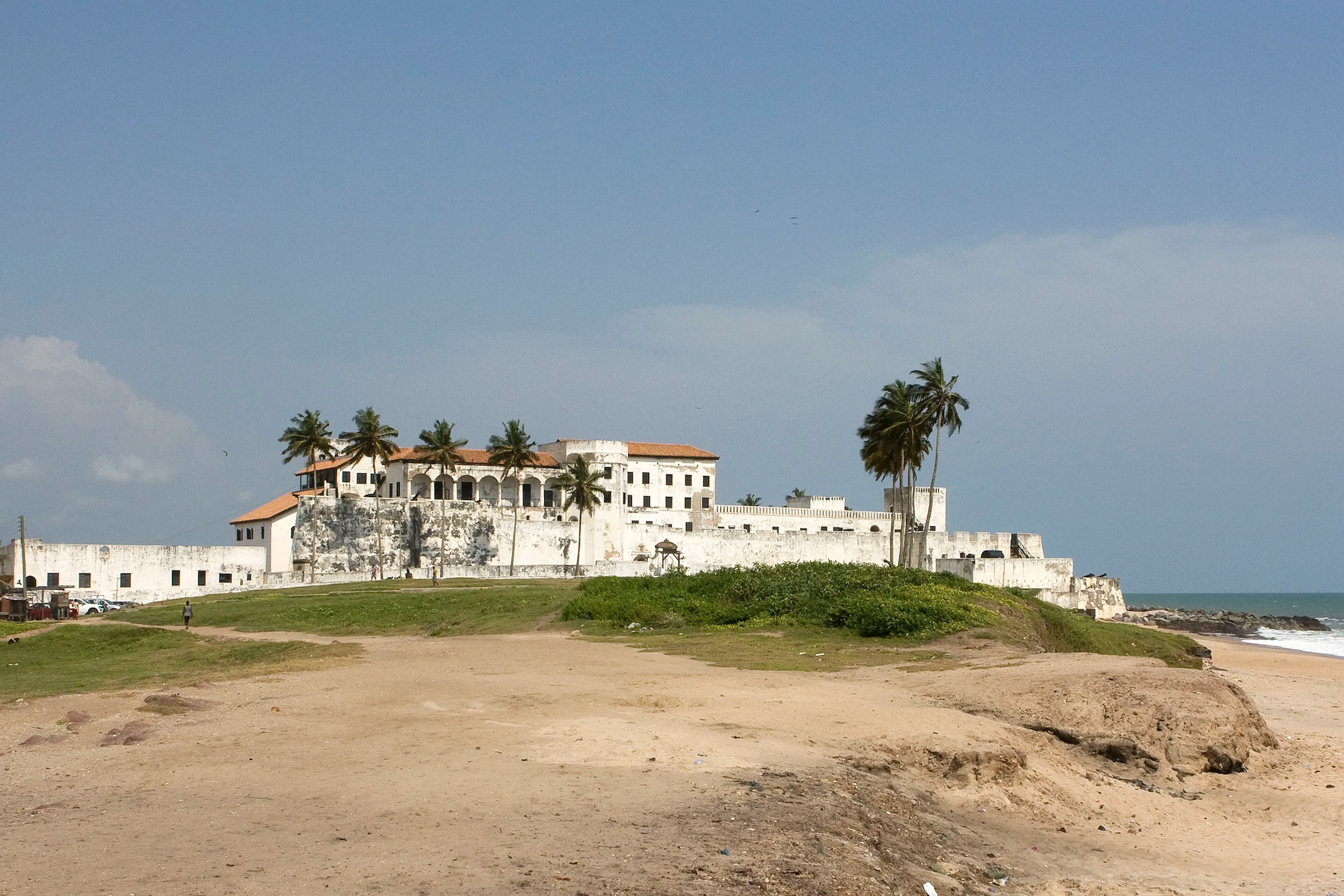
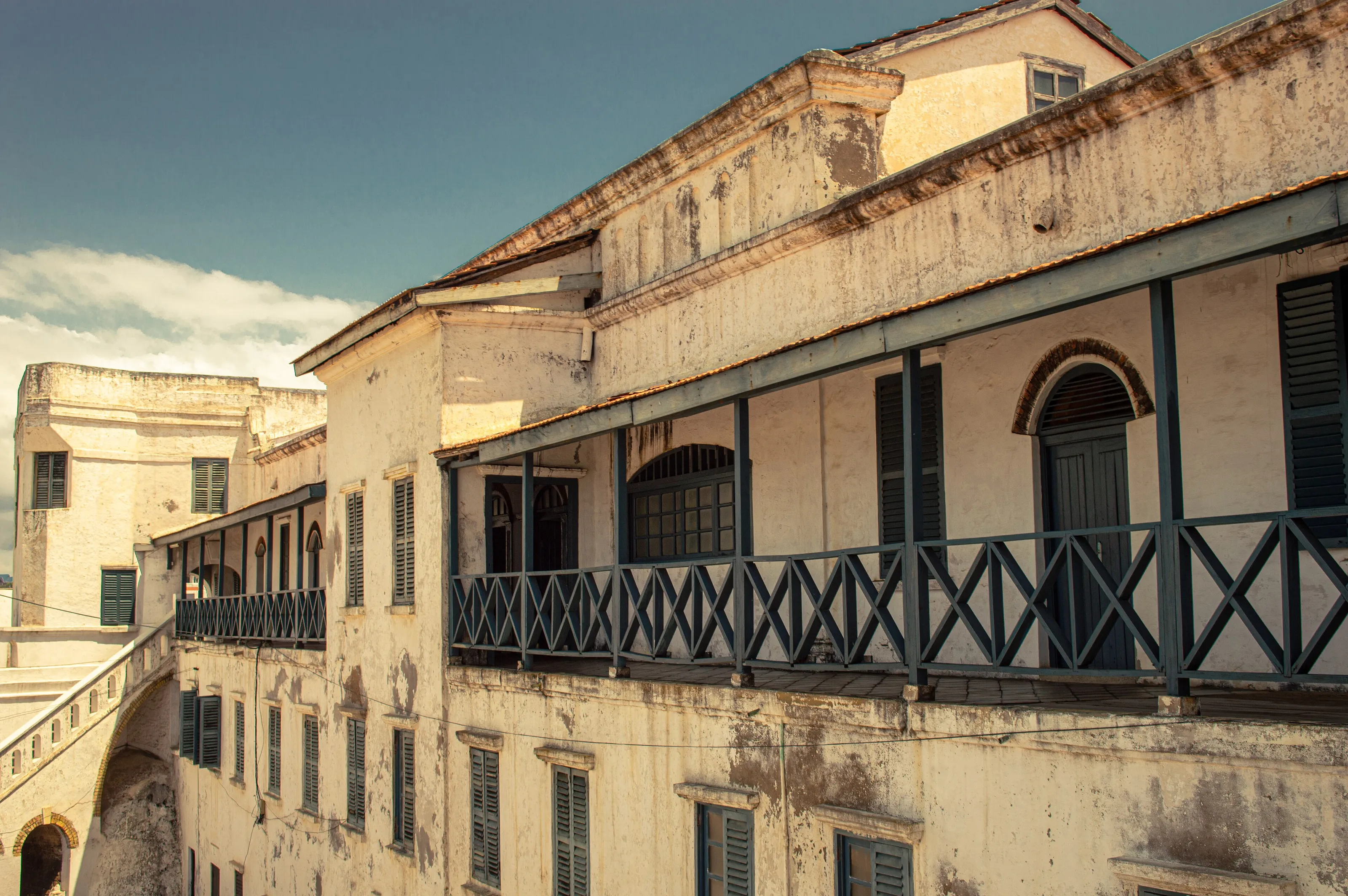
Elmina Castle, built by the Portuguese in the 15th century, and Cape Coast Castle are among the most visited sites in the country. You walk the courtyards, dungeons and ramparts with a guide, facing the ocean. These forts belong to a UNESCO-listed group that includes Butri, Axim and Dixcove.
Kakum and the village of Nzulezo
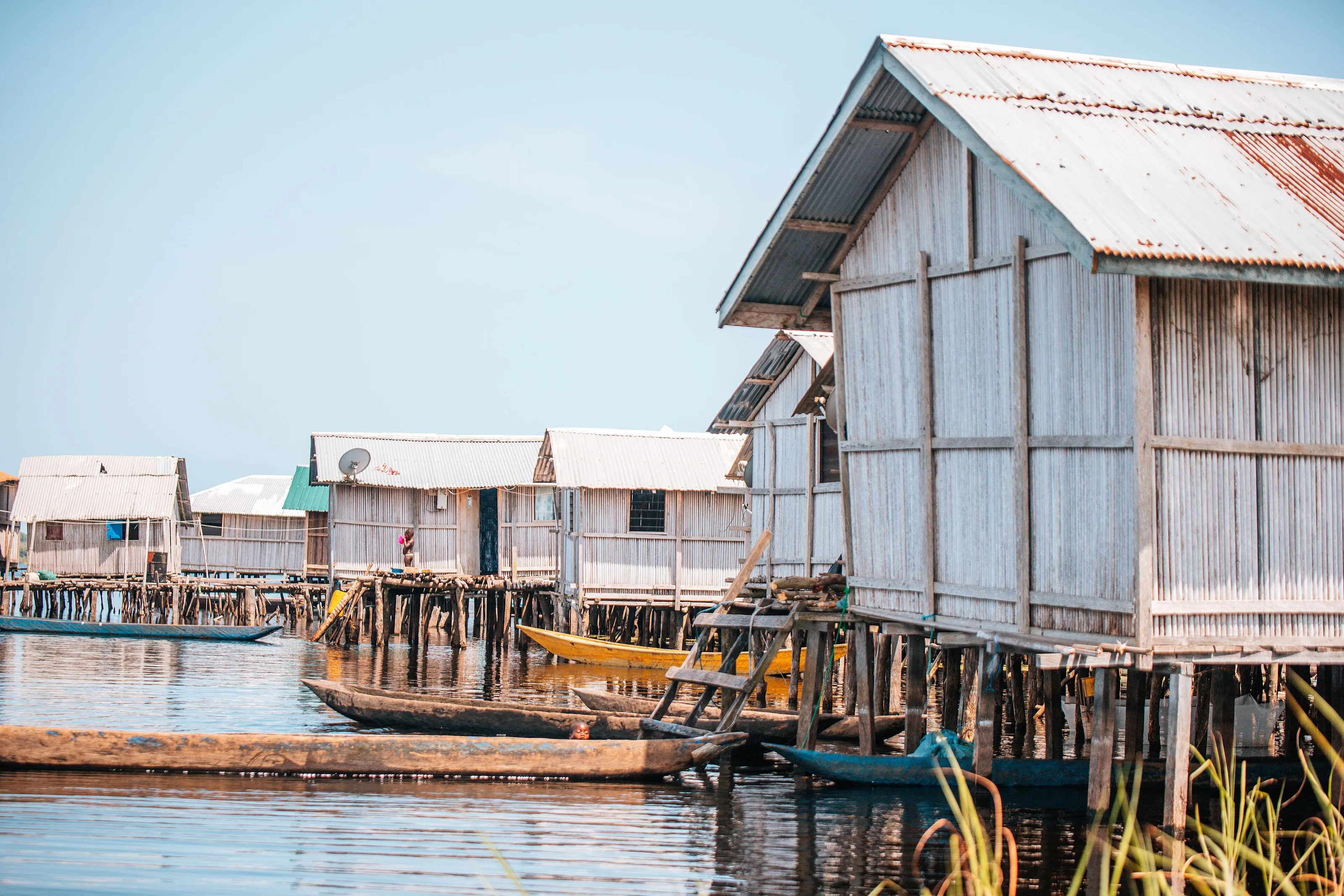
Kakum National Park offers a trail of suspended walkways in the canopy, pleasant for birds and butterflies even though mammals are rarely seen. Further west, the lake village of Nzulezo, built on stilts, is reached by canoe: a place apart, protected and fragile.
The Volta region and Wli Falls
In the east, the Volta region mixes hills, forests and villages. Wli Falls, in the Agumatsa sanctuary near the Togo border, are often described as the highest in the country, reached by a forest trail. Lake Volta, the huge reservoir of the Akosombo dam, also offers cruises. Want to go further east? Our Togo page covers the direct neighbour.
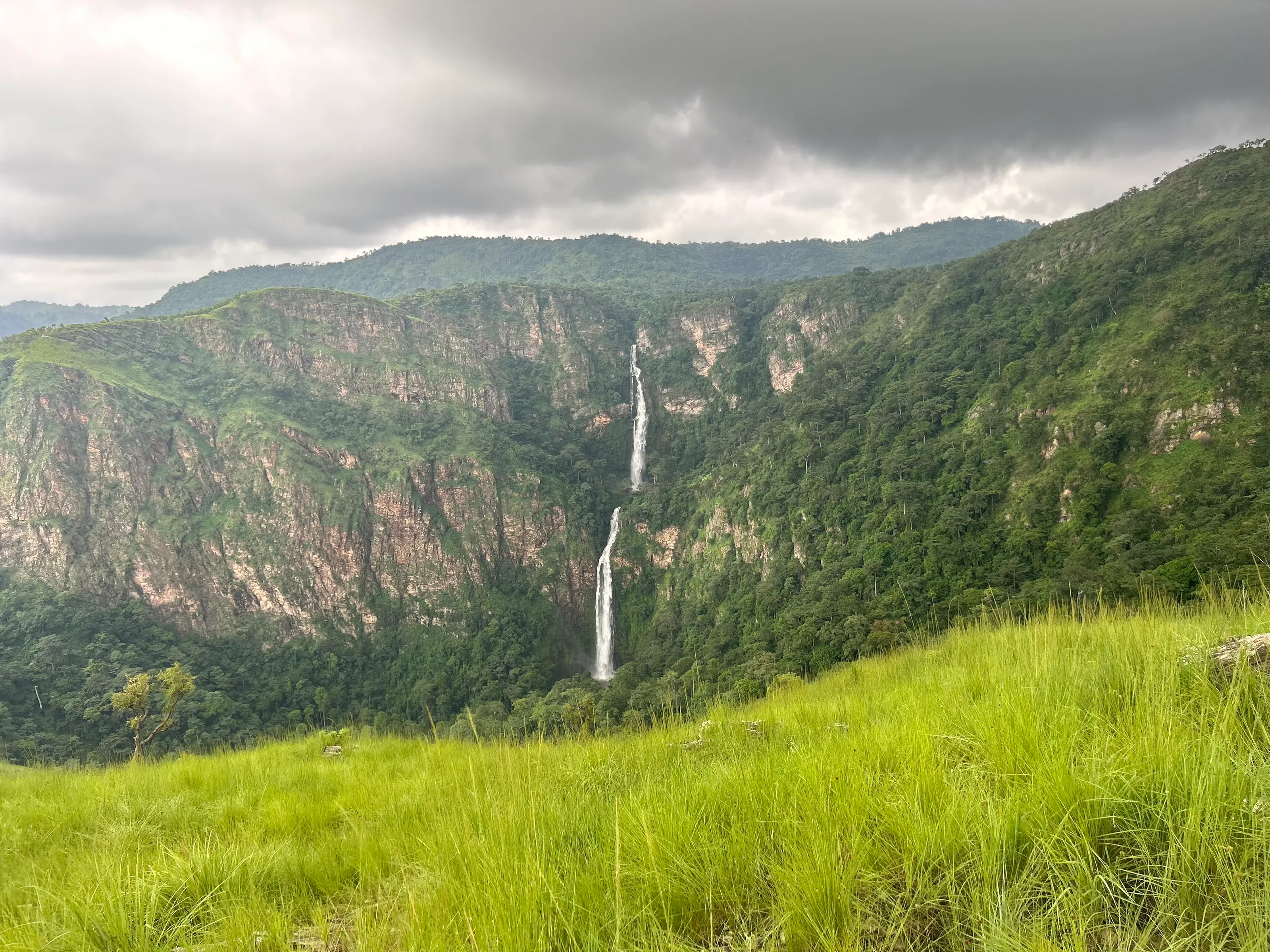
Mole National Park and the north
In the north, Mole National Park is the country's main park: savanna, buffalo, antelope and elephants watched on foot or by 4x4. You can sleep on site, facing a waterhole. Further south, Kumasi, the former Asante capital, deserves a stop for its palace, markets and kente weaving. For another nearby stop, see our Ivory Coast page.
Before you go
Hot all year, two rain patterns and the harmattan
| Region | Climate | Best time to visit |
|---|---|---|
| Coast and Accra | Hot and humid all year. Main rains April to July, a short rainy season in September-October. | November to March |
| Forest (Kakum, Kumasi) | Hot and humid, heavy rain in the rainy seasons. Trails are easier in the dry season. | November to March |
| Volta region | Tropical climate, spring and autumn rains. Waterfalls are fuller after the rains. | November to March for walking; after the rains for waterfalls |
| North (Mole, Tamale) | One rainy season from May to September; hot dry season the rest of the year. Between December and March the harmattan brings dry wind and dusty haze. | December to April for wildlife |
The harmattan, from December to March, makes the air very dry and visibility poorer in the north, yet it is also the most comfortable season to travel. Summer rains can make secondary roads difficult.
Getting around
Tro-tros, intercity coaches and domestic flights
People get around by tro-tro (shared minibuses, cheap but cramped), shared taxi or ride-hailing app in Accra. Intercity coaches link the main towns and the coast, and domestic flights serve, for example, Kumasi and Tamale. Traffic drives on the right.
Accra traffic is heavy, so leave extra time to reach the airport. For an organised trip, a car with a driver makes journeys between Cape Coast, Kakum and Volta easier. Mobile money is widely used, but keep some cash in cedis for markets and small towns.
Food and culture
Jollof, banku and grilled fish
Jollof rice, spiced and cooked in a tomato sauce, is the emblem of West African cooking and is eaten in Ghana with chicken or fish. Waakye pairs rice and beans, and banku (fermented maize dough) is eaten with grilled tilapia and a hot pepper sauce.
Kelewele, spiced fried plantain, is a popular street snack. Ghana is also a major cocoa producer, and local chocolate makes a good souvenir.
Flying to Ghana
The Ghanaian airport covered by SniperAir
Kotoka International (Accra)
The country's only international airport, about ten kilometres from central Accra; the drive takes from twenty to forty minutes depending on traffic. It is the starting point for every trip to Cape Coast, Kakum, Volta and the north.
FAQ
Frequently asked questions about Ghana
Which airport should I fly into for Ghana?
Accra (ACC) is the country's main international airport and the natural starting point for trips to Cape Coast, Kakum, Volta and Mole. There is no need to look elsewhere for a first visit.
When is the best time to visit Ghana?
November to March is the dry season in the south, the most pleasant for the coast and forests. In the north, December to April is ideal for wildlife at Mole, though the harmattan can haze the air.
Is Ghana expensive to visit?
Ghana remains more affordable than some other West African destinations for accommodation and local meals. Excursions and tourist lodgings cost more. A well-prepared trip and flights at the right time make the difference.
Do I need a visa to travel to Ghana?
Entry rules depend on your nationality and change over time. A visa is generally required, along with a yellow fever vaccination certificate. Check official sites and your government's travel advice before booking.
How long should I spend in Ghana?
Plan ten to twelve days for Accra, the coast, Kakum, Kumasi and a visit to Mole or Volta. A week is enough for the coast and Accra alone.
What health precautions should I take?
Talk to your doctor or a travel clinic before departure: yellow fever vaccine, malaria prevention and other vaccines to check according to your route.
How do I get alerted when flights to Ghana drop in price?
Create a SniperAir alert profile with your departure airport and Accra as the destination. We track prices and notify you when an opportunity matches. See how it works.
Ready to track prices to Ghana?
Create an alert and let SniperAir do the rest.
Create my alert