
Travel to Lithuania
A Baroque capital on the UNESCO list, a castle on a lake, a dune coast and a country that is still very affordable: Lithuania is the largest of the Baltic states and one of the most surprising. This guide covers what to know before you travel to Lithuania and how to catch cheap flights to Vilnius.
Lithuania in numbers
Capital
Vilnius
Population
~2.8 M
Area
65,300 km²
Currency
Euro
Language
Lithuanian
UNESCO sites
Several
Continent
Europe
Time zone
UTC+2
Airports covered
1
Why visit Lithuania
Baroque, bohemian and Baltic dunes
Vilnius, a 352-hectare Baroque old town
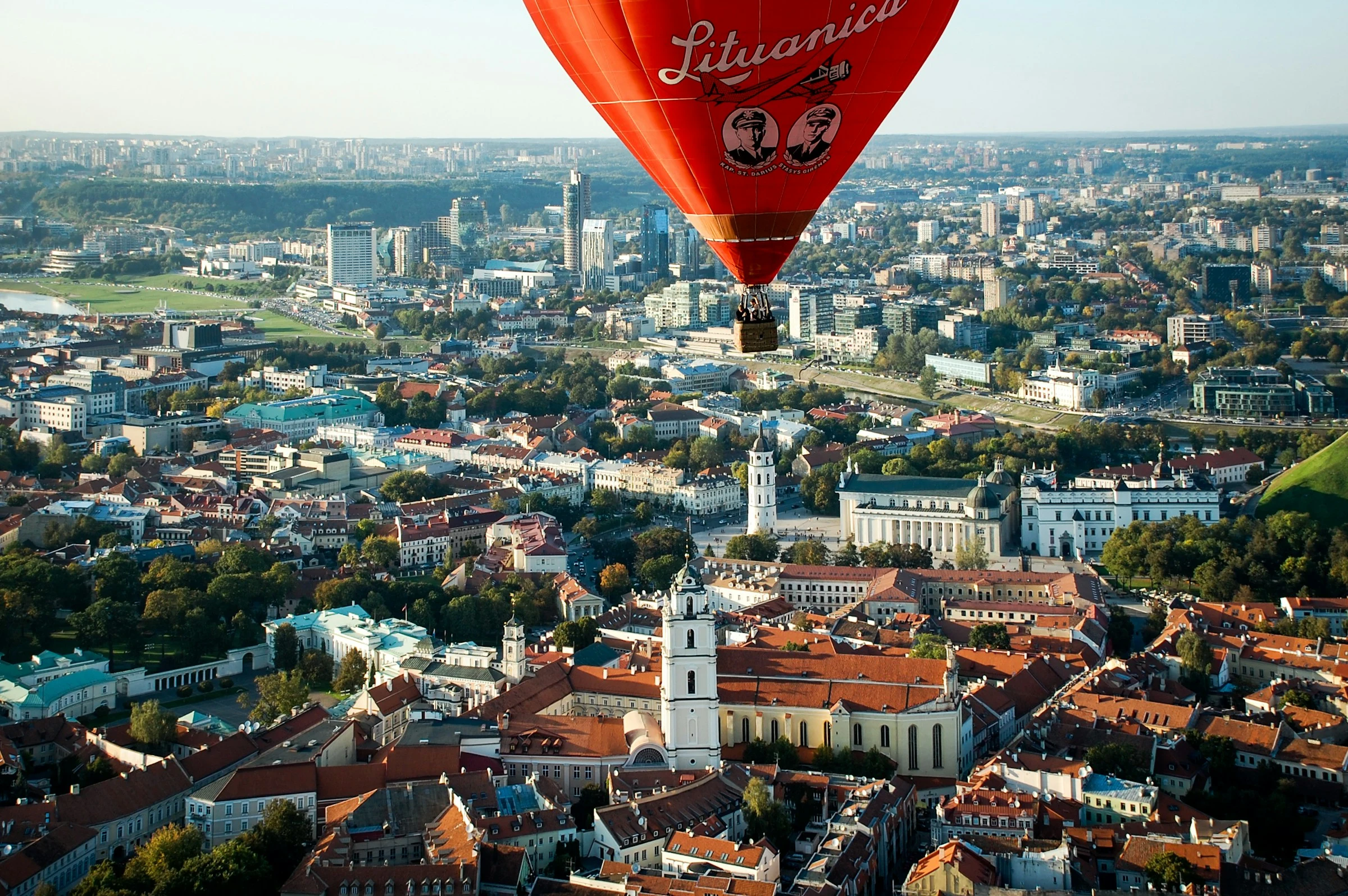
Declared a UNESCO World Heritage Site in 1994, Vilnius Old Town is one of Europe's largest and best-preserved. The Vilnian Baroque style is named after the city, the easternmost Baroque city.
Castles and a bohemian spirit
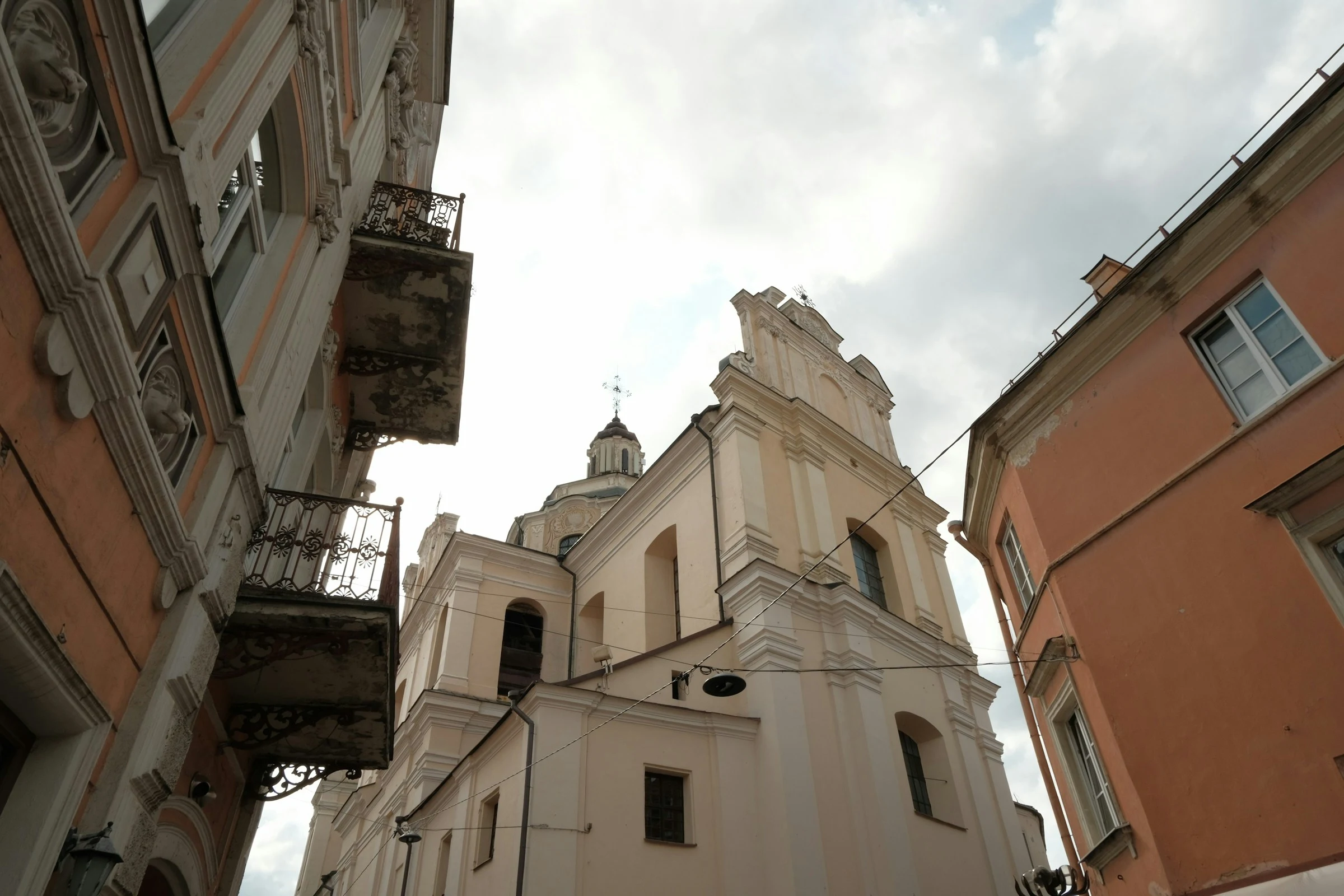
Trakai Castle is reflected in its lake 28 km from the capital, and the Užupis district, a self-proclaimed republic, is home to artists and galleries. The country has about twenty castles.
The Curonian Spit and the coast
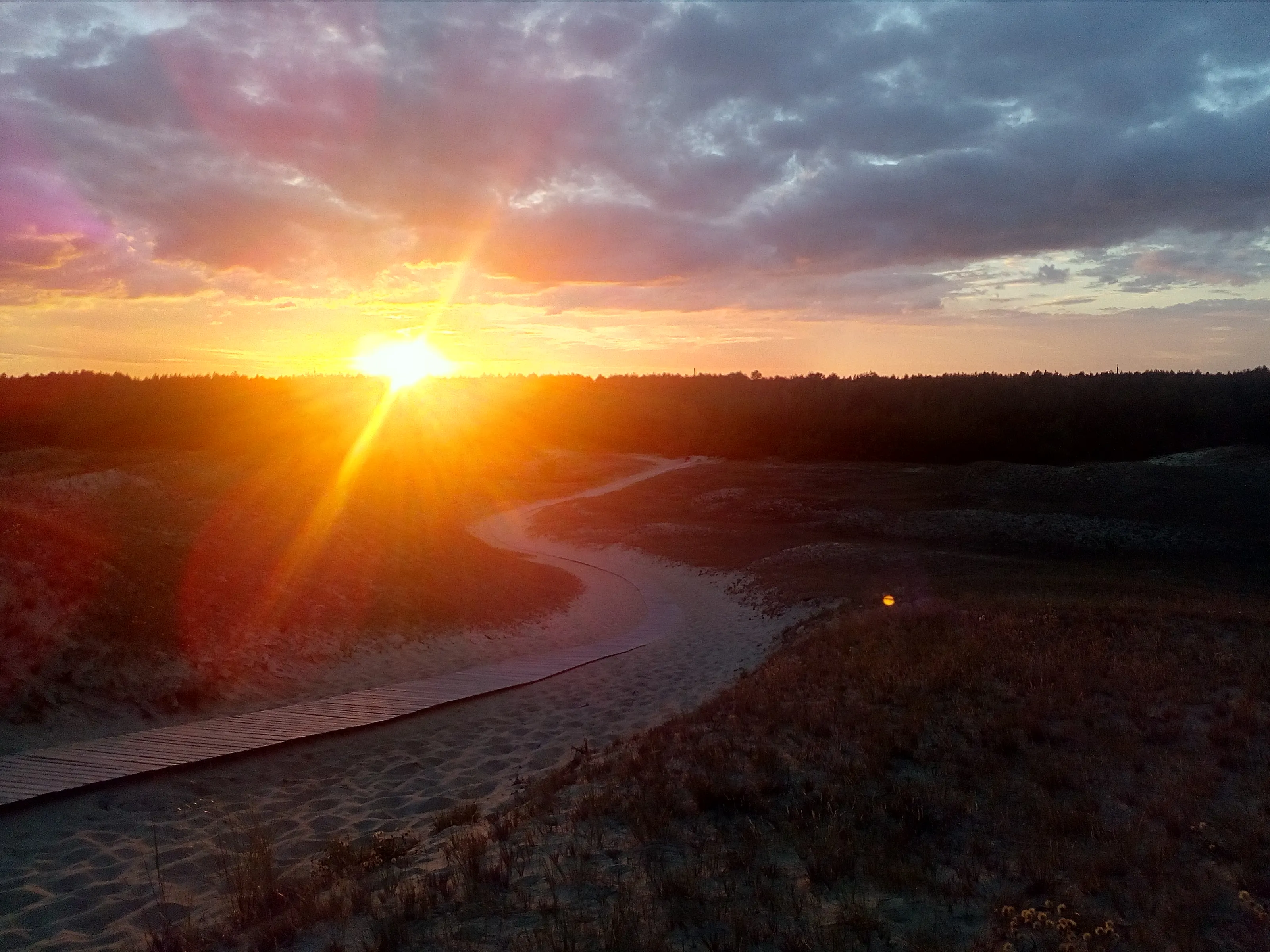
A 99 km strip of dunes, forest and secluded villages on UNESCO's list, reached by a short ferry from Klaipėda; Palanga has the best beach, long and sandy.
A living heritage
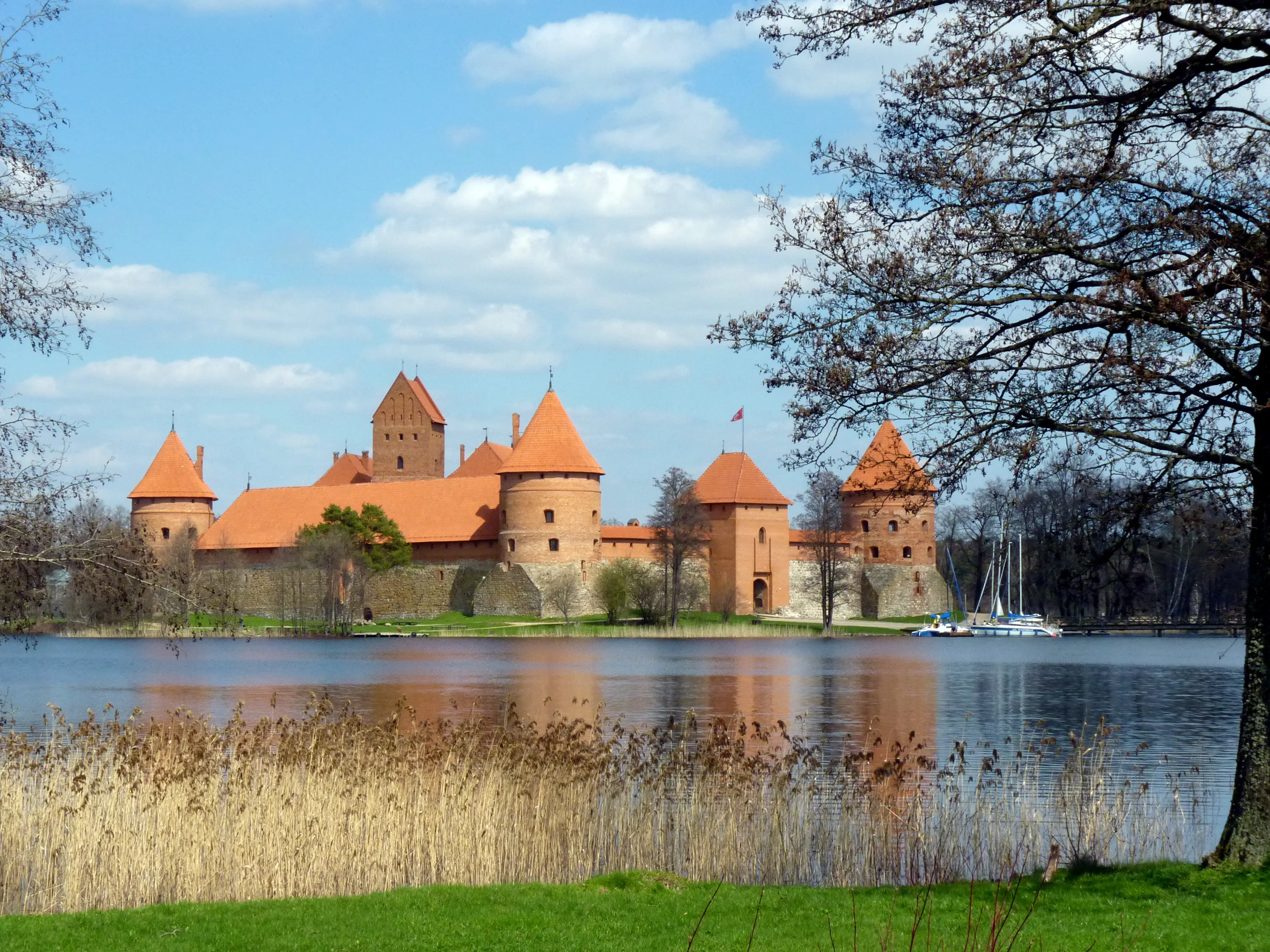
The Lithuanian Song and Dance Festival, with its Latvian and Estonian counterparts, has been on UNESCO's intangible heritage list since 2008; the Hill of Crosses near Šiauliai carries more than 100,000 crosses.
Signature places
Vilnius, Trakai, Kaunas and the coast
Vilnius and Trakai are enough for a first stay, but the Baltic coast and Kaunas show another side of Lithuania.
Vilnius, the Baroque capital
Vilnius has been the capital since at least 1323, the year Grand Duke Gediminas mentioned it as such in a letter. Baroque churches, Cathedral Square, the Gates of Dawn and Gediminas Tower mark the Old Town circuit, before you cross the bridge to Užupis. The country's best museums, hotels and restaurants are here too.
Trakai, the castle on the water
28 km west of Vilnius, Trakai Island Castle is the most picturesque in the country, with red towers reflected in the lake. Suburban trains link Vilnius with Trakai, and it is the place to try kibinai, small pastries of the Karaite community.
Kaunas, Šiauliai and the parks
Kaunas, the second city, has interwar modernist architecture and was the temporary capital from 1920 to 1940. To the north, the Hill of Crosses lies 12 km from Šiauliai. Aukštaitija National Park offers lakes and forest, home to elk, deer and wild boar.
The Curonian Spit, Klaipėda and Palanga
Klaipėda, the country's only port, has a half-timbered old town. From its ferry you reach the Curonian Spit and its villages, including Juodkrantė and its Hill of Witches decorated with folktale sculptures. Palanga, further north, is the liveliest seaside resort.
Getting around
Trains, buses and no domestic flights
The country is too small for domestic flights, so you travel by broad-gauge train, long-distance bus or car. From Vilnius station, suburban trains serve the airport and Trakai, and buses connect the capital with Riga, Warsaw and other European cities.
A car is useful on the Curonian Spit and in the parks. In Vilnius, night line 88N runs roughly from 11 pm to 5 am between the business district, the Old Town and the airport.
Before you go
Four ways to travel, by season
| Region | Climate | Best time to visit |
|---|---|---|
| Vilnius and the interior | Pleasant summers, very cold winters with snow and temperatures often below freezing for days | May to September; late December for the Christmas market |
| Coast and Curonian Spit | More maritime and milder, often windy | June to August |
| Kaunas and Šiauliai | Temperate with a continental tendency | May to September |
| Aukštaitija and the lakes | Lakes and forest, snowy winters | June to September for hiking |
Lithuania is in the EU, the Schengen area (since 2007) and the eurozone (since 2015). Bring waterproofs and warm clothes at any time of year: summer is the rainiest season and spring the driest.
To combine several countries, see also Latvia, Estonia and Poland.
Food
Cepelinai, pink soup and mead
Lithuanian food is hearty: cepelinai ("zeppelins"), large potato dumplings stuffed with meat, are the emblematic dish, alongside kugelis (baked potato pudding), rye bread and skilandis, a cold-smoked sausage. In summer, people eat šaltibarščiai, a pink soup of beetroot and soured milk.
Among drinks, gira is a fermented bread drink and midus a traditional mead. Amber is the signature jewel of the Baltic, widely sold in the markets of Klaipėda.
Flying to Lithuania
The Lithuanian airport SniperAir covers
Vilnius International (Vilnius)
The country's principal airport, about 6 km south of the centre, served by suburban train and bus; direct flights from many cities in northern Europe and the Mediterranean.
FAQ
Frequently asked questions about Lithuania
What is the best airport to fly into for Lithuania?
Vilnius International (VNO), tracked by SniperAir, is the country's principal airport, about 6 km from the centre. Kaunas also has low-cost flights but is not among our covered airports.
When is the best time to travel to Lithuania?
May to September for the cities, lakes and coast. Late December suits Vilnius's Christmas market, but winters there are very cold.
Is Lithuania expensive?
No: prices are low to medium for Europe, a little higher in Vilnius, and cards are accepted almost everywhere.
Do I need a visa for Lithuania?
Lithuania is part of Schengen: EU citizens need only an ID card or passport, and visa-exempt visitors can stay up to 90 days in 180.
How long should I spend in Lithuania?
Two to three days for Vilnius and Trakai, five to seven with Kaunas and the Curonian Spit.
Can I visit Trakai from Vilnius?
Yes: Trakai Castle is 28 km west of Vilnius, and suburban trains link the two towns.
How do I get alerted when a flight to Lithuania drops below my budget?
Create a SniperAir alert profile with your departure airport and Vilnius as your destination: we track prices for you and notify you the moment a deal matching your criteria appears.
Ready to track prices to Lithuania?
Create an alert and let SniperAir do the rest.
Create my alert