Travel to Afghanistan: heritage and landscapes
Lakes of intense blue at nearly 3,000 m, the turquoise tilework of Herat and Mazar-i-Sharif, a 12th-century brick minaret at the bottom of a gorge and the high valleys of the Wakhan: Afghanistan is a country of heritage and landscapes to discover when conditions allow. Here is some background before you look at flights to Afghanistan.
Before reading further: many governments advise against or restrict travel to Afghanistan, and the situation can change. Check the official advice of your country of departure before considering any trip; this page only presents cultural and natural landmarks.
Afghanistan at a glance
Capital
Kabul
Area
About 650,000 km²
Currency
Afghani
Languages
Dari and Pashto
Highest point
Noshaq
Heritage
Minaret of Jam
Continent
Asia
Time zone
UTC+4:30
Airports covered
2
Why it fascinates
Mountain lakes, turquoise tilework and high valleys
Lakes of a rare blue
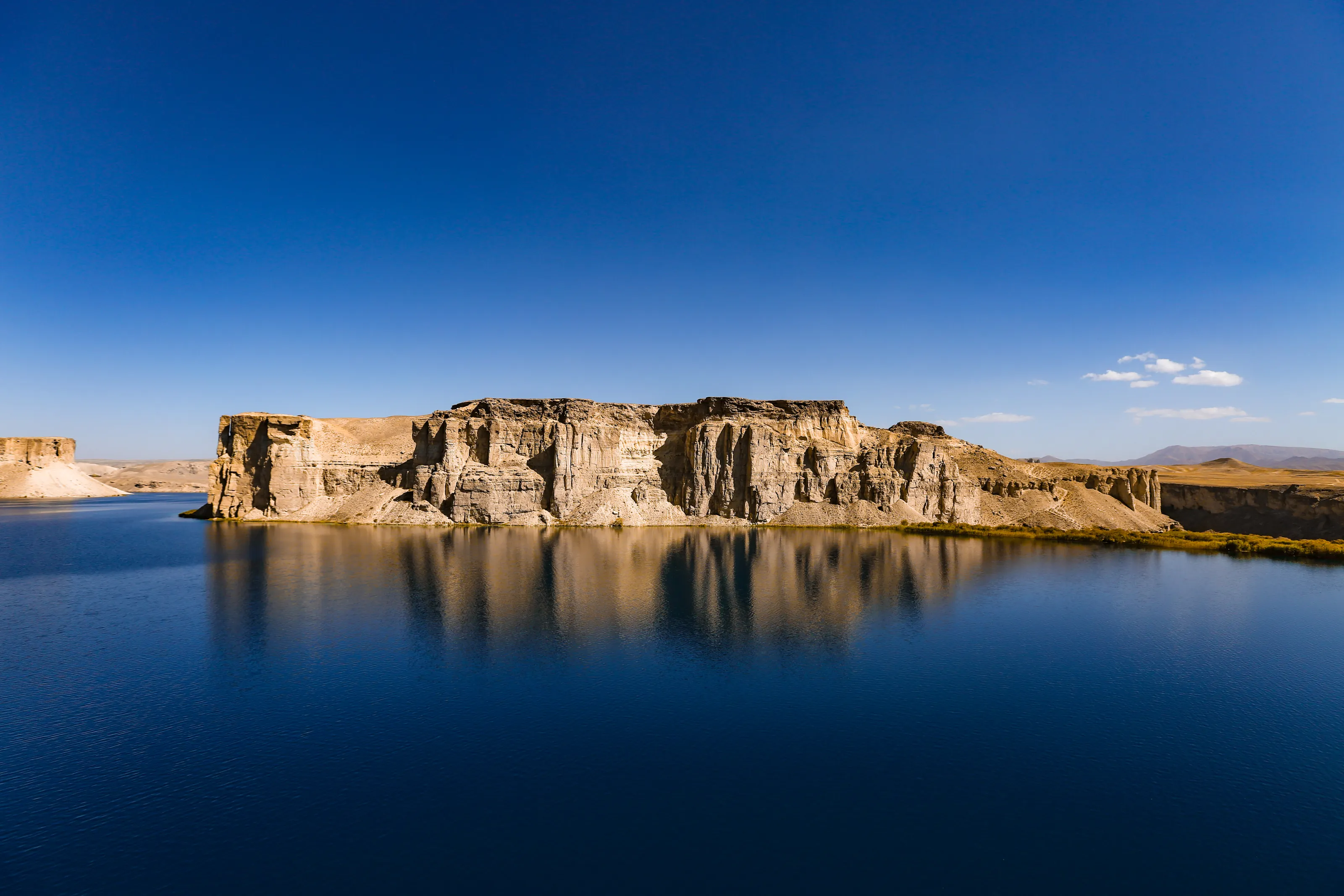
At Band-e Amir, six lakes in a chain, held back by natural travertine barriers, show an intense blue below ochre cliffs: the country's first national park, created in 2009.
The Timurid legacy of Herat
In the 15th century Herat was a focal point of the Timurid Renaissance, with the poet Jami and the painter Behzad: its mosque, citadel and mausoleum keep that memory alive.
A minaret in its gorge
The Minaret of Jam, built of baked brick and decorated with calligraphy and geometry, has stood between two rivers since the 12th century; it is UNESCO-listed since 2002.
From the Wakhan to the Panjshir
Between the Pamir, Hindu Kush and Karakoram, the Wakhan peaks at the Wakhjir Pass (4,923 m); in the Panjshir a glacier-fed river crosses a green valley.
Highlights
Band-e Amir, Herat, Mazar-i-Sharif, Jam, the Wakhan and the Panjshir
These are the places that give Afghanistan its reputation for nature and heritage. They are presented as cultural information, landmarks to discover when conditions allow; this page offers no itinerary and no on-the-ground advice.
Band-e Amir, the lakes of the Bamyan region
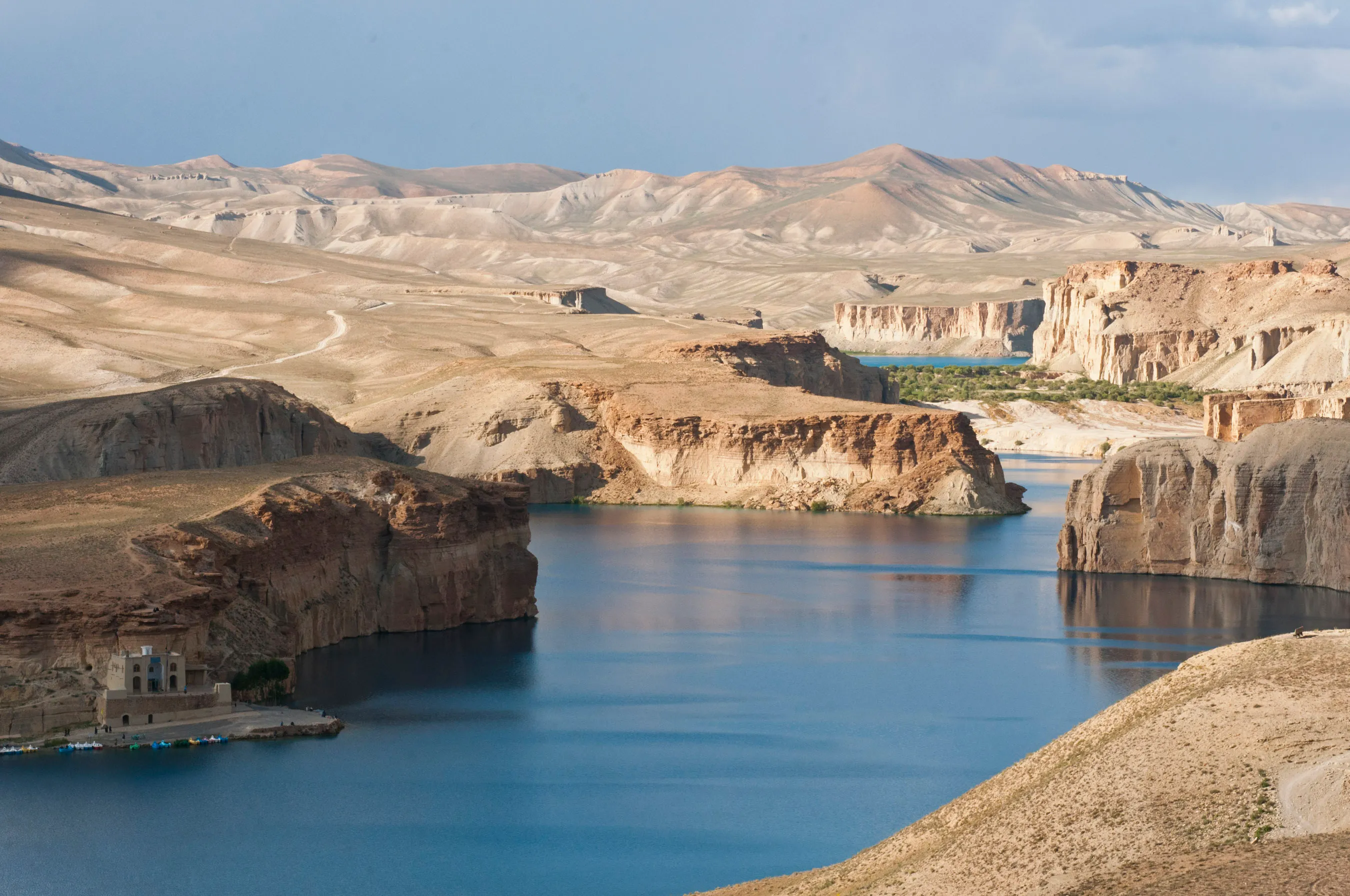
In the mountainous centre of the country, at about 2,900 m, a chain of six lakes stretches between limestone cliffs: mineral-rich water has deposited calcium carbonate and, over time, built travertine dams. The lakes are visited mainly from late spring to summer, as winters are very cold.
Herat, a city of poets and tilework
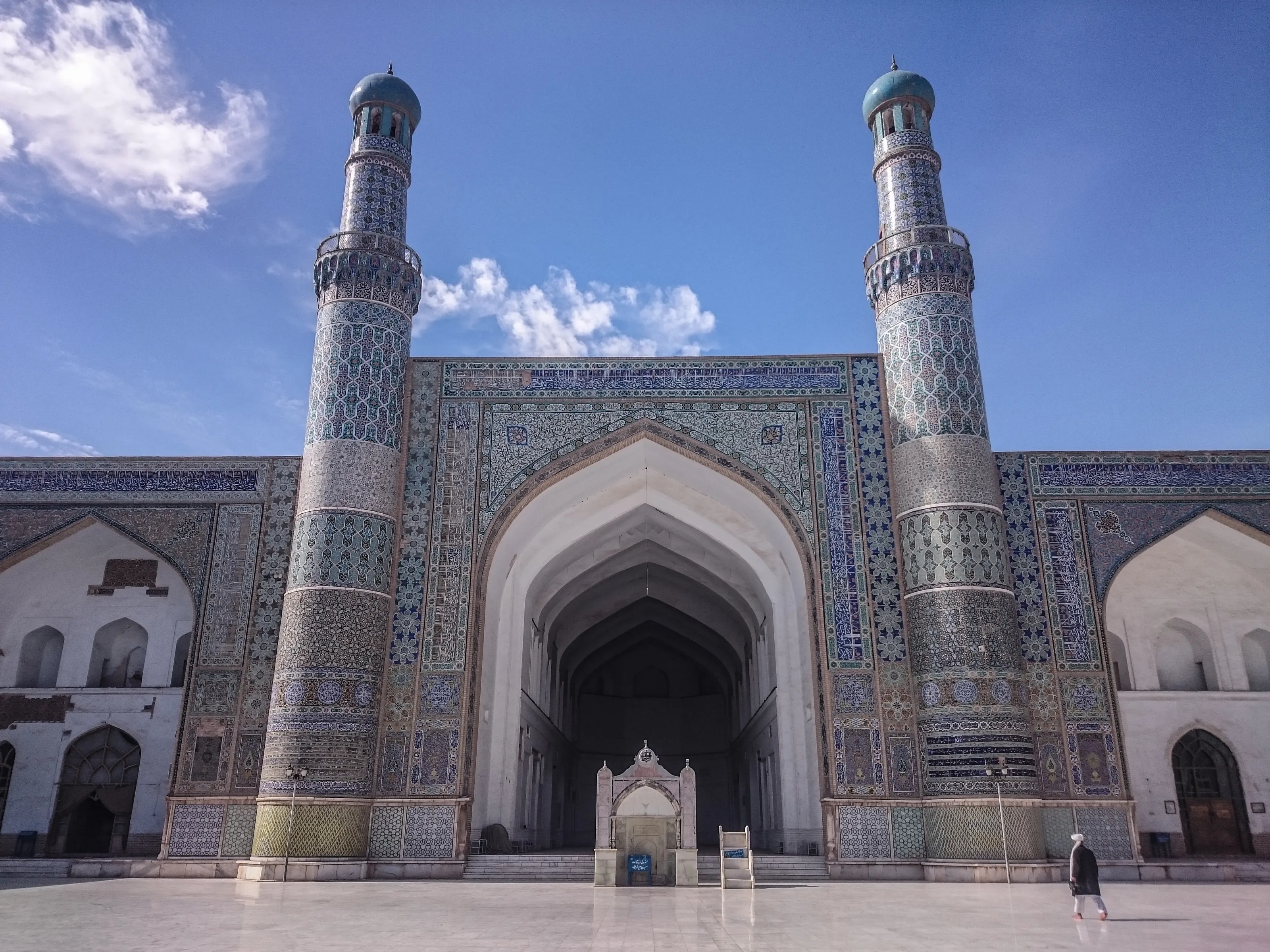
In the Hari River valley, Herat was taken by Timur in 1383 and then became, in the 15th century, a centre of the Timurid Renaissance. Its Friday Mosque with blue-tiled minarets, its citadel and the mausoleum of Gawhar Shad recall that era; the climate is semi-arid, with rain mostly in winter.
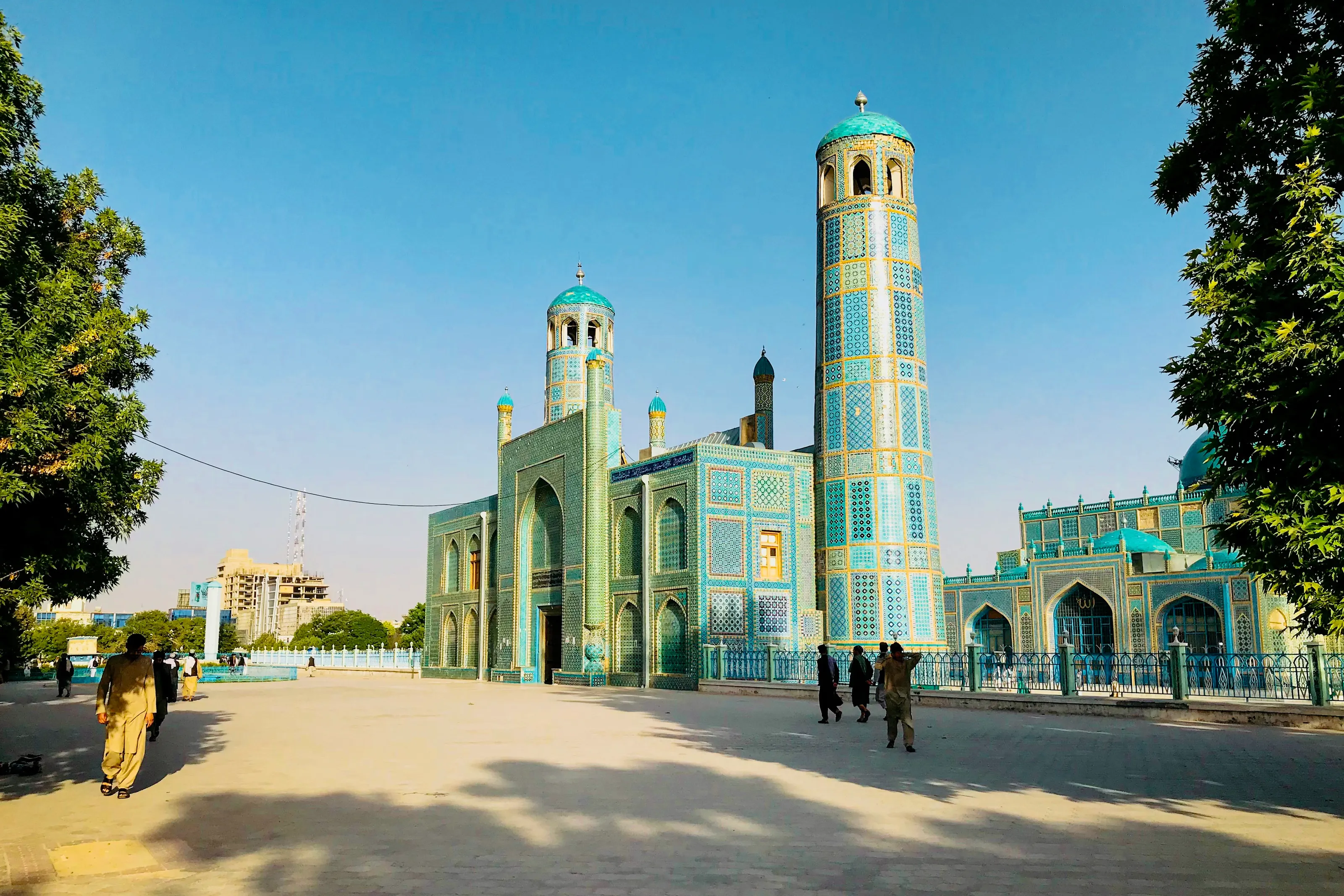
Mazar-i-Sharif and the Blue Mosque
In the north, Mazar-i-Sharif is known for its turquoise-tiled shrine, linked by many Afghans to the tomb of Ali, and for Nowruz on 21 March, which draws a crowd to the forecourt. The ancient city of Balkh lies about 25 km away. Summers often exceed 40 C.
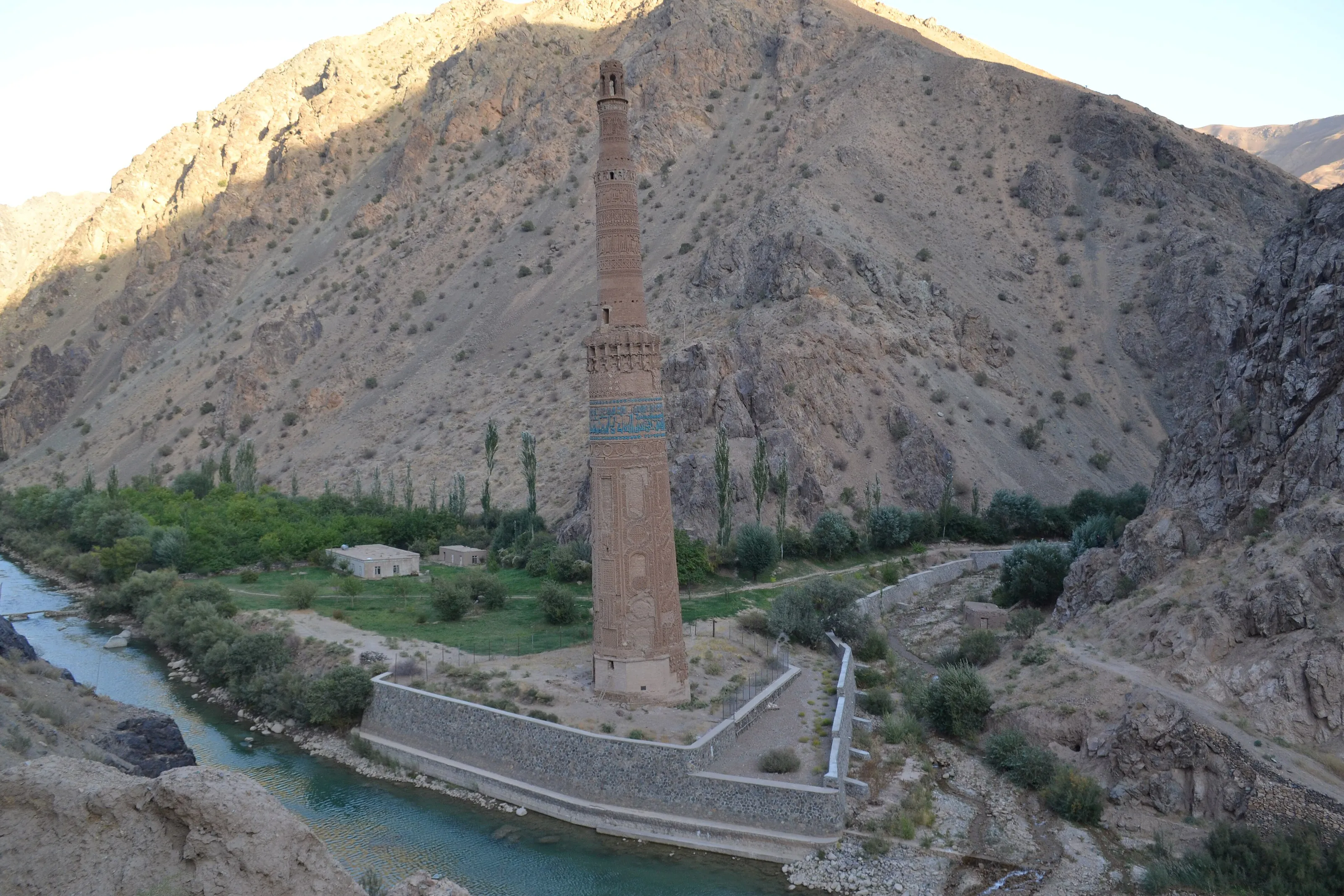
The Minaret of Jam, in Ghor Province
Built in the late 12th century of baked brick, the Minaret of Jam rises above sixty metres. Its surface is covered in bands of calligraphy, geometric patterns and turquoise tiles; it stands where the Jam Rud meets the Hari Rud, in a gorge that makes it all the more striking.
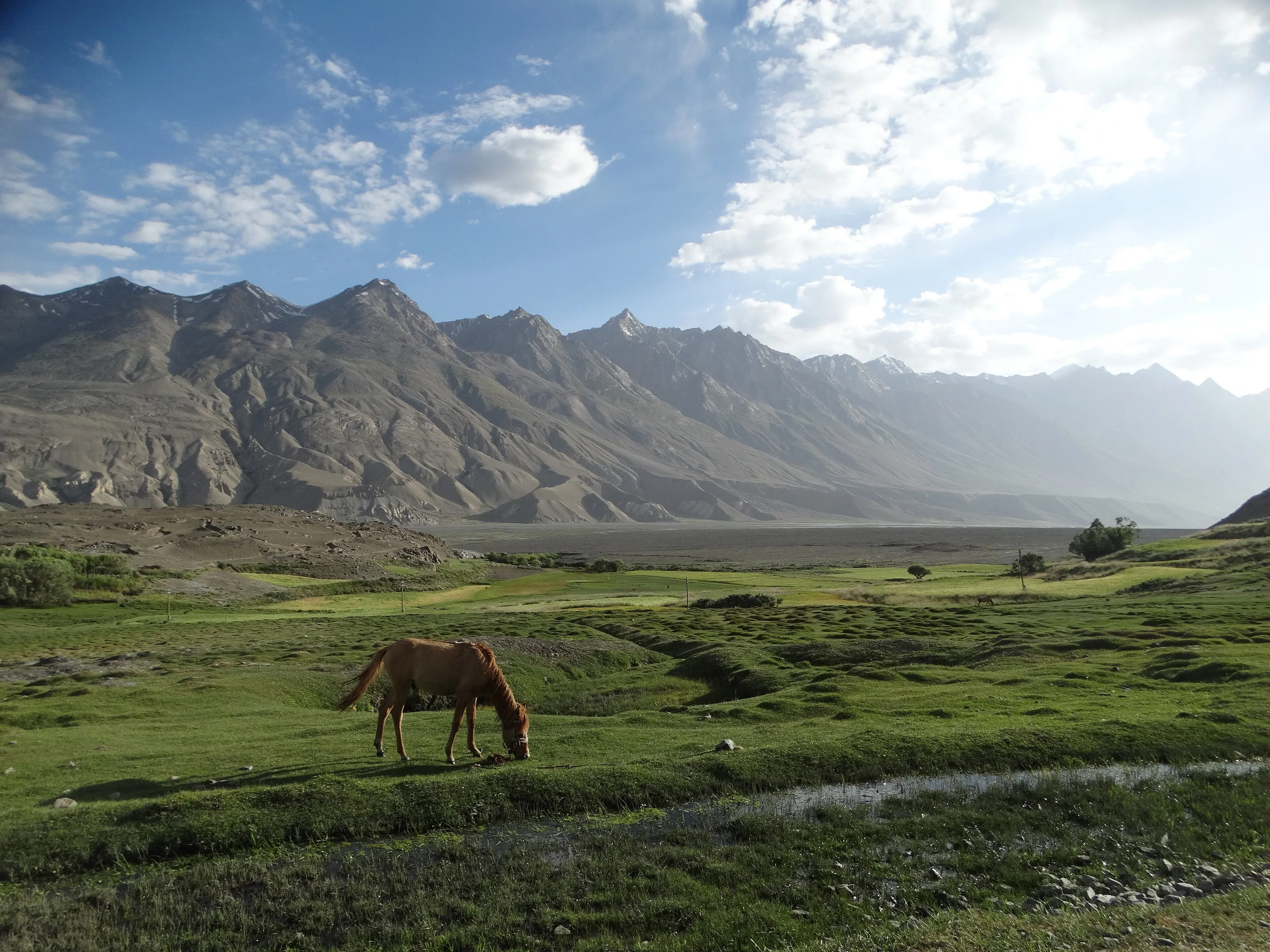
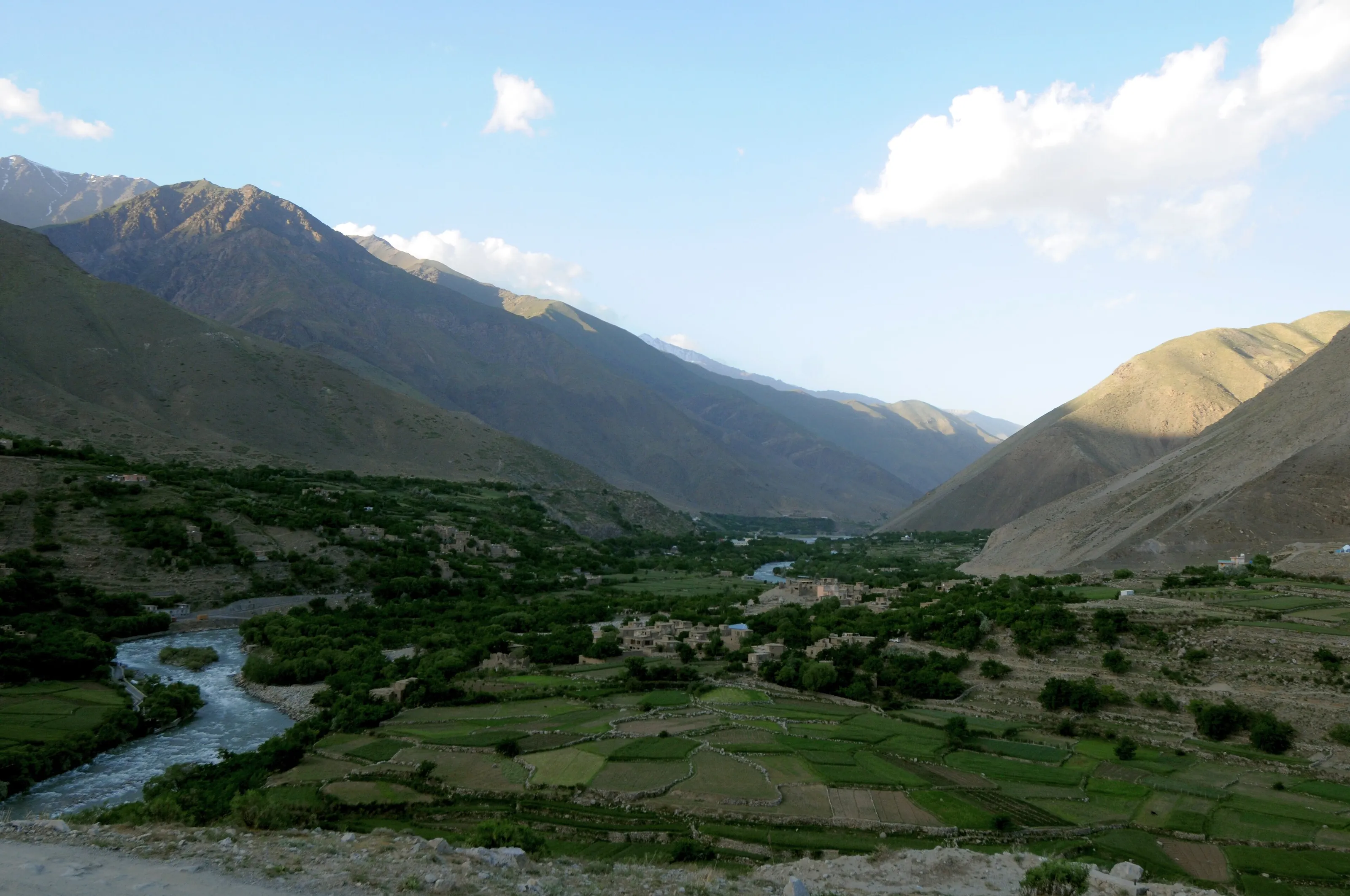
The Wakhan and the Panjshir Valley
The Wakhan is a narrow high-mountain valley between the Pamir, Hindu Kush and Karakoram, where Wakhi and Kyrgyz communities live from herding. In the Panjshir, whose Persian name means 'five lions', a glacier-fed river waters terraced fields in the heart of the Hindu Kush.
Before you go
Continental climates: spring, autumn and a short season at altitude
| Area | Climate | Period often cited |
|---|---|---|
| Band-e Amir lakes and highlands | Very cold winters (down to about -20 C), short season. | Late spring to summer |
| Herat | Semi-arid: cool winters, rain mostly in winter, hot summers. | Spring and autumn |
| Mazar-i-Sharif and the north | Summers often above 40 C, cold winters with possible snow. | Spring (Nowruz, 21 March) and autumn |
| Wakhan and Hindu Kush valleys | High altitude, Wakhjir Pass at 4,923 m. | Late spring to early autumn |
Many governments advise against or restrict travel to Afghanistan. These climate notes are cultural information only; check your departure country's official advice before considering any trip, and follow it. Entry requirements vary by nationality.
Getting around
A mountain country, distances not to be underestimated
The Hindu Kush imposes long distances between regions, and high-mountain roads are not passable all year. Travel conditions change and depend on decisions that only the official sources of your country of departure can reliably communicate.
This page offers no itinerary and no on-the-ground advice. It presents the country for what is most precious about it: its heritage, landscapes and culture, to discover when conditions allow.
Culture and food
Persian poetry, miniatures and pilaf
Herat is a centre of Persian culture, linked to the poet Jami and the miniature painter Behzad. That tradition of poetry, calligraphy and glazed ceramics can still be read on the facades of the great mosques.
At the table, Afghan cooking rests on rice pilaf (palaw), steamed dumplings (mantu), naan bread and green tea, with dried fruit and raisins alongside.
Travel to Afghanistan
The Afghan airports tracked by SniperAir
Hamid Karzai International
Kabul's airport, in the capital. Some services may be suspended or limited: check the situation before any booking.
Kandahar International
Kandahar's airport, in the south. Some services may be suspended or limited: check the situation before any booking.
FAQ
Frequently asked questions about flights to Afghanistan
Which airport for a flight to Afghanistan?
SniperAir tracks Kabul (KBL) and Kandahar (KDH). Some services may be suspended or limited: check with airlines and the authorities before any booking.
When is the best time to travel to Afghanistan?
It depends on the region: late spring to summer for the mountain lakes, spring and autumn for Herat and the north. Winters are cold at altitude. These are only climate notes.
Is travelling to Afghanistan expensive?
The budget depends on many factors, and the flight is often a large share. We give no prices or estimates: conditions can change and fares vary widely.
Do I need a visa for Afghanistan?
A visa is generally required, but conditions vary by nationality and can change. Ask the competent authorities and check the official website of your country of departure.
How long should I plan for?
The length depends entirely on conditions at the time, and SniperAir offers no itinerary. Distances are long and the terrain rugged; the answer belongs with official sources.
What should I know before going?
Many governments advise against or restrict travel to Afghanistan, and the situation can change. Check the official advice of your country of departure before considering any trip. This page is cultural information: it does not recommend travelling.
How do I get alerted when a flight to Afghanistan changes price?
SniperAir monitors flight prices and sends alerts; we do not sell or book any ticket. Create an alert profile with your departure airport if you follow this destination. See how it works.
Follow flight prices to Afghanistan?
Create an alert and let SniperAir do the rest.
Create my alert