
Travel to Burkina Faso
In the heart of West Africa, a land of sandstone cliffs, waterfalls in the savanna, houses painted with black and ochre patterns, mud mosques and a lively scene for film and crafts. Here is what to know before you look for cheap flights to Burkina Faso.
Burkina Faso in numbers
Capital
Ouagadougou
Population
Over 20M
Area
~274,000 km²
Currency
CFA franc
Languages
French, Mooré, Dyula
Economic capital
Bobo-Dioulasso
Continent
Africa
Time zone
UTC+0
Airports covered
1
Why visit Burkina Faso
Sandstone landscapes, painted houses and a living culture
The Sindou Peaks and Banfora cliffs
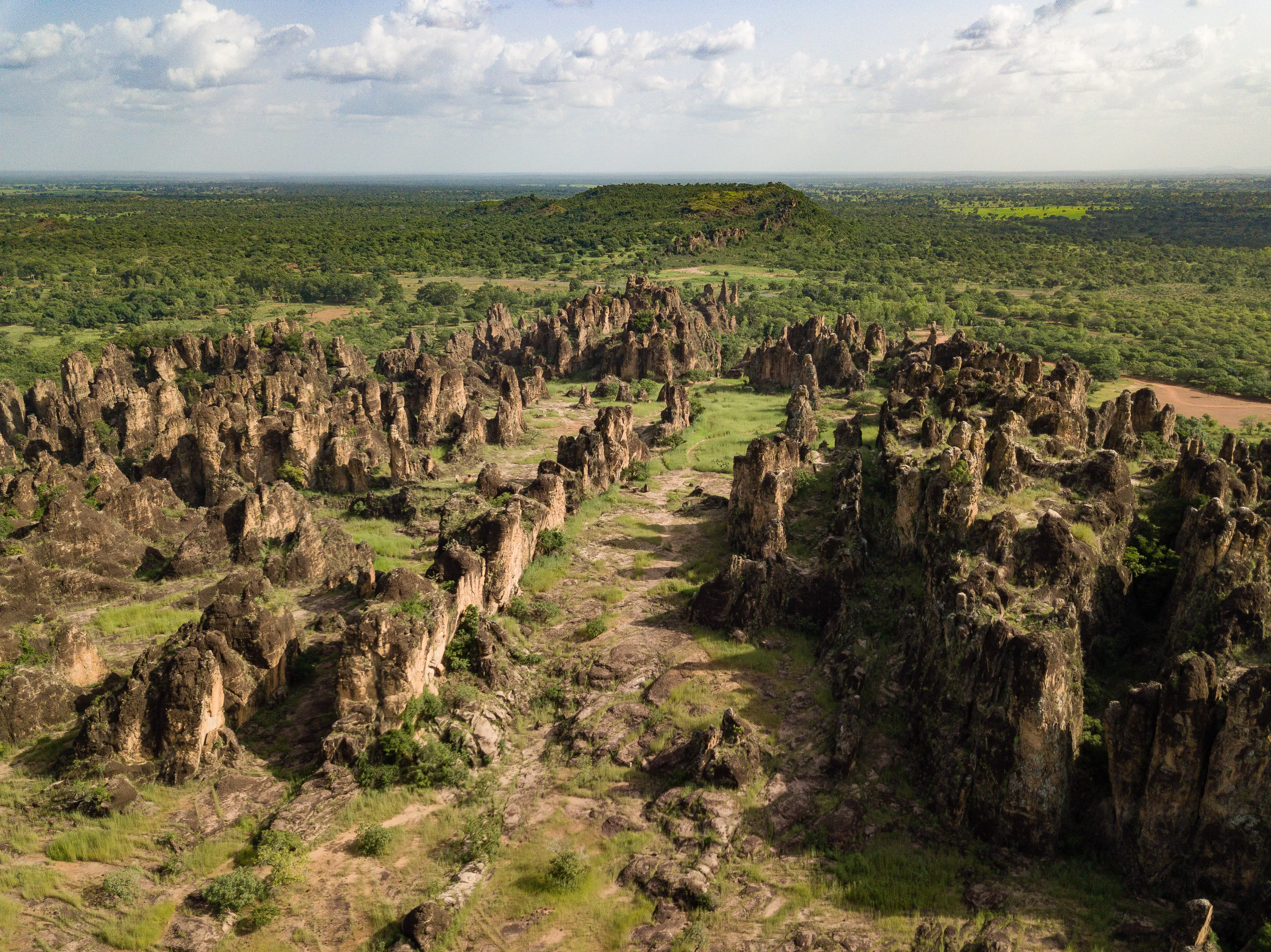
In the south-west a sandstone massif with steep faces rises out of the savanna: the Sindou Peaks, up to 415 metres, and the Banfora escarpment, reaching nearly 150 metres. They are the finest scenery in the country.
Waterfalls, pools and Lake Tengrela
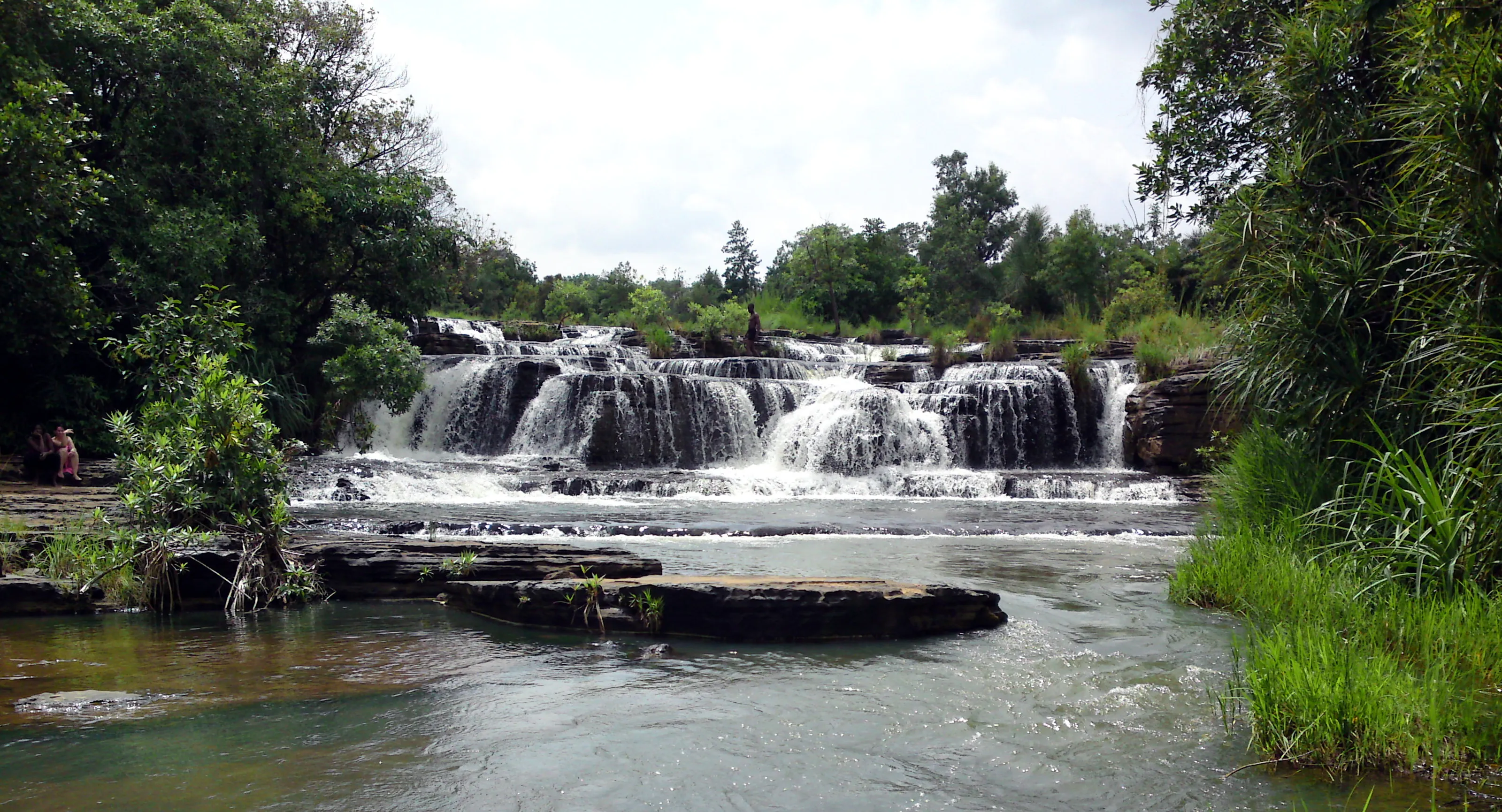
Around Banfora the Comoé river forms the Karfiguela waterfalls, a cool spot in the savanna. Nearby Lake Tengrela is known for its hippos and for canoe trips.
The wall art of Tiebele
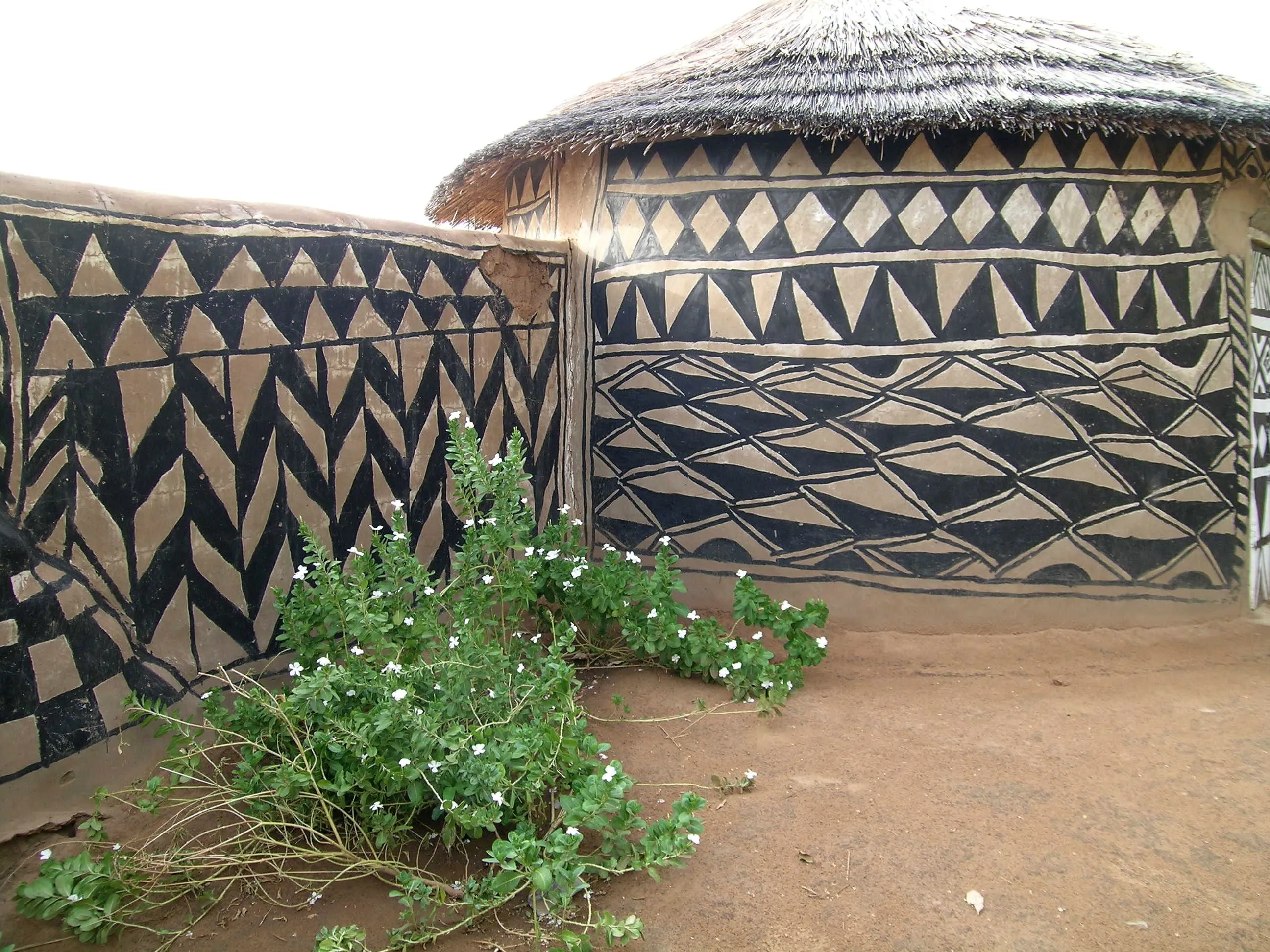
In the south, Kassena women decorate compound walls with black and white geometric patterns on an earth background. The royal court of Tiebele is one of the most photographed sights in the country.
A country of film and crafts
Ouagadougou hosts FESPACO, Africa's largest film festival, every two years, along with the International Arts and Crafts Fair (SIAO). Markets, bronze workshops, leatherwork and batiks are within easy reach.
Where to go
Banfora, Ouagadougou, Bobo-Dioulasso and Tiebele
Burkina Faso is best explored from the centre towards the south-west and south. Most sights are several hours by road from the capital, so allow whole days for travel and keep slack in your plans.
Banfora, the Karfiguela falls and the Sindou Peaks
Banfora, about 85 kilometres from Bobo-Dioulasso, is the base for the south-west. The Karfiguela falls, on the Comoé, form a run of cascades between natural pools and are at their best in the rainy season. Further west the Sindou Peaks make a maze of sandstone needles, best walked at sunrise or sunset. The region also grows sugar cane and mangoes.
Ouagadougou, the cultural capital
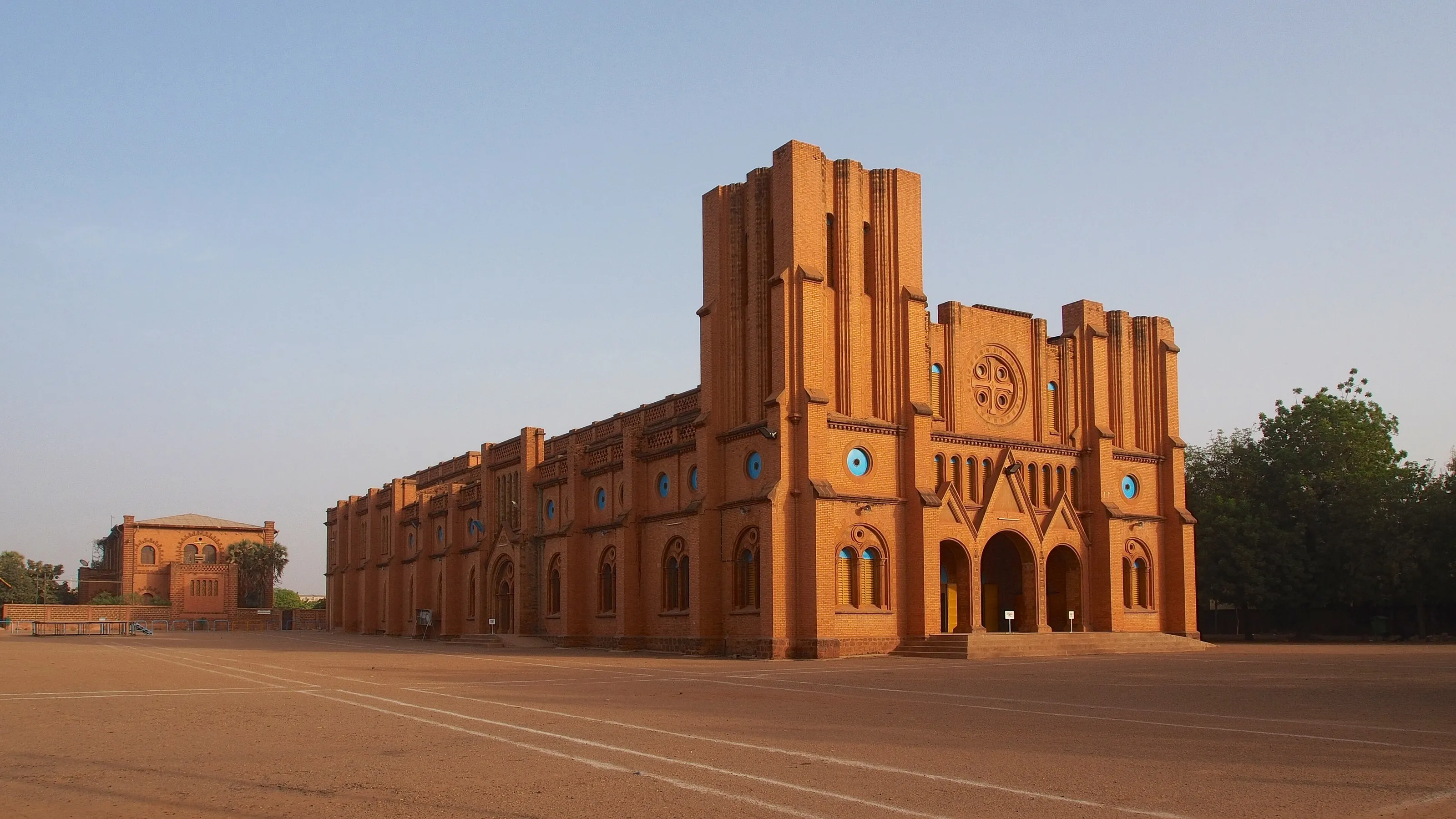
The capital has a national museum, the Bangr Weogo urban park, galleries, many craft workshops and a cathedral built of ochre brick. It lives by the rhythm of FESPACO, held in February of odd-numbered years, and the SIAO, held in late October or early November of even-numbered years. It is also the best place to buy bronze objects, leather and dyed fabrics.
Bobo-Dioulasso: music, mosque and old quarters
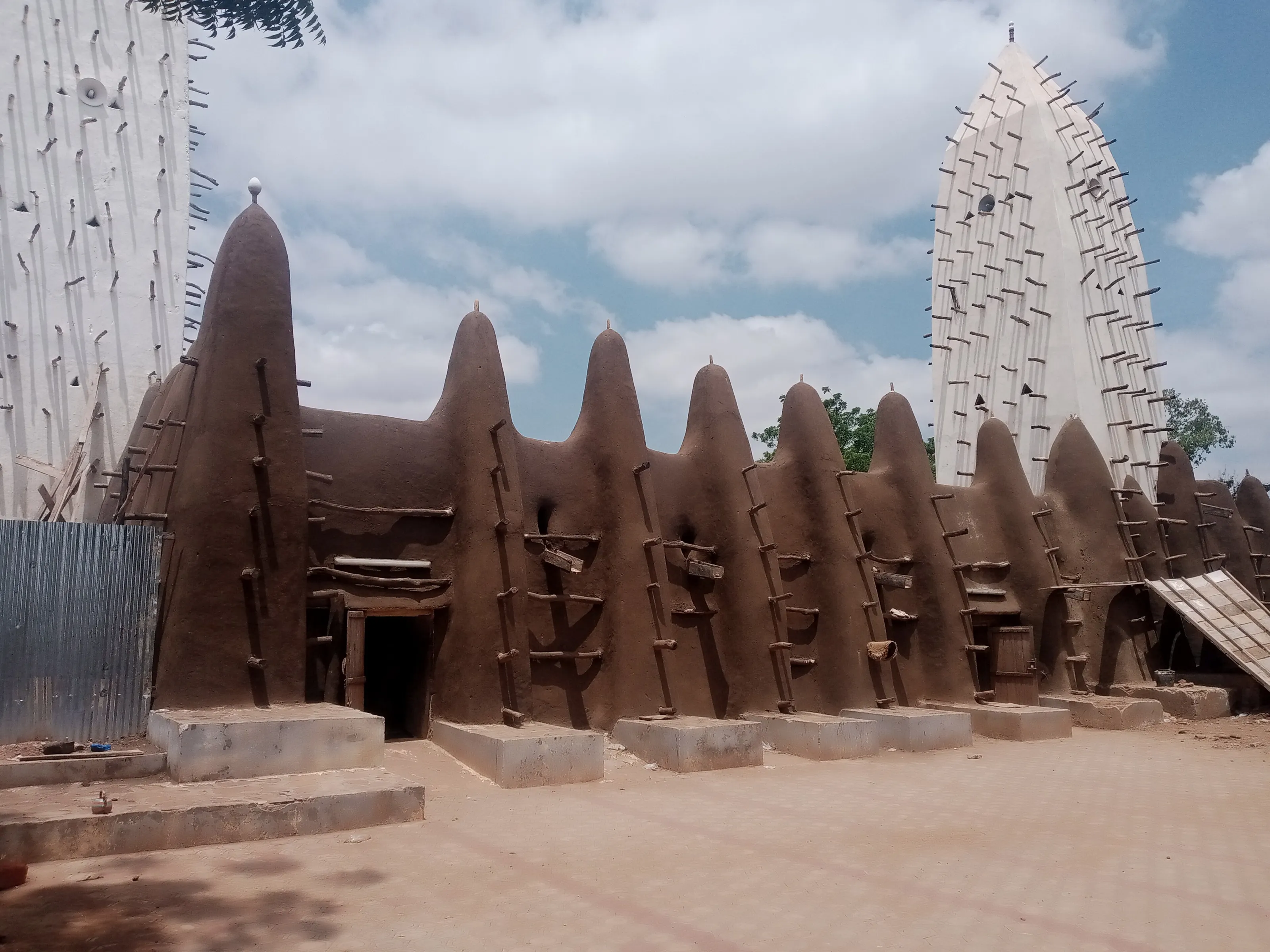
The second city is regarded as the country's musical capital. You can visit the Sudanese-style mud mosque of Dioulasso-Ba, the old quarter, the market and the colonial railway station. The National Culture Week is held here every two years, and open-air restaurants serve grilled chicken, rice with tomato sauce and local drinks.
Tiebele, Nazinga and the south
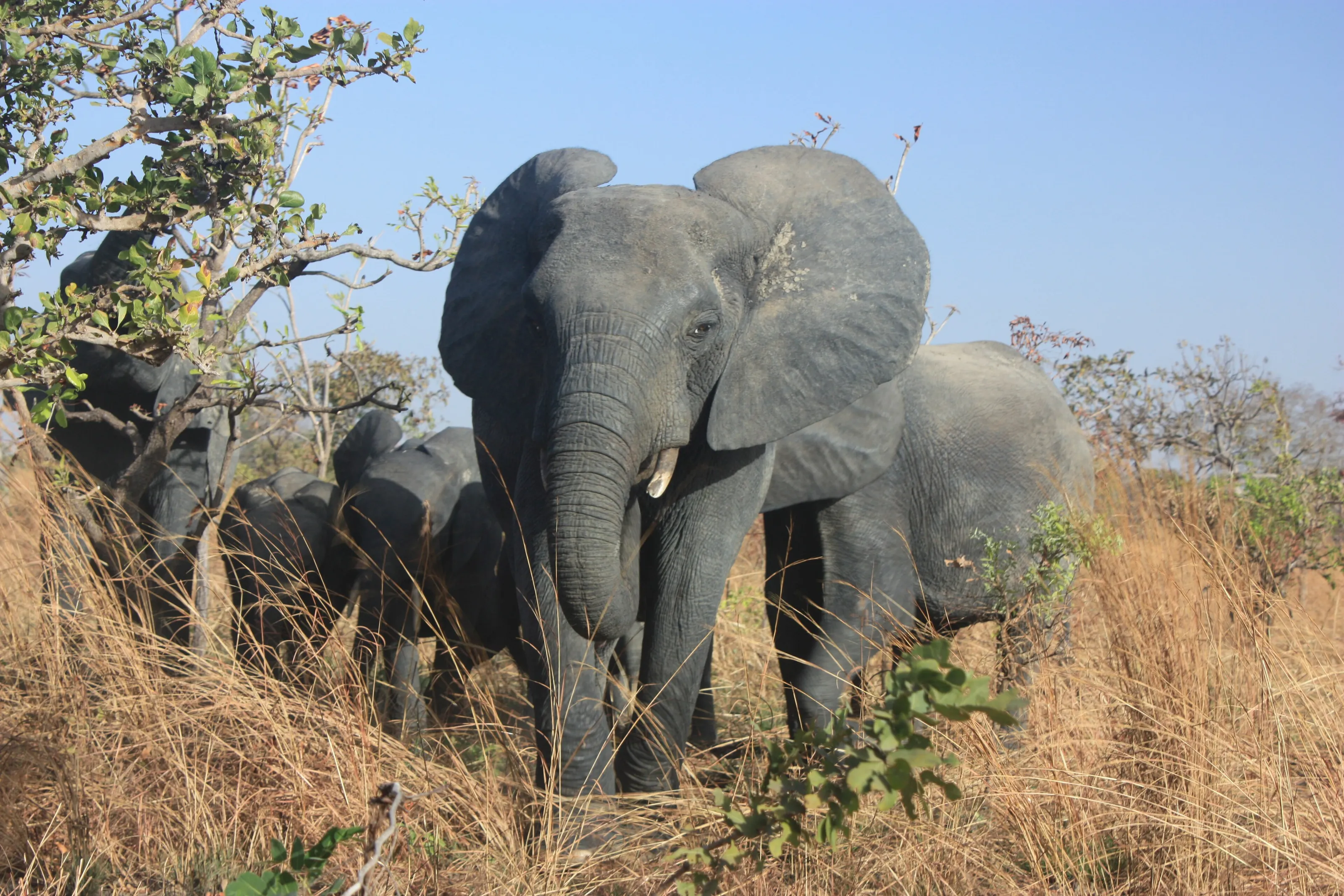
Near the Ghana border, Tiebele holds the Kassena royal court with its hand-painted walls. Further south the Nazinga game ranch, about 900 km², is known for elephants, best seen in the dry season. In the west, the ruins of Loropeni, listed by UNESCO in 2009, recall the old gold trade.
Before you go
Dry season from November to February, green season from June to September
| Area | Climate | Best time to visit |
|---|---|---|
| Ouagadougou and centre | Sudan-Sahel tropical: hot all year, peaking in March and April, with the harmattan, a dry dusty wind, in winter. | November to February |
| Sahel north | Under 600 mm of rain a year, with large swings between day and night temperatures. | November to February |
| Banfora, Sindou and south-west | Wetter, over 900 mm a year; green landscapes and strong waterfalls in the rainy season. | November to February, or June to September for greenery |
| South and Nazinga ranch | Dry savanna in winter, with good wildlife visibility before the first rains. | December to March |
The rainy season runs roughly from June to September and is shorter in the north. Average temperatures sit between 25 and 30 °C, with cooler nights in December and January. Bring a hat, water and sun protection, and keep an eye on flight prices before fixing your dates.
Getting around
Roads, buses and private drivers
Buses link Ouagadougou with Bobo-Dioulasso and the main towns, but natural and cultural sites often call for a vehicle with a driver-guide. Distances are long: allow a full day to cross the country, and leave slack because tracks can be hard going in the rainy season.
An old railway line links Ouagadougou, Bobo-Dioulasso and Banfora to the Ivorian coast, but the road remains the usual way to travel. The country has no coastline. Before you go, check your government's official travel advice and use recommended agencies or drivers.
Food and culture
Mooré, Dyula, balafons and roast chicken by the roadside
The country has around sixty ethnic groups and as many traditions: masks, griots, balafon music and dance mark every celebration. French is the common language in towns, while Mooré and Dyula dominate daily life. Crafts, lost-wax bronze, leather, pottery and weaving, are a point of pride.
At the table the staple is tô, a paste of millet, maize or sorghum, served with an okra, baobab-leaf or tomato sauce. Rice with tomato and roast chicken, known as poulet-télé because it is grilled in glass cases by the road, are everywhere. People drink bissap, ginger juice, zoom-koom, a millet drink, and dolo, a millet beer.
Flying to Burkina Faso
The Burkinabe airport tracked by SniperAir
Thomas Sankara International
Ouagadougou's international airport, inside the urban area and a short distance from the centre. It is Burkina Faso's main gateway and the starting point for routes to Bobo-Dioulasso and the south.
FAQ
Frequently asked questions about Burkina Faso
Which airport should I use to travel to Burkina Faso?
Thomas Sankara International in Ouagadougou (OUA) is the country's main gateway and the one SniperAir tracks. From there roads and buses reach Bobo-Dioulasso and the south-west.
When is the best time to travel to Burkina Faso?
November to February, when days are more bearable and roads are passable. March and April are the hottest months. From June to September the rains turn the south-west green and swell the waterfalls, but some tracks become difficult.
Is travelling in Burkina Faso expensive?
Local living costs are fairly moderate, but transport and excursions in a private vehicle weigh on the budget. The flight is the most variable part: choosing your dates and watching prices helps keep the bill down.
Do I need a visa for Burkina Faso?
Entry rules depend on your nationality and change over time. A visa is often required before departure, and a yellow fever vaccination certificate is generally requested. Check official websites and your government's travel advice before you book.
How long do I need to visit Burkina Faso?
Allow at least a week for Ouagadougou, Bobo-Dioulasso and the south-west, and ten days to two weeks if you add Tiebele, Nazinga or a trip in the south. Distances are long.
What should I see first?
The Sindou Peaks and Banfora waterfalls for nature, Tiebele for painted architecture, Ouagadougou for museums and crafts, and Bobo-Dioulasso for music and its mud mosque. In FESPACO and SIAO years the capital is buzzing.
How do I get alerted when a flight to Burkina Faso gets cheaper?
Create a SniperAir alert profile with your departure airport and Ouagadougou as the destination: we monitor prices and notify you as soon as a deal matches. See how it works.
Ready to track prices to Burkina Faso?
Create an alert and let SniperAir do the rest.
Create my alert