
Cheap flights to Penang
Set your departure airport and maximum budget: SniperAir tracks prices to Penang and alerts you the moment a deal matching your criteria appears.
Quick summary
Country
Malaysia
Continent
Asia
Airport
PEN
Currency
Malaysian ringgit (MYR)
Time zone
UTC+8, all year
Deals already spotted to Penang
Real flight examples detected by SniperAir, with their reference price.
Loading examples…
Why track Penang with SniperAir
You do not need to compare prices every day
Choose your departure
Enter your departure airport and your maximum budget for a flight to Penang (PEN).
SniperAir keeps watch
Our systems continuously compare new prices with the real price history of the route. SniperAir monitors prices and alerts you: it does not sell or book tickets.
You receive an alert
As soon as a price matches your criteria, you are notified, without having searched for anything yourself.
Airport and getting into town
An airport about 15 km south of George Town, linked by bus and taxi
Penang International Airport (PEN)
Penang International Airport is in Bayan Lepas, on the island, about 15 km south of George Town according to Wikivoyage (EN, DE, FR; ES says 16 km). It is one of the busiest airports in the country, with domestic and regional routes. Rapid Penang buses go to the centre and the KOMTAR hub; prepaid taxi coupons and ride-hailing apps such as Grab complete the options. Allow about half an hour depending on traffic. From the mainland, two bridges link the island, and a foot-passenger ferry leaves from Butterworth, next to the station. Travellers coming from Kuala Lumpur can also arrive by bus (about 5 hours) or by train to Butterworth.
Distances and times are approximate, from Wikivoyage (EN, DE, FR, ES); bus and ferry schedules change, so check them before you travel. We do not quote fares.
Penang is an island state off the north-west coast of the Malay Peninsula, about 8 km from the mainland. Its capital, George Town, was founded in 1786 by Captain Francis Light for the East India Company and was the first British settlement in Southeast Asia. Its historic core is a UNESCO World Heritage Site, inscribed together with Malacca in 2008.
Penang is the only state on the peninsula without a Malay majority: the Chinese community is the largest, alongside Malays, Indians, Peranakan and others. That trading-post history shows everywhere, in the shophouses, temples, mosques and churches, and above all on the plate. SniperAir tracks prices to PEN and compares them with the route's history.
Old town and landmarks
Clan temples, stilt-house jetties, a pagoda and viewpoints
George Town is best explored on foot, in a grid of narrow streets lined with pre-war shophouses, Chinese temples, mosques and churches. The places below are illustrated; Fort Cornwallis, the Kong Hock Keong temple and the beaches of Batu Ferringhi are described in text only.
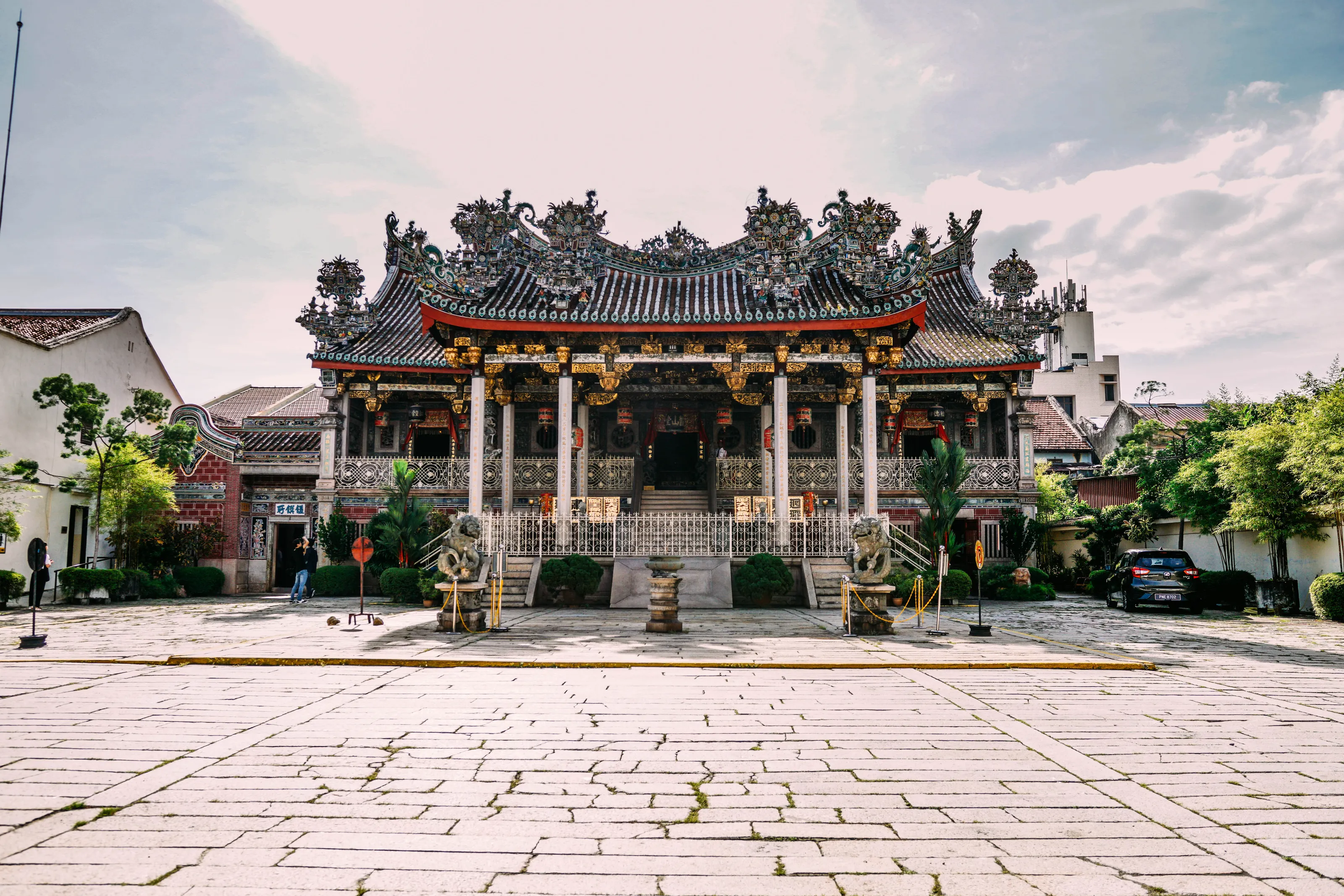
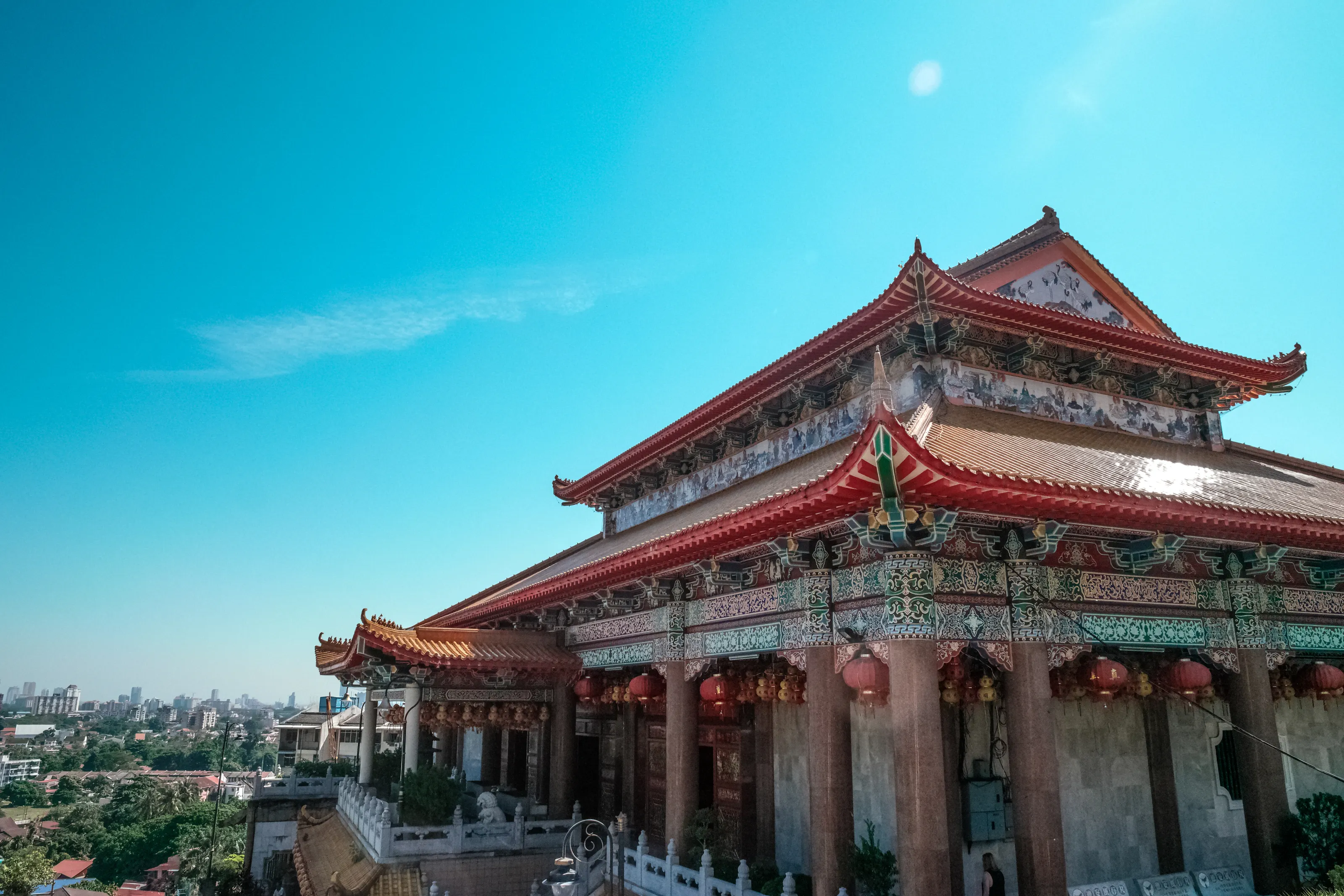
A Chinese clan temple
Kongsi are Chinese clan houses, both temples and meeting halls. Khoo Kongsi, the best known in George Town, was rebuilt in 1902 after a fire in 1884, and its roofs, beams and pillars are covered in fine carving. The visit takes place around a paved forecourt; check opening hours before you go.
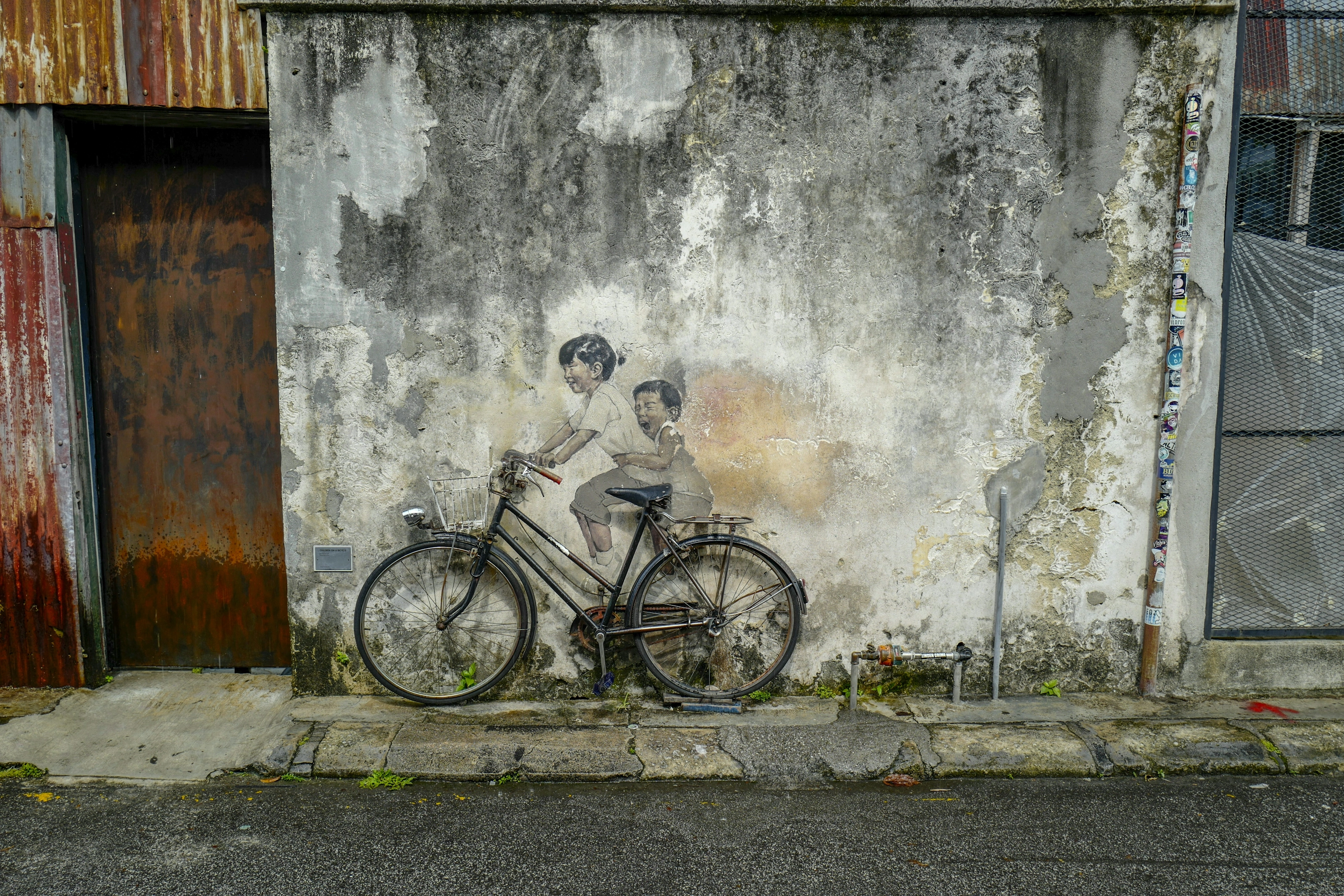
The street murals
Since the UNESCO listing, street art has become part of the city's identity: murals on old walls, wrought-iron sculptures explaining street names, installations in the lanes. The best known, by Ernest Zacharevic on Armenian Street, pairs a painting with a real bicycle. The best approach is to wander without a map, looking up.
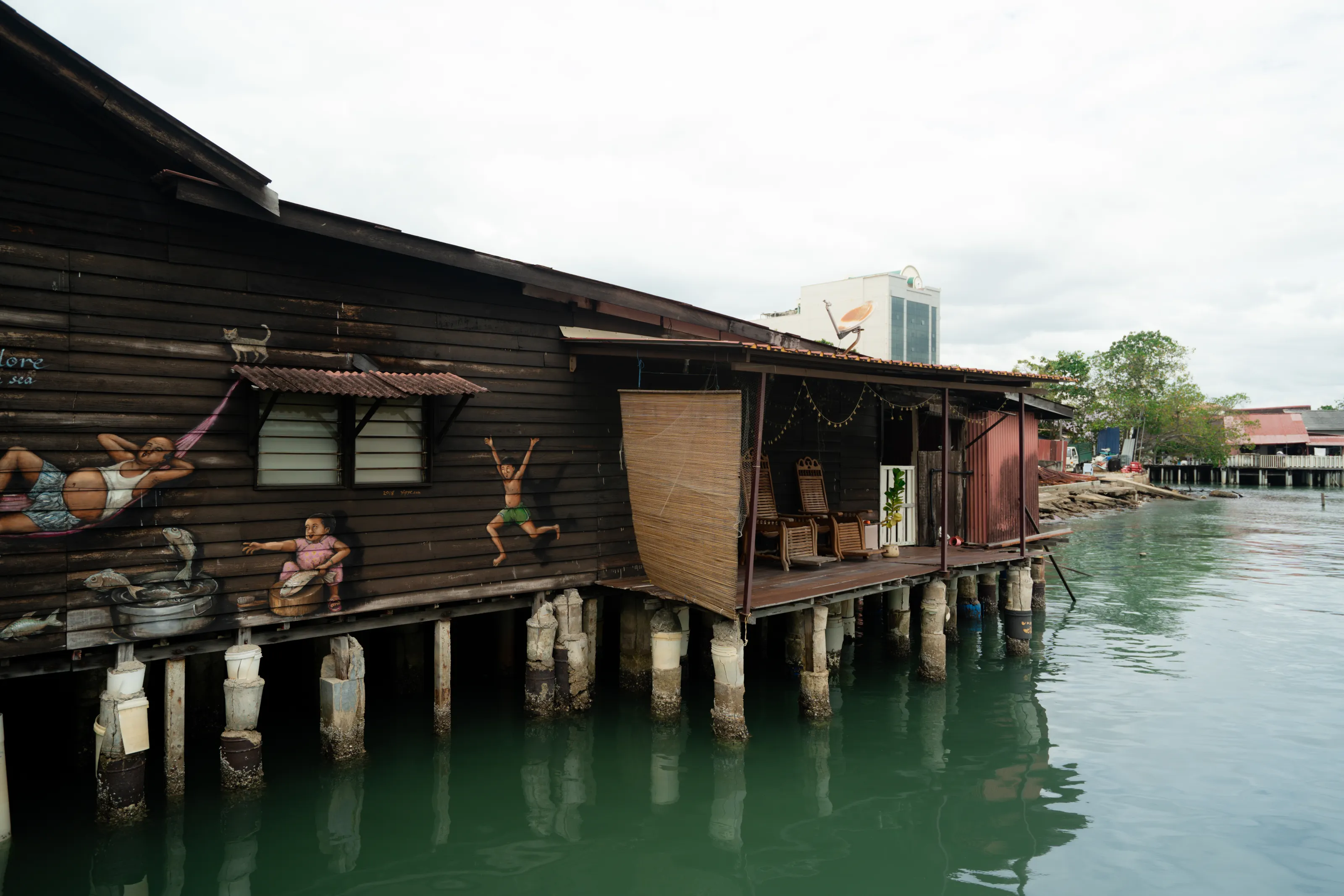
The clan jetties
On the waterfront, several clan jetties line up timber stilt houses lived in by Chinese families for generations. The plank walkways, small shrines and a few murals make this a district apart. Walk slowly and respect the residents.
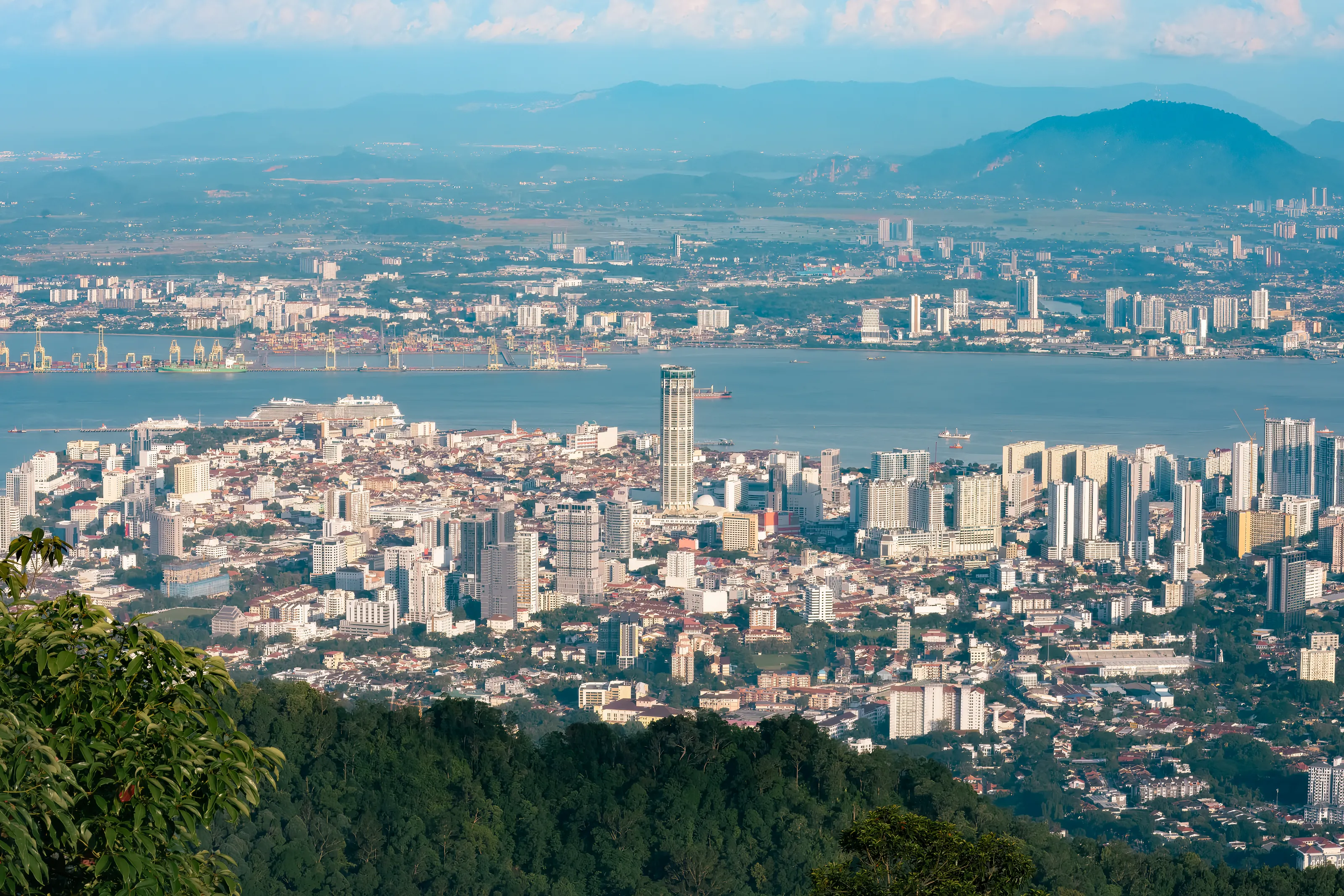
Penang Hill and the view over the city
From the island's heights, reached by funicular from Air Itam, the view takes in George Town, the strait and the mainland coast. The hill, cooler than the shore, is part of a UNESCO biosphere reserve according to Wikipedia (EN). On clear days the views are superb late in the afternoon.
The Kek Lok Si pagoda
In Air Itam, the large Buddhist temple of Kek Lok Si rises in tiers up a hillside, with pagodas, halls and statues. It is one of the largest in Malaysia. It is especially busy at Chinese New Year, when it is covered in lanterns.
Fort Cornwallis, Kong Hock Keong and Batu Ferringhi, in text
Fort Cornwallis marks where Francis Light landed; its stone walls date from the early 19th century. The Kong Hock Keong temple, dedicated to the Goddess of Mercy, is one of the oldest Chinese temples on the island. To the north, Batu Ferringhi has sandy beaches and seaside hotels, quieter than the city; its night market draws strollers.
Museums and culture
History, merchants' houses and a festival
The Penang Museum
The Penang Museum, in the old town, traces the island's history, its communities and its colonial past through objects, maps and prints. It is a good starting point to understand the layout before setting out on foot. Check opening hours before you go.
Merchants' mansions
Several mansions of wealthy Chinese towkay and Peranakan merchants can be visited, with their woodwork, coloured tiles and furniture mixing Chinese and European styles. They show the wealth that trade created in the 19th century. We do not quote ticket prices.
Festival and street art
The George Town Festival, held every year, brings the old town to life with performances and installations. Street art, born partly after the UNESCO listing, forms an open-air gallery you can walk for free.
Food and drink
Assam laksa, char kway teow, nasi kandar and cendol
Malaysia's food capital
Penang has a reputation as the country's gastronomic capital, according to Wikipedia (EN). Most eating is done at hawker centres and street stalls. Char kway teow is stir-fried flat rice noodles with prawns and bean sprouts; assam laksa, unlike coconut-milk laksas, is a sour tamarind broth with fish; nasi kandar, rice with a choice of curries, is said to have originated in Penang.
More specialities
Lor bak (minced pork wrapped in tofu skin, fried), oh chien oyster omelette, rojak with fruit in a thick sauce and cendol, shaved ice with coconut milk, green rice-flour noodles and palm sugar, cool you down in the heat. Seafood is everywhere, in Chinese, Indian and Malay cooking.
Where to eat
The Jalan Macalister area and the old town hold canteens and stalls. Gurney Drive is famous but some locals find it overrated; try the streets and the markets too. Hours vary and some stalls close in the afternoon.
Getting around
On foot, by bus, trishaw and ferry
The centre on foot
George Town is compact, and its heart is best explored on foot, with renovated pavements. A pedal trishaw makes for a relaxed tour, but agree the price before you climb in.
Buses and apps
The Rapid Penang network starts from KOMTAR, the city's tallest tower, and from the Weld Quay ferry terminal; a free CAT shuttle runs in the centre, so check it before you travel. Apps such as Grab are often simpler than taxis. Buses to Air Itam (Kek Lok Si, Penang Hill) and to Batu Ferringhi are frequent.
To the mainland and the islands
Two bridges link the island to the mainland; bicycles are not allowed on them. The foot-passenger ferry links George Town with Butterworth, where trains leave. A boat also links Langkawi, about twice a day, in a little under three hours according to Wikivoyage (FR, DE).
Budget and precautions
An affordable budget, especially at the table
Price level
Penang is generally seen as affordable: street meals, buses and mid-range accommodation cost little compared with Europe, and the city offers wide choice, from dorms to heritage hotels. The currency is the ringgit (MYR). Many hotels add taxes to the advertised price. We give no amounts because we could not cross-check them.
Flights
The flight remains the most variable item. SniperAir tracks prices to PEN and compares them with the route's history, but it does not sell or book tickets. Kuala Lumpur (KUL) can be a gateway to watch in parallel, followed by a bus or train.
Entry and precautions
Entry rules depend on your nationality: check official sources and your home country's travel advice. Respect dress rules in temples and mosques. As anywhere, keep an eye on your belongings. Sun and humidity are tiring: drink regularly.
When to go
Hot all year, more rain from September to November
December to February
January and February are generally the driest months. Chinese New Year, in January or February depending on the year, brings the temples to life but also more visitors.
March to May
Humid heat, with late-day showers. The old town's streets are nicer early in the morning.
June to August
Steady temperatures and intermittent rain, with no real dry season. Sea conditions on the north coast vary from day to day.
September to November
Usually the wettest period, with heavy showers; pack an umbrella and quick-drying clothes.
Penang has an equatorial climate: about 30 to 32 C by day and 22 to 24 C at night, high humidity and close to 2,400 mm of rain a year according to Wikivoyage and Wikipedia (EN). There is no bad season as such: shade, water and a slow pace are your best allies. Visit monuments early in the morning and keep the afternoon for air-conditioned cafes or the sea.
By length of stay
What to do in Penang depending on the length of your stay
The essentials
The old town, Khoo Kongsi, the clan jetties, the murals and an evening at a hawker centre.
Hill and temples
Penang Hill, the Kek Lok Si pagoda, the Penang Museum, the beaches of Batu Ferringhi and a merchant's mansion.
The island and beyond
Teluk Bahang national park, the countryside of Balik Pulau, or a link to Langkawi, Kuala Lumpur or southern Thailand.
In pictures
Penang in pictures
You might also like
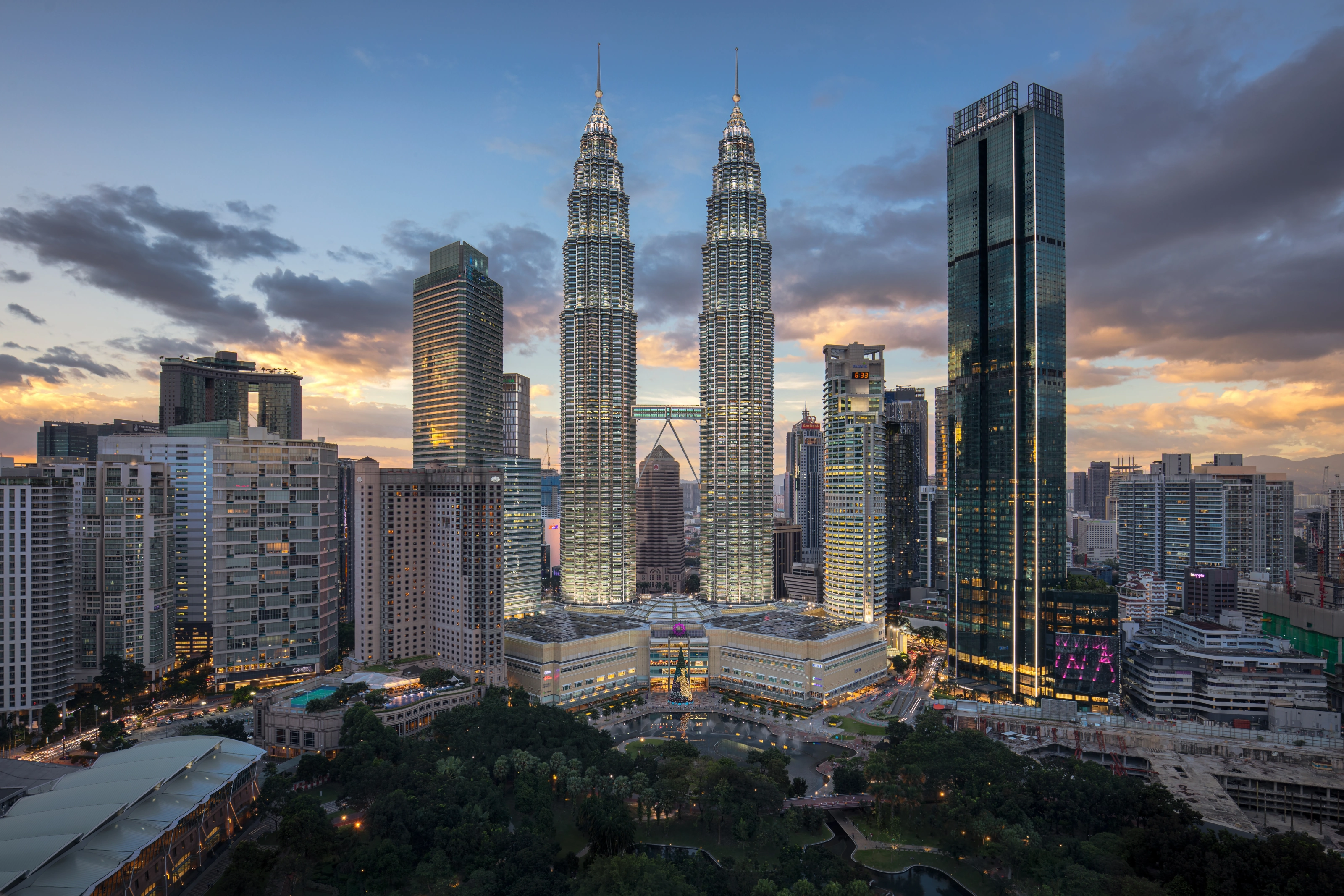
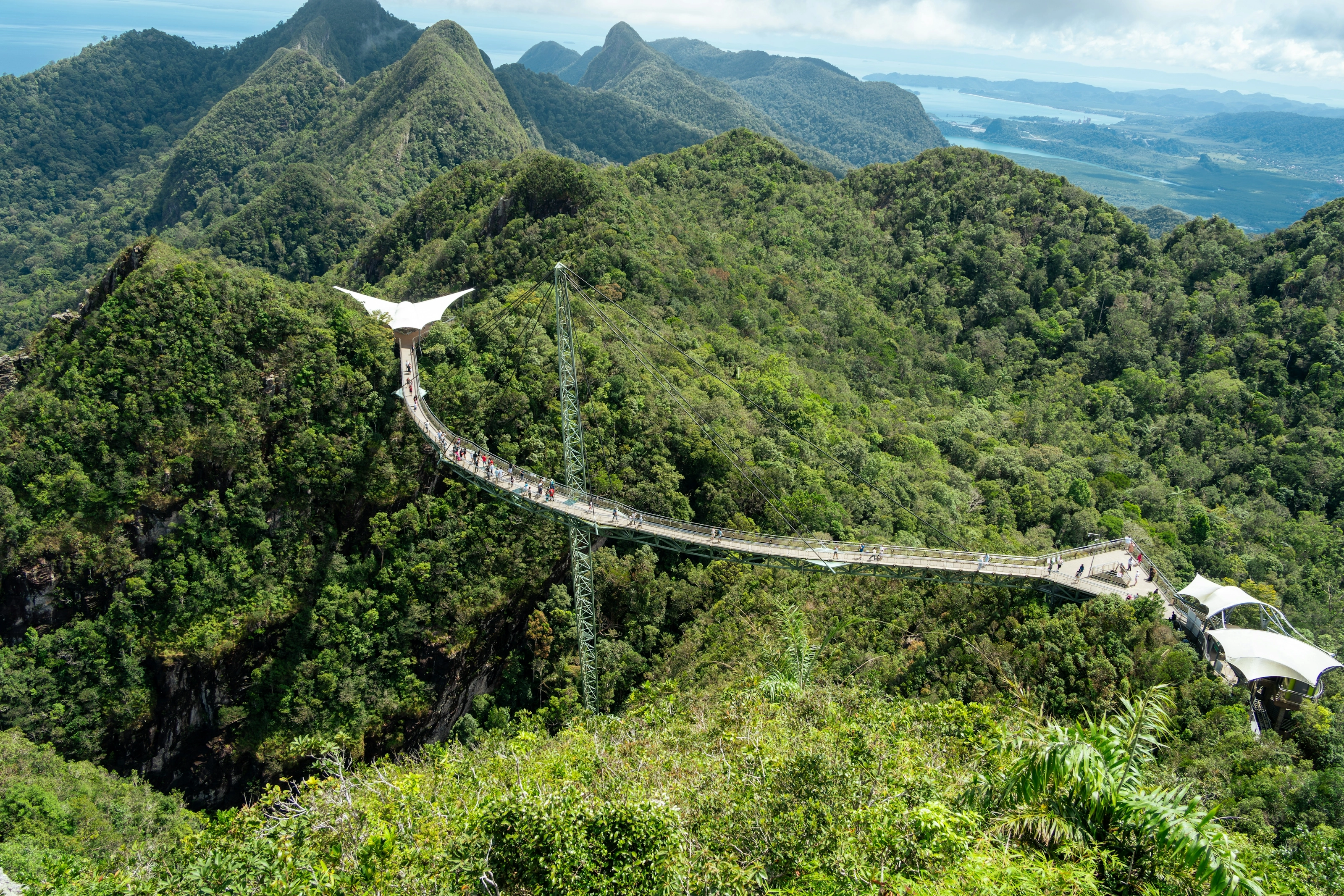
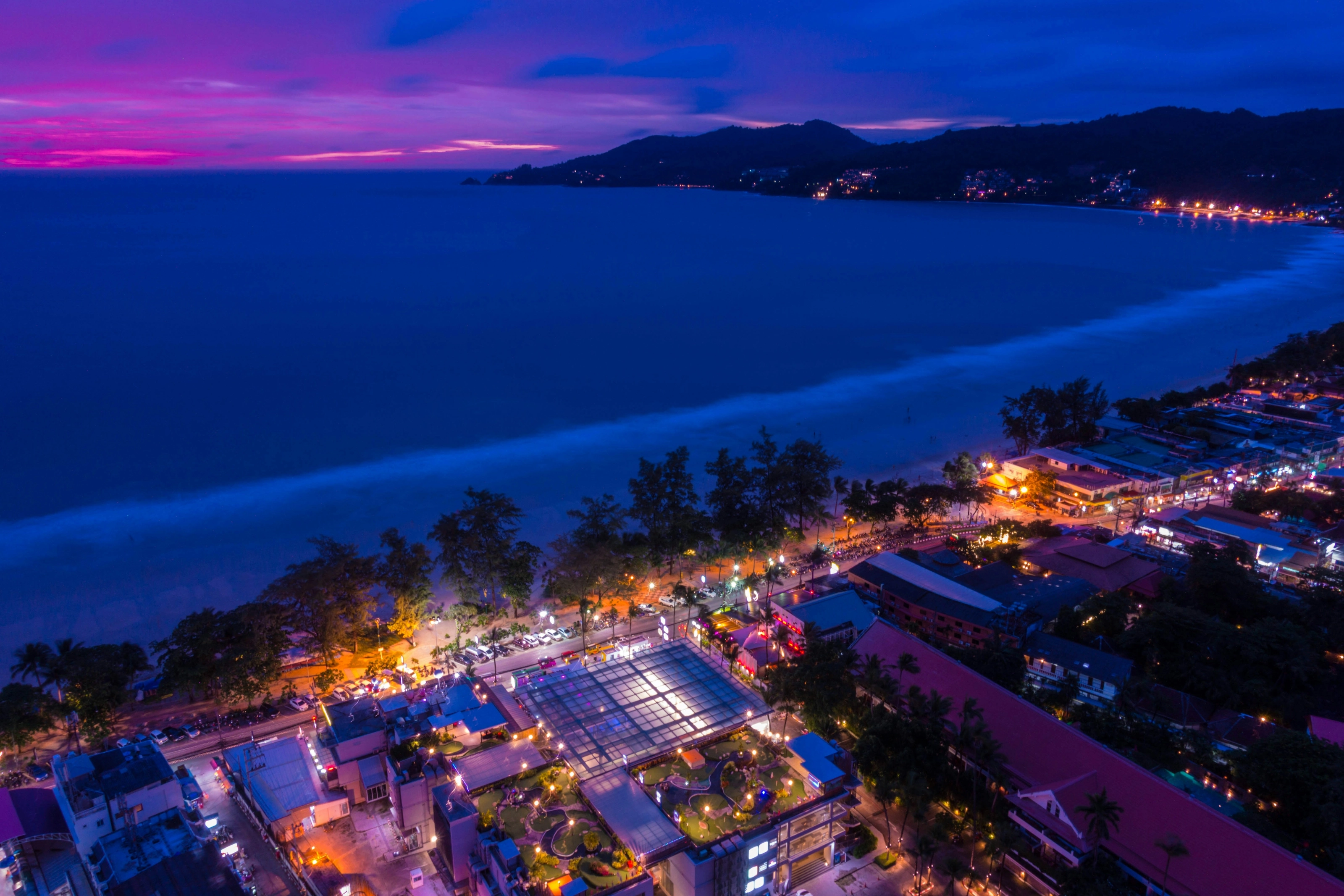
Similar destinations
FAQ
Frequently asked questions about flights to Penang
How do I get from Penang airport to central George Town?
The airport (PEN) is in Bayan Lepas, about 15 km south of the centre. Rapid Penang buses, prepaid taxi coupons and ride-hailing such as Grab make the trip in about half an hour. Bus schedules change, so check them before you travel.
When is the best time to visit Penang?
December to February, especially January and February, are generally the driest months. September to November is usually the wettest. The heat stays steady all year.
Is Penang expensive?
Penang is generally affordable, especially for street meals and transport. We do not give amounts because we could not cross-check them.
How long should I stay in Penang?
Two days for George Town; three or four if you add Penang Hill, Kek Lok Si and the beaches; five or more for the whole island and surroundings.
How do I get around Penang?
On foot in the old town, by Rapid Penang bus, by the free CAT shuttle in the centre depending on its schedule, by trishaw or by ride-hailing such as Grab. The foot-passenger ferry links Butterworth, where trains leave.
What should I eat in Penang?
Assam laksa, char kway teow, nasi kandar, lor bak, oyster omelette and cendol. Hawker centres and street stalls are the best places to start.
How much does a flight to Penang usually cost?
The price depends mainly on your departure city, the time of year and how far ahead you book. The "opportunities" section above shows real examples of prices SniperAir has already detected to this destination.
How do I get alerted when a flight to Penang drops below my budget?
Create an alert profile with your departure airport, Penang as the destination and your maximum budget. You are notified automatically as soon as a matching price is detected.
Ready to head to Penang?
Set your budget and let SniperAir monitor fares for you.
Create my alert