
Cheap flights to Hat Yai
Set your departure airport and maximum budget: SniperAir tracks prices to Hat Yai and alerts you the moment a deal matching your criteria appears.
Quick summary
Country
Thailand
Continent
Asia
Airport
HDY
Currency
Thai baht
Time zone
UTC+7
Deals already spotted to Hat Yai
Real flight examples detected by SniperAir, with their reference price.
Loading examples…
Crossroads of the South
Visiting Hat Yai, where Thai, Chinese and Malay cultures meet
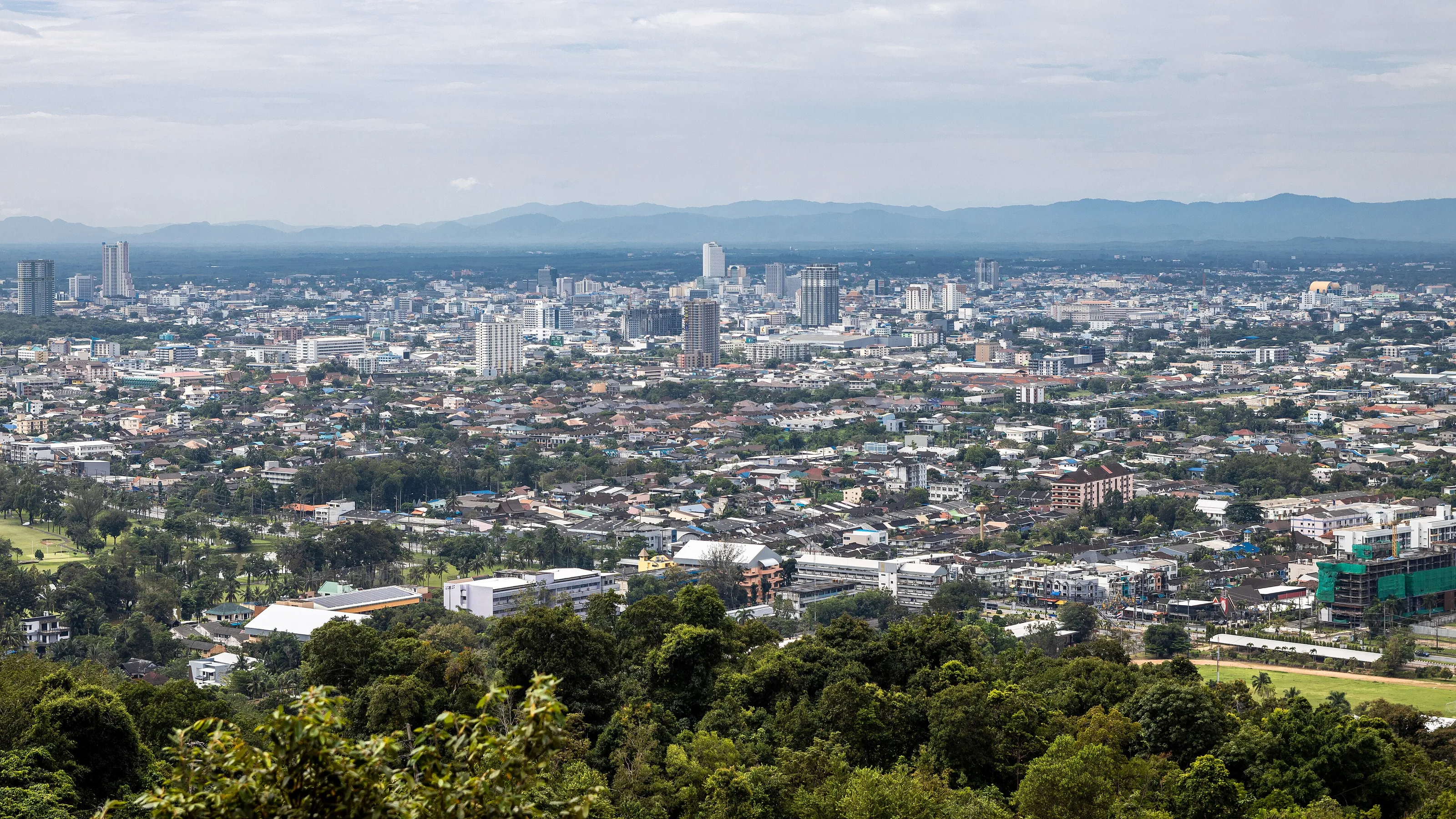
Hat Yai is the biggest city in southern Thailand, in Songkhla province, close to the Malaysian border. It is the commercial and business centre of the region, with a metropolitan area of about 650,000 people, and a popular weekend stop for visitors from Malaysia and Singapore who come for shopping, food and nightlife, far from the crowds of Bangkok or Phuket.
It is not a beach destination: the city lies inland, and the sea is a day trip away at Songkhla.
Why track Hat Yai with SniperAir
Your budget, our watch
Choose your departure
Enter your departure airport and your maximum budget for a flight to Hat Yai.
SniperAir keeps watch
Our systems continuously compare new prices with the route's real price history.
You get an alert
As soon as a price matches your criteria, you are notified, without having searched yourself.
History
From a hamlet to the biggest city of southern Thailand
Hat Yai was a small village, Khok Sa-Met Choon, until the railway made it a junction in the 1920s (Wikivoyage EN). Today it is the biggest city in southern Thailand, with around 157,000 people in the city in 2019 and more than 400,000 in the district, bigger than Songkhla, the provincial capital, which it is often mistaken for.
The city is a hub for business, study, transport, tourism and shopping, and has been a mix of Thais, Chinese and Malays for generations, with five overseas Chinese associations (Teochew, Hokkien, Hainanese, Cantonese and Hakka). Around the station, the old quarter keeps Sino-Portuguese shophouses, Chinese shrines and festivals such as Chinese New Year or the Vegetarian Festival (Wikivoyage EN).
Temples and parks
Wat Hat Yai Nai, Hat Yai Park and its Buddhas
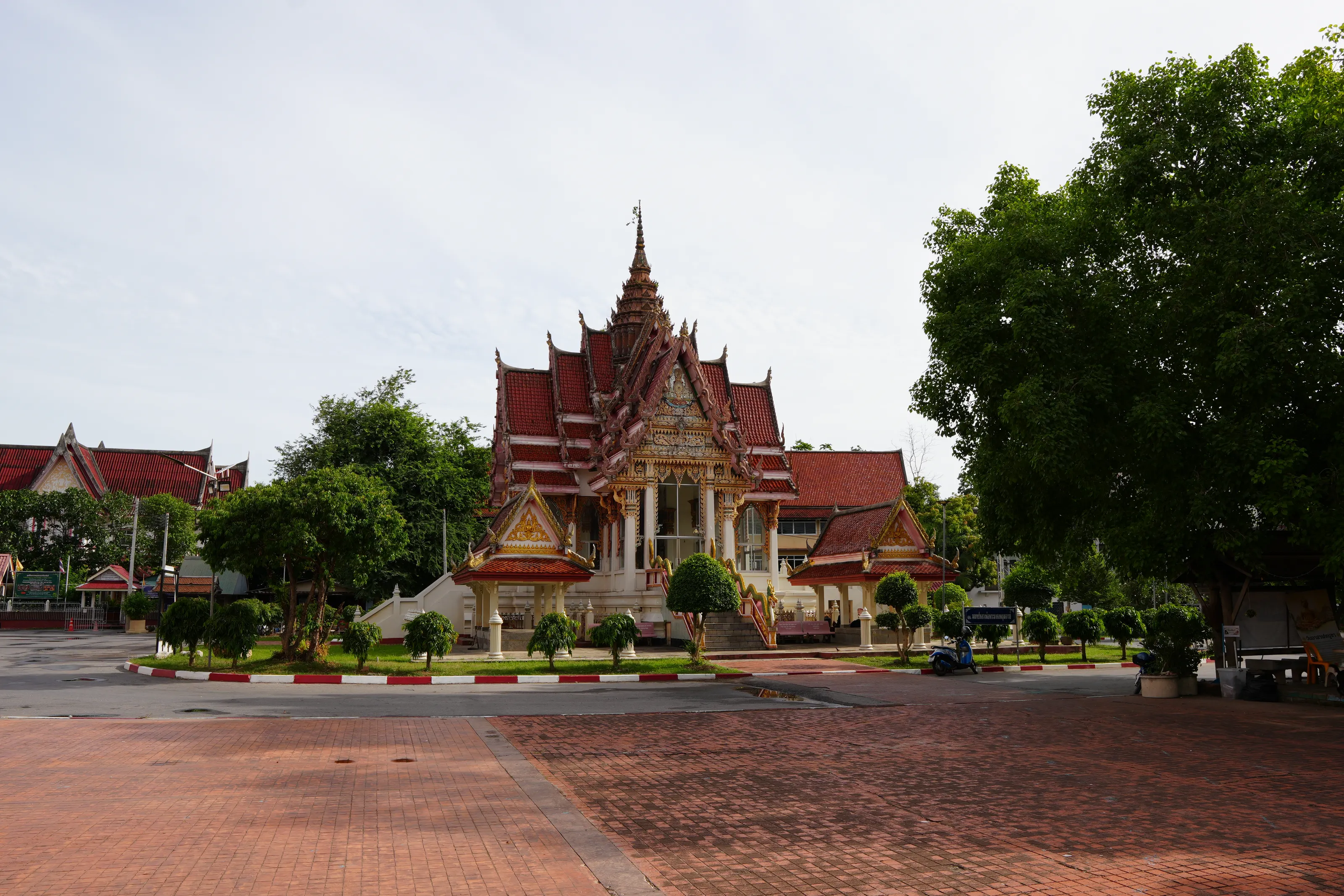
Wat Hat Yai Nai holds a reclining Buddha 35 metres long, 15 metres high and 10 metres wide, named Phra Phuttha Hattha Mongkhon and said to be among the largest reclining Buddhas in the world (Wikivoyage EN).
Hat Yai Park
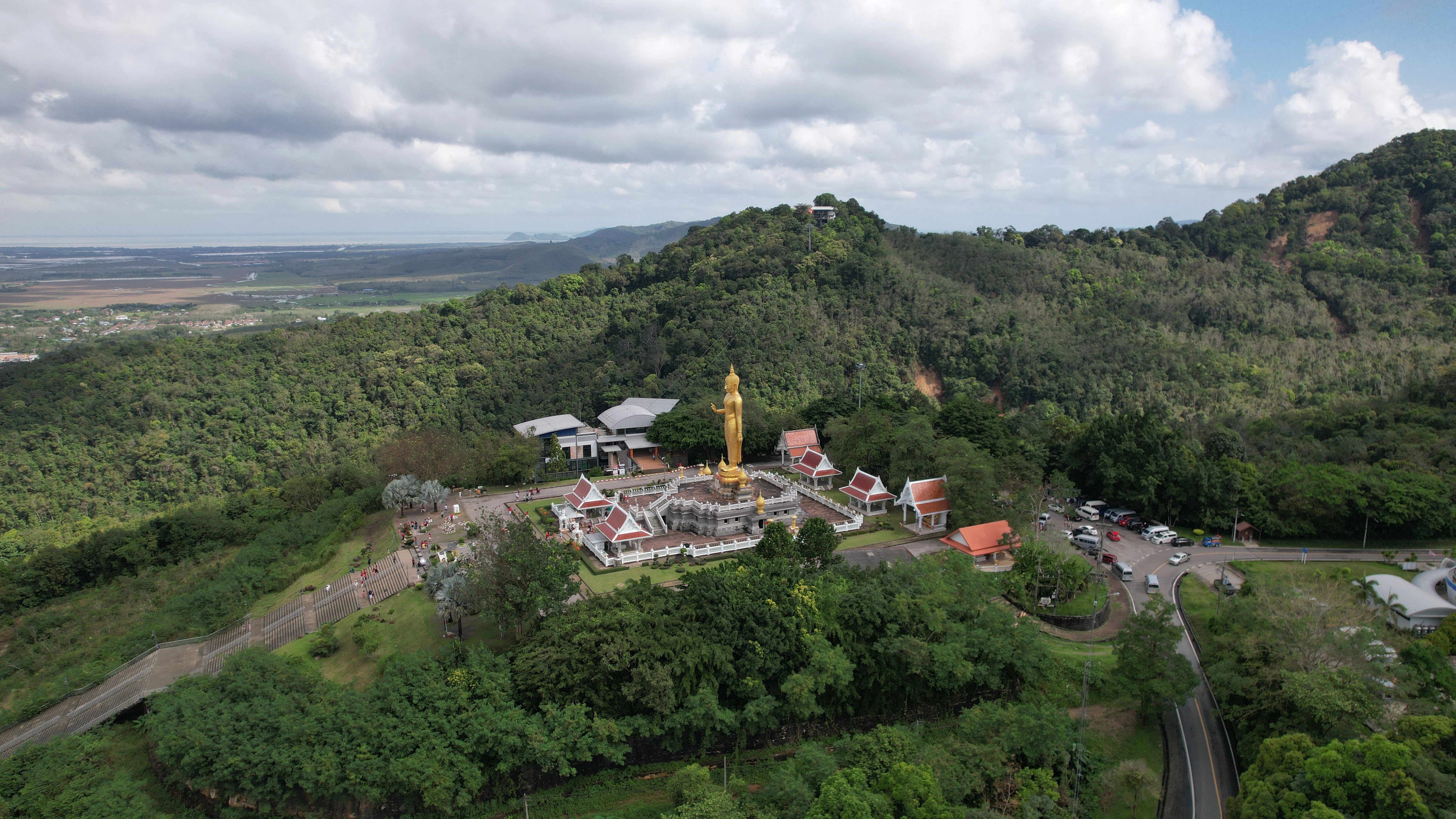
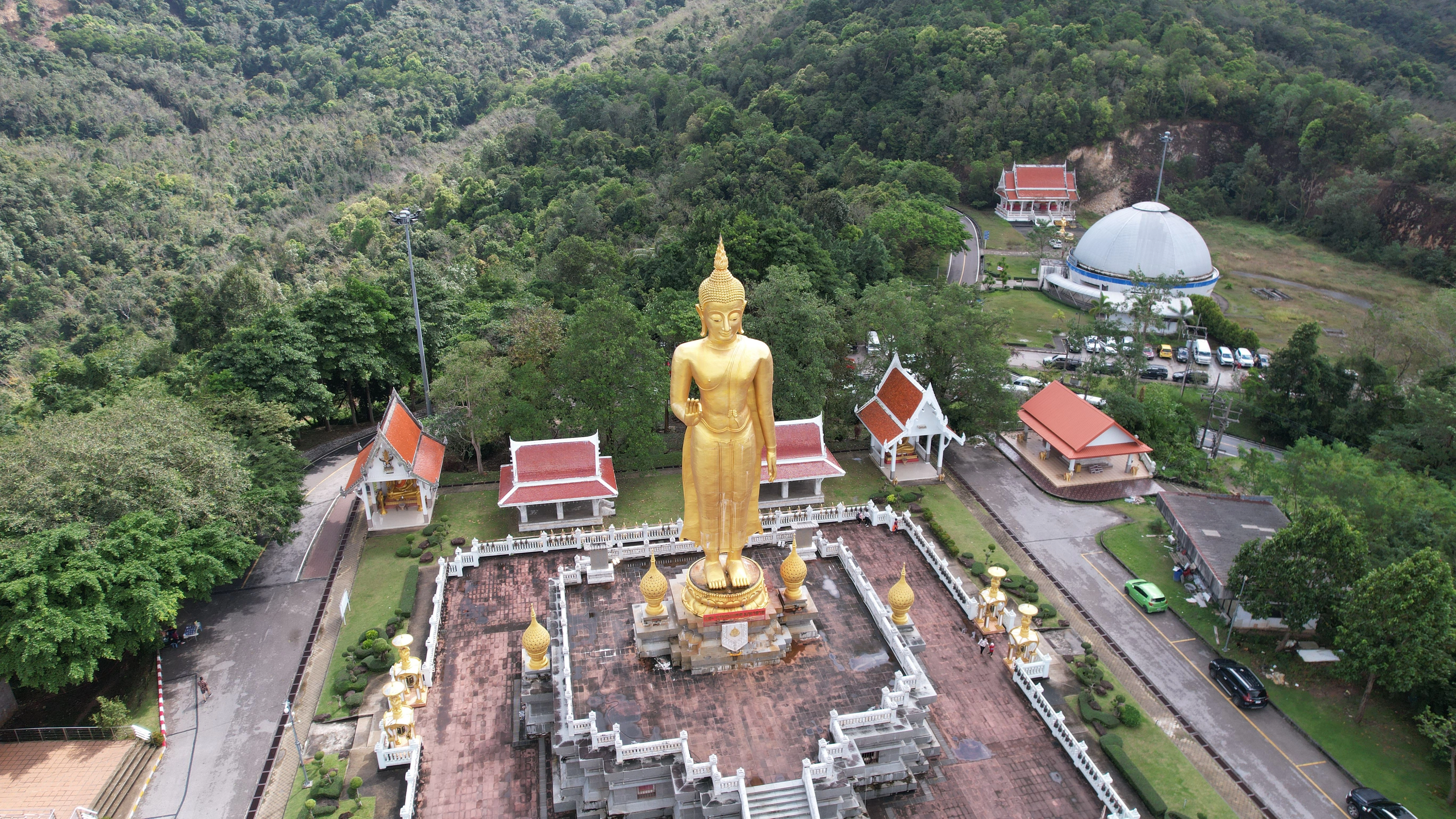
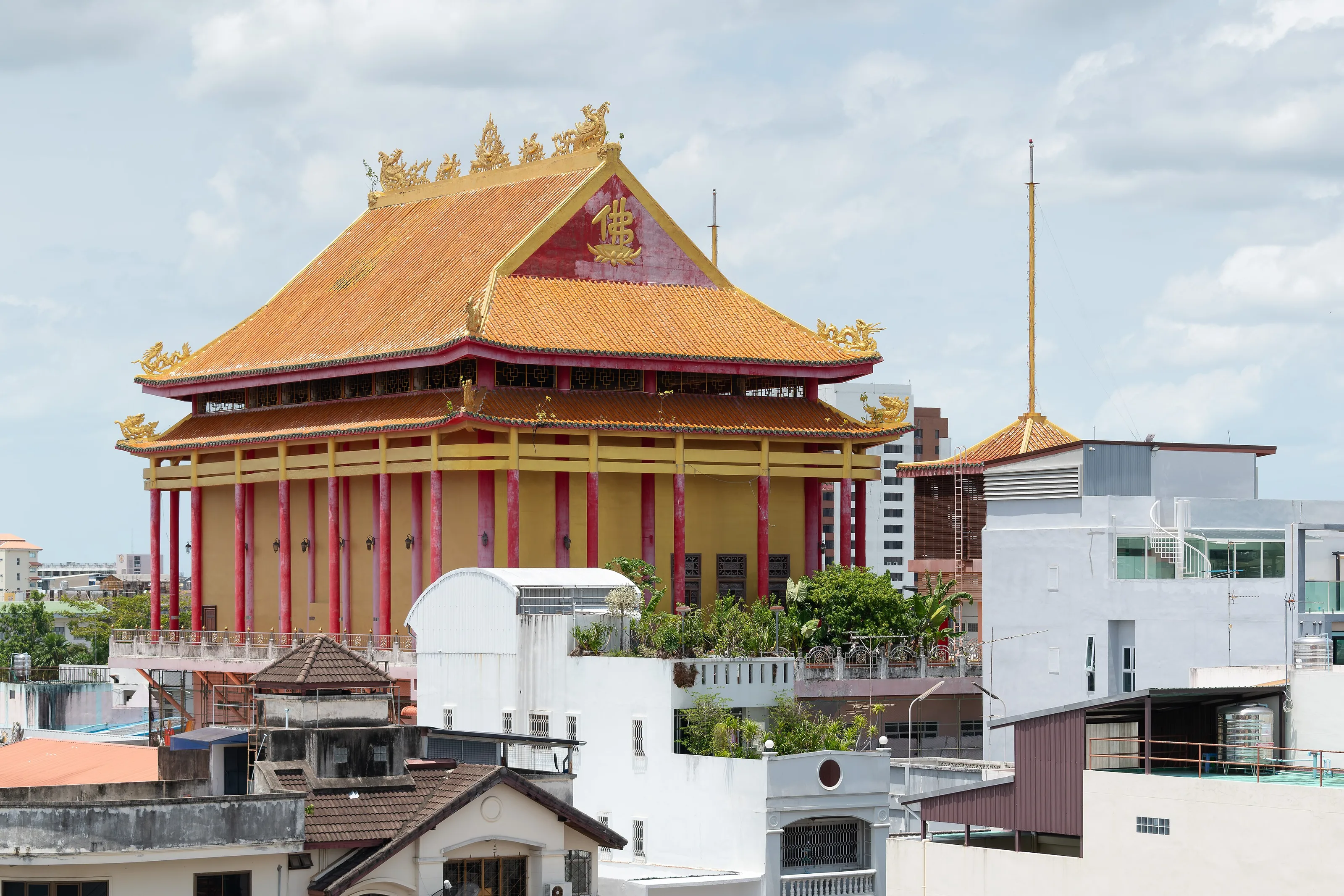
About 6 km from the centre, the municipal park is the locals' main place for walks: a pond with a pavilion, an aviary and a statue of King Rama V; entry is free. On the hill, a cable car climbs to the large golden statue of Phra Phutthamongkon Maharat and to a Chinese-style Guanyin temple with a white jade statue of about 20 m (Wikivoyage DE, EN). Allow at least half a day; the park is large and the roads steep.
Other sights
The stainless steel pagoda on Kho Hong hill, built for King Bhumibol's 60th year on the throne, and the Songkhla Central Mosque on the road to Songkhla (Wikivoyage EN).
Museums
Few museums in town, but good ones in Songkhla
Hat Yai is not a city of big museums. In town, the Hat Yai Art and Culture Center, near the pond in the municipal park, is free, and the Hat Yai Observatory offers astronomy at the same site (Wikivoyage EN).
Songkhla National Museum
The finest museum in the region is in Songkhla: according to Wikivoyage EN it has a sparser but better presented selection, with a chronological layout, some very impressive Chinese carvings and artefacts from ancient shipwrecks.
Institute for Southern Thai Studies
On Ko Yo island near Songkhla, it spans more than 30 rooms covering history, religion, tradition, occupations, folk games and handicrafts of the South, with viewing points over the lake (Wikivoyage EN).
Markets
Kim Yong, Santisuk, Khlong Hae and night markets
| Market | What you will find |
|---|---|
| Kim Yong | Imported and local goods at low prices, dried goods, and very dense street food (Wikivoyage EN) |
| Santisuk | Electronics, clothes, bags, cosmetics and imported goods (Wikivoyage EN) |
| Khlong Hae Floating Market | A floating market with a more authentic feel, open at the end of the week, mainly for local food |
| ASEAN Trade Market and Green Way | Evening markets near the bus station, known for second-hand clothes and shoes and food stalls (Wikivoyage EN) |
Food
Fried chicken, dim sum, halal food and seafood
Hat Yai's mixed population has produced a cuisine where Thai spices, Chinese technique and Malay taste meet. The best-known speciality is a simple-looking fried chicken served with sticky rice and sweet chilli sauce, which the rest of Thailand calls Hat Yai fried chicken (Wikivoyage EN).
Dim sum and bird's nest soup
Dim sum restaurants, busy early in the morning, are an institution; bird's nest soup is found in a particular district near Santisuk market (Wikivoyage DE).
Halal and seafood
The large Muslim population makes halal food easy to find, and big open-air seafood restaurants are popular (Wikivoyage EN).
Prices
Street food is very affordable, often well under 100 baht according to Wikivoyage EN; check prices, which vary by district.
After dark
Nightlife aimed at Malaysian visitors
Hat Yai owes its nickname of entertainment capital of the South to its nightlife: pubs, live-music venues and late dining, mainly around Thamanoonvithee Road. The sex industry is present and mostly targets visitors from Malaysia (Wikivoyage EN, DE); it stays low-profile, but it is worth knowing about.
Day trip
Songkhla, the lake and the Malaysian border
Songkhla is about 30 to 35 km from Hat Yai, around forty minutes away. Most of its attractions are free or cheap. From the city, Samila Beach and its mermaid statue, Khao Tang Kuan hill (cable lift or 305 steps), the Sino-Portuguese old town and Songkhla Lake, the country's largest, make a good day.
Ko Yo
A small island in Songkhla Lake linked to the mainland by the Tinsulanonda Bridge, known for its cafés, restaurants and fruit such as jampada jackfruit (Wikivoyage EN).
Border and national park
The Padang Besar border is about 60 km from Hat Yai and has a cross-border market; Khao Nam Khang National Park, about 65 to 70 km away, has waterfalls and a network of historic tunnels (Wikivoyage EN, DE).
Getting to Hat Yai
Airport, train and road
Hat Yai International
The airport is about ten kilometres from the centre (about 9 km east according to Wikipedia EN, up to 14 km according to Wikivoyage DE). It is served by several airlines, including low-cost carriers, from Bangkok, Phuket, Chiang Mai and Kuala Lumpur; Singapore is linked by Scoot (Wikivoyage EN). To reach the centre: taxi, minivan or blue songthaew, at modest fares that are best checked on arrival.
Approximate distances from Wikipedia and Wikivoyage; transport schedules change.
Hat Yai station is on the southern line: expect more than 12 hours from Bangkok, 12 to 14 hours depending on the train. Minivans and buses also link Phuket, Krabi, Penang, Kuala Lumpur and Singapore.
| Landmark | Indicative distance or time |
|---|---|
| HDY airport to the centre | about 9 to 14 km depending on the source, around half an hour by minivan or taxi |
| Hat Yai to Songkhla | about 30 to 35 km, around forty minutes |
| Hat Yai to Padang Besar (Malaysia) | about 60 km |
| Hat Yai to Khao Nam Khang | about 65 to 70 km |
| Hat Yai to Bangkok by train | more than 12 hours |
Getting around
Songthaew, tuk-tuk, taxi and two-wheelers
Hat Yai has no metro or tram. Songthaews, converted pickups with bench seats, run on colour-coded routes: a blue line from the airport and red route no. 33 between the bus station and the municipal park (Wikivoyage EN, DE). Tuk-tuks, here often mini-vans, and motorbike taxis are negotiated before you set off; metered taxis are more comfortable but fewer.
Traffic
The city is very congested: Wikivoyage EN reports that in 2025 it overtook Bangkok as the country's most congested city. Journeys take time, especially at rush hour.
Rentals
Scooters and cars can be rented at the airport and from a few shops; compare conditions, including insurance.
When to go
When to visit Hat Yai?
January to March
The driest season, with more sunshine; average highs around 30 °C, higher in March (Wikipedia DE).
April to May
The hottest period, up to about 34 °C by day (Wikipedia DE), before the rain gradually returns.
June to October
Wet season: frequent short, intense showers that clear quickly.
November to December
Peak rain: it can rain more than 20 days in November, with occasional floods (Wikipedia EN).
Tropical monsoon climate, hot all year (highs around 30 °C or more). Best period: January to March; avoid November-December if you can.
Budget
An inexpensive stay
Hat Yai remains an affordable destination in Southeast Asia: markets, street food, songthaews and simple lodging cost little, and most attractions in Songkhla are free or cheap. Hotels in the centre fill up at weekends and on Malaysian and Singaporean public holidays, which can push prices up. We do not publish precise prices.
Good to know
Chinese New Year pushes up lodging prices (Wikivoyage DE): book early and compare.
In pictures
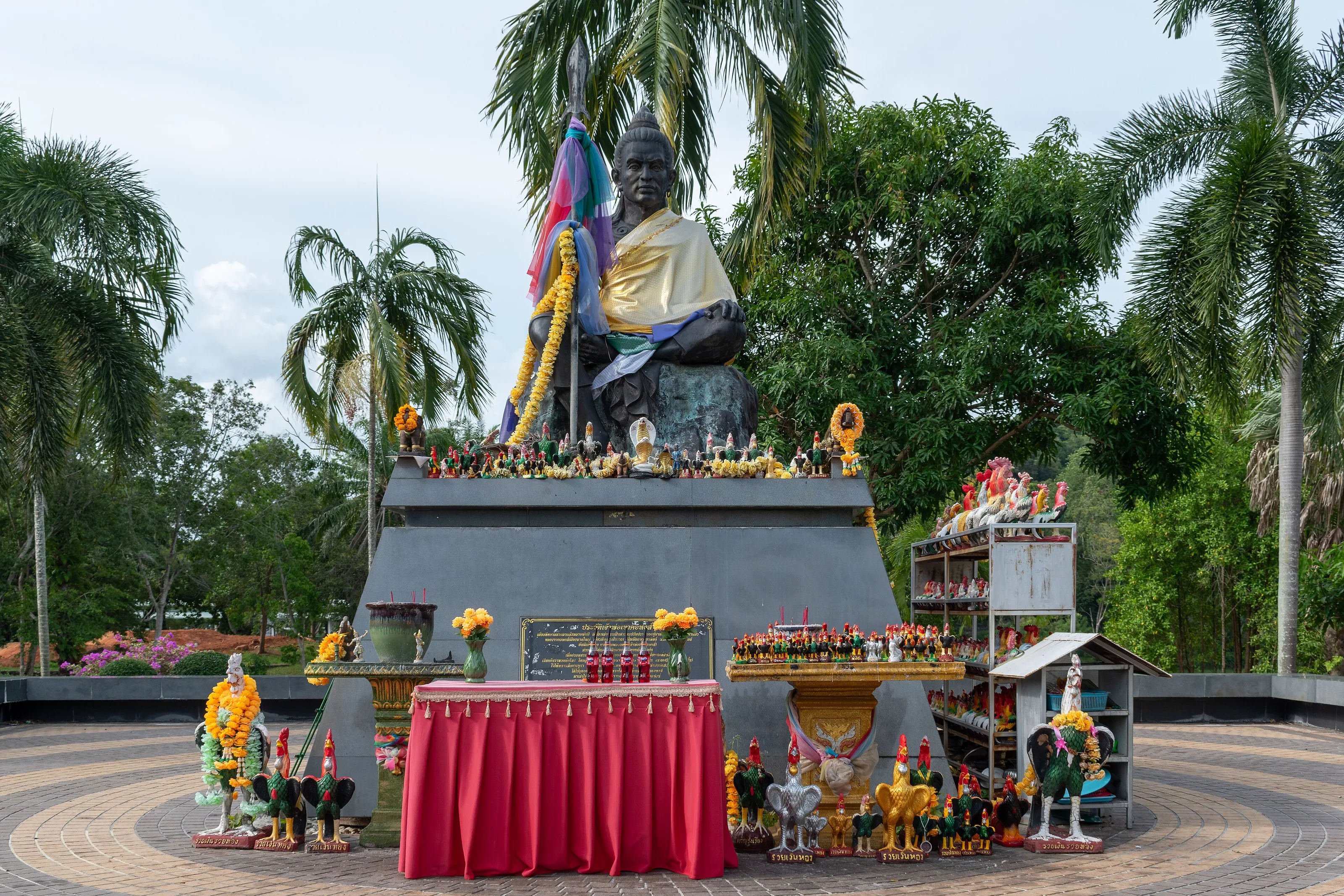
Hat Yai in pictures
You might also like
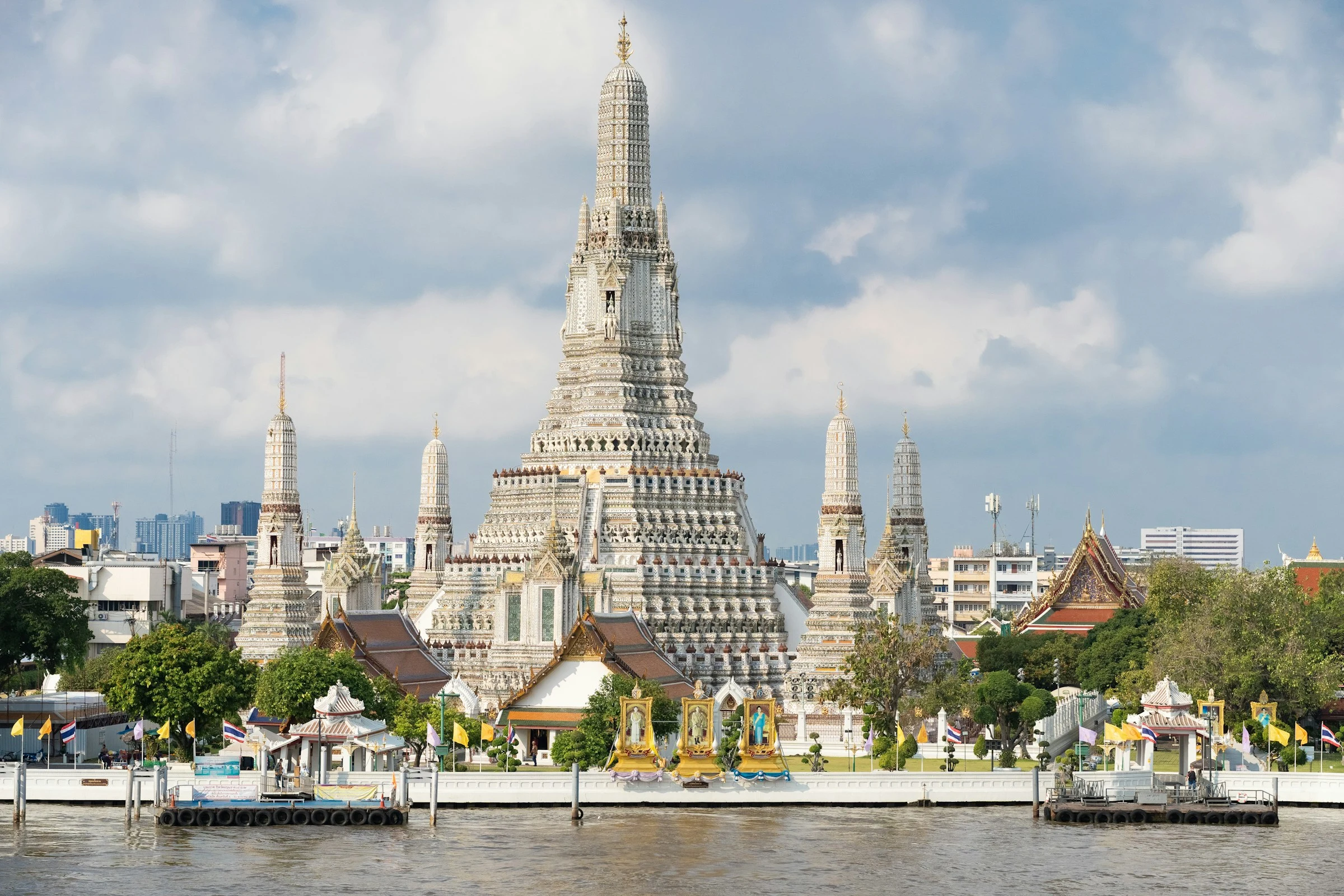
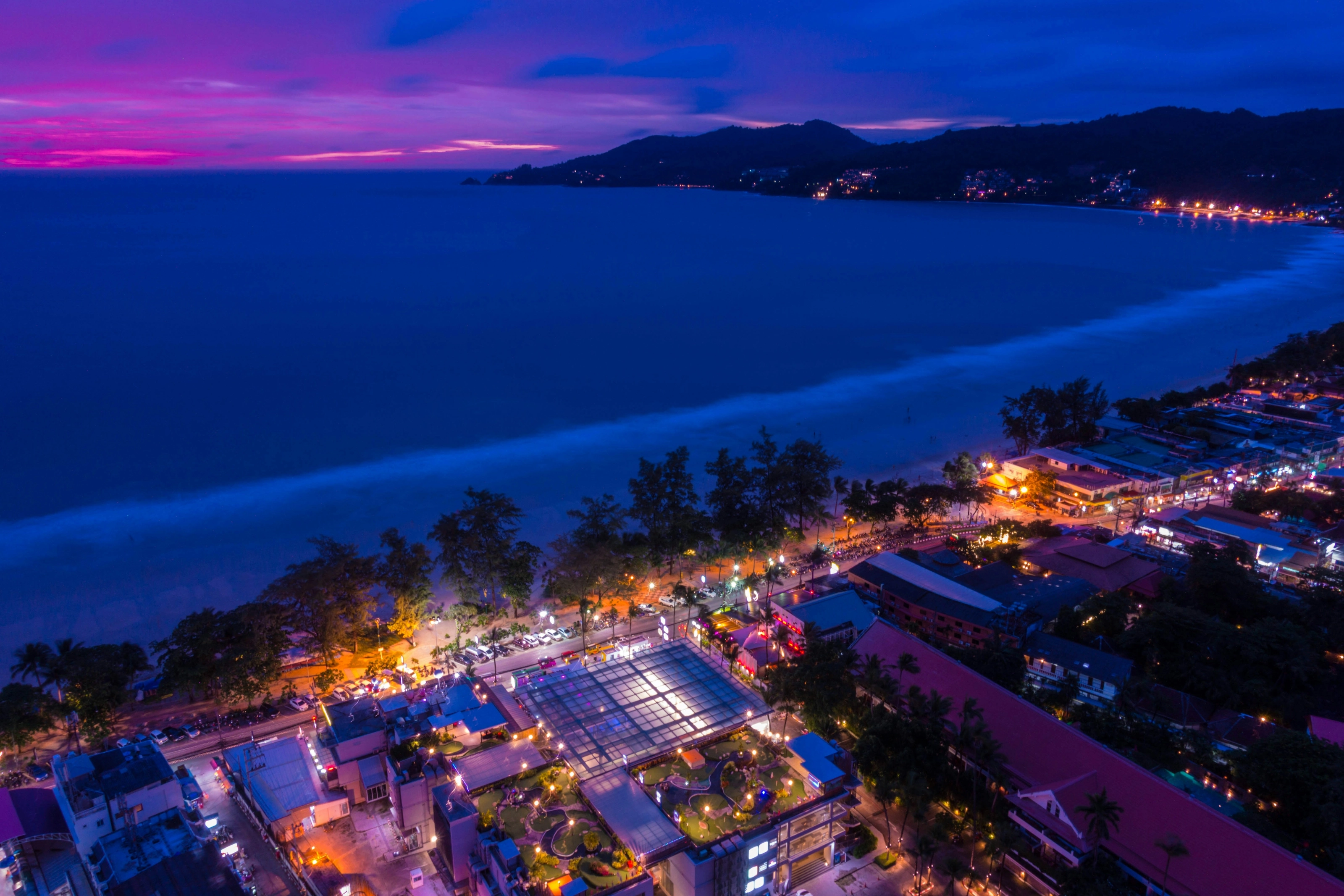
Similar destinations

FAQ
Frequently asked questions about flights to Hat Yai
Which airport serves Hat Yai and how far is it from the centre?
Hat Yai International Airport (HDY), about ten kilometres from the centre (9 to 14 km depending on the source), with flights from Bangkok and some regional routes.
How much does a flight to Hat Yai usually cost?
The price mainly depends on your departure city, the time of year and how far ahead you book. The "opportunities" section above shows real price examples already detected by SniperAir for this destination.
Are there beaches in Hat Yai?
No, the city is inland. Samila Beach in Songkhla is about forty minutes away.
When is the best time to visit Hat Yai?
January to March, the driest season; November and December are the wettest, with a risk of floods.
What is there to do in Hat Yai?
Visit Wat Hat Yai Nai and its reclining Buddha, climb to the golden Buddha at Hat Yai Park, shop at Kim Yong and Santisuk markets, try the local fried chicken and dim sum, then spend a day in Songkhla.
Are there museums in Hat Yai?
In town, the Hat Yai Art and Culture Center and the observatory in the municipal park; the main museums are in Songkhla (the national museum) and on Ko Yo island (the Institute for Southern Thai Studies).
How do I get around Hat Yai?
By songthaew, tuk-tuk, motorbike taxi or metered taxi; there is no metro. Traffic is heavy.
Is Hat Yai an expensive destination?
No, the budget on site stays moderate, and most Songkhla attractions are free or cheap.
How can I be alerted when a flight to Hat Yai drops below my budget?
Create an alert profile with your departure airport, Hat Yai as destination and your maximum budget. SniperAir monitors prices and notifies you as soon as a matching price is detected; we do not sell or book tickets.
Ready to head to Hat Yai?
Set your budget and let SniperAir monitor fares for you.
Create my alert